
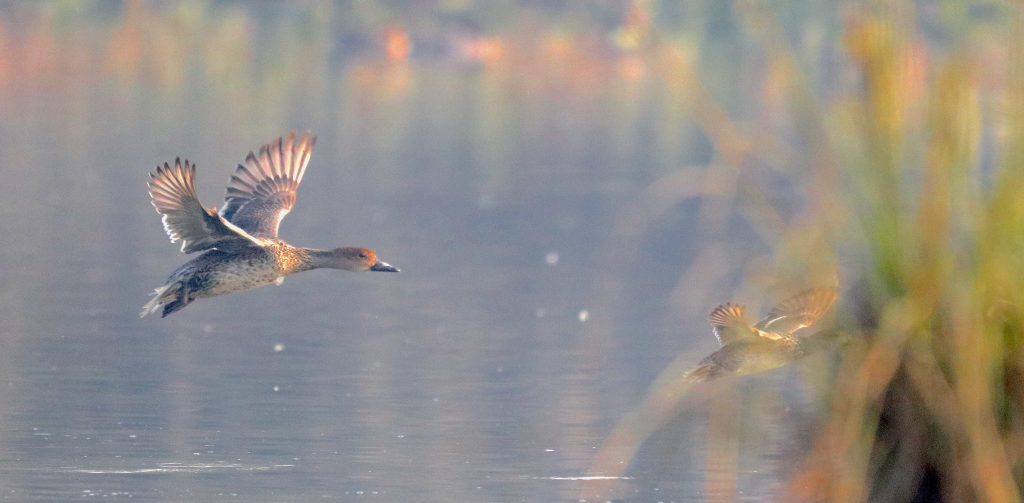
Surajpur wetland is situated near Surajpur Village in Dadri Tehsil of District Gautam Budh Nagar under Greater Noida Industrial Development Authority, Uttar Pradesh, which comes under Western Wildlife Circuit. This area is Reserve Forest (Gulistanpur Forest Block and Khodna Khurd Forest Block) spread over 308 hec. (3.08 Km2) that includes 60 hec. (0.60 Km2) of natural wetland.
Surajpur is an excellent example of an urban wetland in Yamuna River basin. Since 2010 Uttar Pradesh Forest Department, in collaboration with WWF-India and with support of the Greater Noida Industrial Development Authority, has implemented a project for conservation, planning and development of Surajpur wetland. Since 2023 the authorities are collectively making efforts to restore the bleak area into a lively bird sanctuary. Therefore, the wetland sets a unique example of protection and conservation of biodiversity close to urban areas.
Best Time to Visit – November to March
Climate – The general climate is Tropical Mansoon type and South-West Mansoon are the main source of the rainfall. Maximum rainfall occurs from July to October ranging from 400-500mm
Flora – 220 species of Plants were recorded including 155 Herbs, 11 Shrubs, 36 Tree and 18 species of Hebasius Climbers.
Fauna – Total 180 birds species (Water birds – 82, Woodland birds – 99, Grassland birds – 49) with 48 families were recorded. * 13 species of fishes were recorded. * Total 58 invertebrates (Butterflies – 44, Dragonflies – 6, Annelids – 3, Arthropods – 3, Mollecus – 2) were recorded. * 8 species of reptiles were recorded. * 6 species of mammals were recorded.
As a popular birdwatching spot, Surajpur Wetlands offer a unique opportunity to connect with nature and discover the beauty of Greater Noida’s natural heritage.
Join me on this 6 episode video journey as we uncover the secrets of this incredible ecosystem and the development of the habitat to encourage more of our feathered friends to visit here.
 Roads That We Crave For