
There’s something enchanting about waking up in the heart of the Serengeti. After a restful night under the starry African sky and a cozy tent at the camp, the journey continues. Today, we venture southwards, leaving behind the vast plains of Central Serengeti as we make our way to one of Tanzania’s best-kept secrets—Ndutu. As incredible as the Serengeti already feels, the real magic is yet to unfold. Ndutu offers a world of surprises, blending the drama of the great migration with the serenity of untouched wilderness.


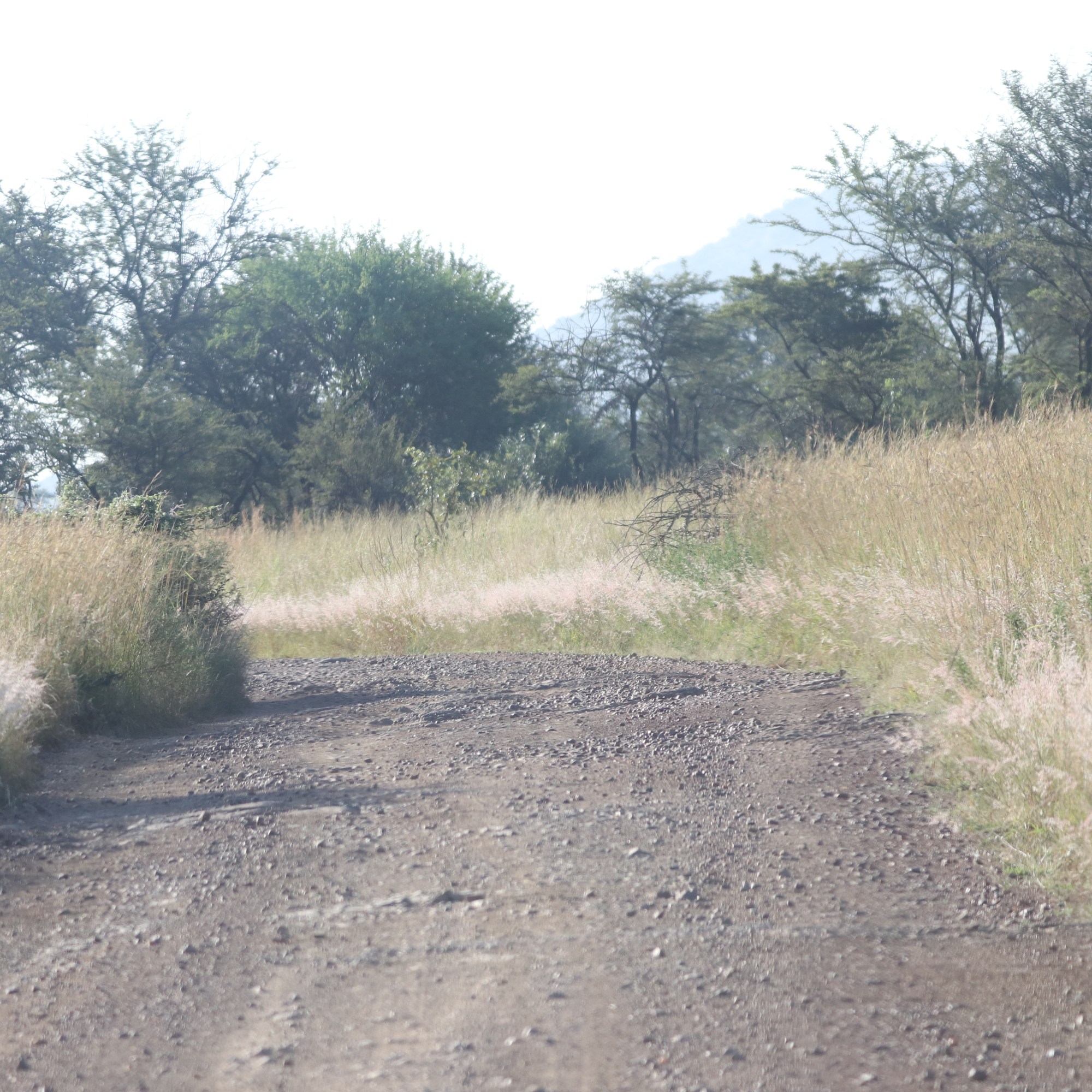


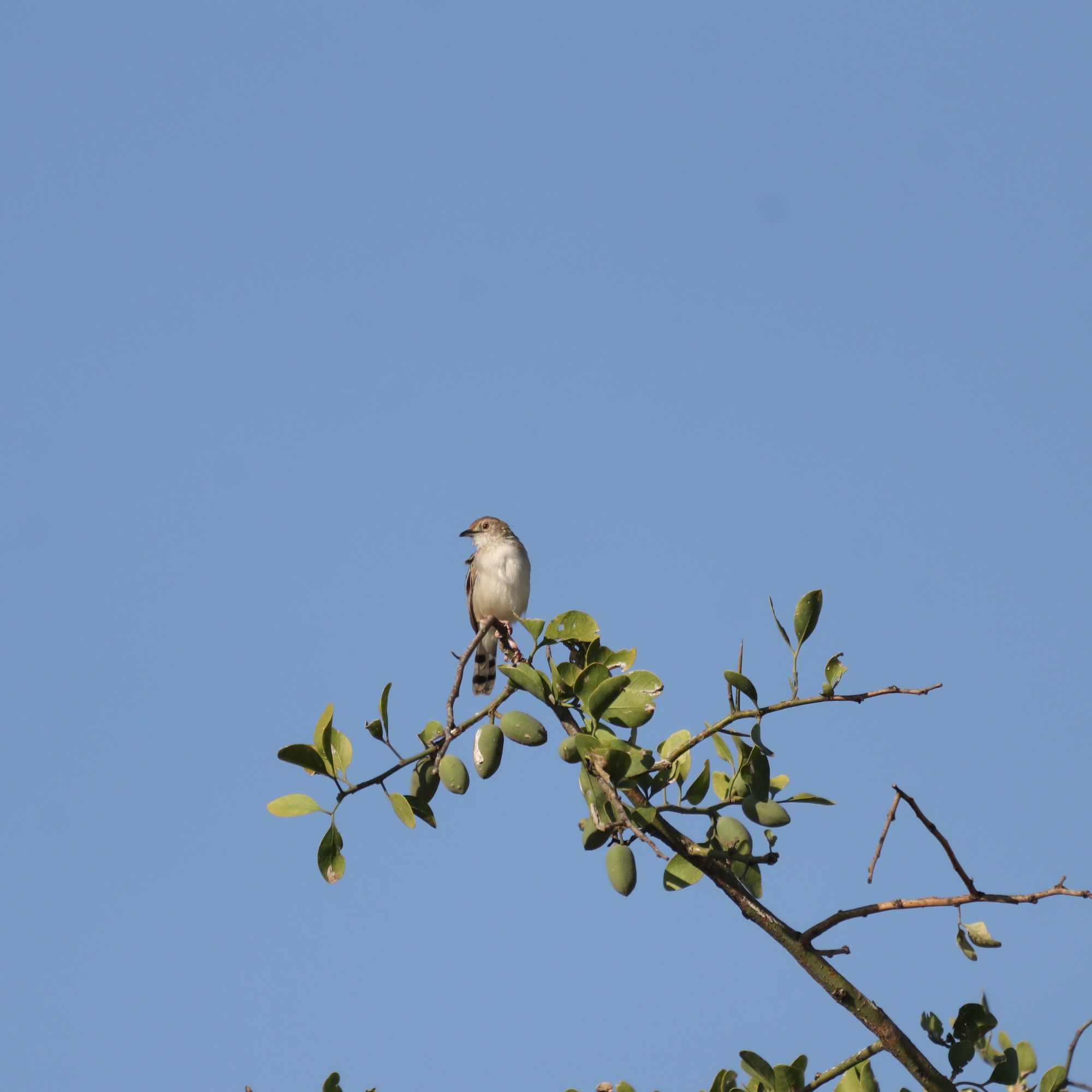
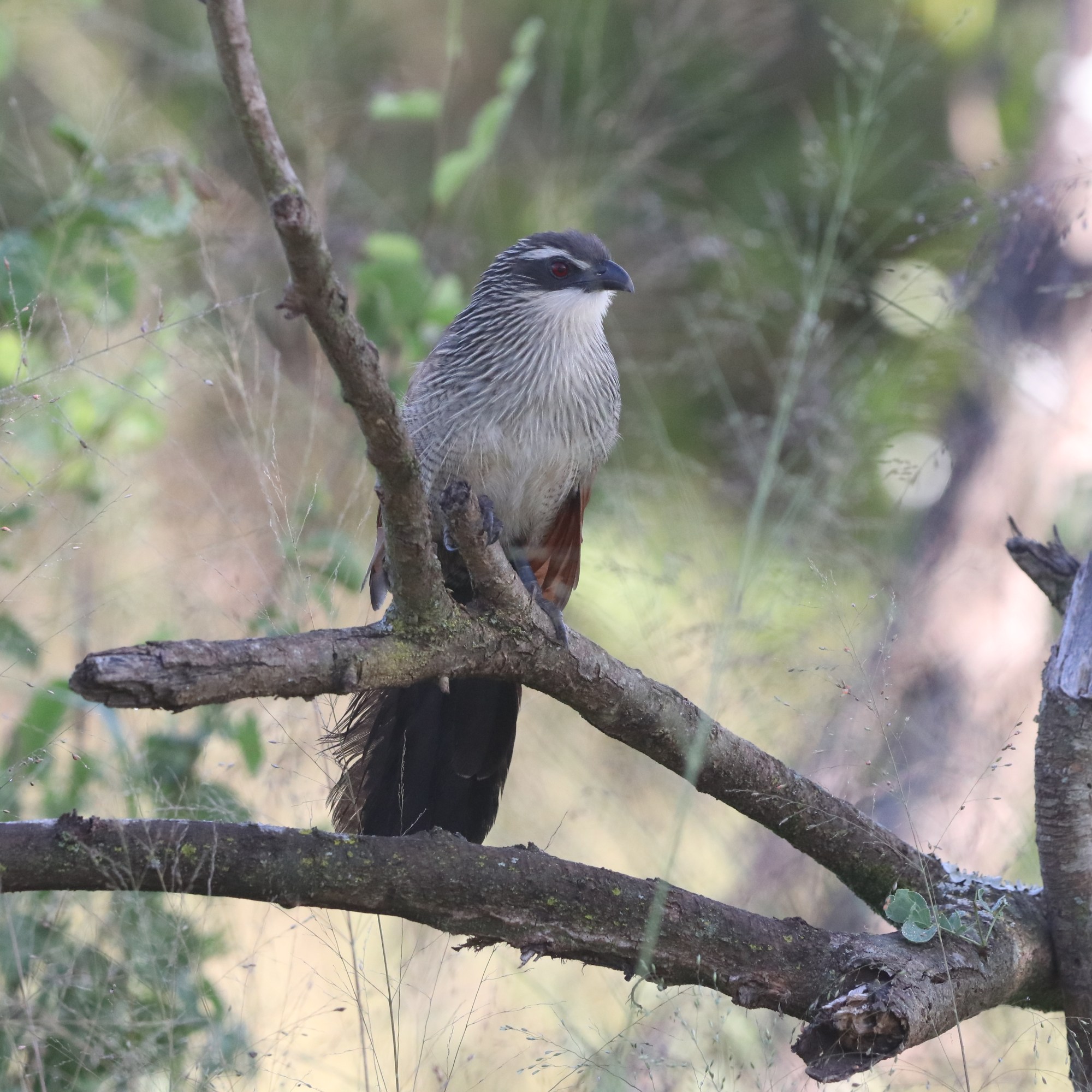
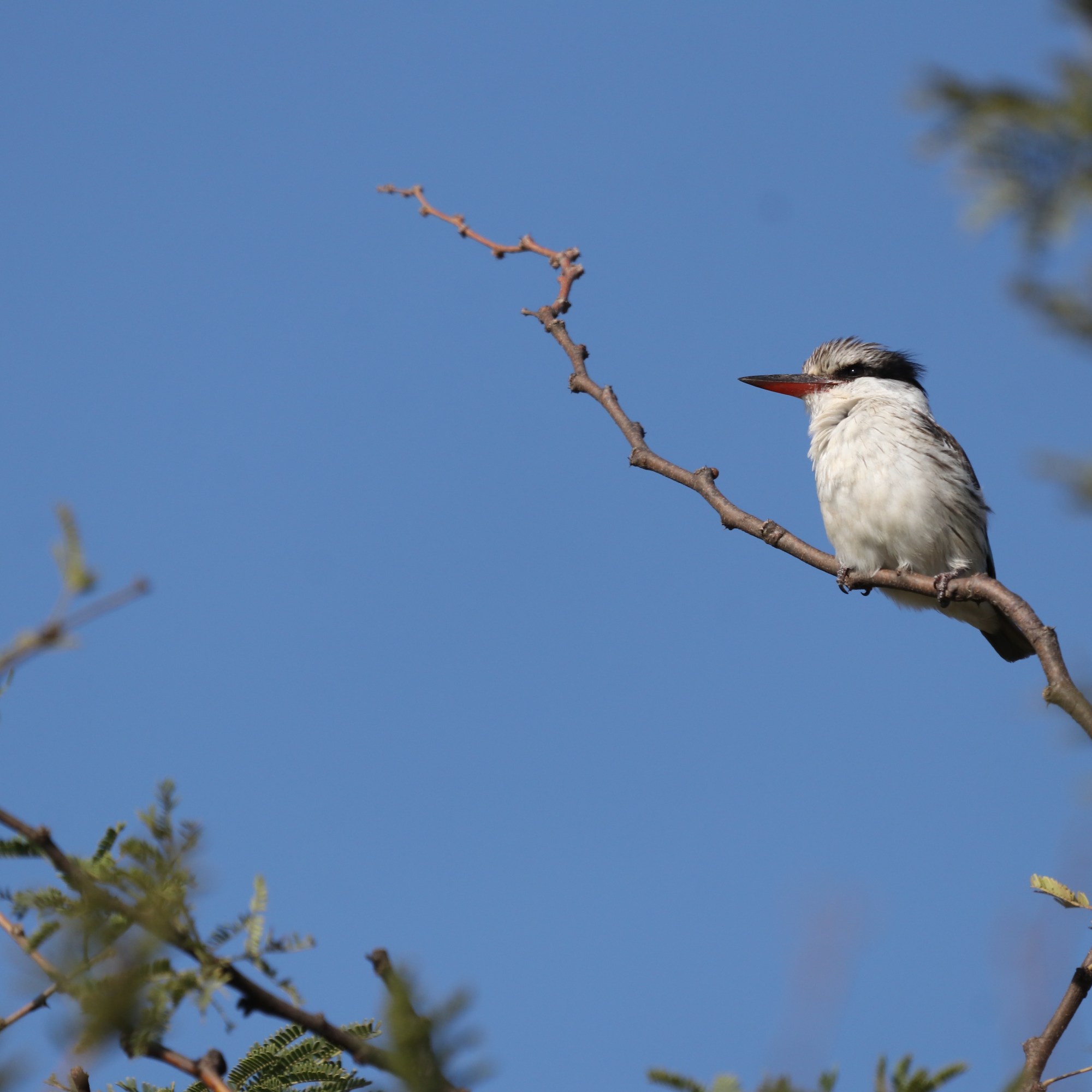




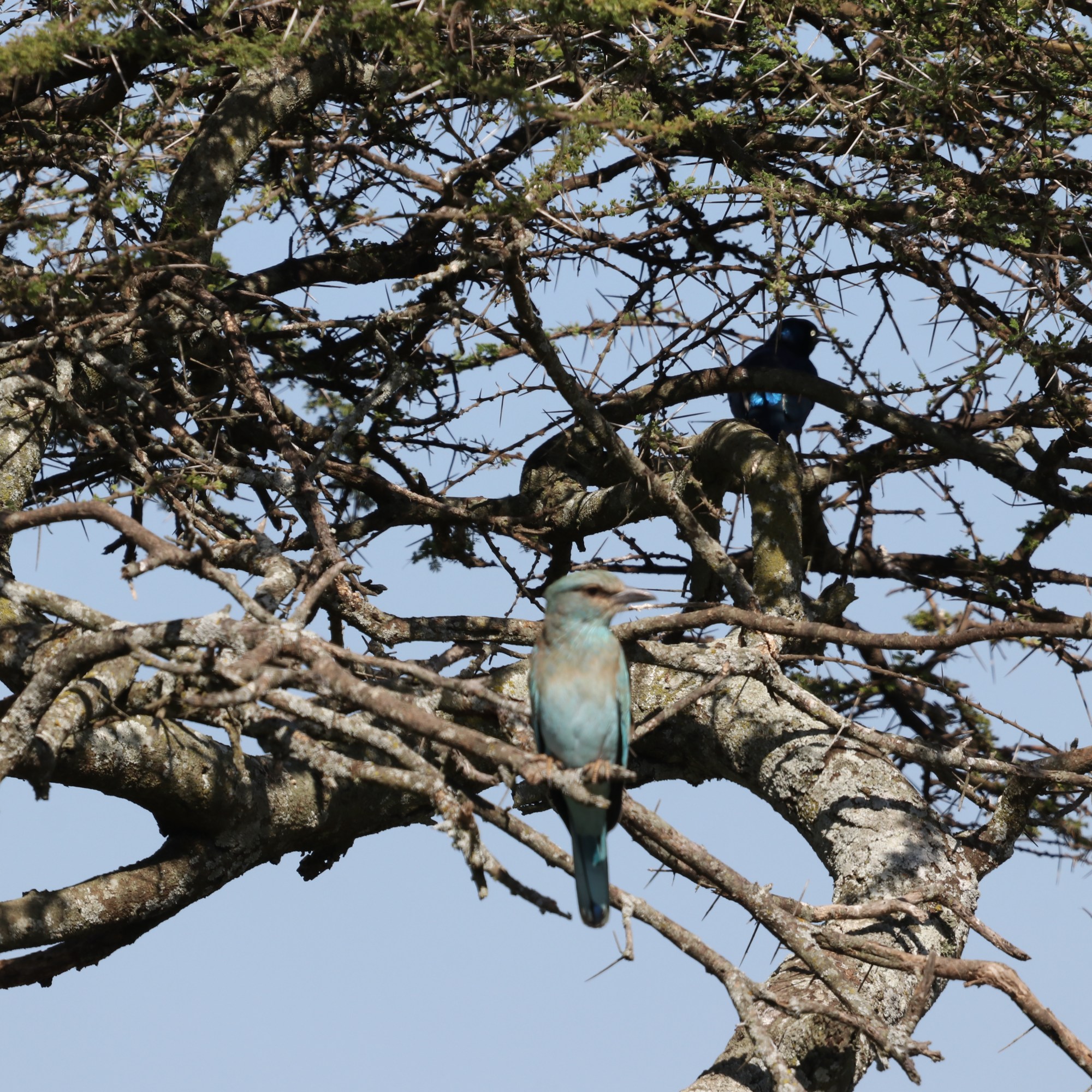
Our morning began with a hearty breakfast and a final exploration of the Central Serengeti. As we head out of the camp we are greeted by a sight of lot of chirpy birds, going about their morning business, some singing on the branches and some posing for us for a great photoshoot.
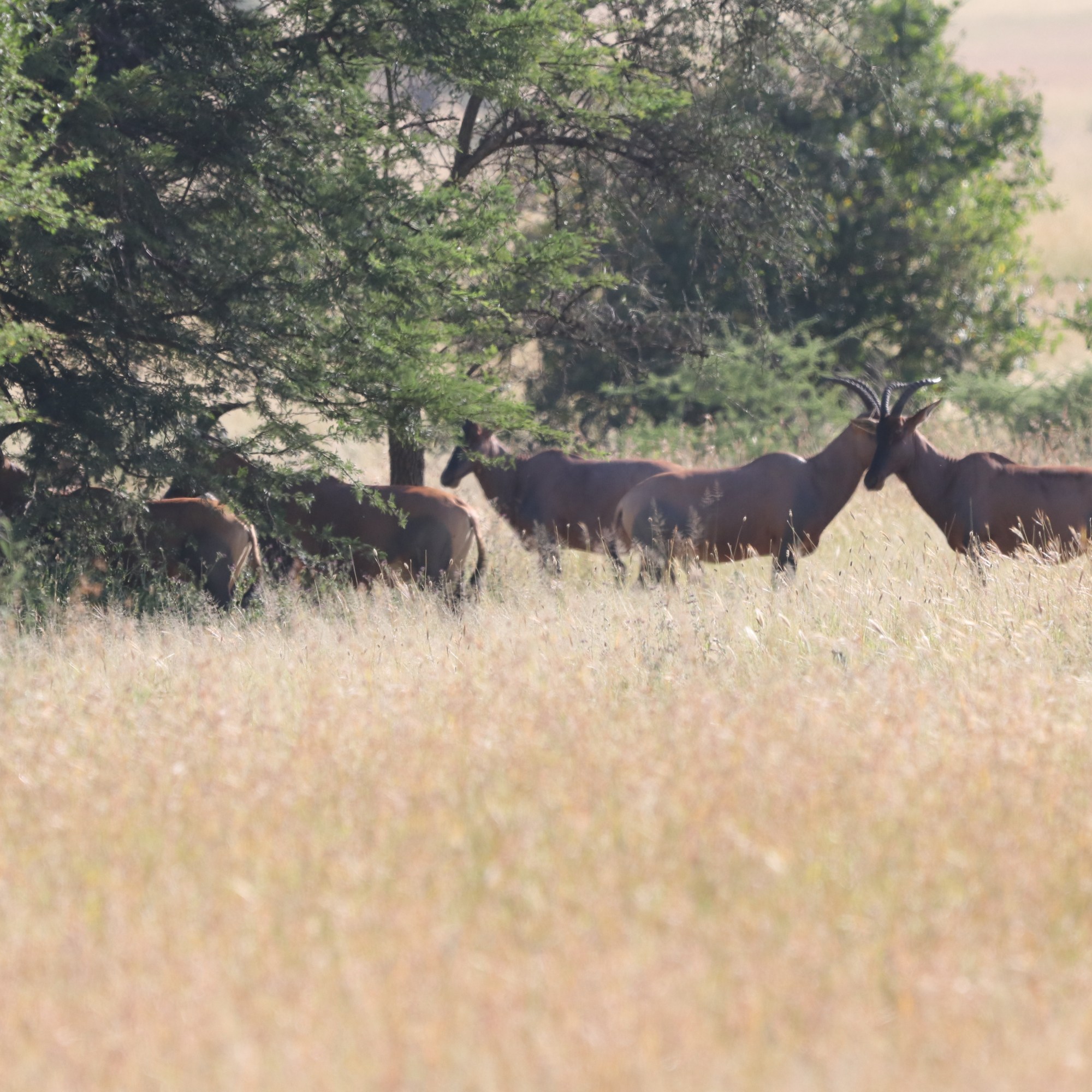
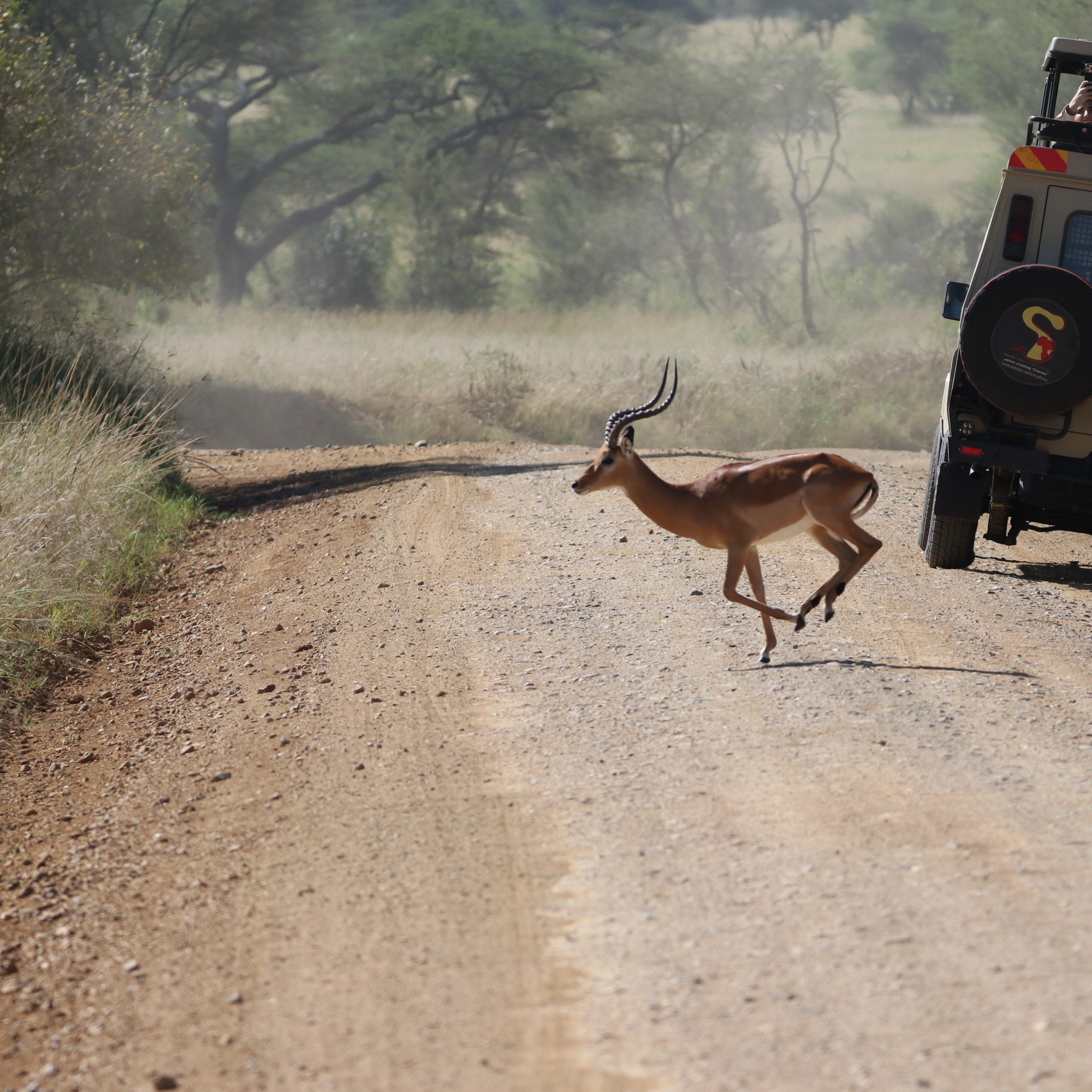
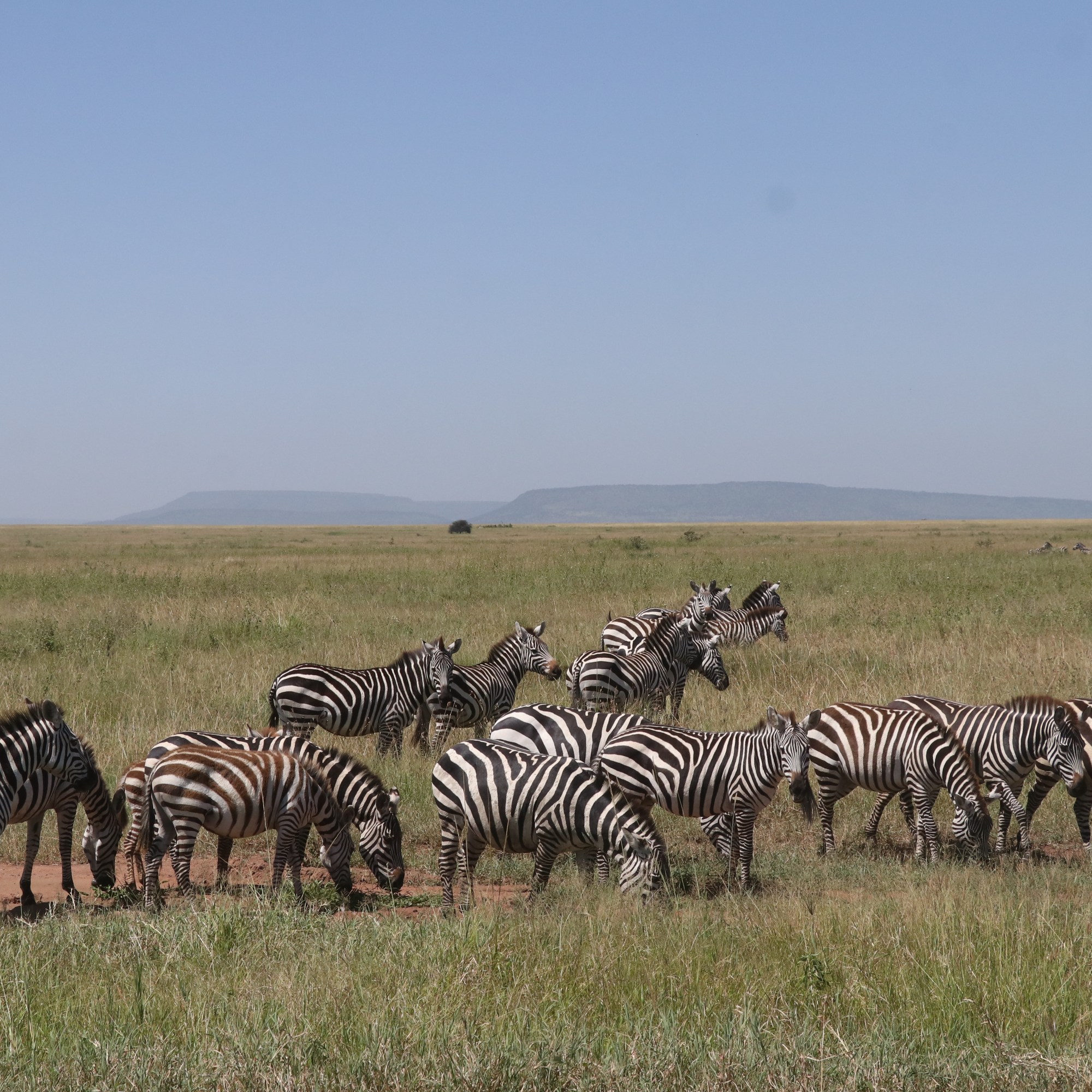
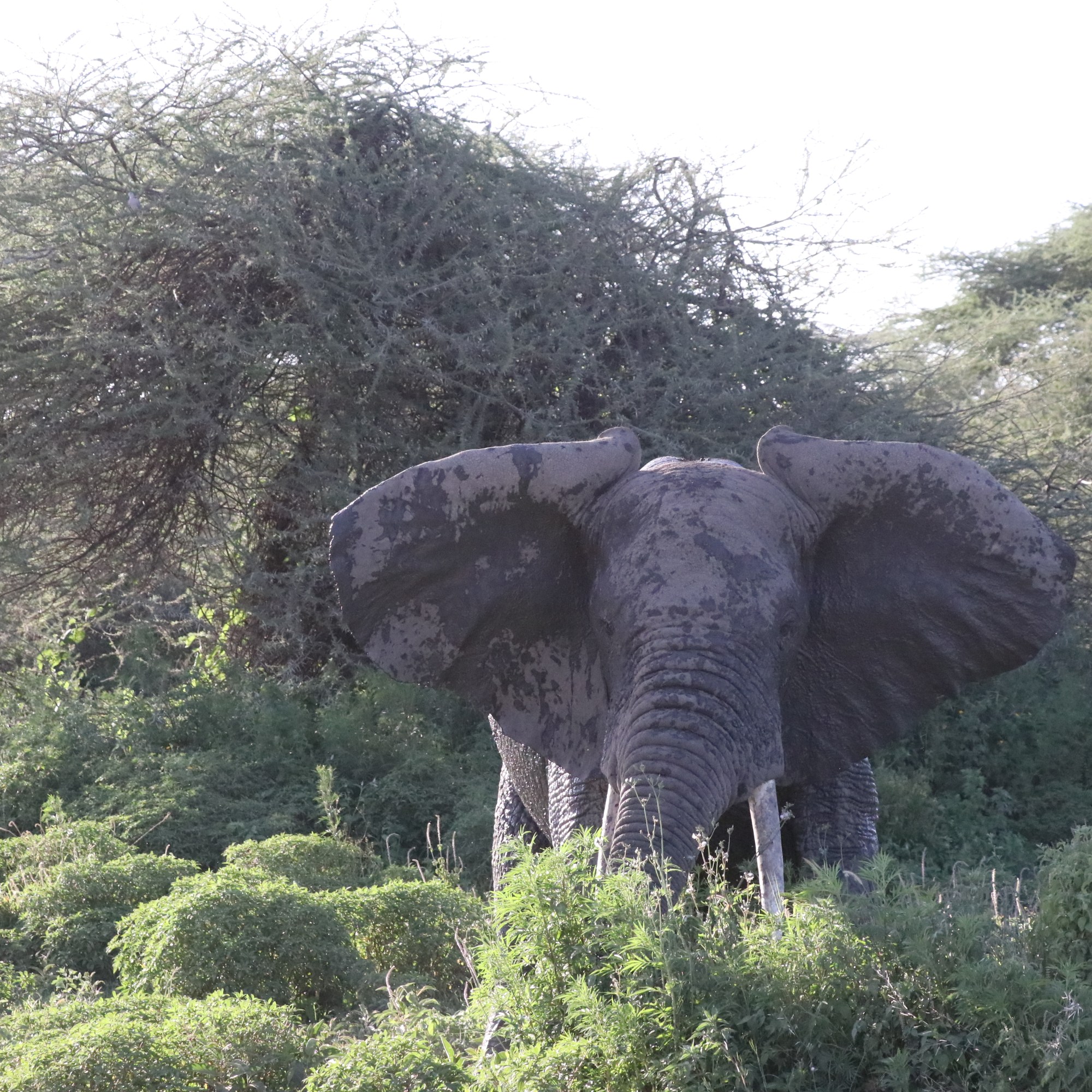
As the sun rises over the endless plains, the wildlife awakens, and Serengeti comes alive. As we moved along, we were blessed with sights of ungulates grazing on the grassy plains. we saw zebras mingling (including another zebra crossing), a lone mighty buffalo on the horizon, herd of elephants with two of them doing a tussle, and various antilopes.
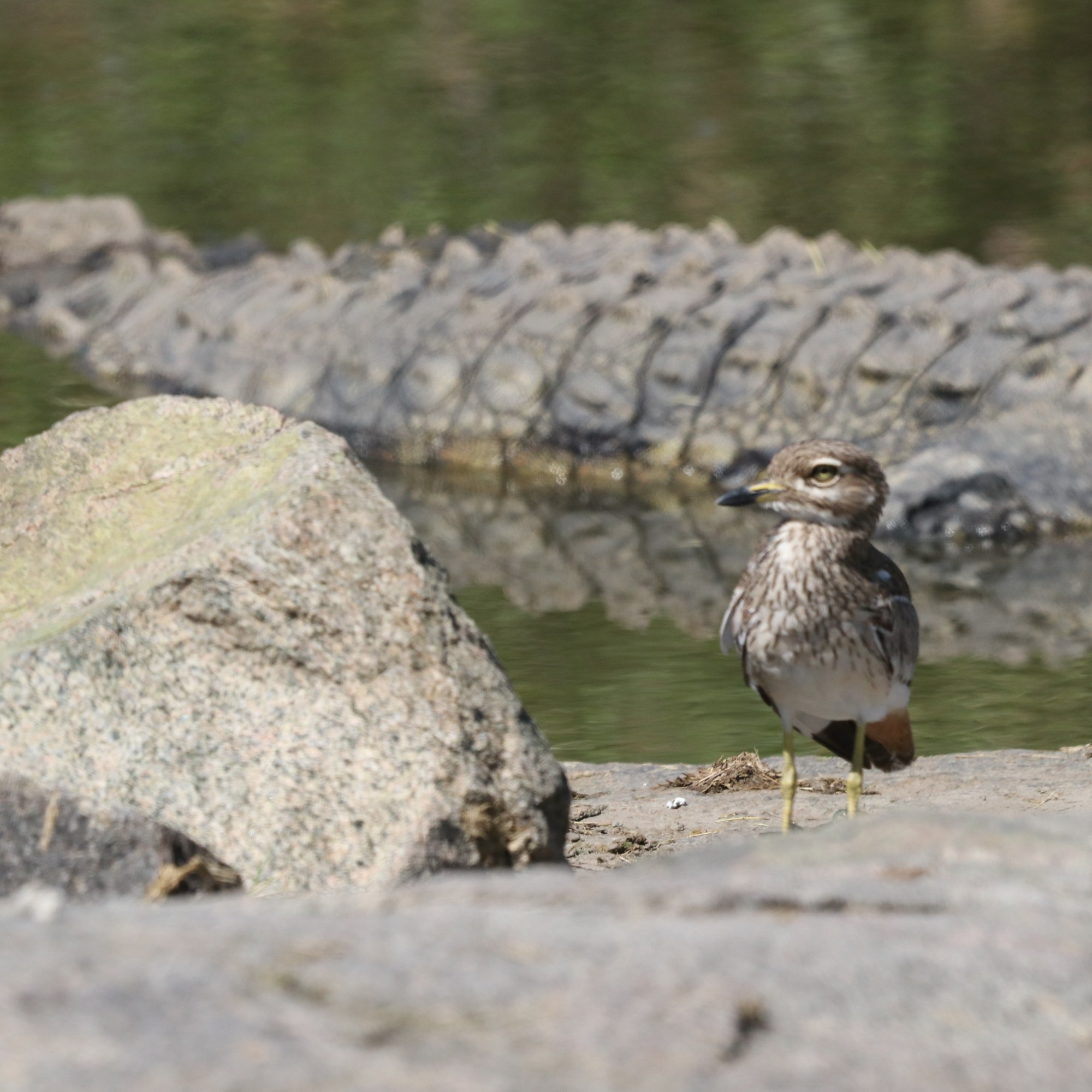
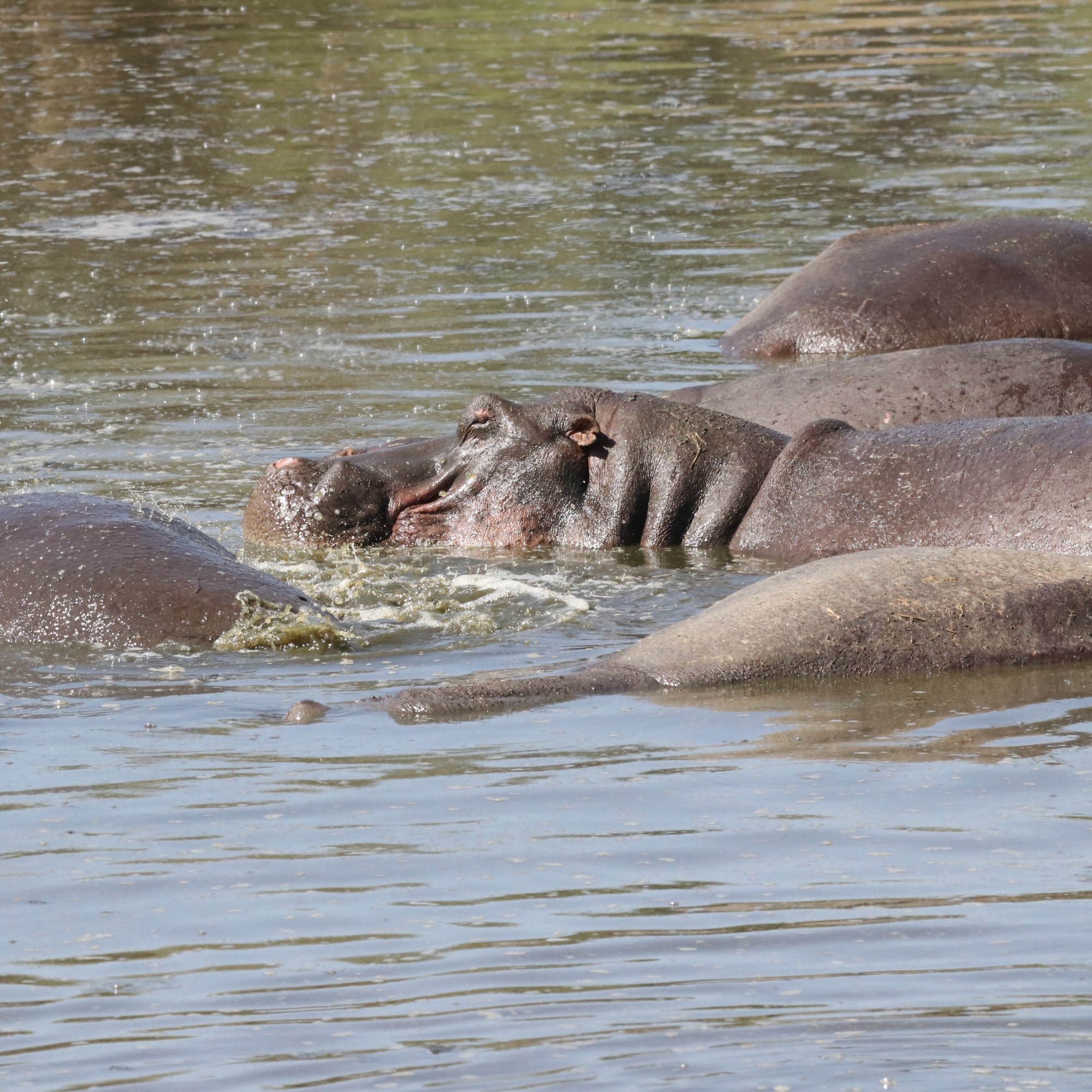
Soon we left the main track and took the west route focusing on the hidden gems of Serengeti. Soon we were greeted by another heard of elephants, a pool of hippos and a massive crocodile. The bird (senegal thick knee) right next to the croc was seemingly at an ease even though se was just about 3 feet from the croc.
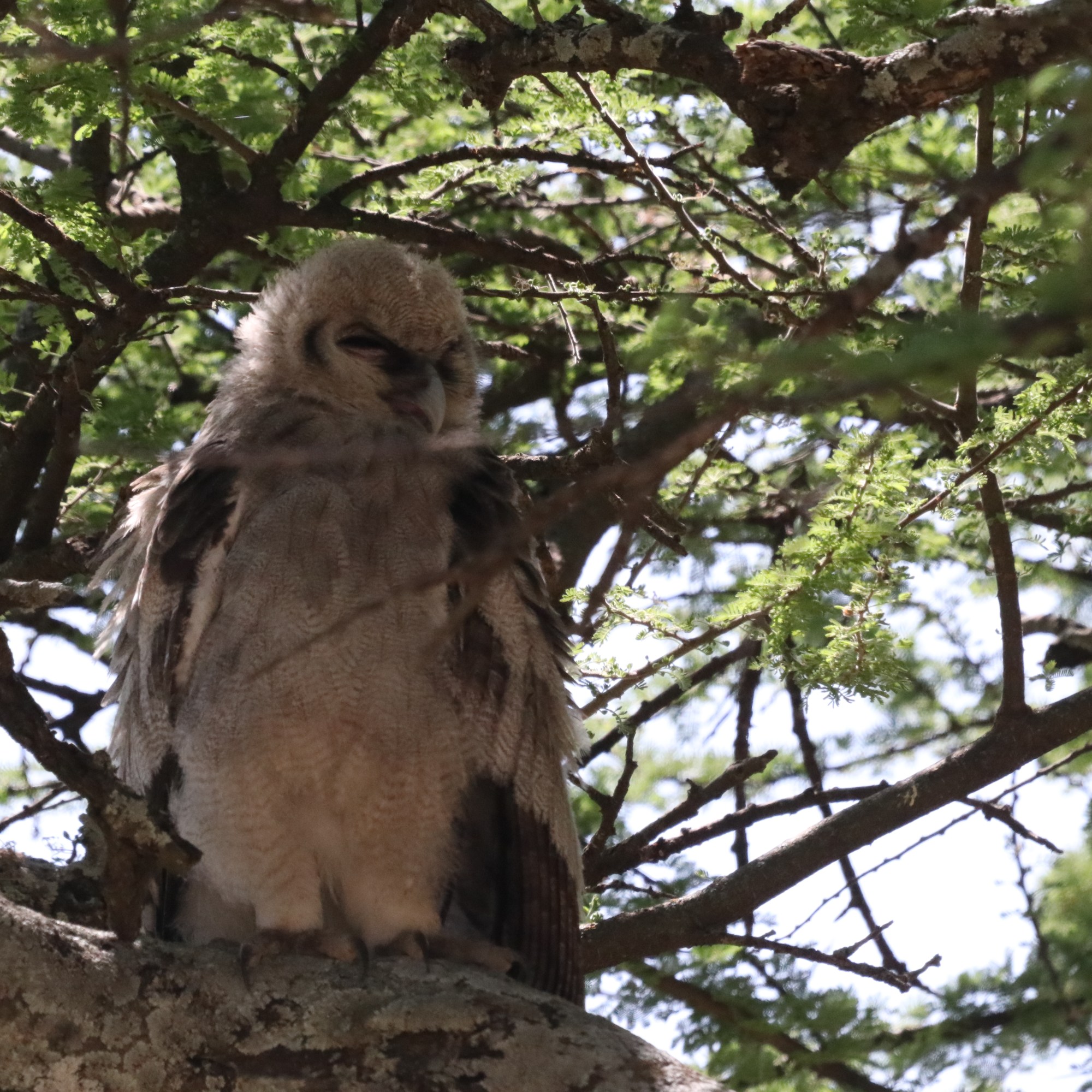
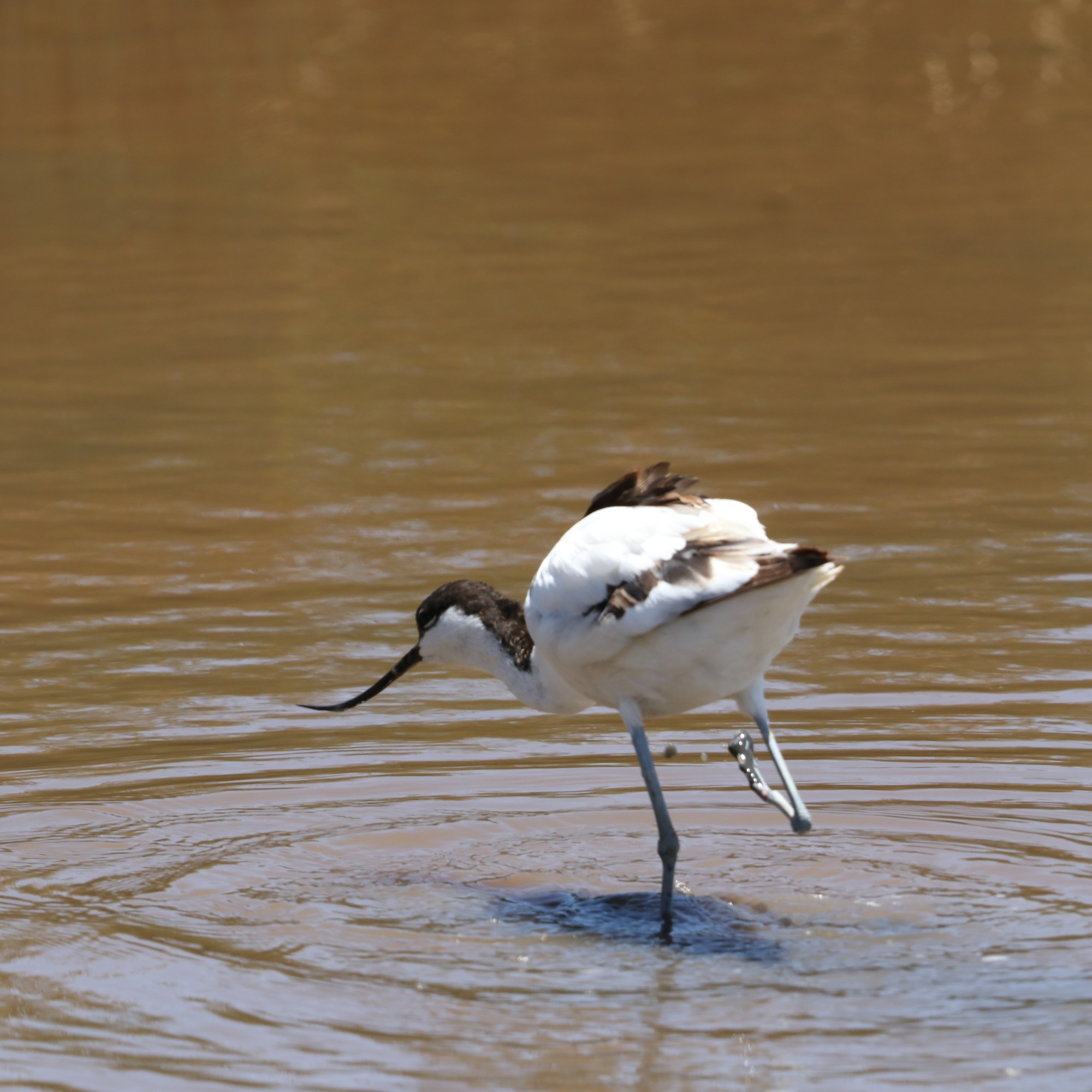
We were fortunate enough to see some of rare birds like the White-browed Coucal, Decken’s Hornbill, Striped Kingfisher, Neddicky, Tawny Eagle, Senegal thick knee and Eurasian Eagle owl.
The endless Serengeti plains stretched far beyond what the eye could see, dotted with ancient kopjes—large rocky outcrops that stood like islands in a golden sea of grass. These towering formations were the domain of lions and leopards, their hidden crevices offering both sanctuary and the perfect vantage point for predators surveying their kingdom. Though we had already been blessed with extraordinary wildlife sightings, a sense of anticipation hung in the air as we made our way toward the famed Masai Kopjes.
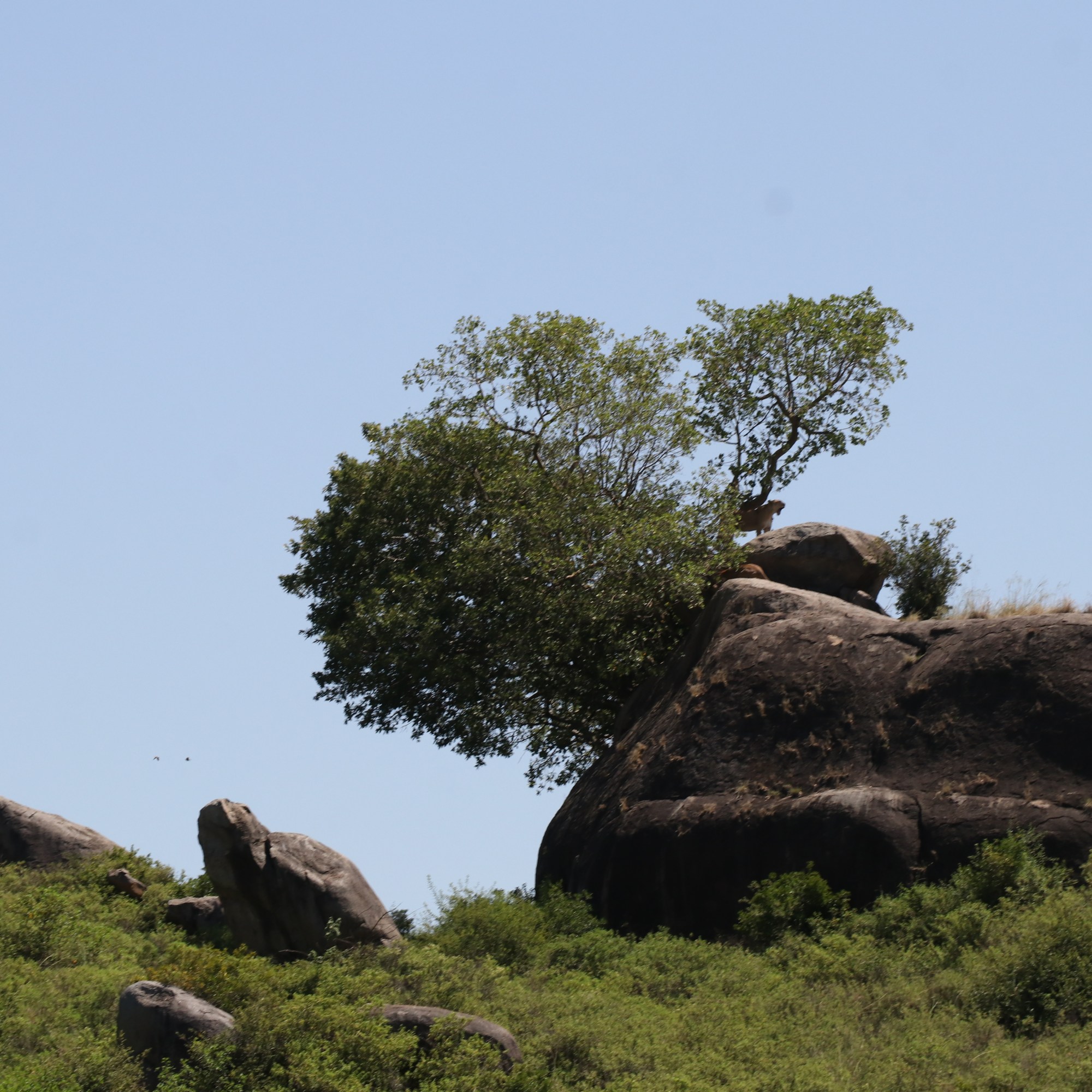
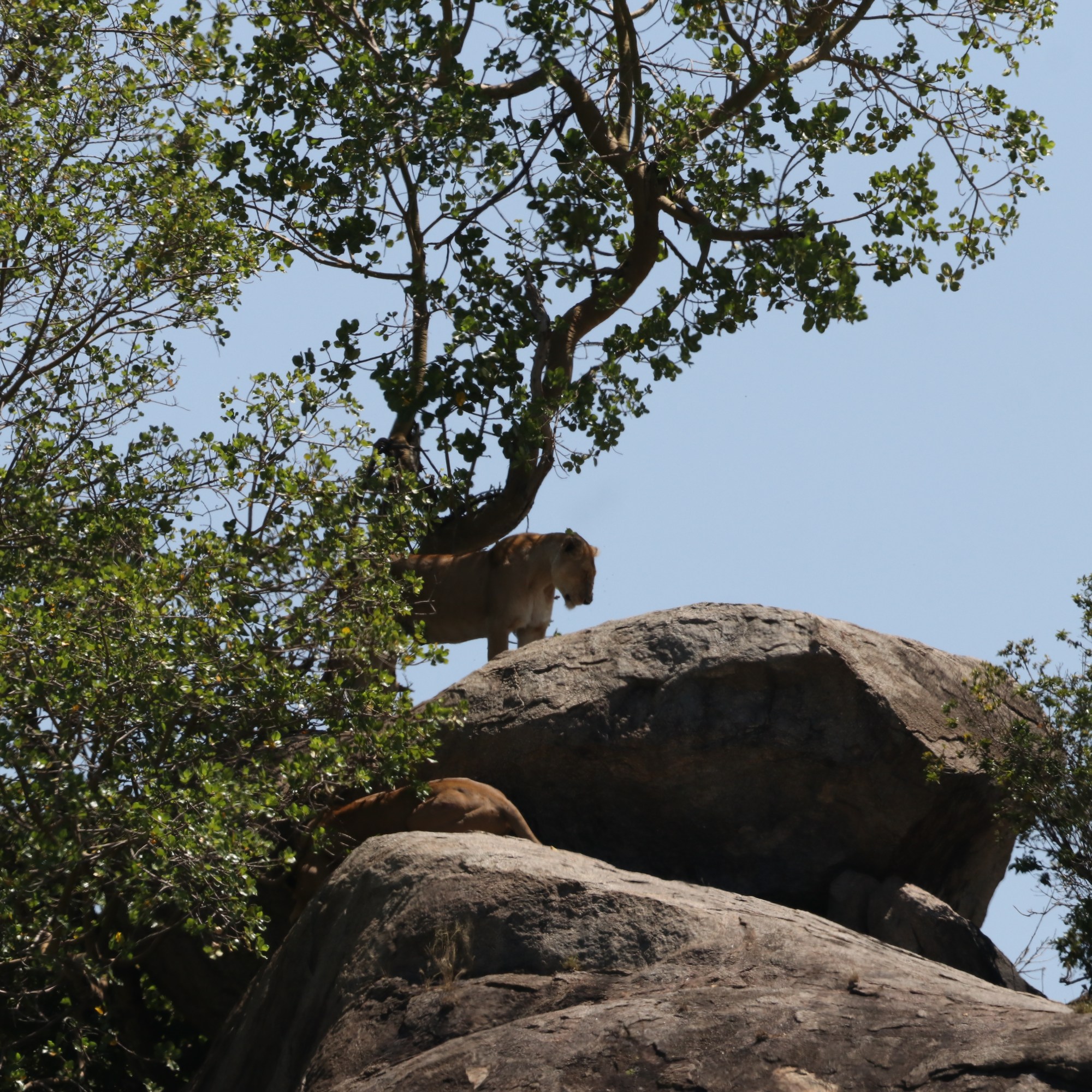
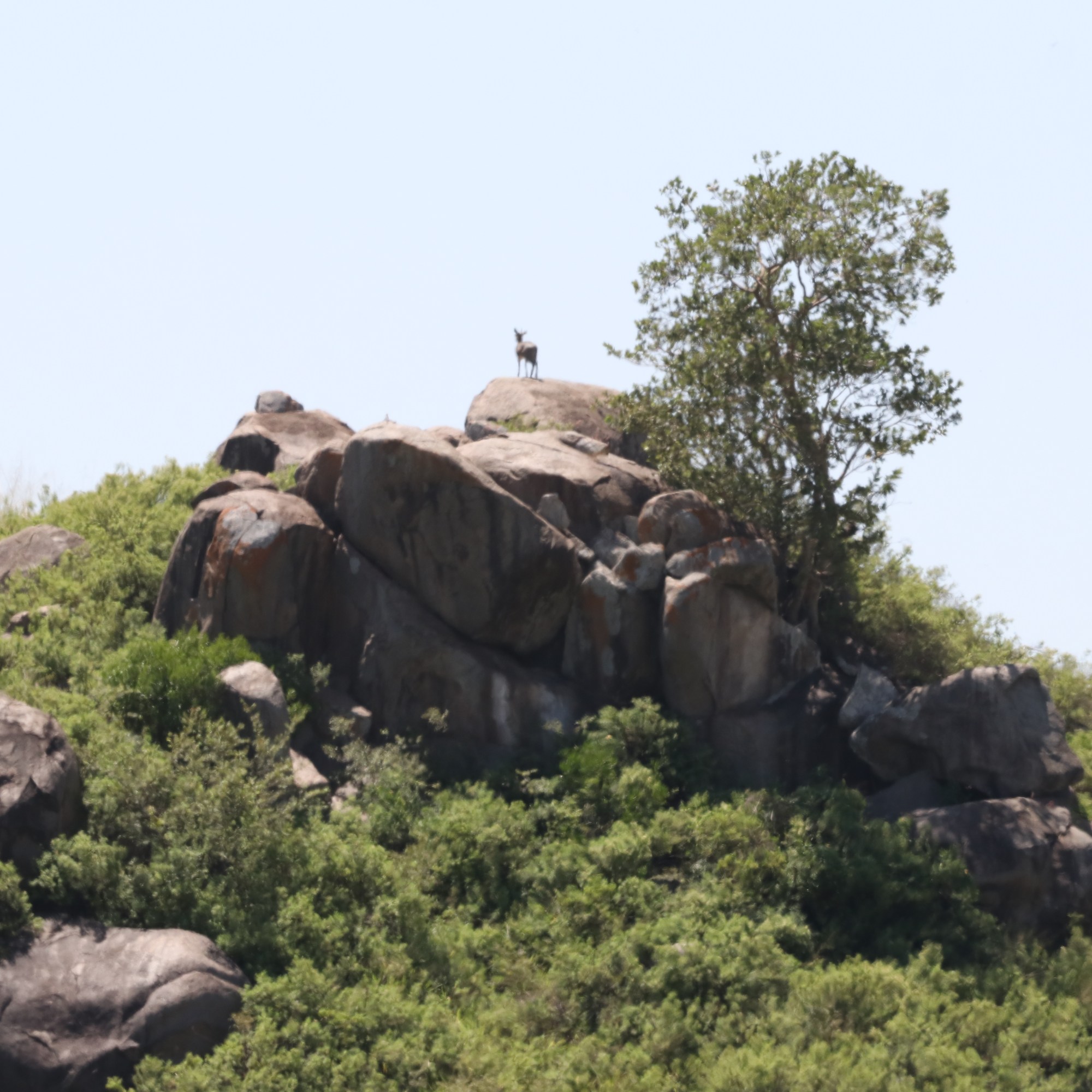
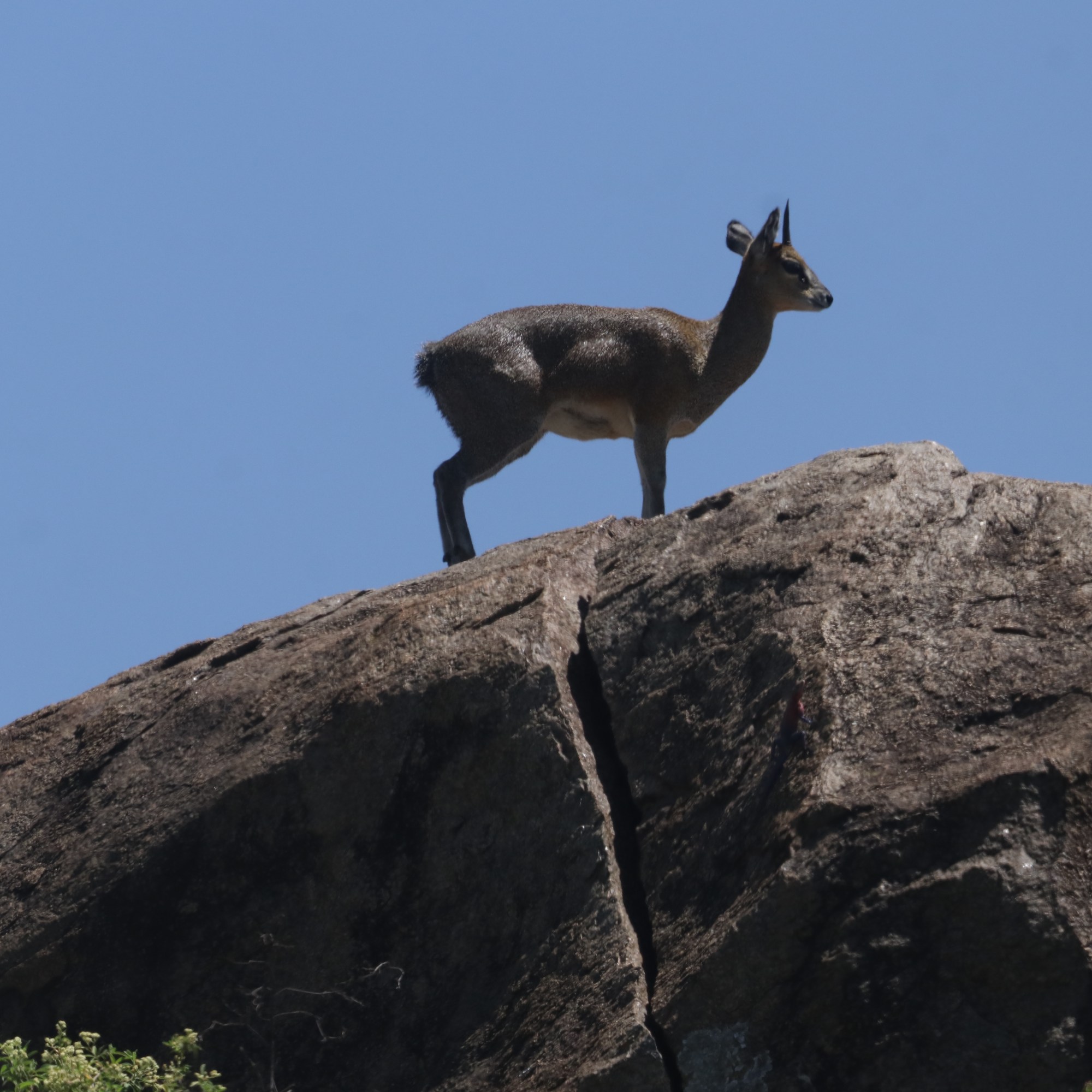
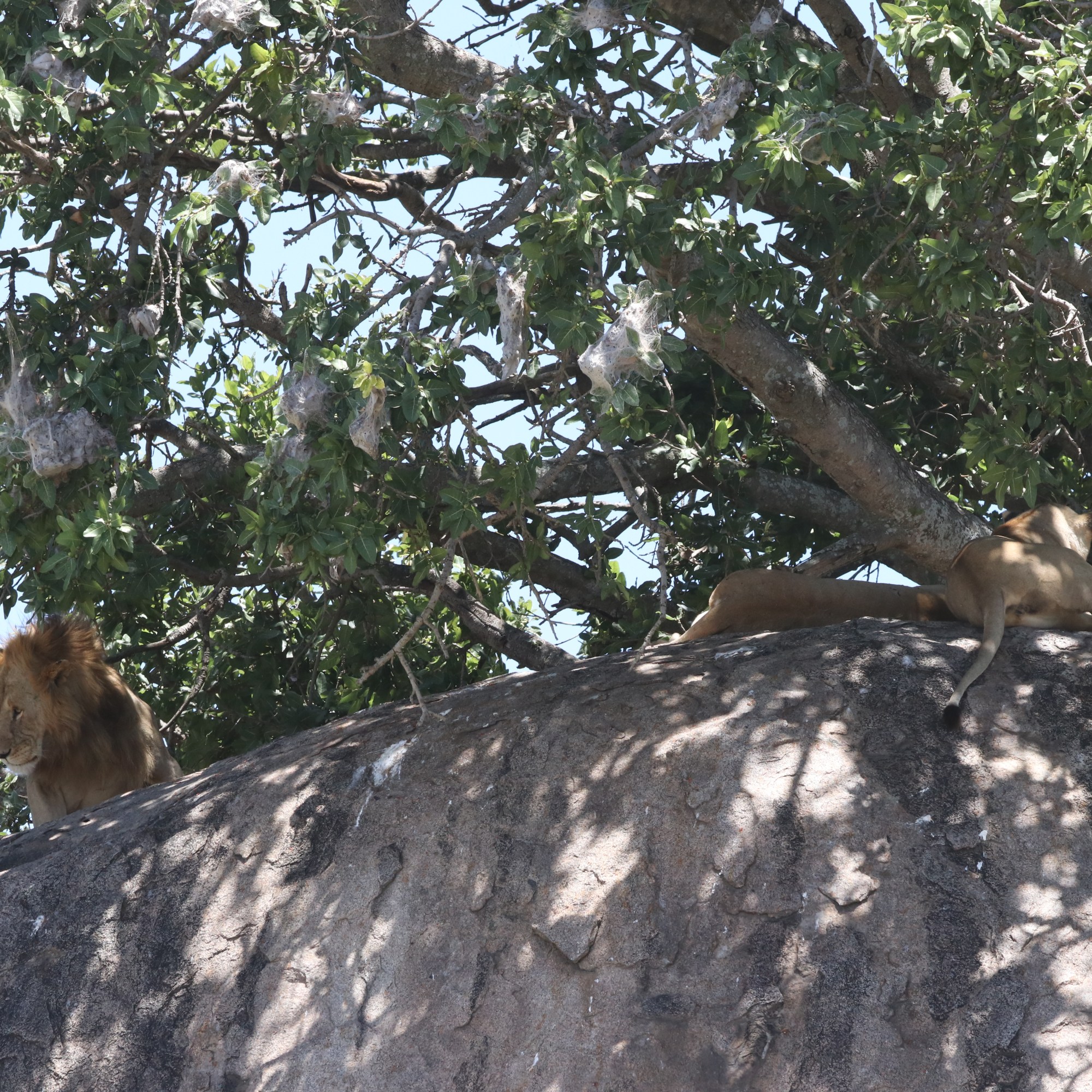
Suddenly, the radio crackled with excitement, and our guide, Kessey, swiftly turned the jeep toward the rocky outcrops. As we neared, the sight of several vehicles, their passengers craning their necks in eager search, only heightened the suspense. Then, Kessey pointed toward the top of one of the largest kopjes. My eyes followed his direction, scanning the rugged landscape until I noticed the slightest movement, a brown patch against the rock. Lifting my camera, the power of my 600mm lens brought the scene into sharp focus: a regal lioness stood proudly atop the kopje, her golden fur glowing under the African sun, while a few other members of her pride lounged in the shade of a nearby tree. The thrill of the moment was intoxicating, and after clicking away at hundreds of frames, my gaze shifted to another resident of the kopjes—a solitary klipspringer deer, poised gracefully atop the rocks like a sentinel of the wild.
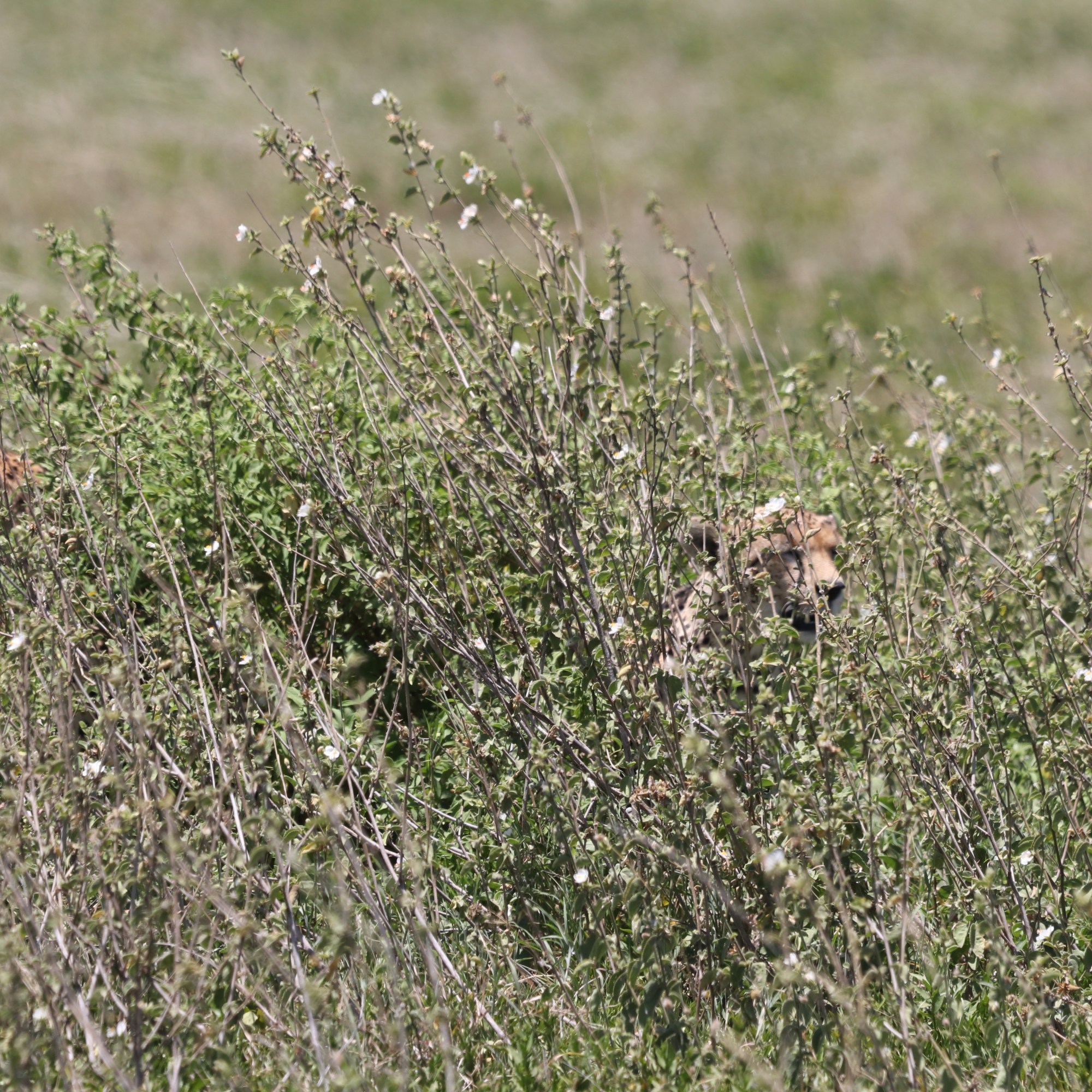
Fortune continued to favor us. Not far from the kopjes, nestled in the tall grass, two cheetah brothers lay hidden, their distinctive tear-marked faces barely visible as they observed the plains with quiet intensity. Seeing these elusive hunters up close for the first time was an awe-inspiring moment, their sleek, spotted coats blending seamlessly into the golden savannah.
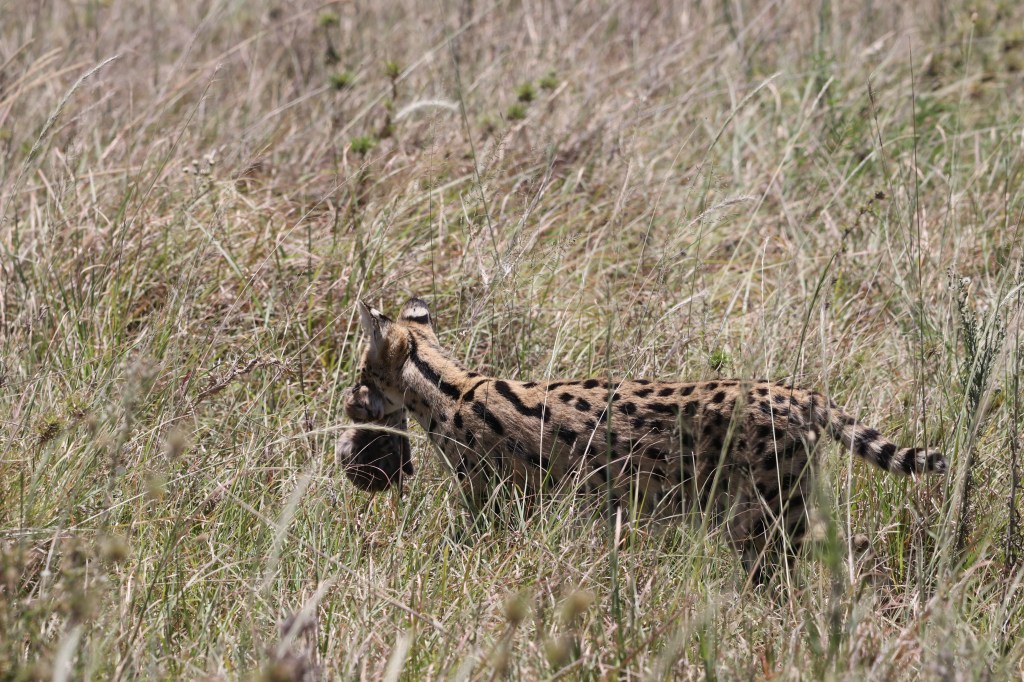
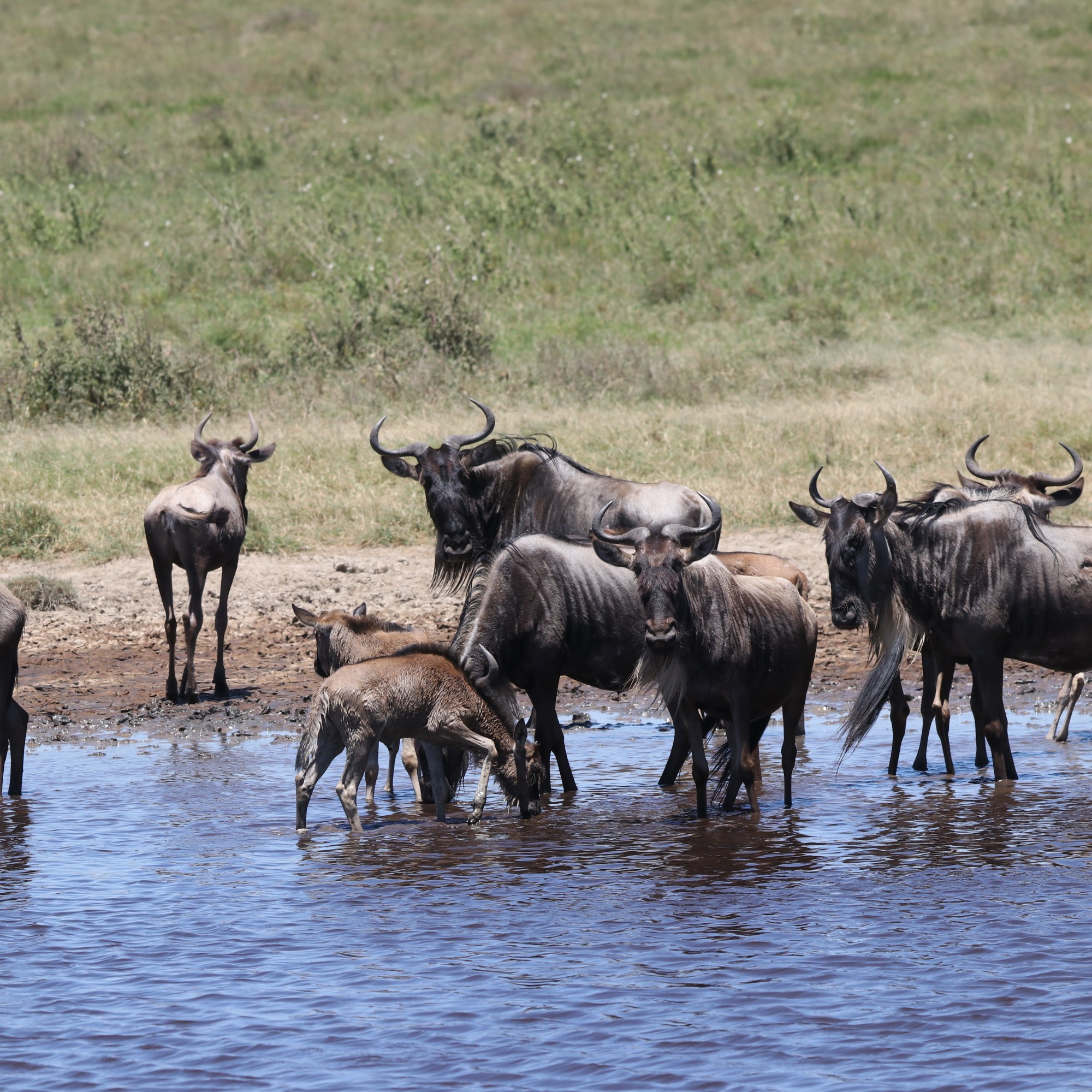
As we pressed on, Serengeti’s life continued to unfold before us in mesmerizing ways. A serval cat darted across the road, carrying its tiny kitten delicately in its jaws, perhaps seeking a safer hiding place for its young. Further along, a herd of wildebeest, their newborn calves wobbling at their mothers’ sides, drank from a pristine, mirror like pond that looked as if it had been painted onto the landscape. The Serengeti was not just alive; it was pulsating with the raw, unfiltered beauty of nature.
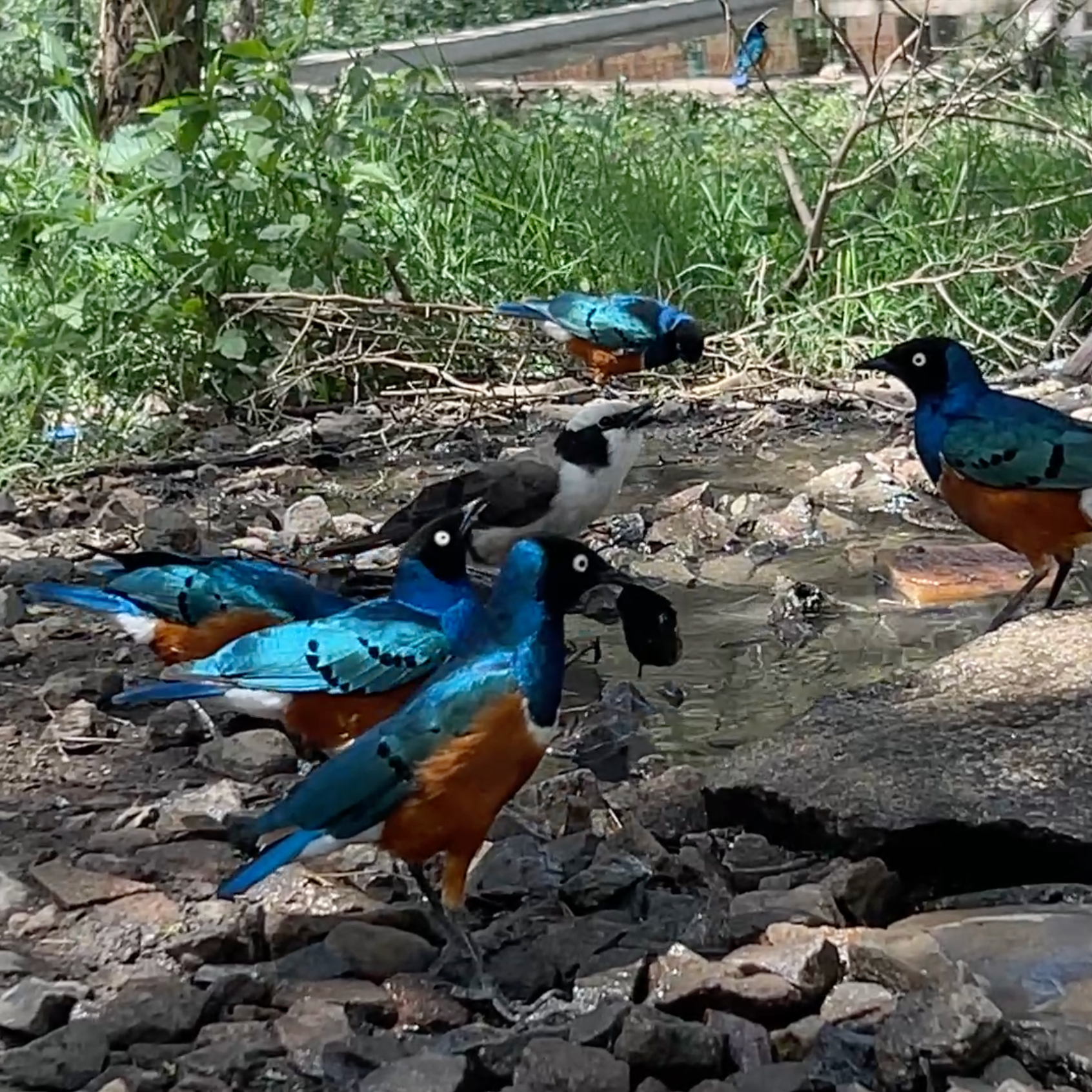
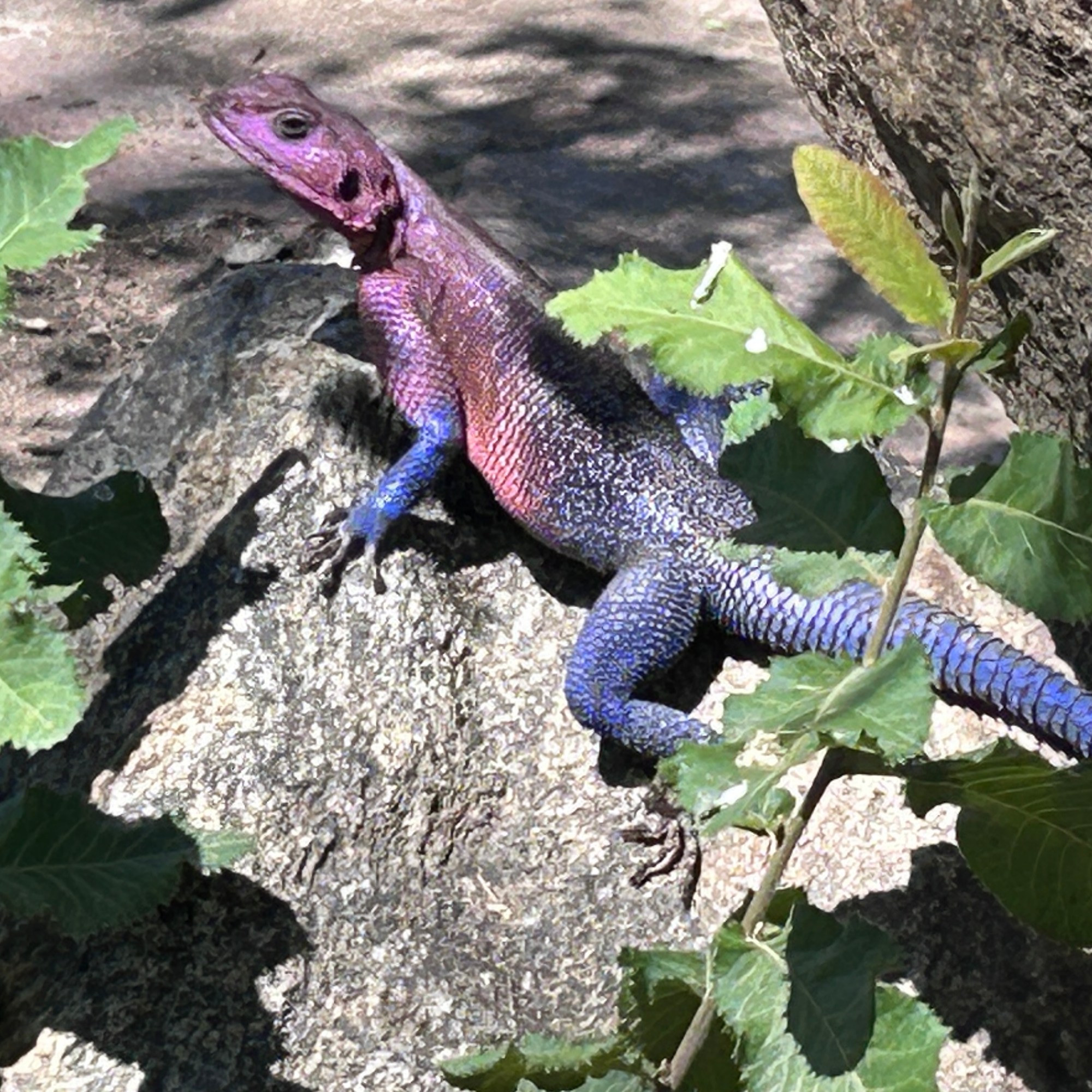
Our permit required us to cross the Serengeti gate by 3 PM, and with the afternoon sun beginning its slow descent, we made our way to Naabi Hill Gate for a quick lunch. There, we were greeted by a burst of color, Superb Starlings, their iridescent blue and orange plumage shimmering in the sunlight, flitted between tables, hoping for stray crumbs. A striking flat-headed agama lizard prowled nearby, its vibrant red and blue scales catching the eyes of excited travelers who eagerly chased it for the perfect shot.
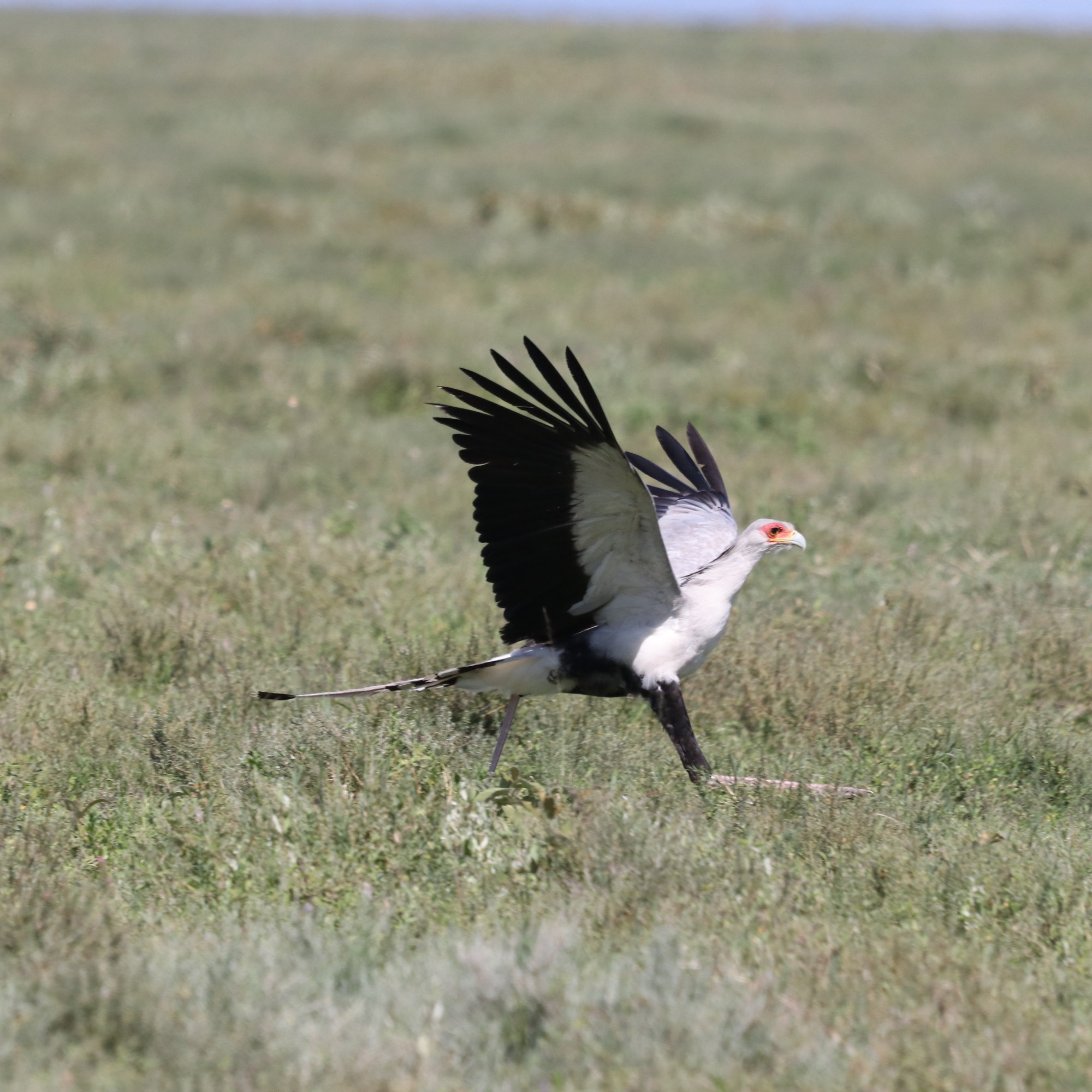
With time ticking, we crossed the gate just in time and set out toward the southern Serengeti, heading into the famed Ndutu region. Along the way, the landscape shifted, the once tall grasses now lay in short, grazed-down patches, evidence of the immense herds that had recently passed through. A few ostriches pecked lazily at the ground, while a lone Secretary Bird strode purposefully through the grass, its sharp gaze scanning for an unfortunate snake to snatch up. Nearby, a Maguari Stork stretched its long neck skyward, adding to the ever growing list of incredible bird sightings.
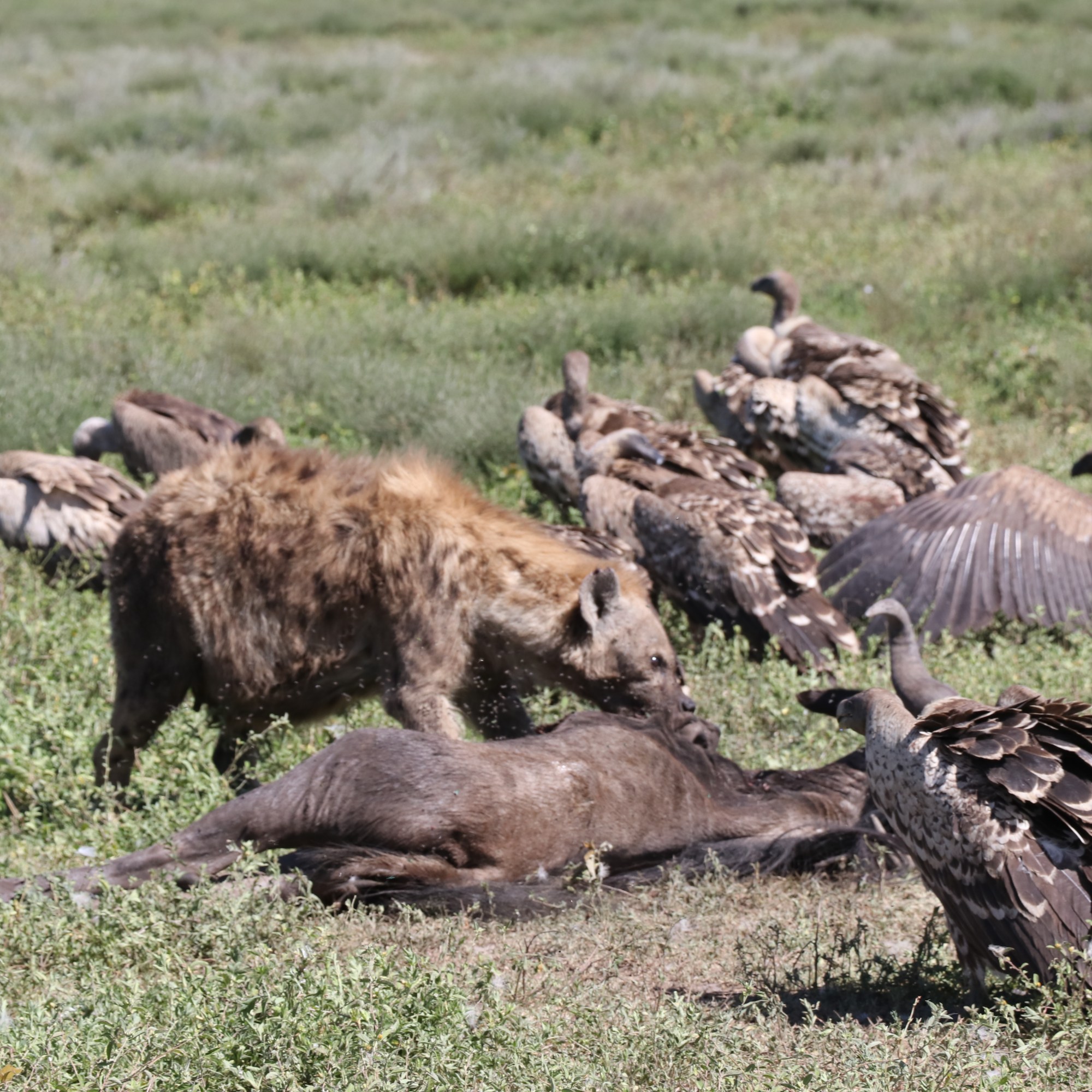
Then, we stumbled upon a raw and primal scene a recent kill. A pack of hyenas tore into the remains, their powerful jaws crunching through bone as vultures and other scavengers waited in their pecking order, biding their time before moving in for scraps.
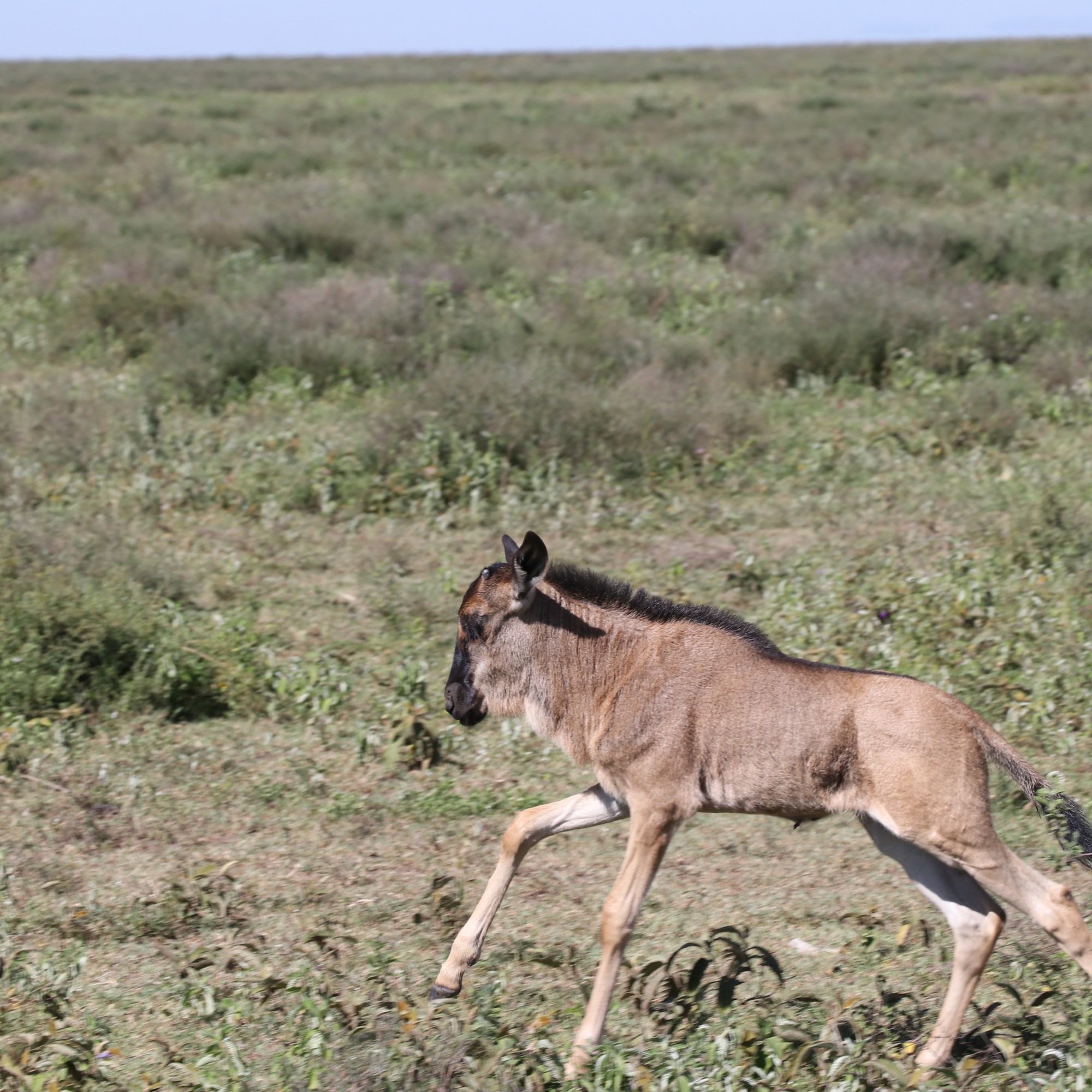
The road ahead held yet another story — a lone wildebeest calf, separated from its herd, hopped uncertainly along the path before stopping beside our jeep, its wide, innocent eyes seeming to ask, “Have you seen my mama?” It was a heartbreaking sight, a reminder of both the beauty and the harsh realities of the wild.
As we continued, we encountered another group of jeeps stopped along a narrow dirt track, their drivers exchanging hushed words. Without hesitation, our guide suddenly accelerated toward the thickets of acacia trees. The excitement in his voice told us something special lay ahead. And there, nestled within the golden grass, was an extraordinary sight, a female cheetah, resting in the shade with her two tiny cubs, no more than two months old. Just fifteen feet away from our vehicle, we watched in hushed reverence as the mother gazed protectively at her playful little ones, the afternoon light illuminating the delicate spots on their fluffy coats.




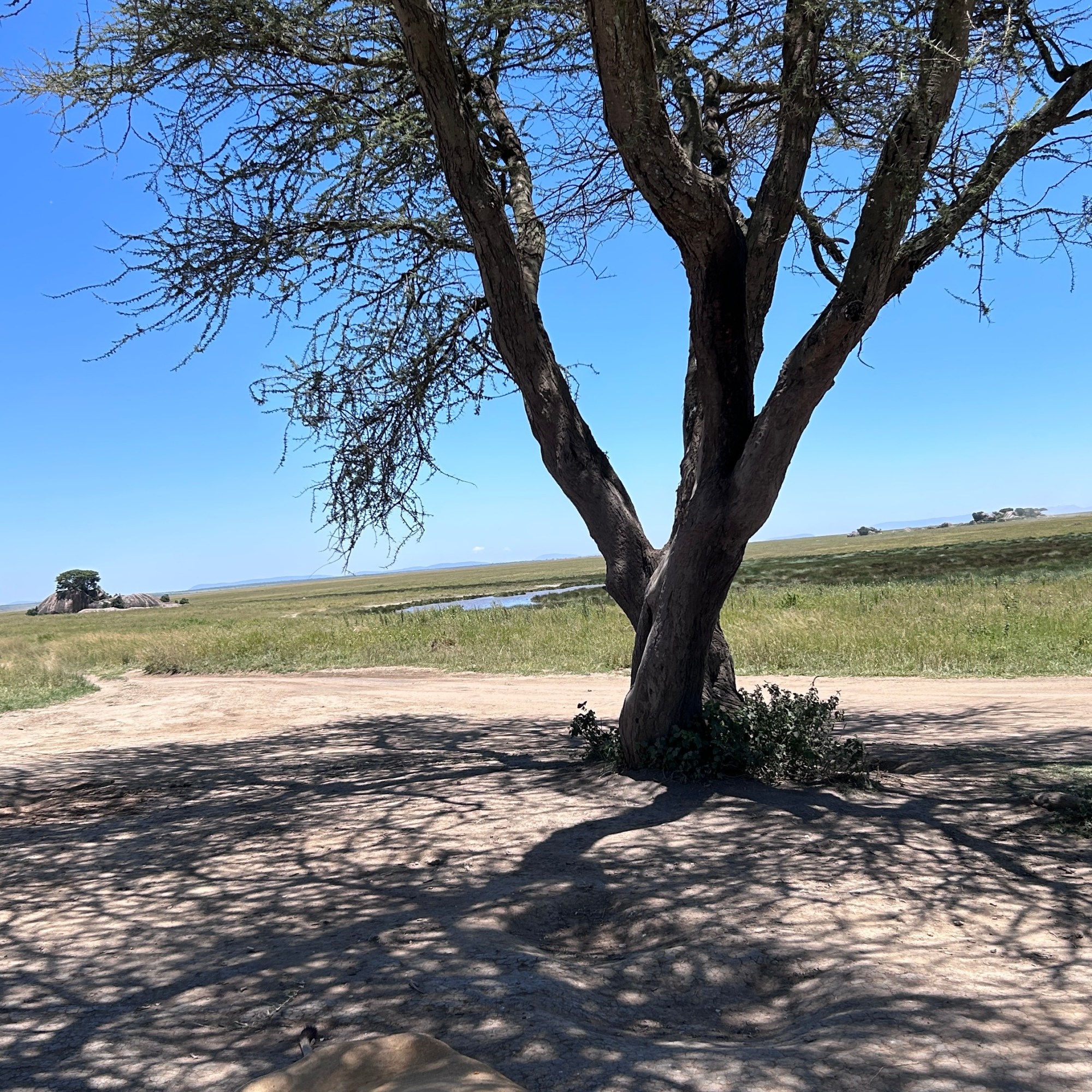







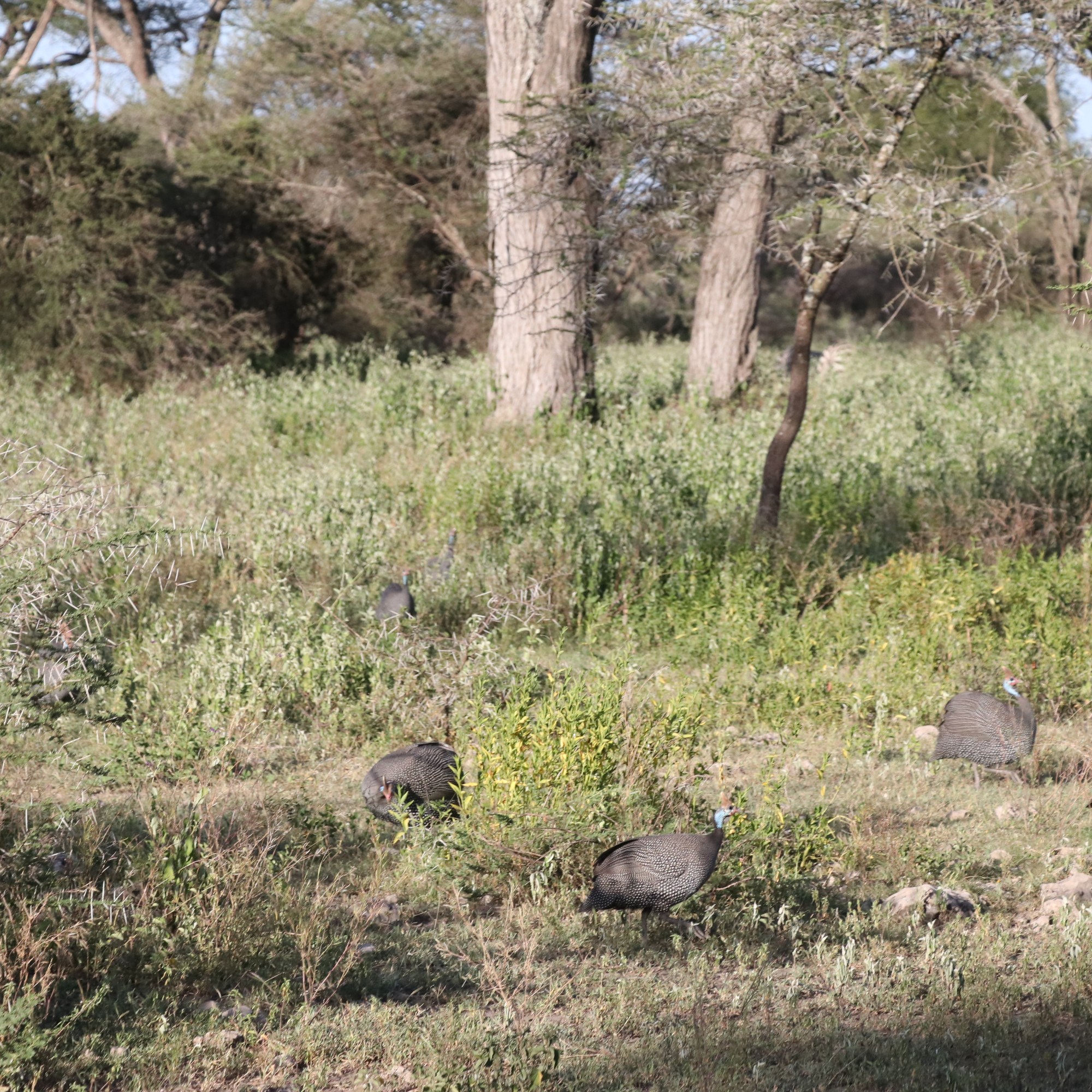
After a scenic drive southward, we arrived at the breathtaking Ndutu region, a hidden gem nestled between the Serengeti and the Ngorongoro Conservation Area. Unlike the more traveled paths of the central plains, Ndutu felt untouched—its golden grasslands stretching far and wide, interrupted only by the occasional acacia tree and the shimmering lakes. There was a sense of tranquility here, yet beneath the calm lay the untamed pulse of the wild.
Ndutu is particularly famous for the Great Migration’s calving season, a time when thousands of wildebeest give birth, filling the plains with wobbly-legged newborns taking their first steps in a world full of dangers. But where there is new life, there are also predators. Lions, cheetahs, hyenas, and even leopards roam these plains in search of easy prey, creating an intense battle between survival and the hunt.
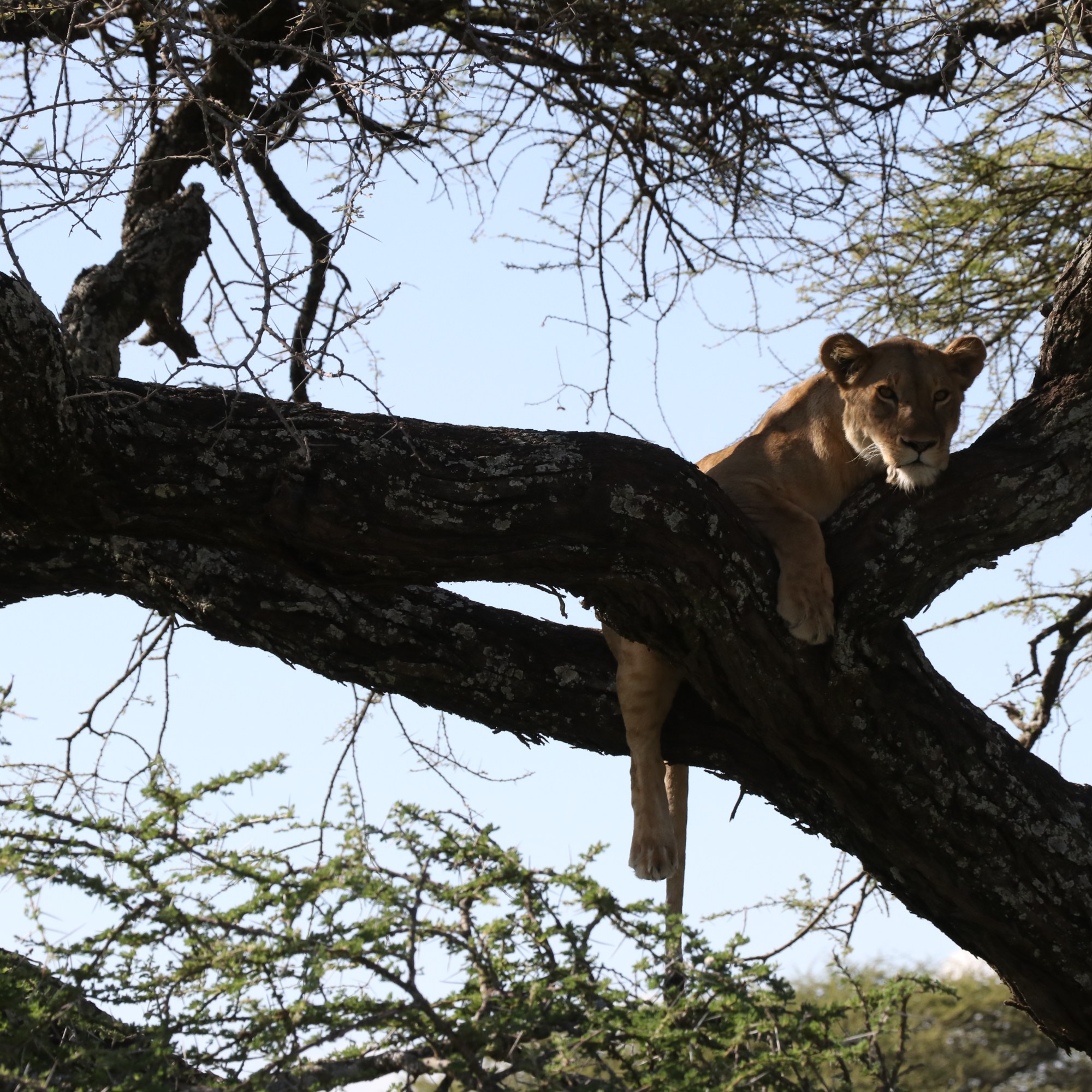
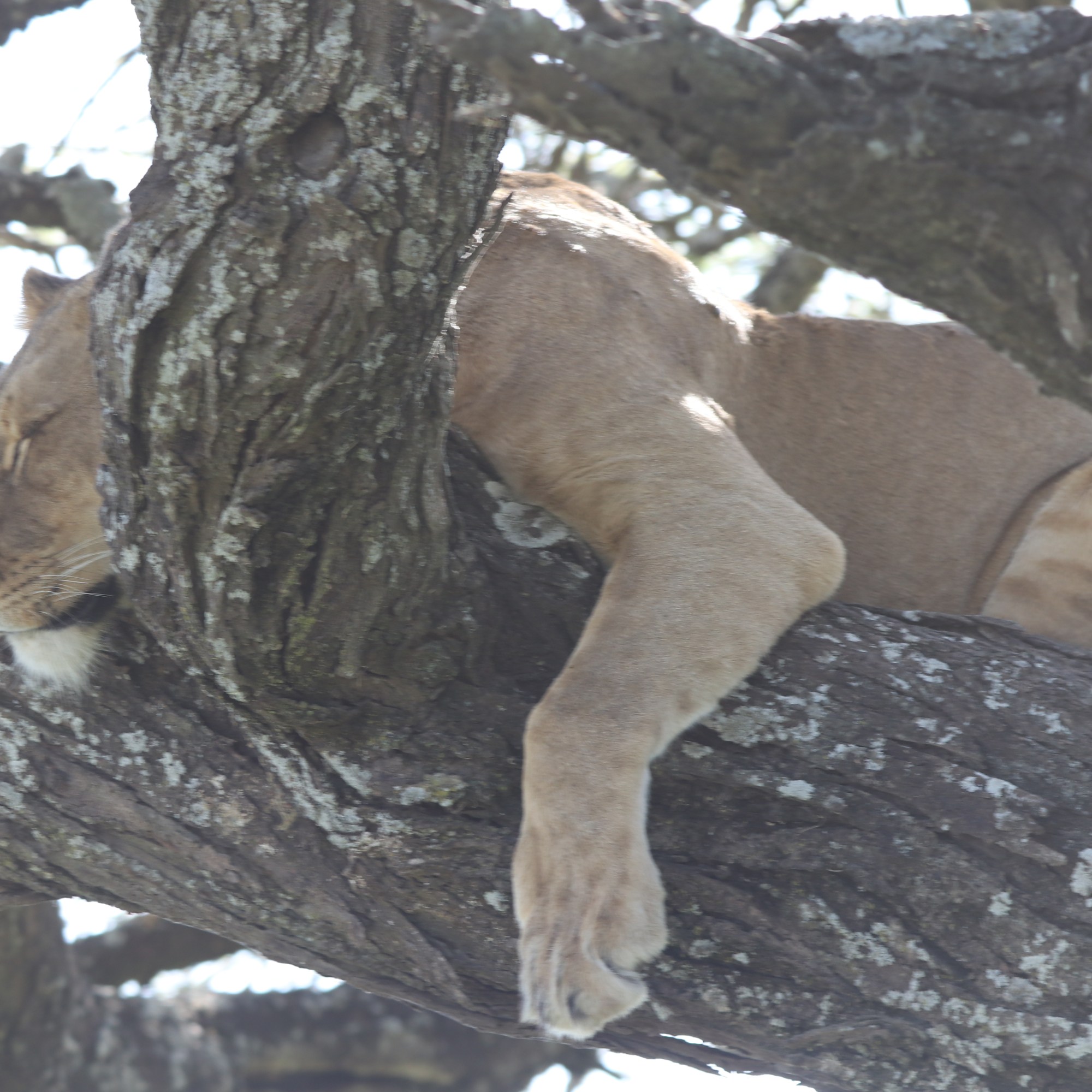
We had heard tales of Ndutu’s legendary tree-climbing lions, a rare phenomenon in this part of Africa. While lions are usually seen lounging on the ground, some here have developed the peculiar habit of perching high on branches, almost as if using the trees as hammocks. And as luck would have it, we found one! A lone lioness draped herself effortlessly across the limbs of an acacia, her golden fur blending with the warm hues of the bark. She lay there, her tail lazily swaying as she observed the world below with an air of regal indifference. We spent a long time watching her, mesmerized, taking what must have been a million pictures and videos—a moment too precious to rush.
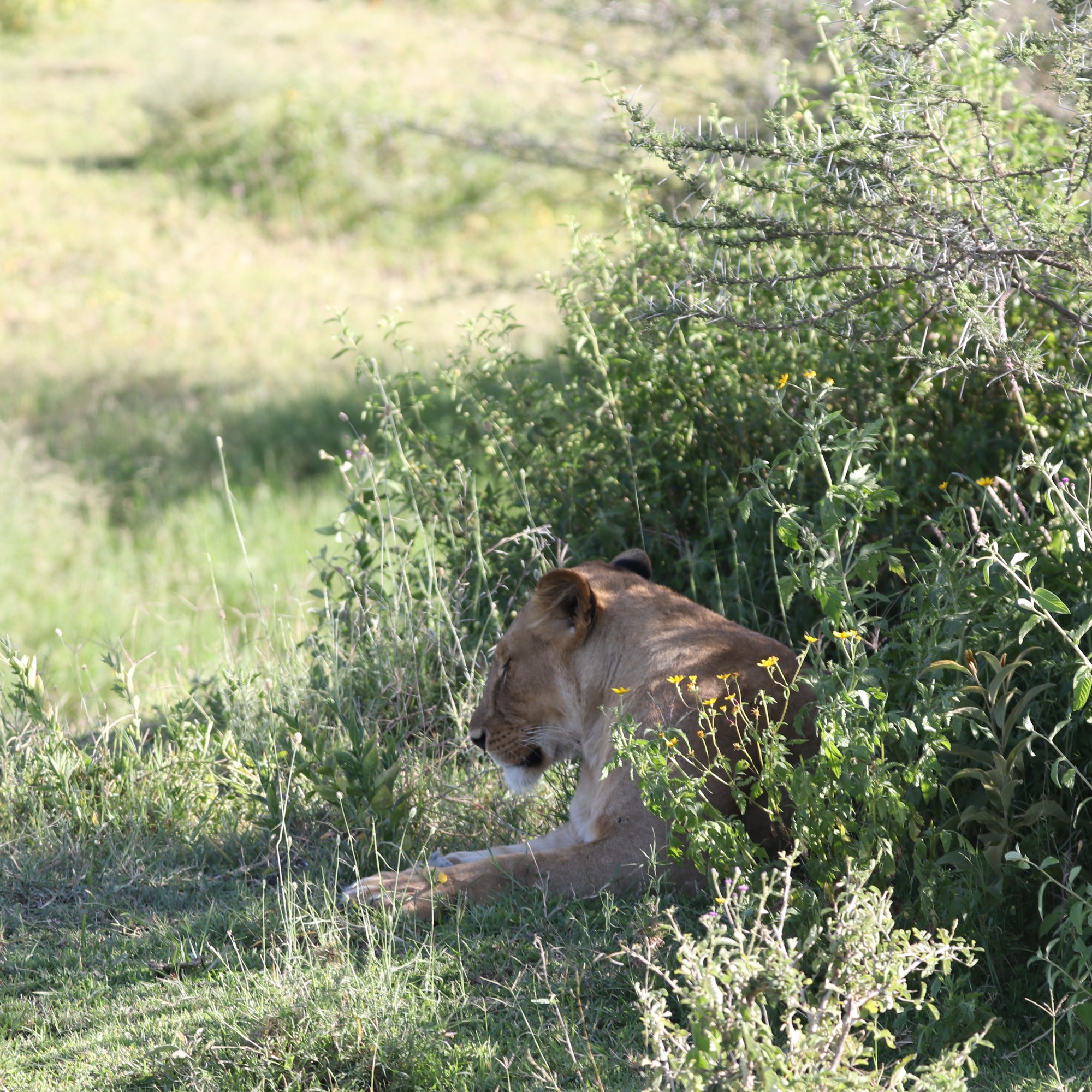
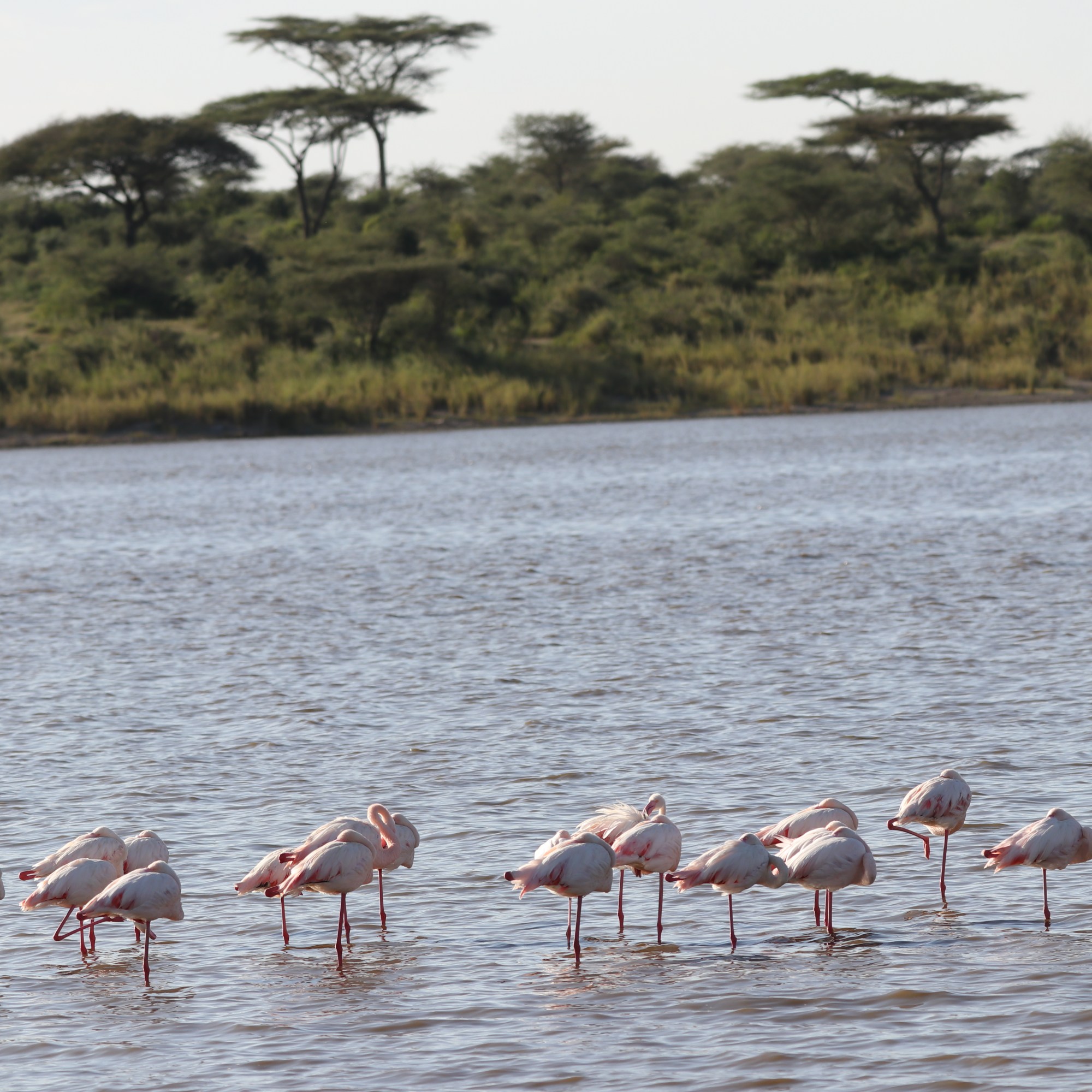
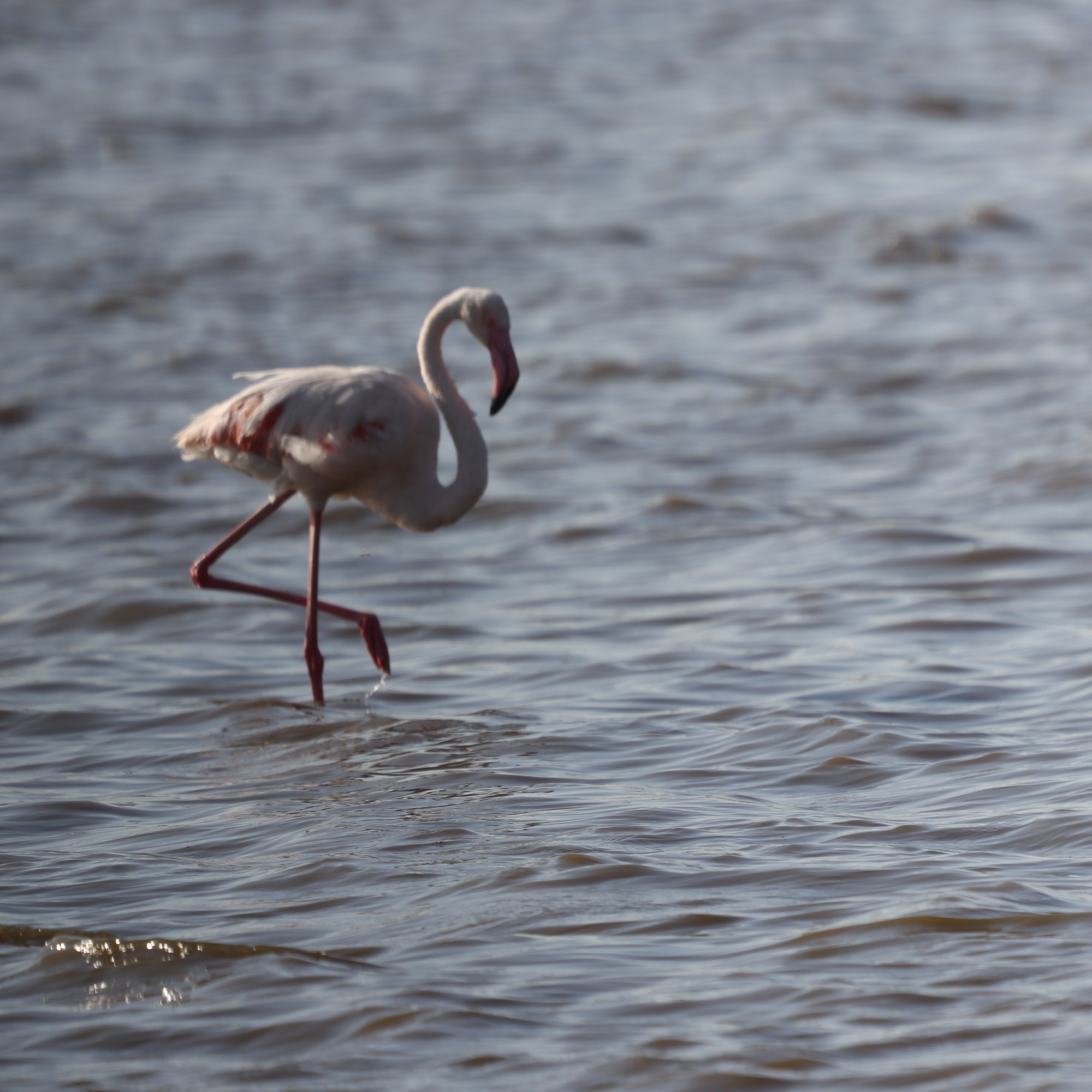
As the afternoon waned, we made our way toward Lake Masek, one of the two stunning lakes near our campsite. Along the way, we spotted another lion resting in the bushes, though the dense foliage made it hard to get a clear view. Choosing to move on, we arrived at the water’s edge, where graceful Greater Flamingoes stood in shimmering pink clusters, their curved necks dipping elegantly into the water. A few hippos bobbed in the lake, their eyes barely visible above the surface as they soaked in the fading heat of the day.
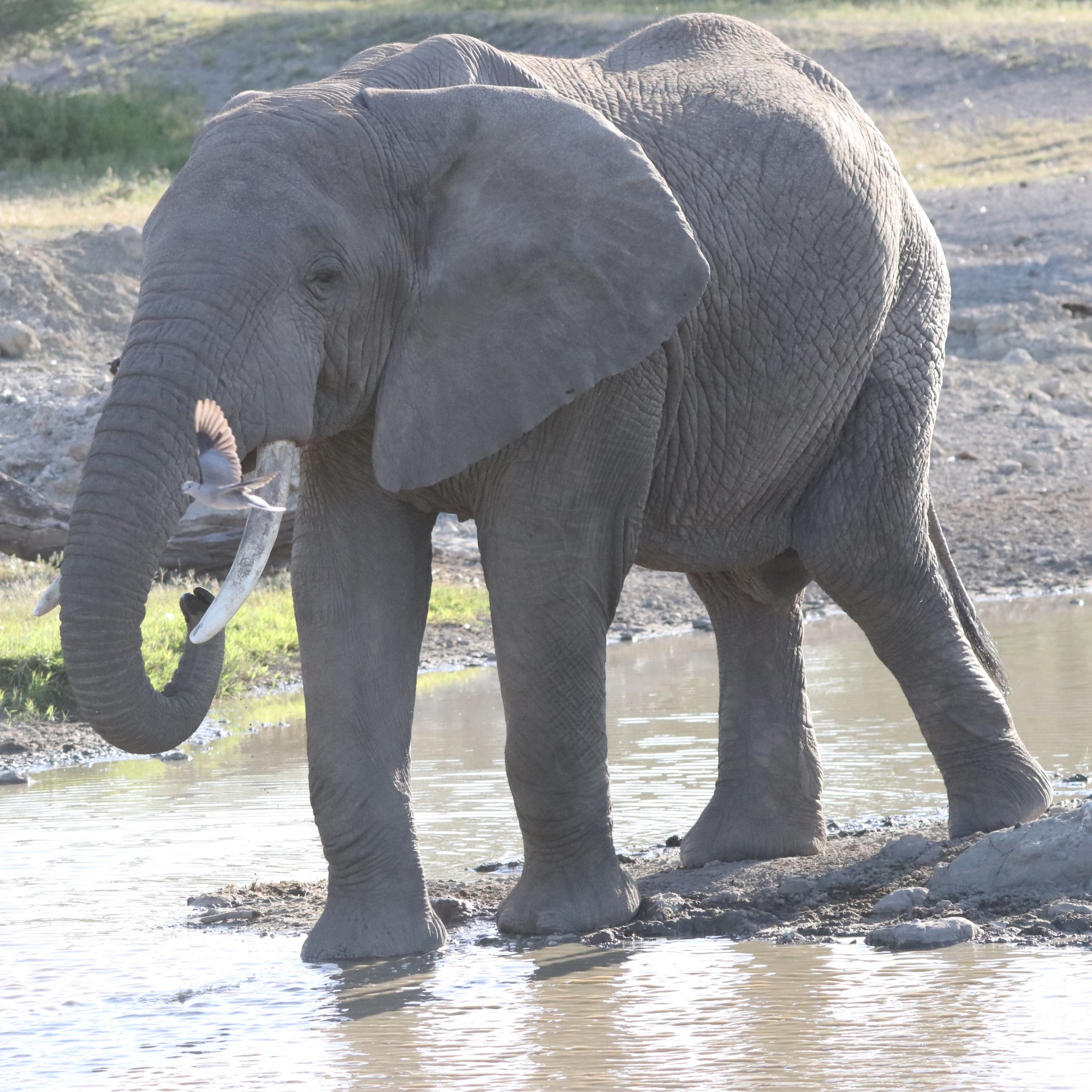
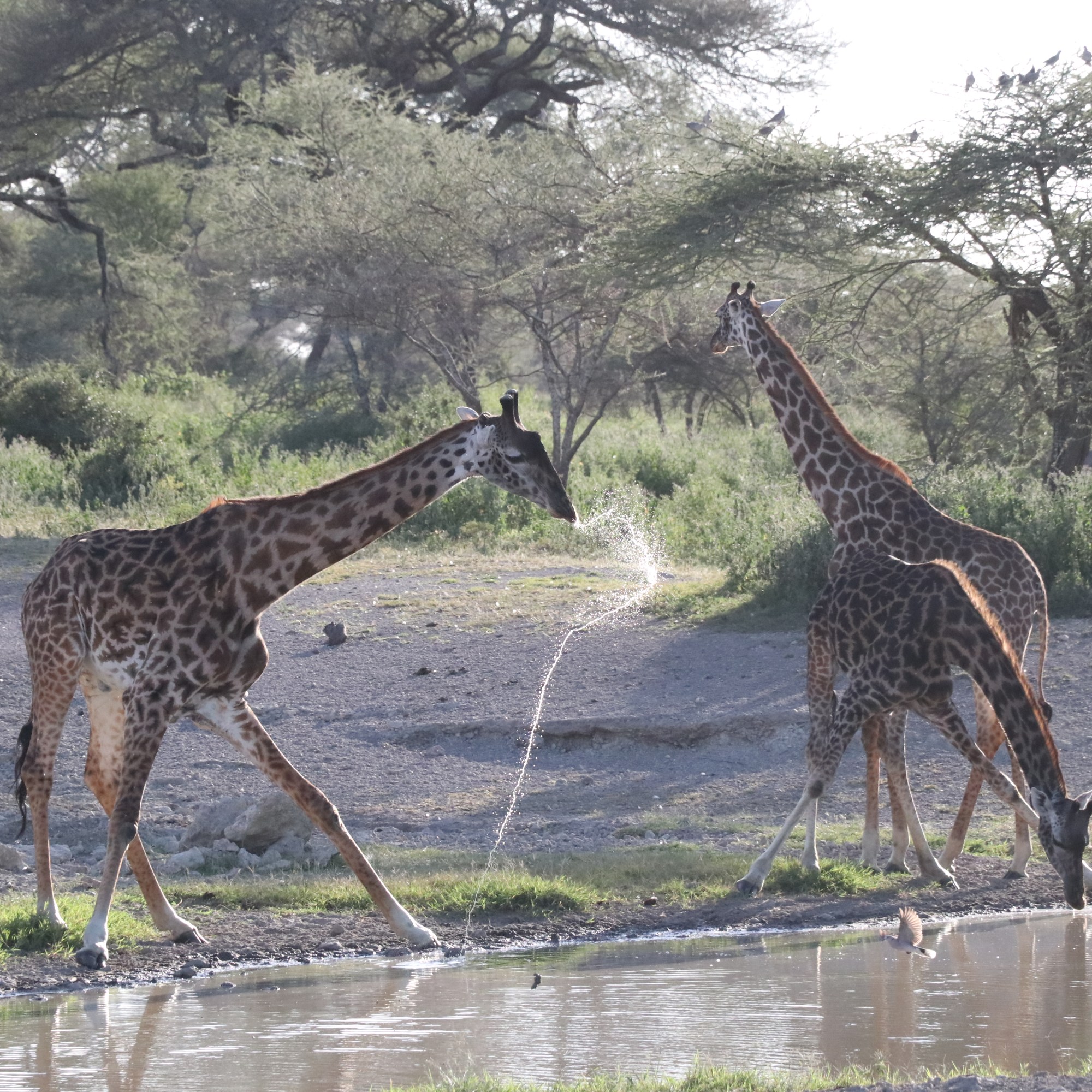
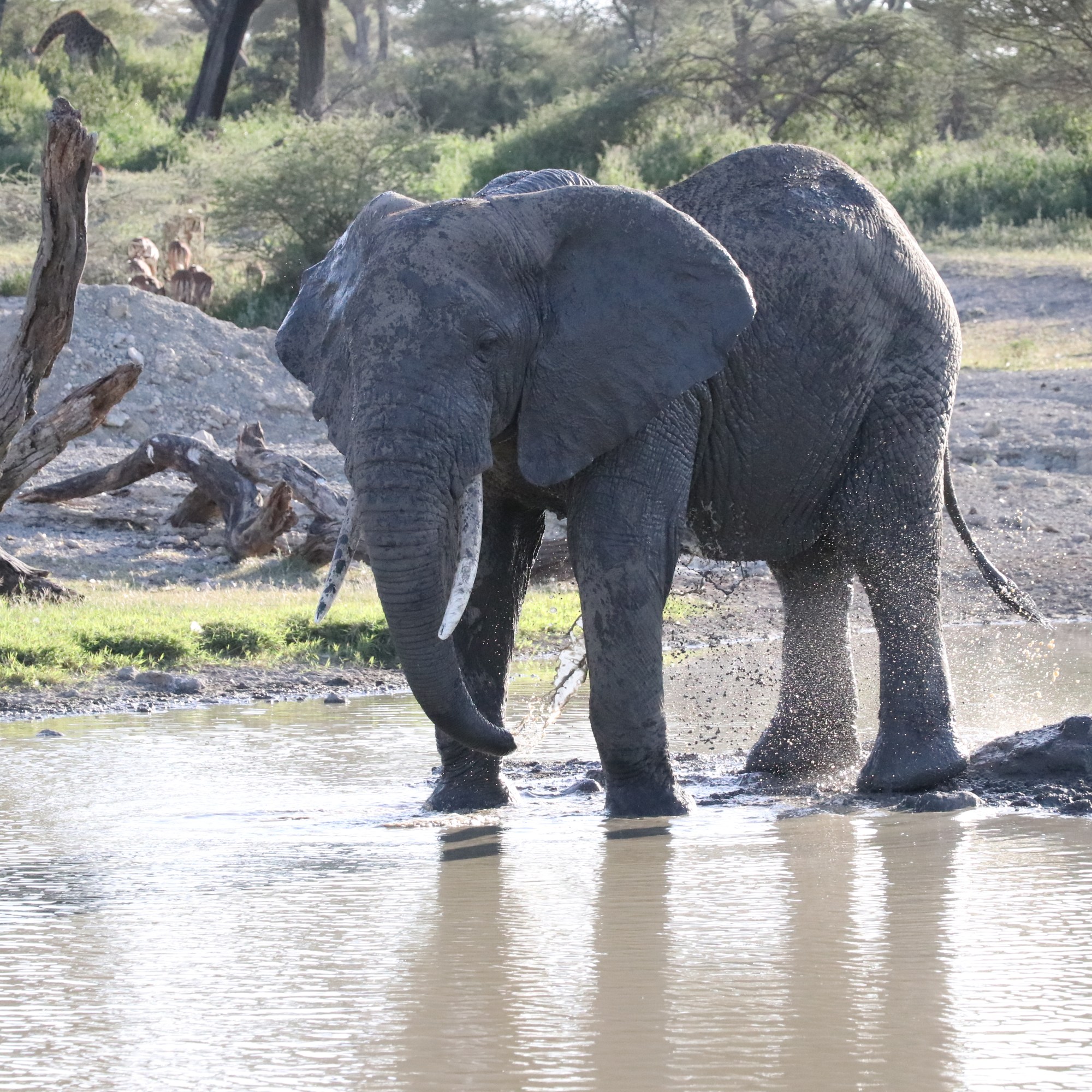
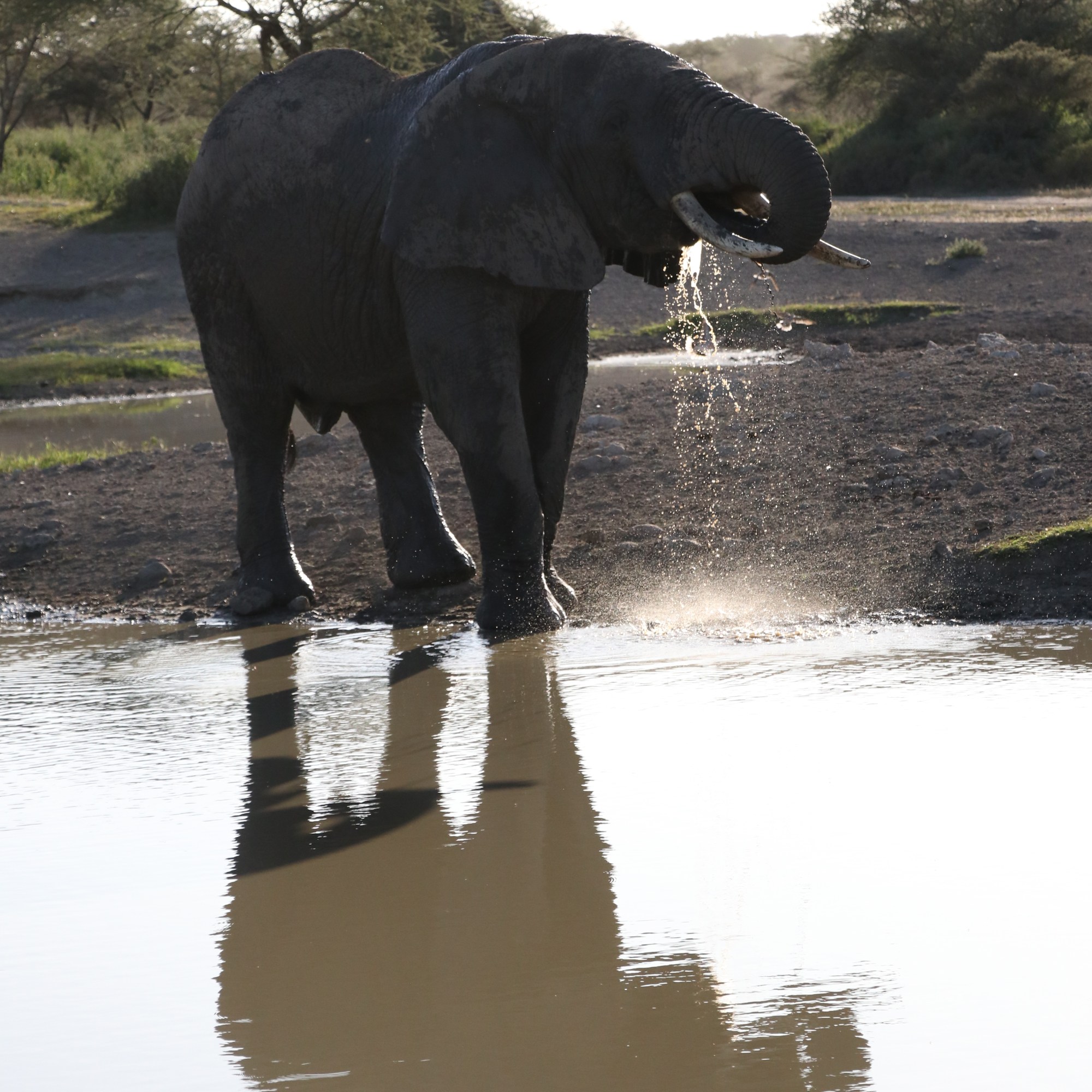
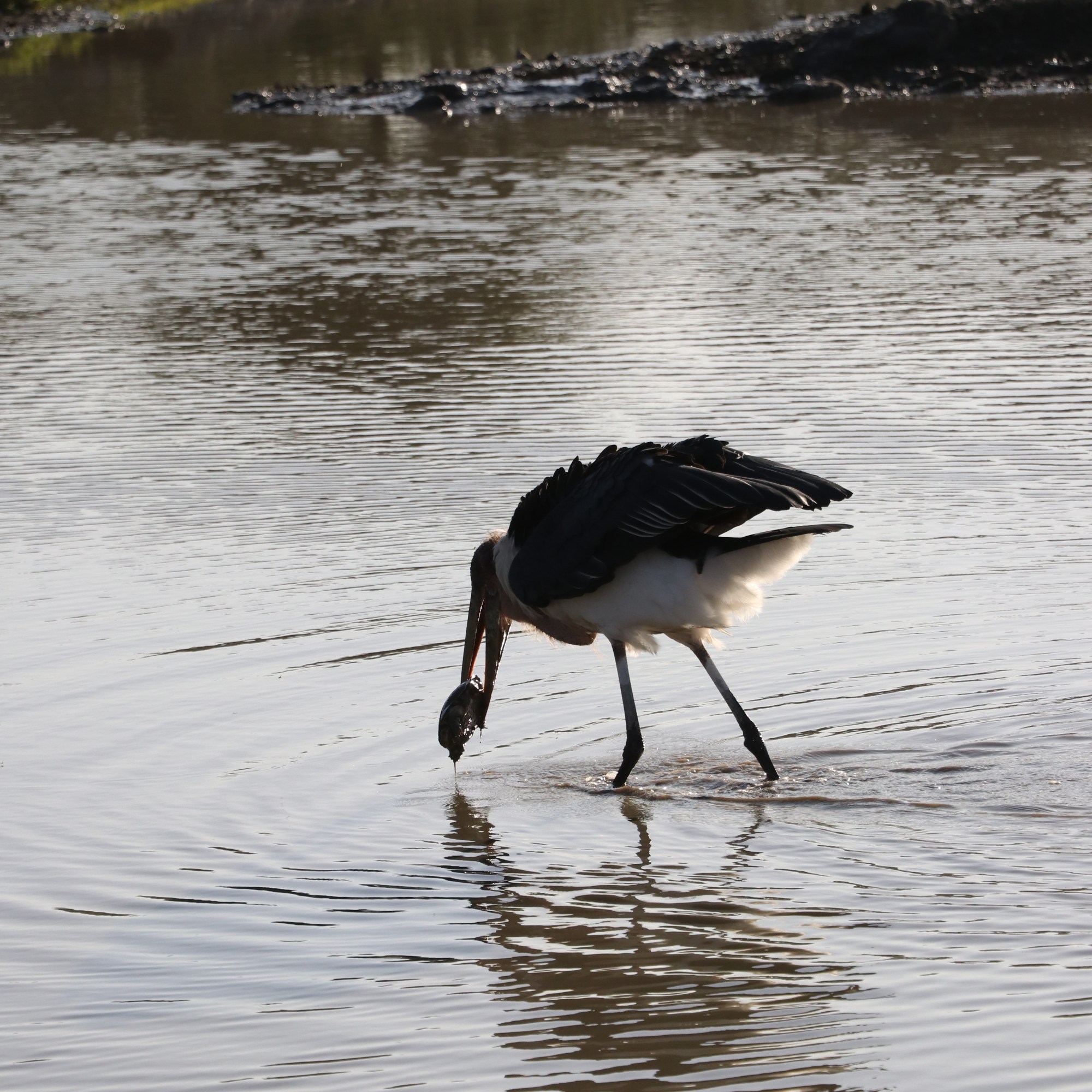
Continuing our drive, we stumbled upon a small waterhole where a massive bull elephant and a few giraffes had gathered for an evening drink. Watching the towering giraffes splay their legs in an awkward yet elegant stance to reach the water, while the elephant drank with slow, deliberate gulps, was a sight straight out of a dream. Nearby, a few Marabou storks waded through the shallows, attempting to hunt turtles. But each time they struck, the turtles simply retreated into their shells, frustrating the would-be predators—a quiet victory for the smaller creatures of the wild.
With the sky now ablaze in hues of orange and purple, it was time to head to camp before darkness fell. As the day winds down, the landscape transforms into a golden masterpiece. The sun sinks lower on the horizon, casting its warm hues over the savanna. Wildebeest herds dot the plains, their calves following close behind.
It’s the kind of scene that leaves you speechless, the kind that stays etched in your memory forever.
As dusk settles in, we arrive at Ndutu Heritage Camp, our home for the night. This traditional tented camp is nestled in the big marsh region of Ndutu, offering a perfect balance of comfort and immersion in nature. There’s something so special about staying in a safari tent—luxurious yet close enough to the wild that you can hear the sounds of animals at night.
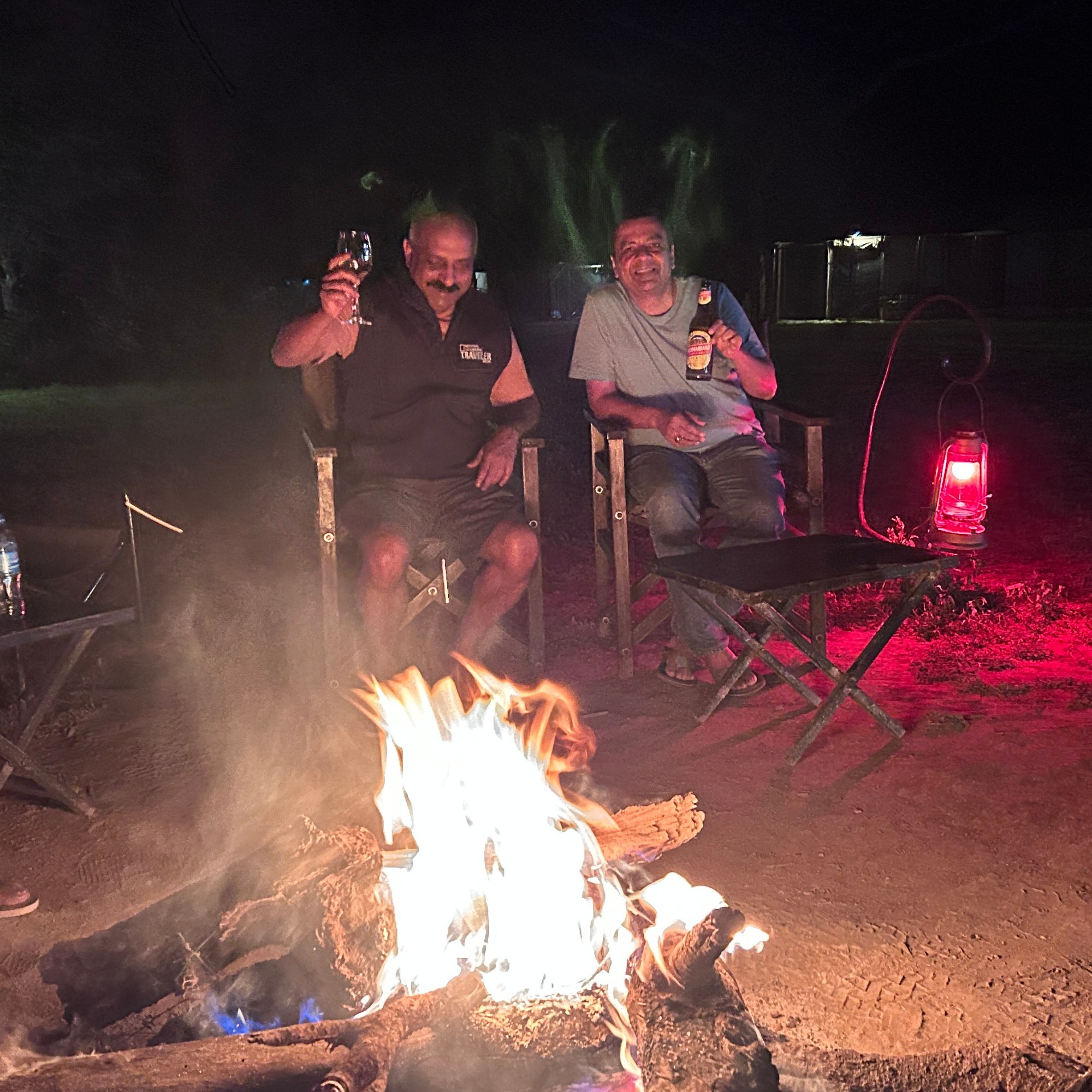
The camp’s warmth and hospitality make us feel instantly at home. After a long day of exploring, we unwind with the camp hosts, sharing stories and enjoying the rhythm of an African evening. Another perfect day in Africa’s wild heart, another chapter in this unforgettable journey.
After lights out we didn’t miss an opportunity to do some stargazing on the clear African sky in the midst of the savannah.
The symphony of the wild continues around us—the distant calls of animals, the rustling of the wind, and the soft crackle of the campfire.

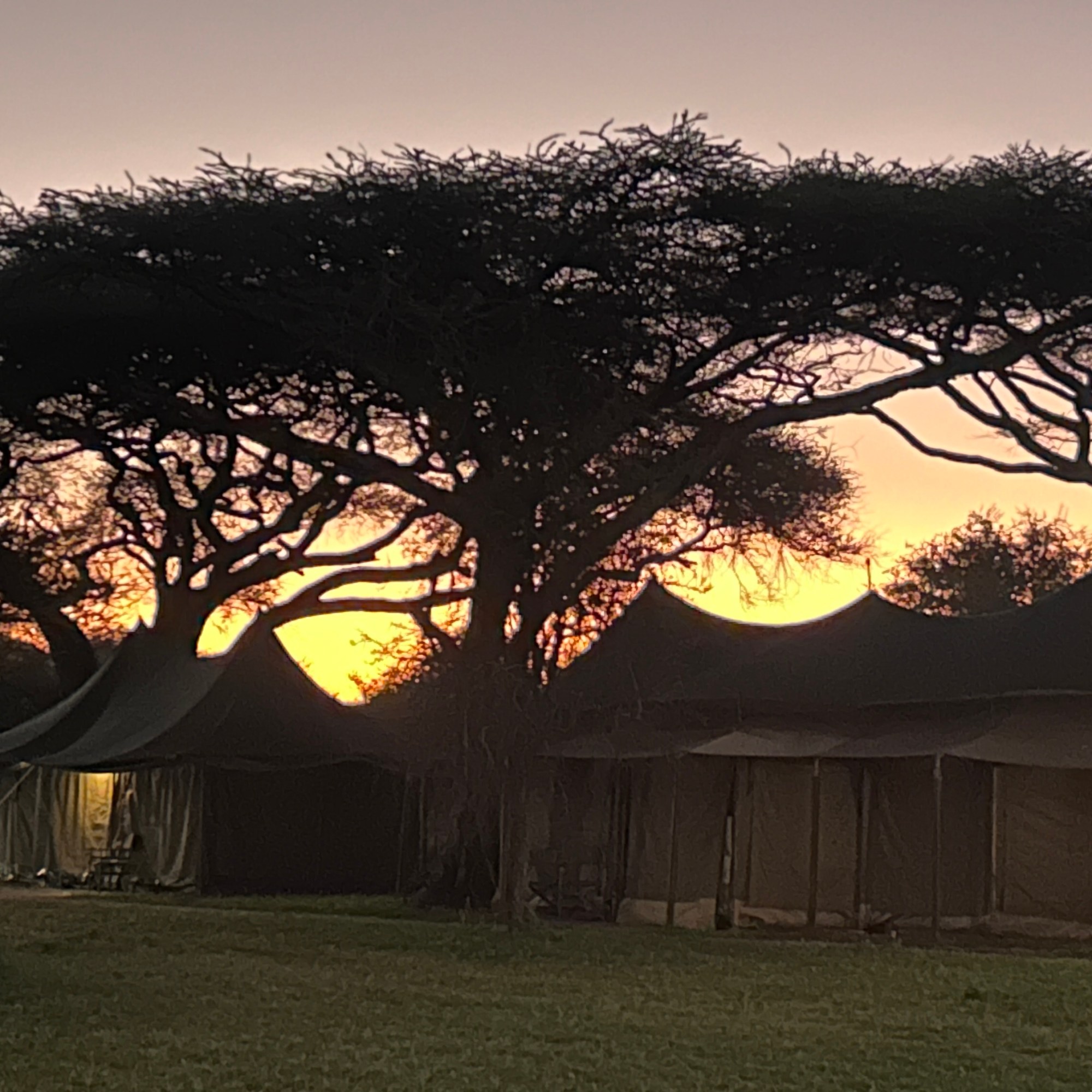
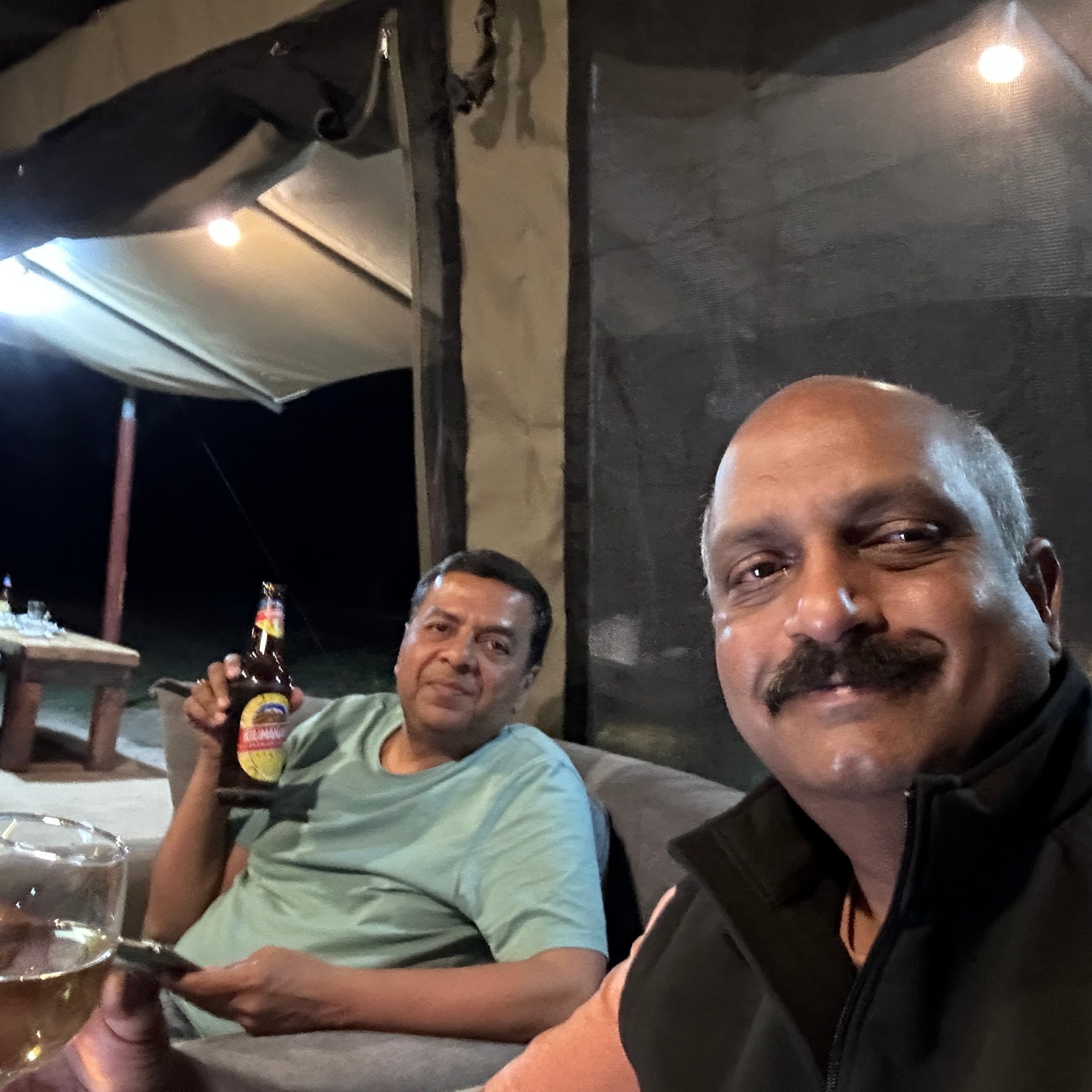
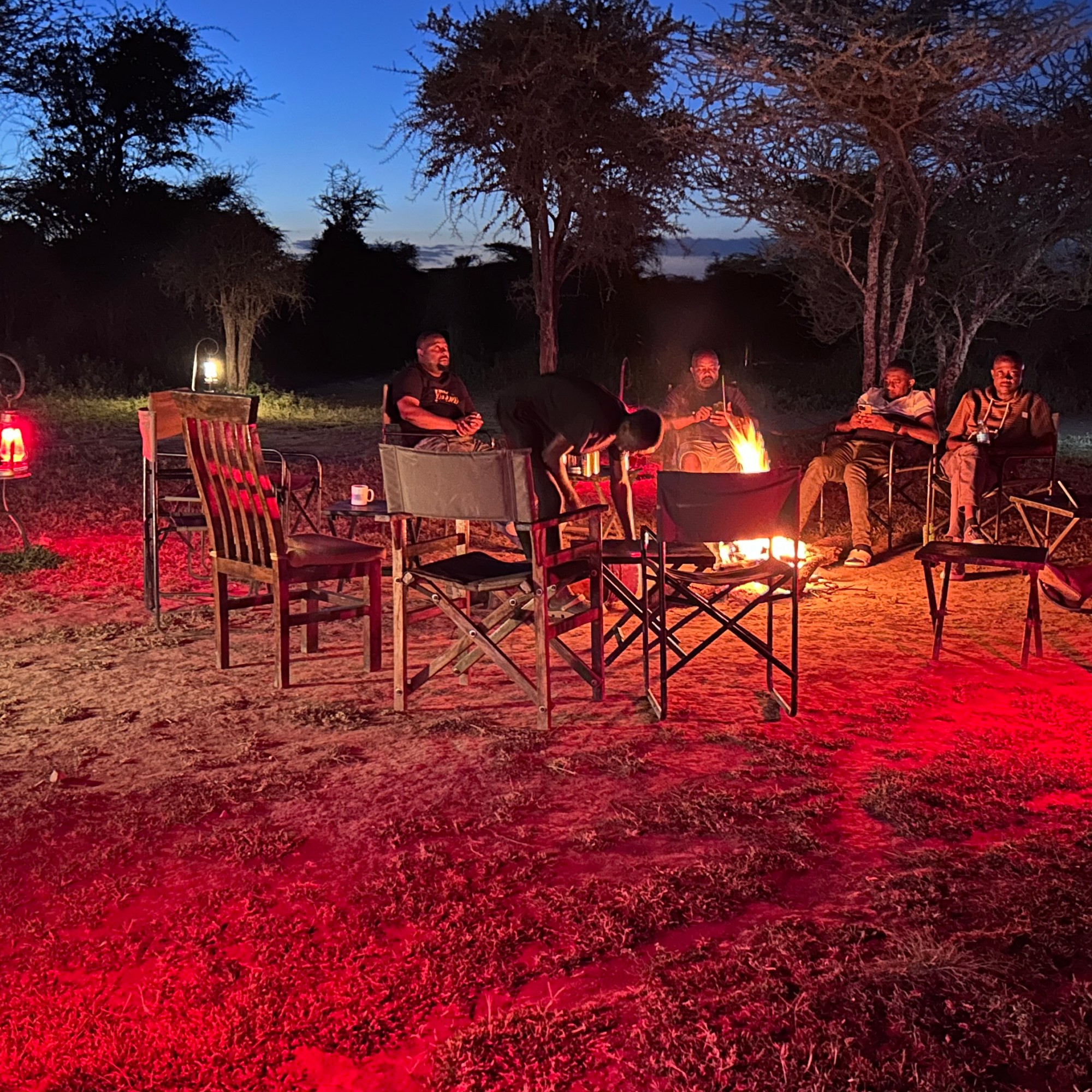
Today’s journey has been nothing short of magical. From the vastness of the Central Serengeti to the hidden beauty of Ndutu, every moment has felt like a gift from nature.
As I drift off to sleep in the cozy tent, surrounded by the sounds of the African night, I can’t help but feel deeply connected to this place. Ndutu has truly shown me that Tanzania’s wilderness always has more magic waiting just around the corner.
Experience the complete Day -2 of the safari on my YouTube video below:


 Roads That We Crave For
Leave a comment