
After the action-packed adventures of the past few days, today is a slightly more relaxed day on our safari journey. We allow ourselves the luxury of a restful morning, enjoying a leisurely breakfast before setting off to explore more of the incredible Ndutu area. From its tranquil lakes and marshlands to its predator-rich plains, Ndutu continues to surprise and amaze. By late afternoon, we begin our journey southeast to Karatu, passing through breathtaking landscapes, Maasai villages, and the historic Olduvai Gorge along the way.


Our day starts close to camp, exploring the nearby lake and marshlands of Ndutu. This region, stretching across the northwest border of Ngorongoro Conservation Area into South Serengeti, is the heart of the Great Migration during the months of December to March. Endless plains dotted with acacia trees, shimmering lakes, and rocky kopjes create the perfect backdrop for wildlife encounters.
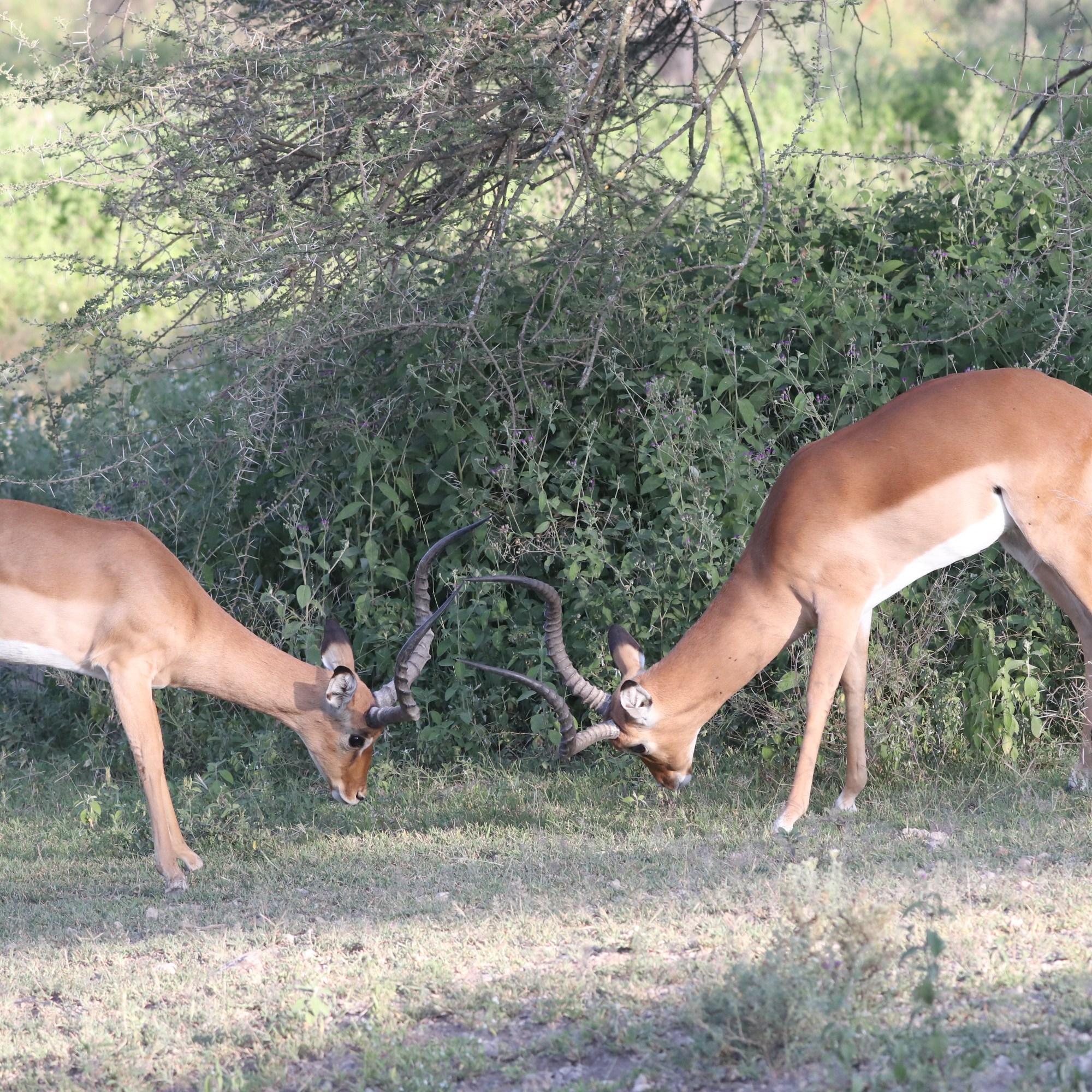
As we head out of the camp we were greeted by the sight of the smallest antelope the Dik Dik, and a few male impalas practicing their duelling skills.
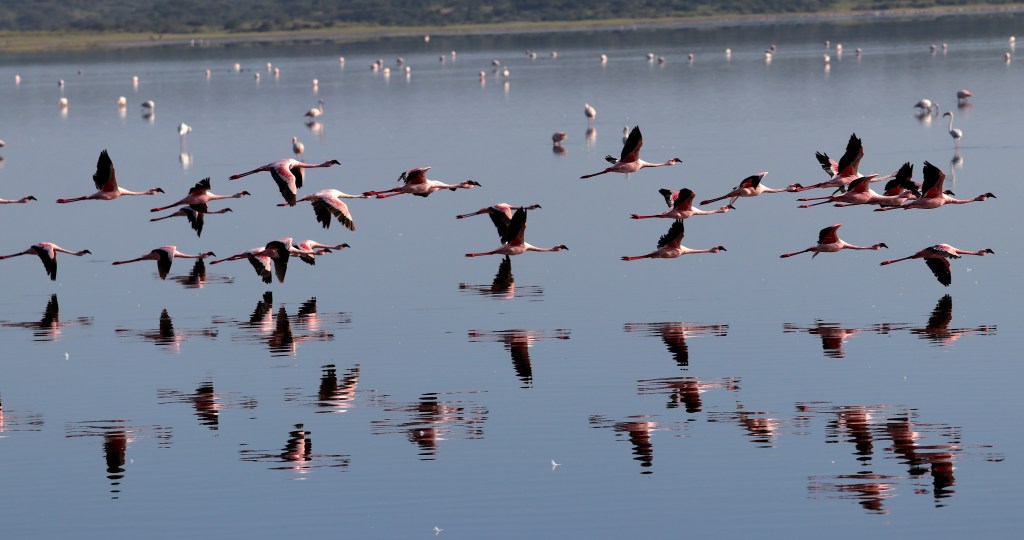
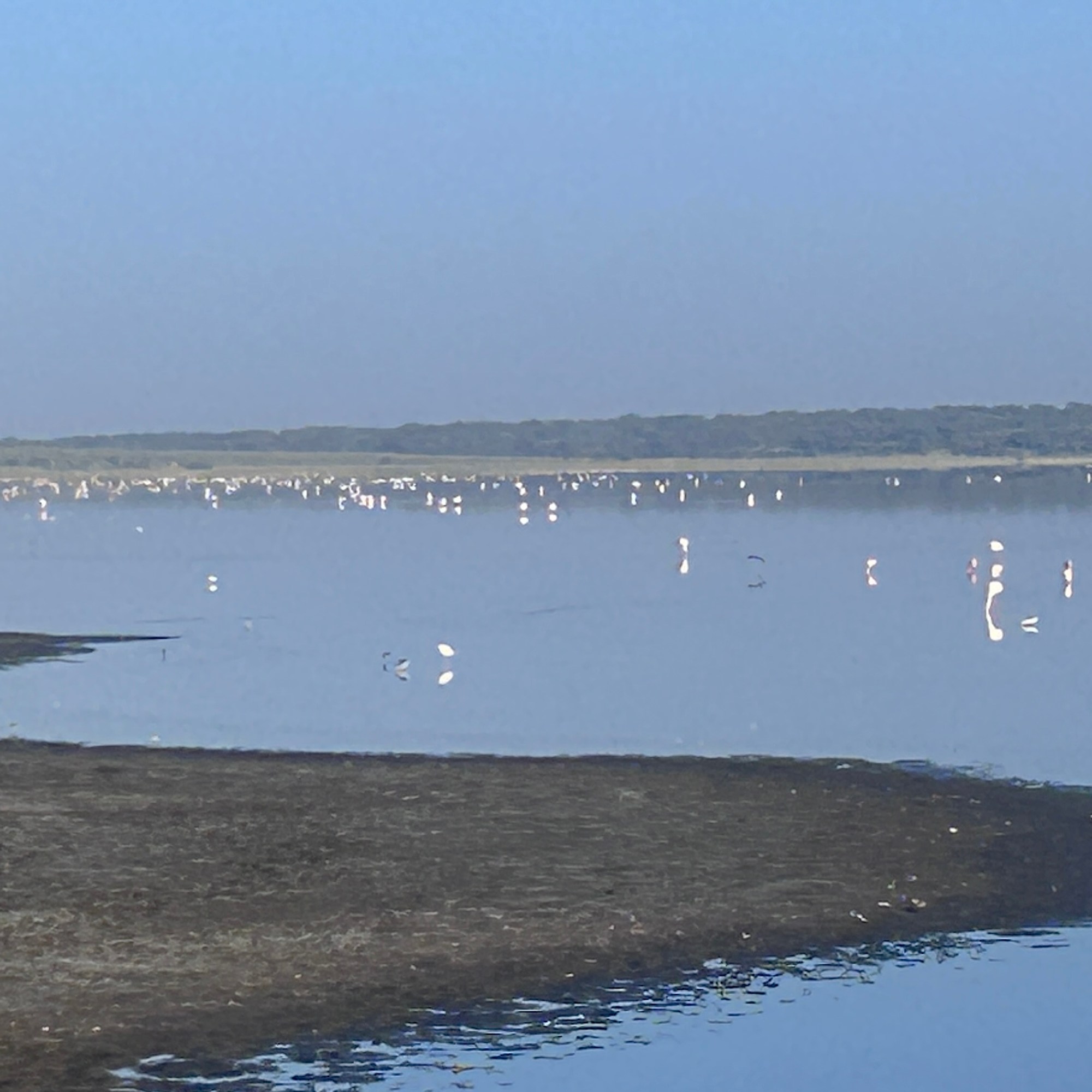
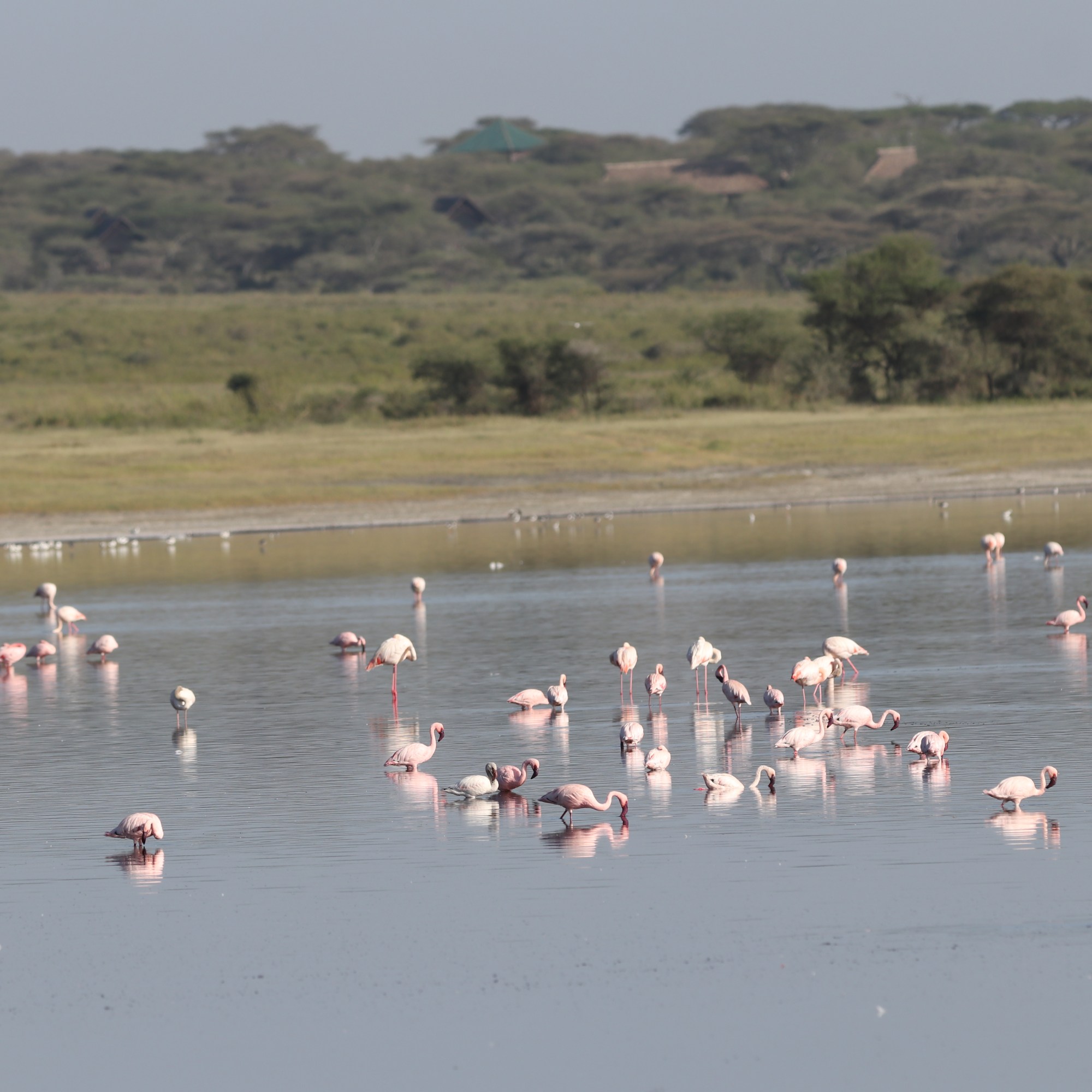
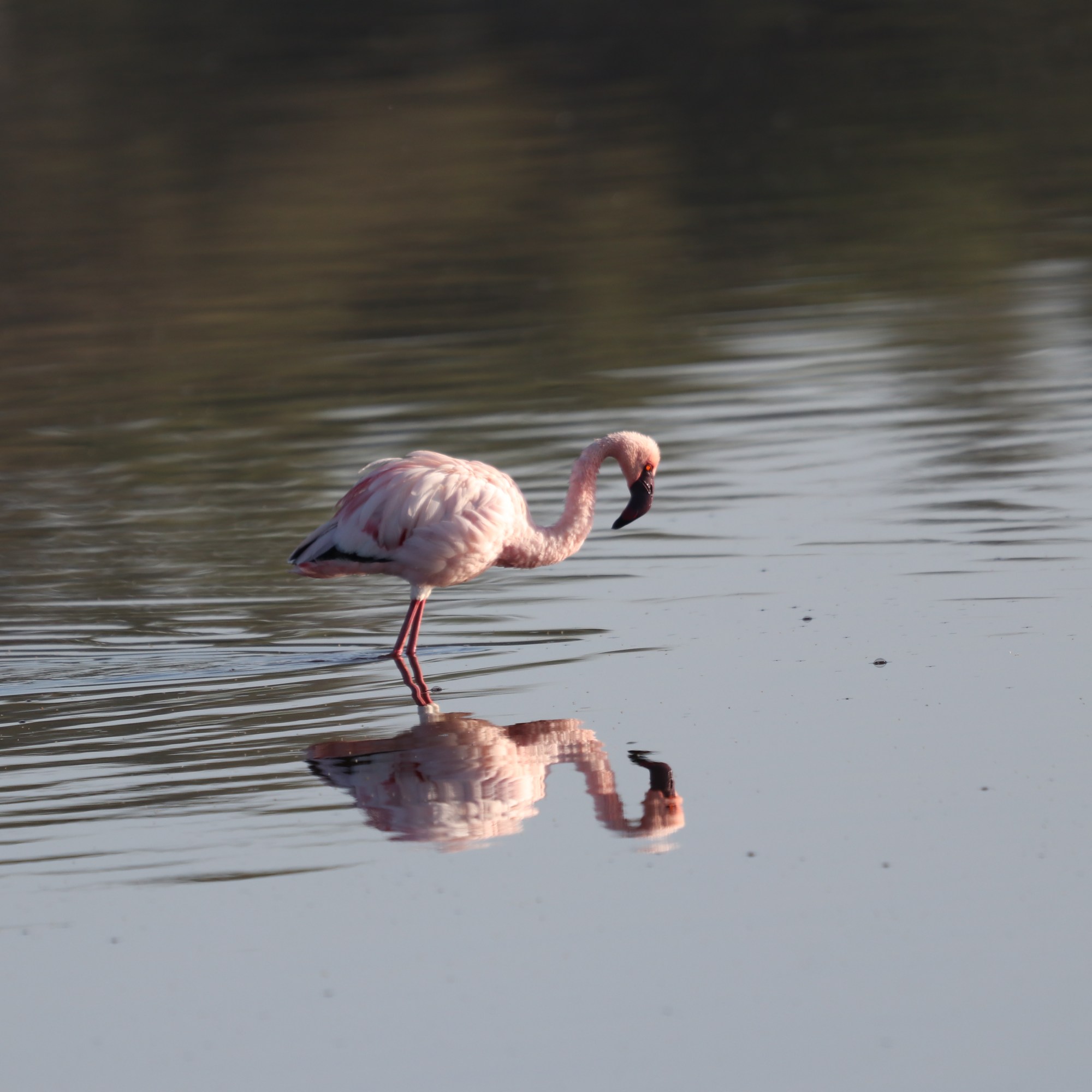
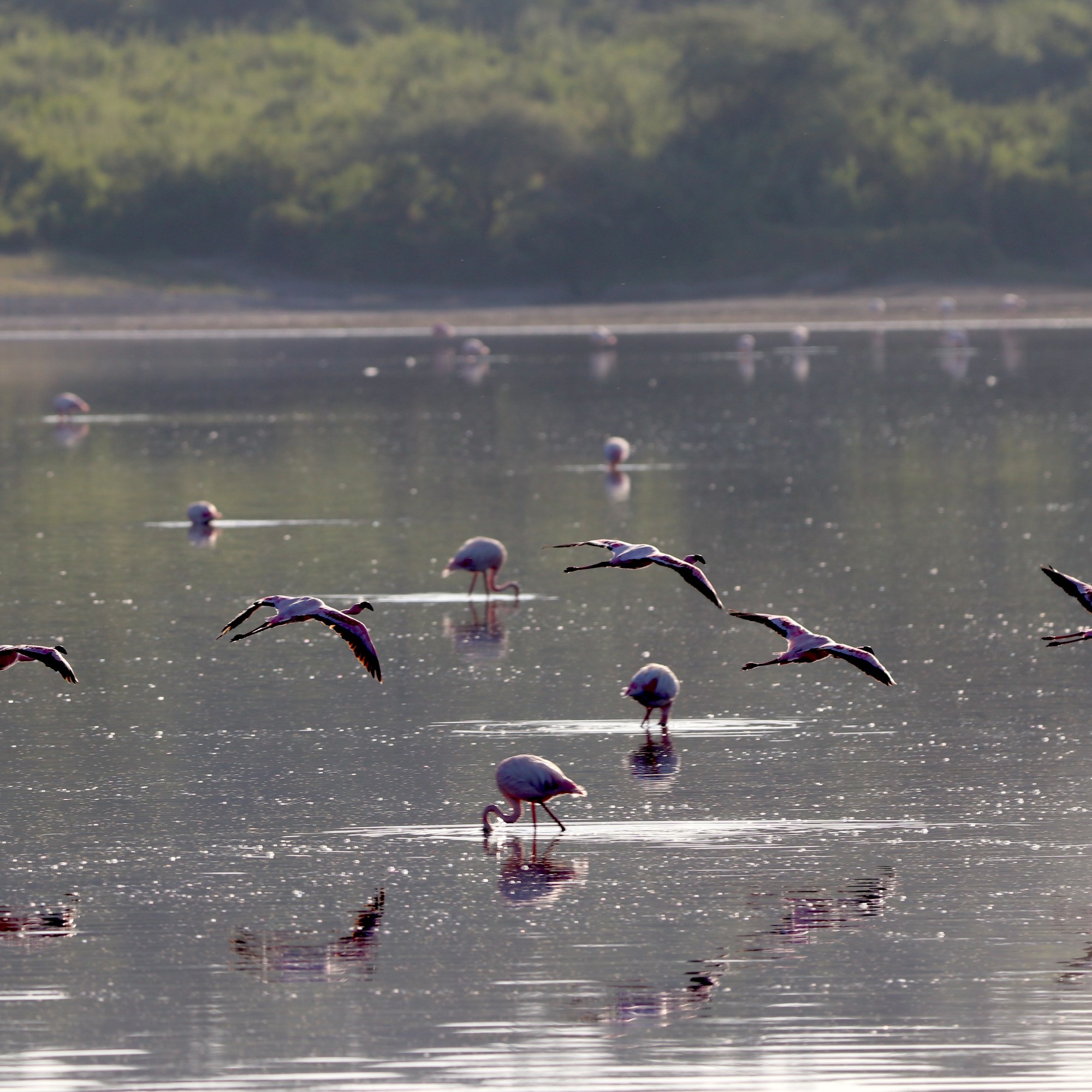
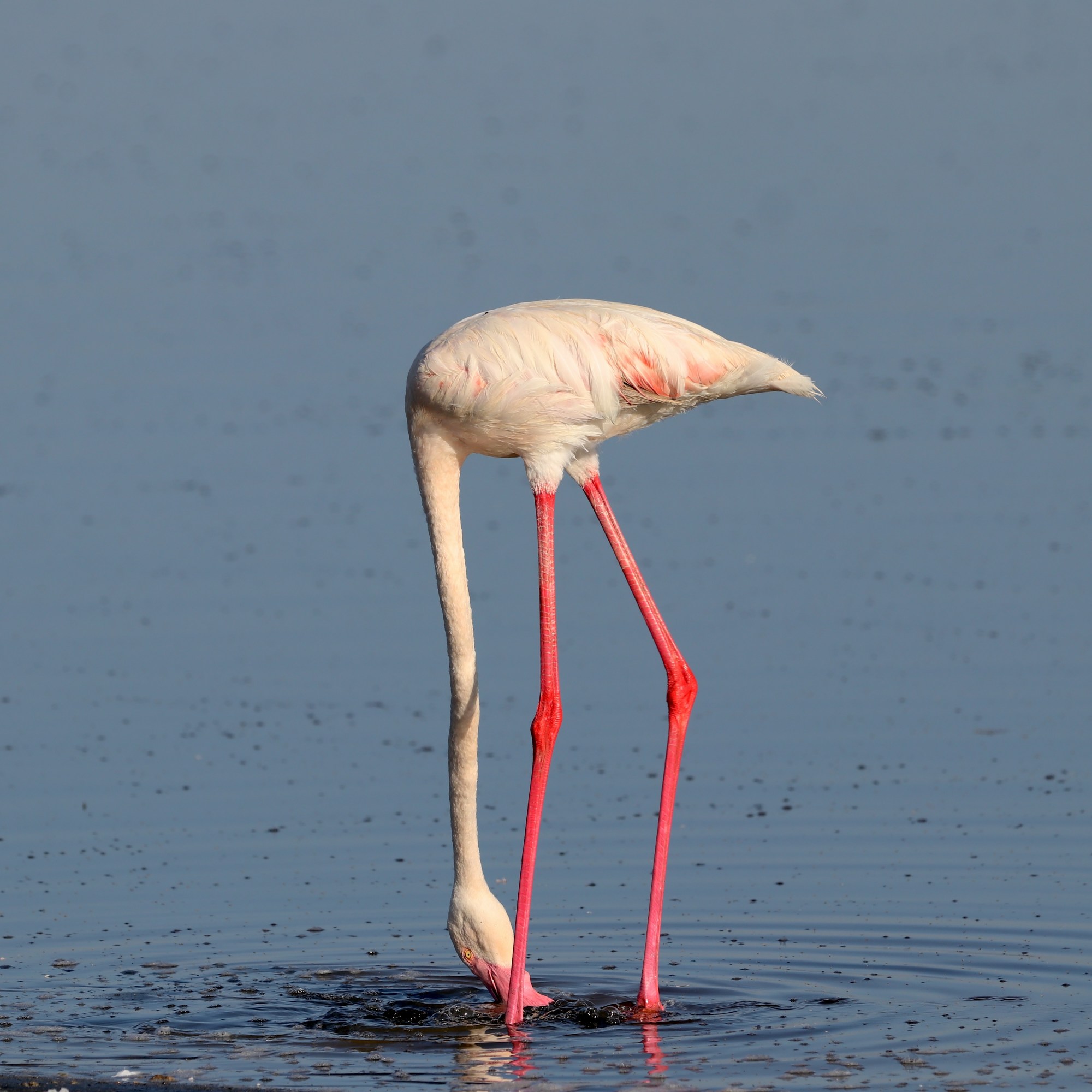
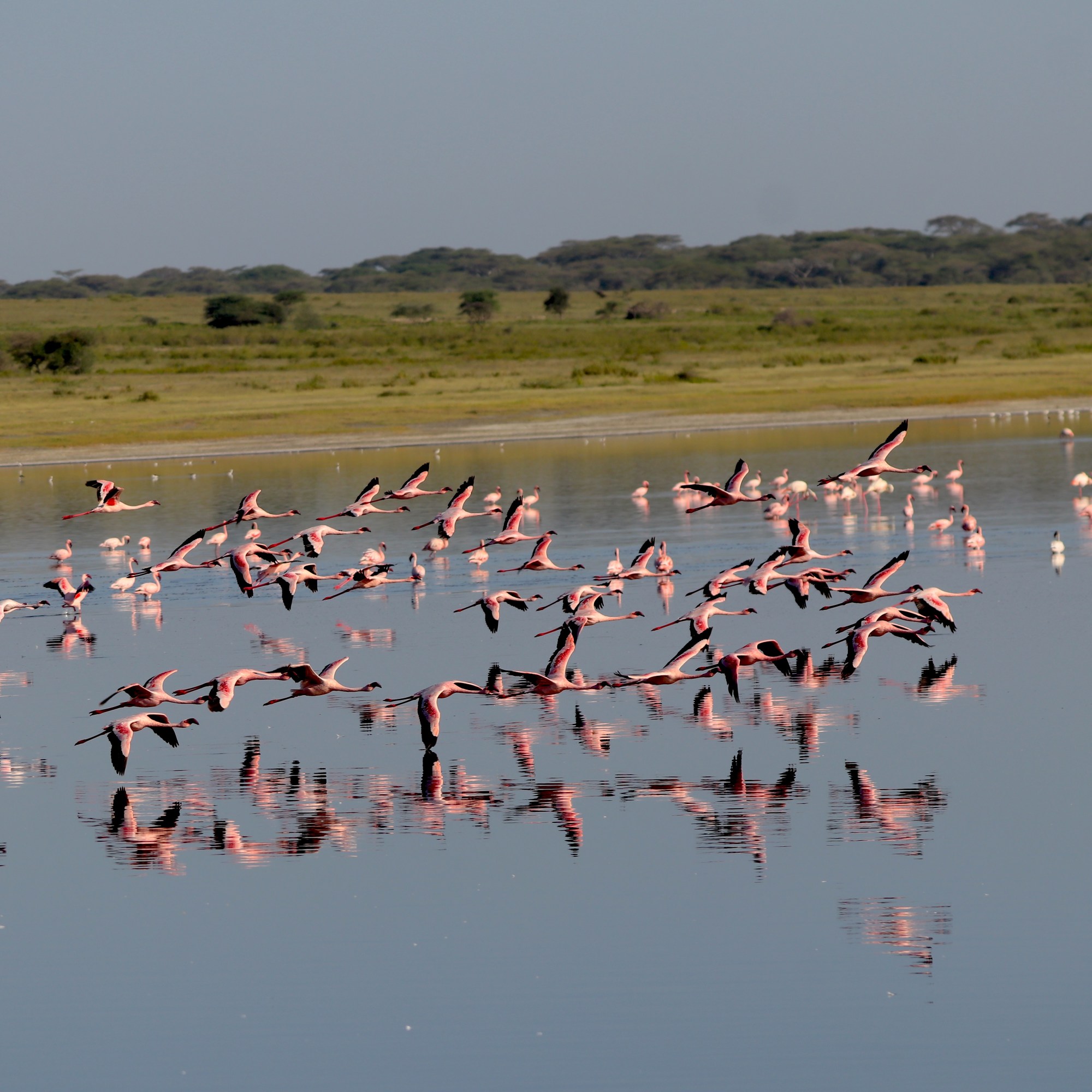
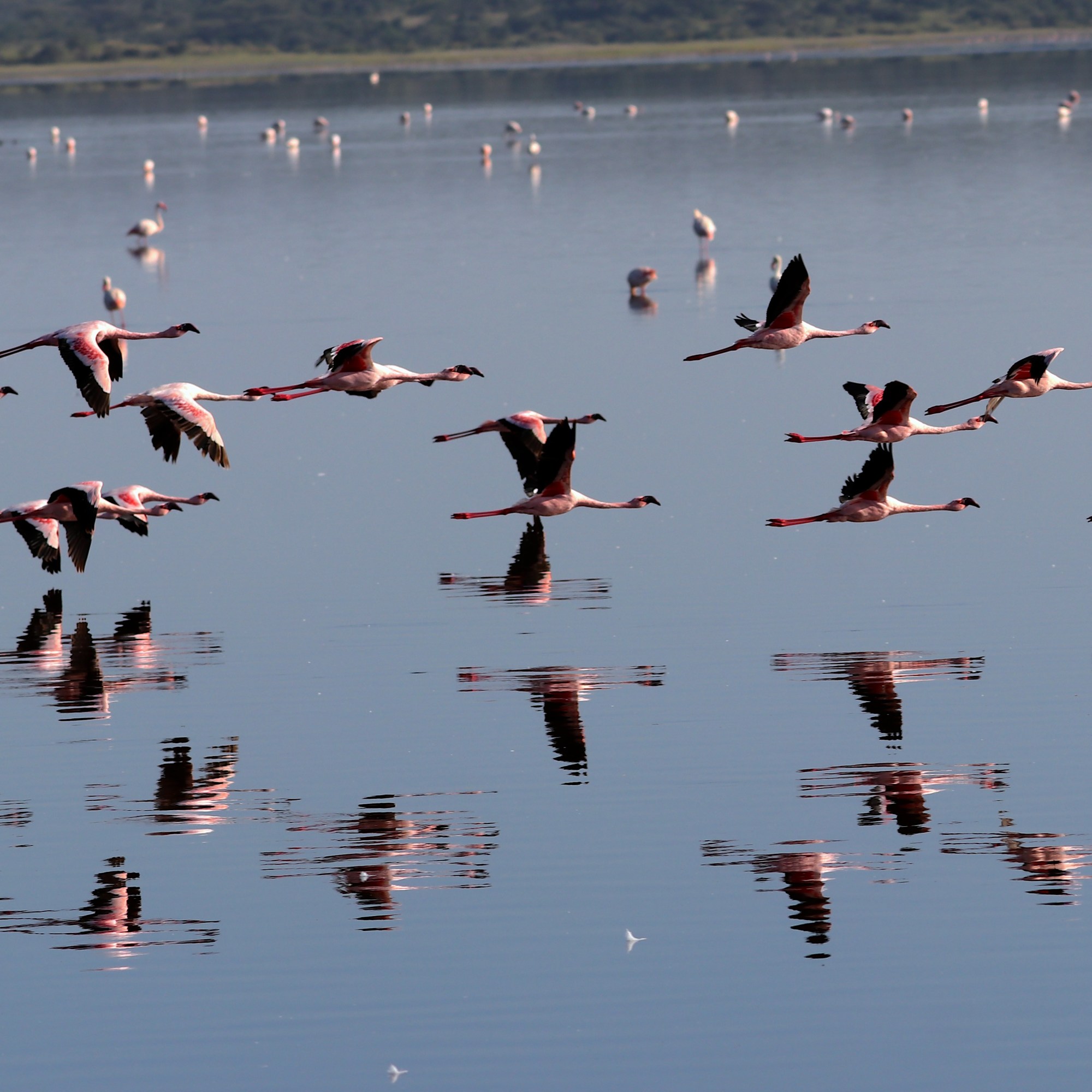
We head towards the Lake Ndutu and were immediately mesmerized by the sight of the lake filled with ‘Greater’ and ‘Lesser’ flamingoes. With the reflection of the morning sun and the pink plumage the lake seemed to turn pink at places. Suddenly a large flock of the flamingoes took to skies giving us an amazing spectacle.
Watching them in awe we spent a good amount of time here on the lake taking pictures and admiring this timid wonder of nature before heading further to grasslands.
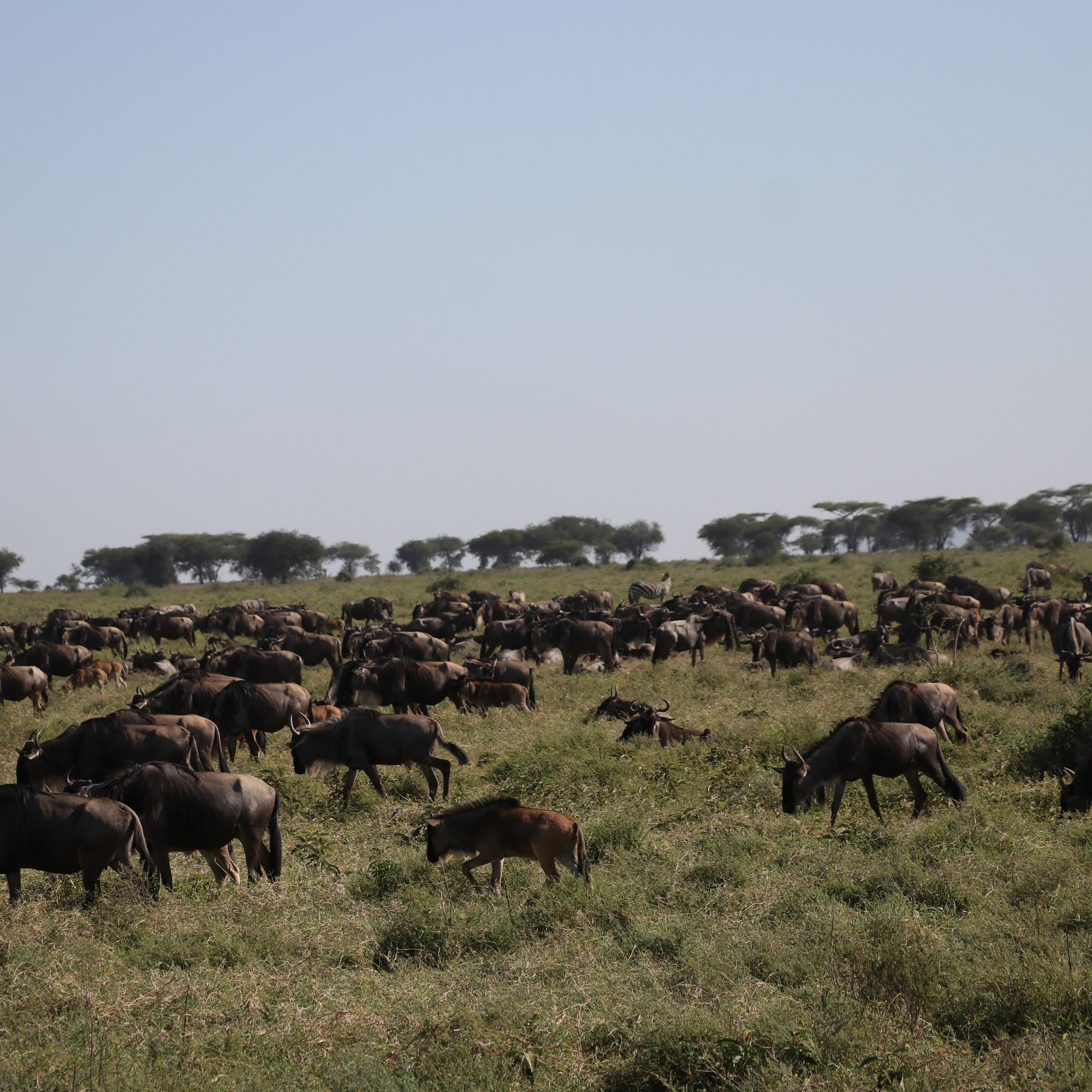
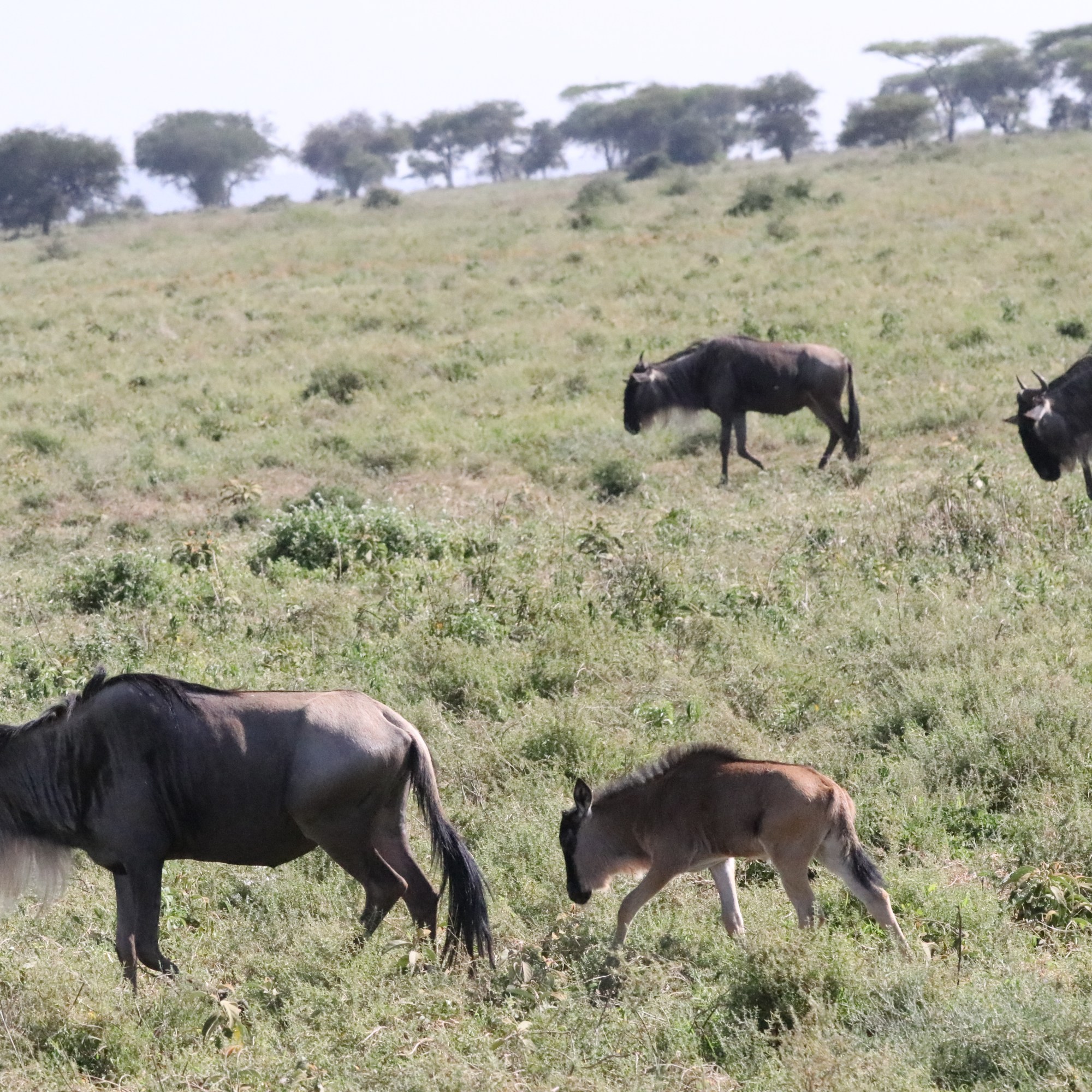
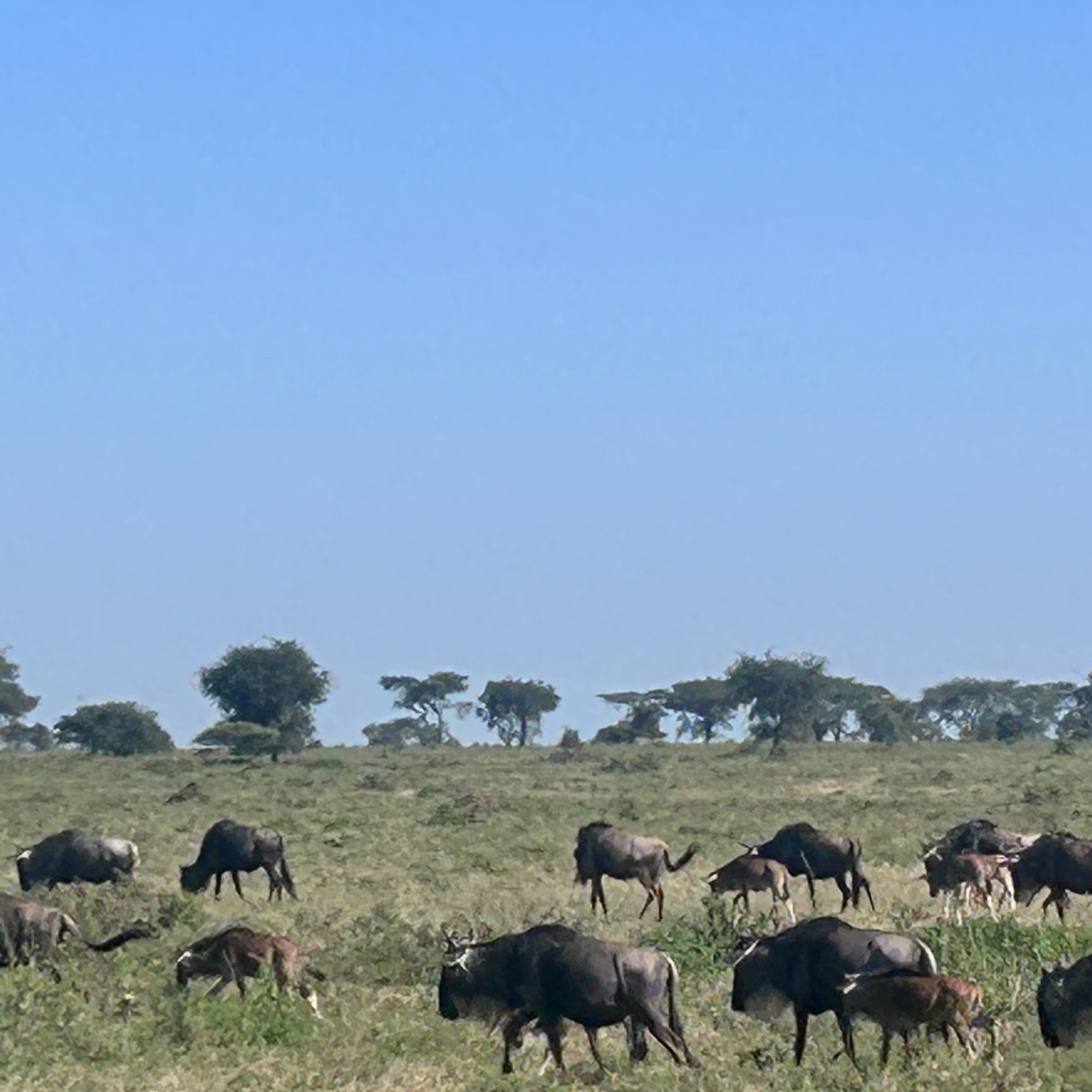
Lake Ndutu, in particular, is a magnet for wildlife. Witnessing the calving season here is truly magical. Watching thousands of wildebeest calves take their first steps, surrounded by attentive mothers and ever-present predators, is a spectacle that can only be described as raw and emotional.
We were right in the middle of the large herd of Wildebeests, surrounded by the soft grunts of the calves trailing next to or behind their mothers. It was an awesome experience as the birthing season with its raw emotion and breathtaking sights, showcased the incredible cycle of life in this untamed land.
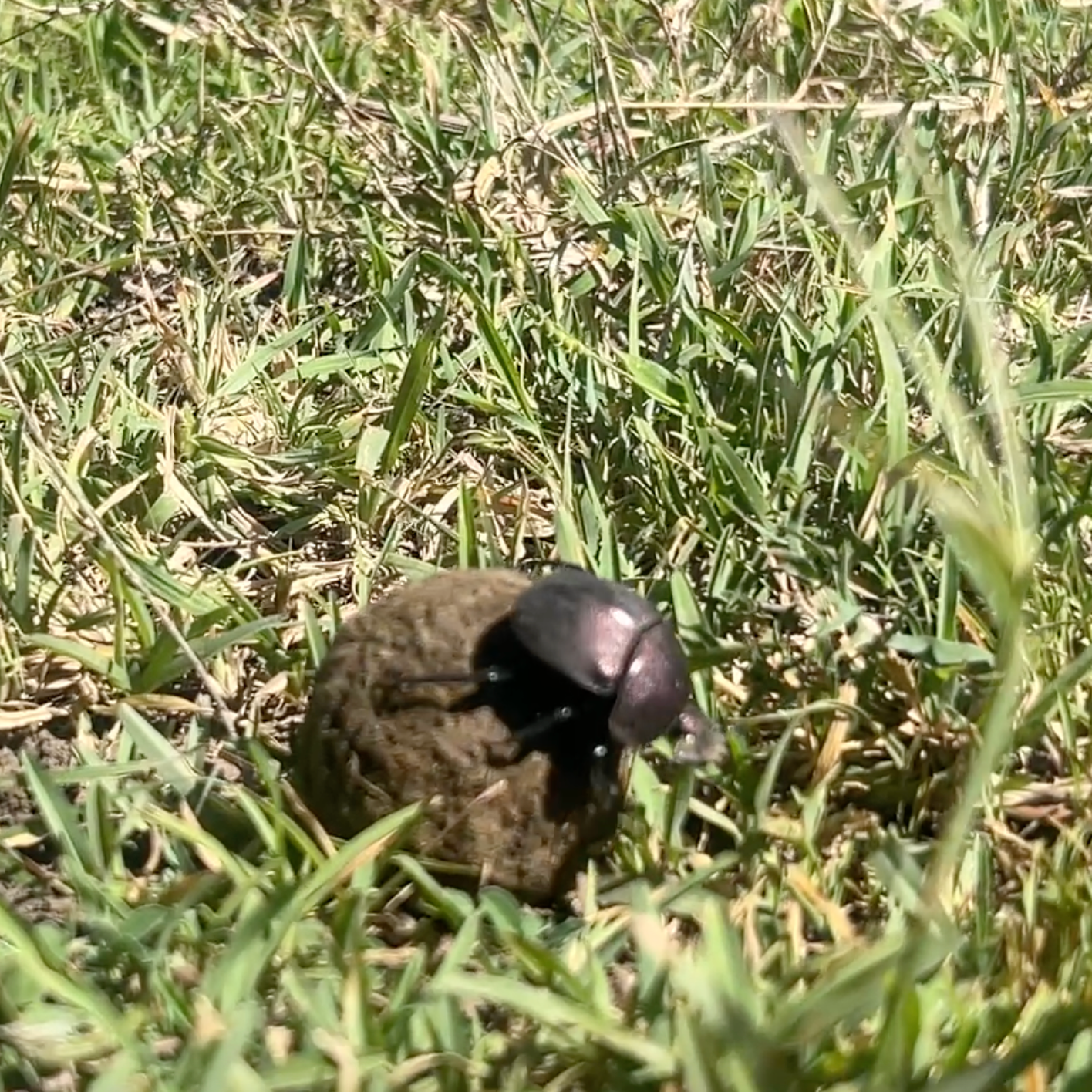
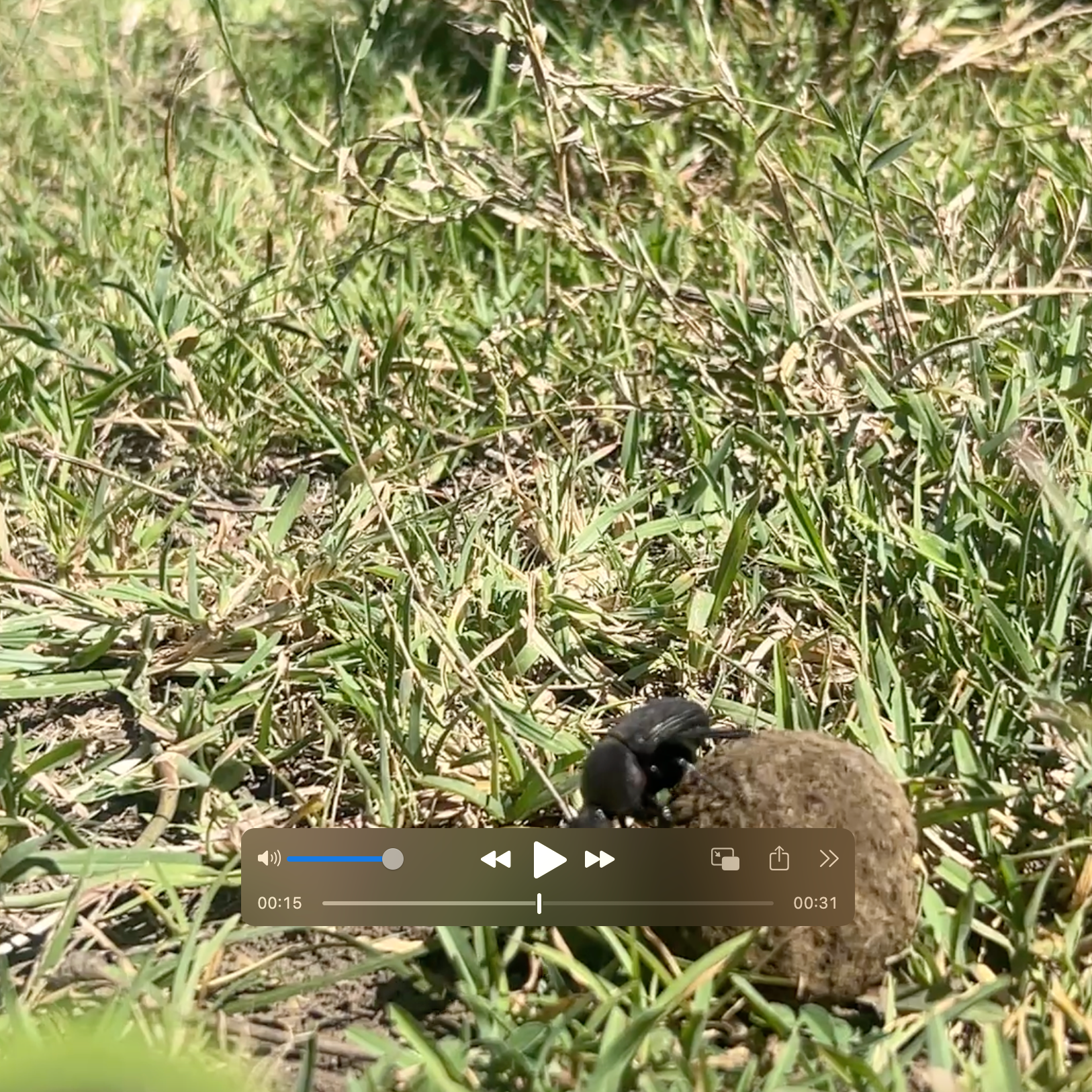
Leaving the herd on their migration cycle we moved ahead and took a break to get out of the jeep on a safe place to stretch the legs. If you look down you get to see other wonders like the dung beetle pushing a large ball of dung to it’s nest where it will place it and lay eggs for the next generation.
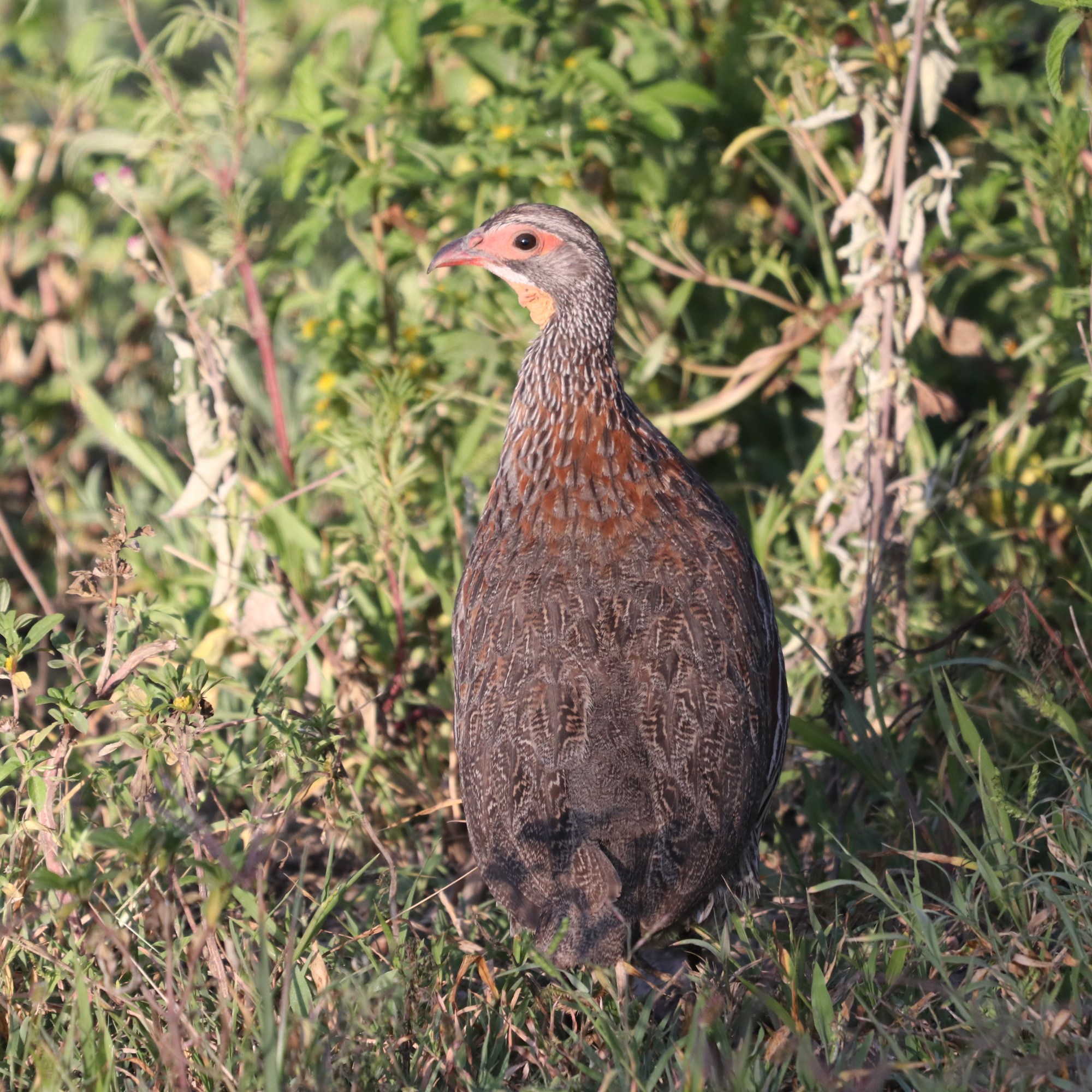
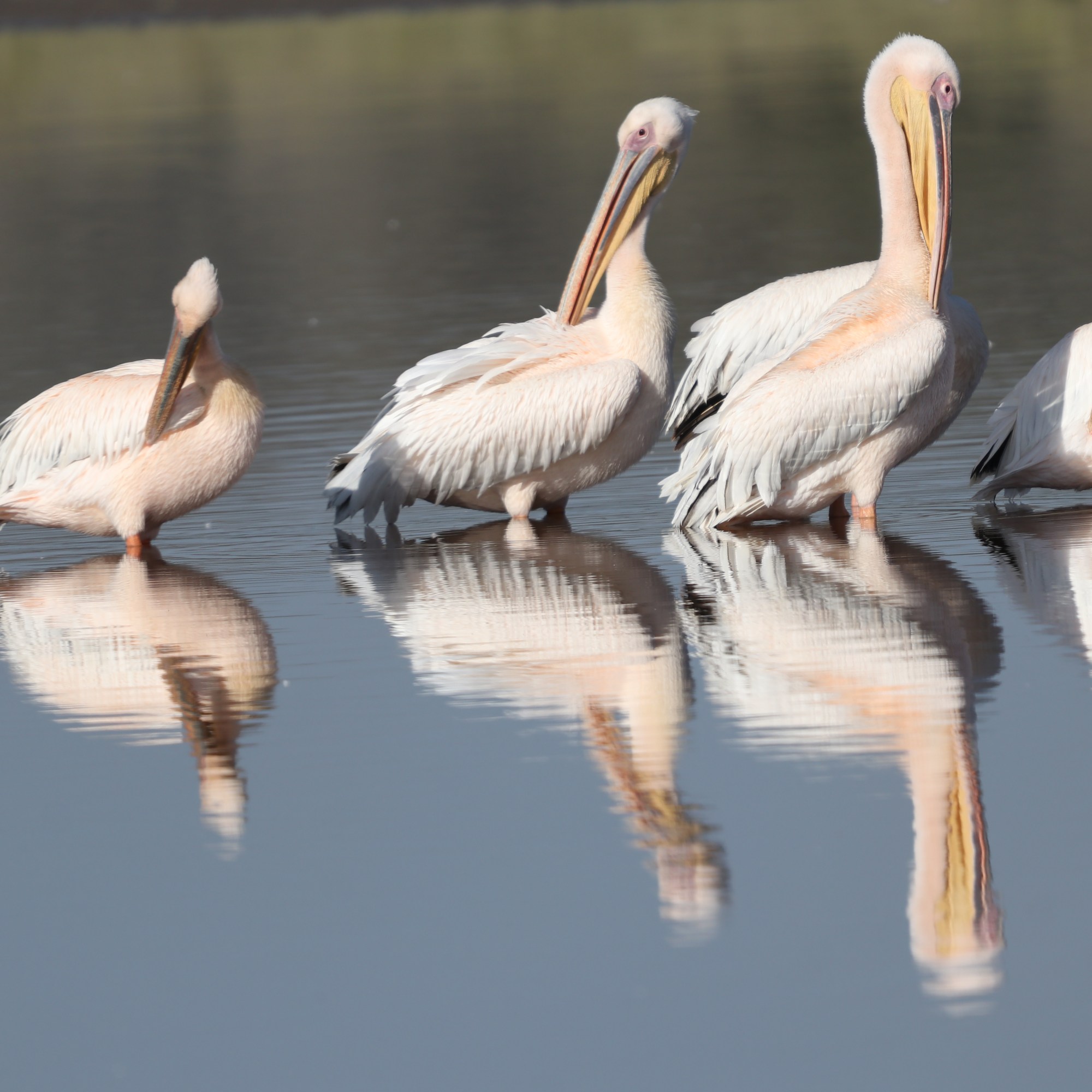
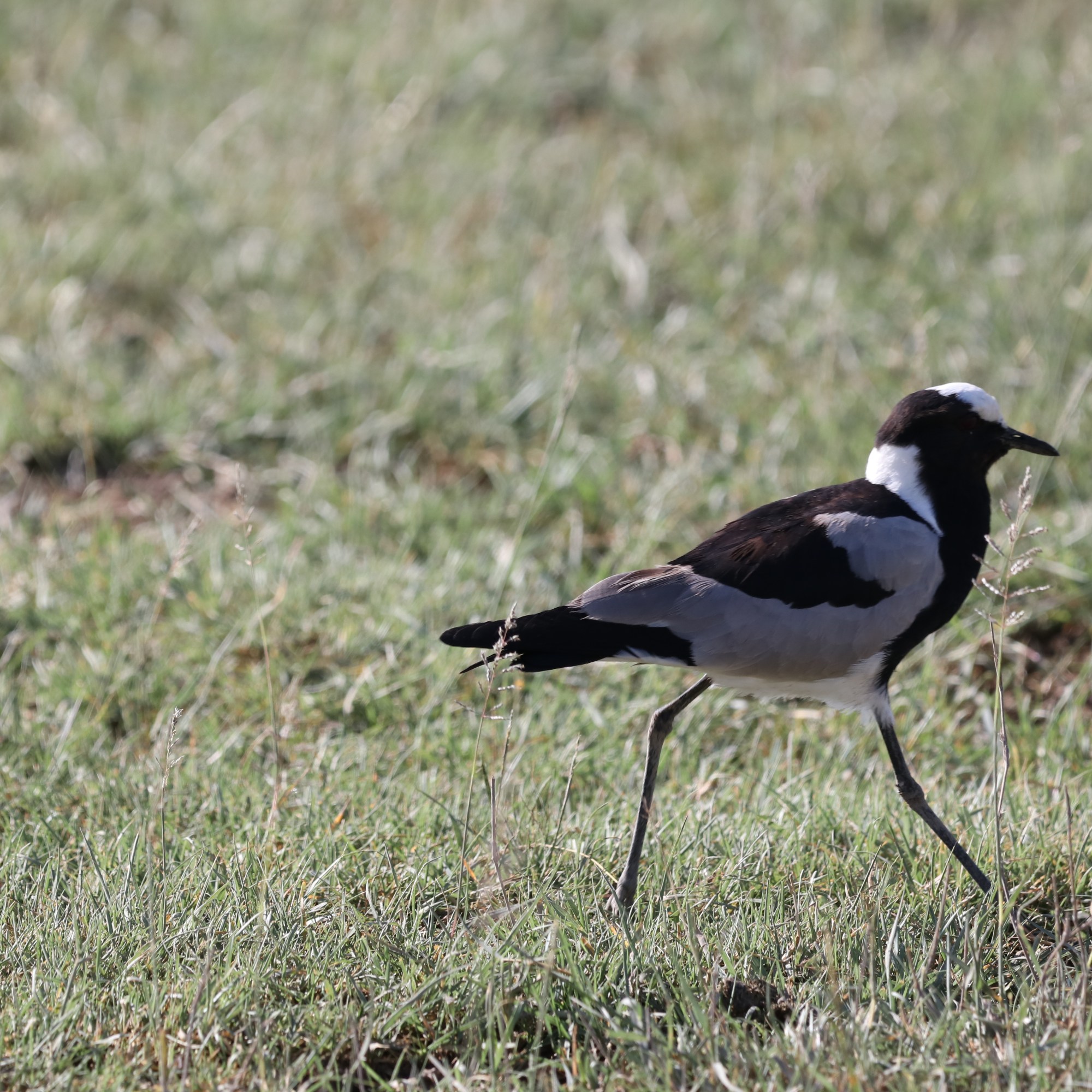
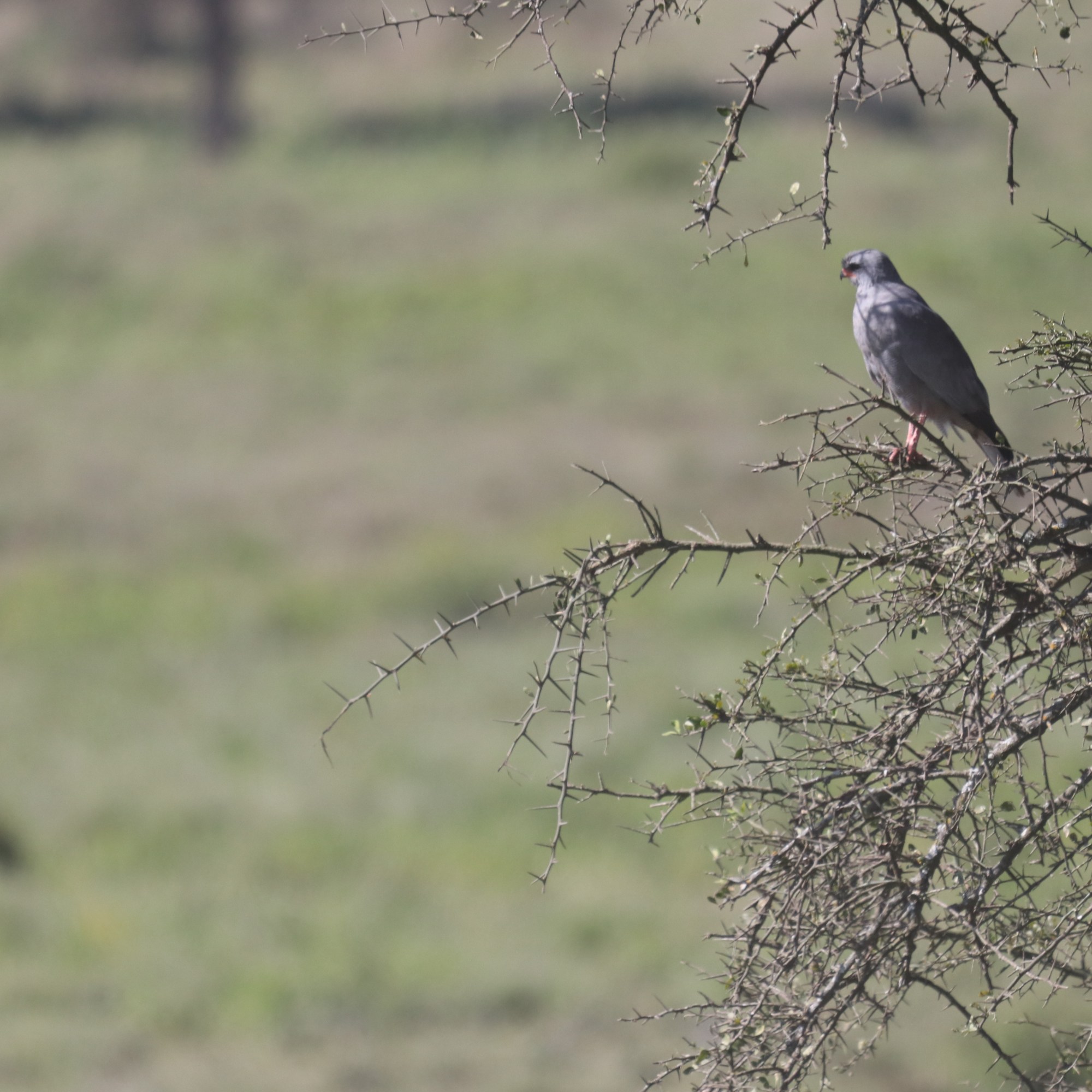
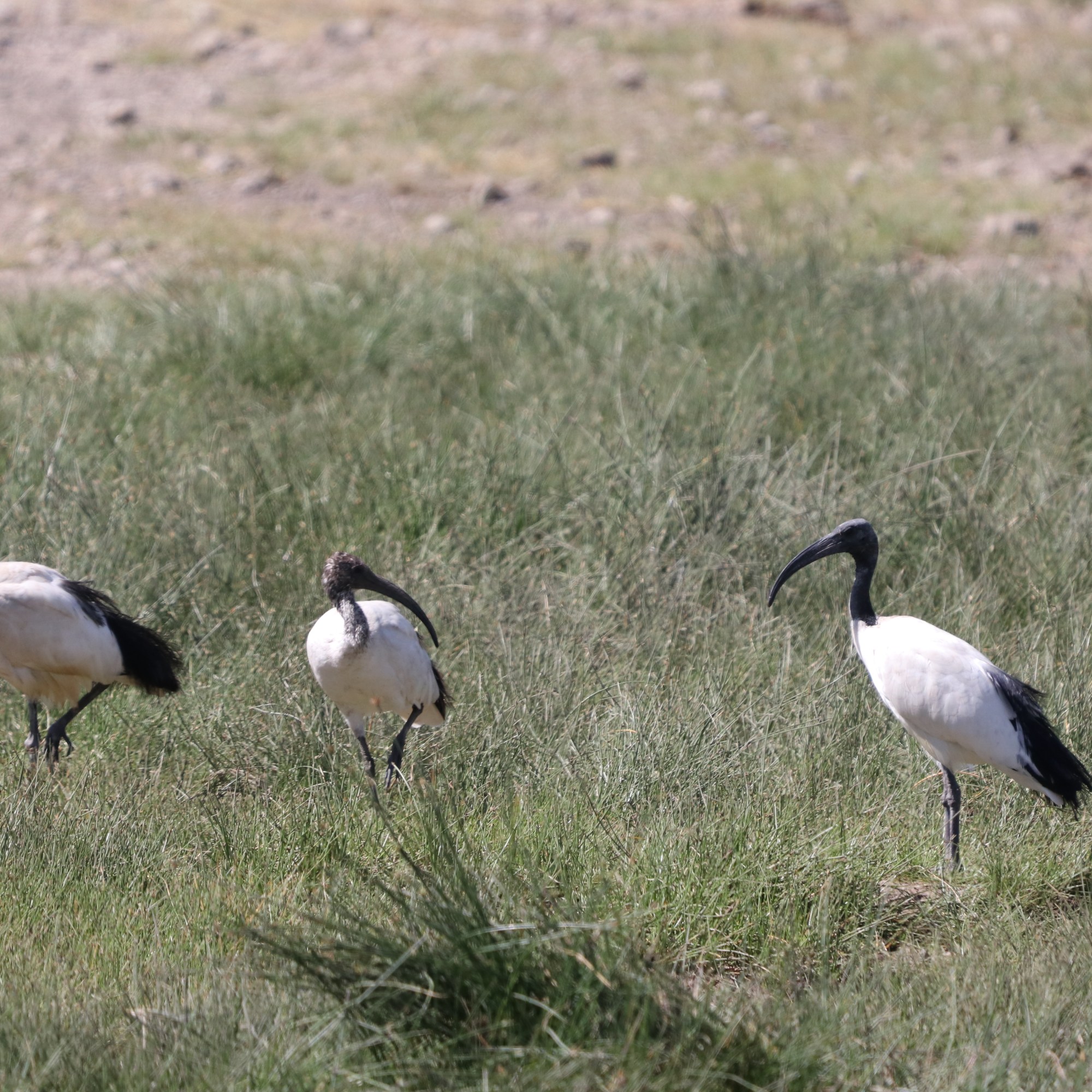
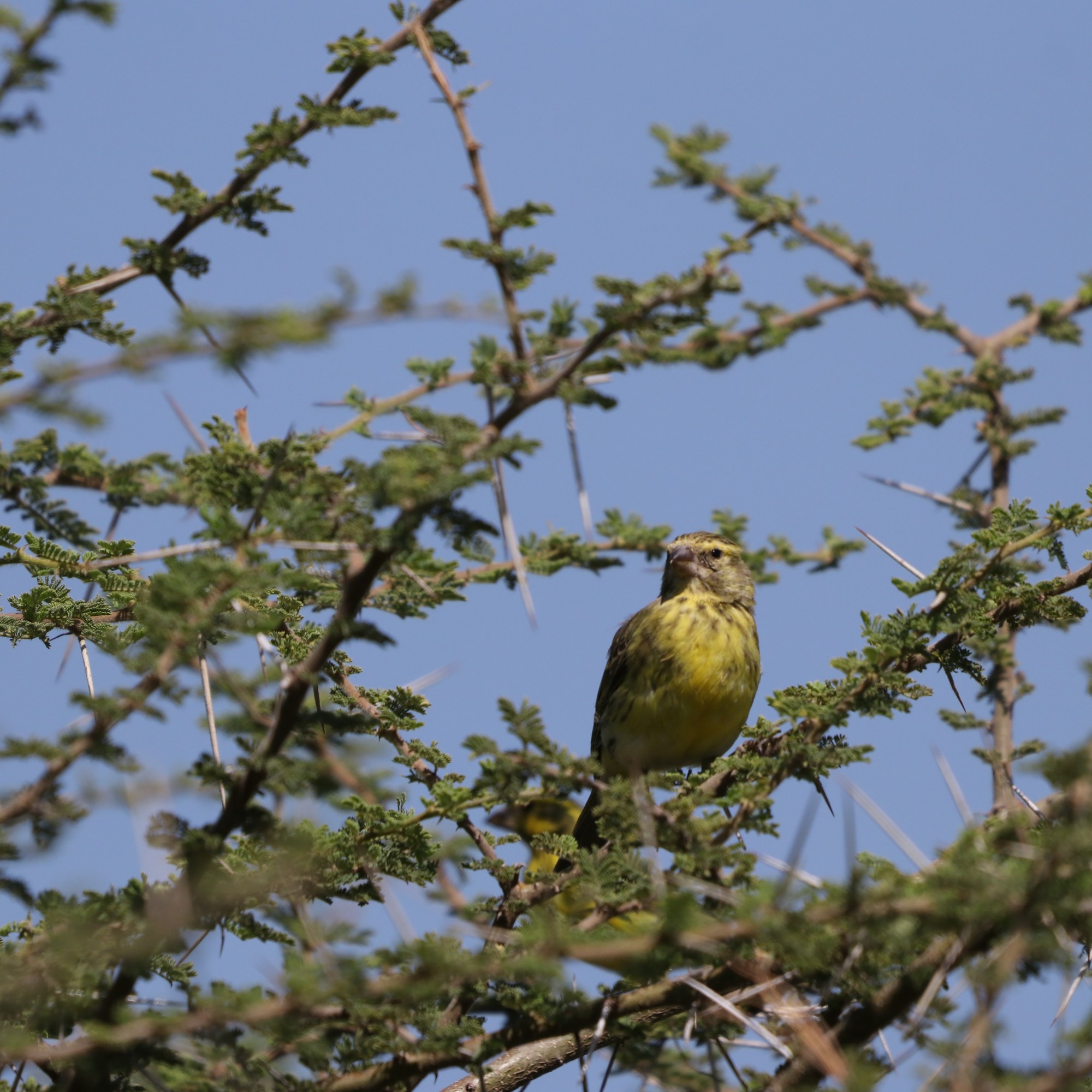
We also were lucky to spot a few new birds not seen before till now and the Majestic ‘killer of the savannah’, the secretary bird looking for food in the grass.
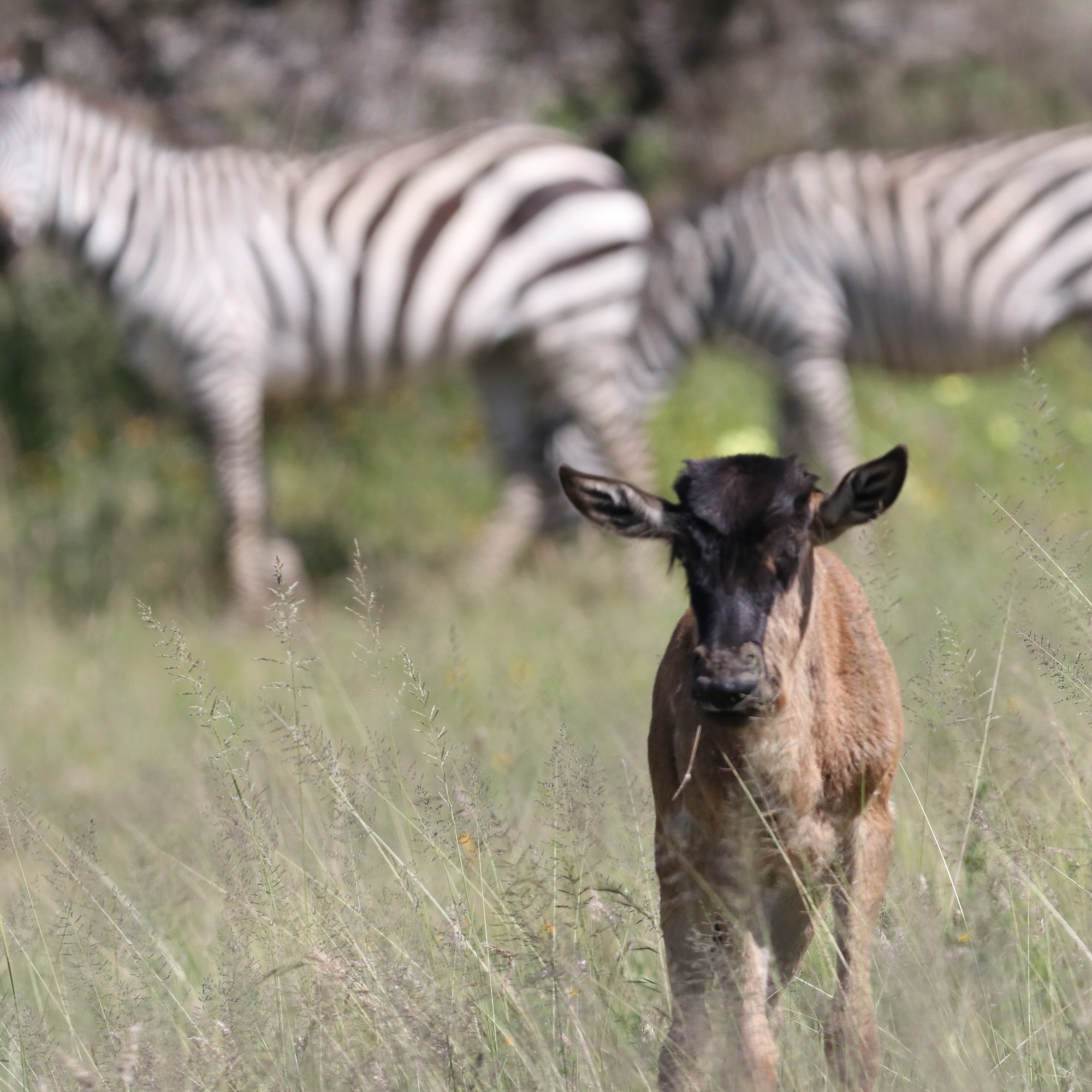
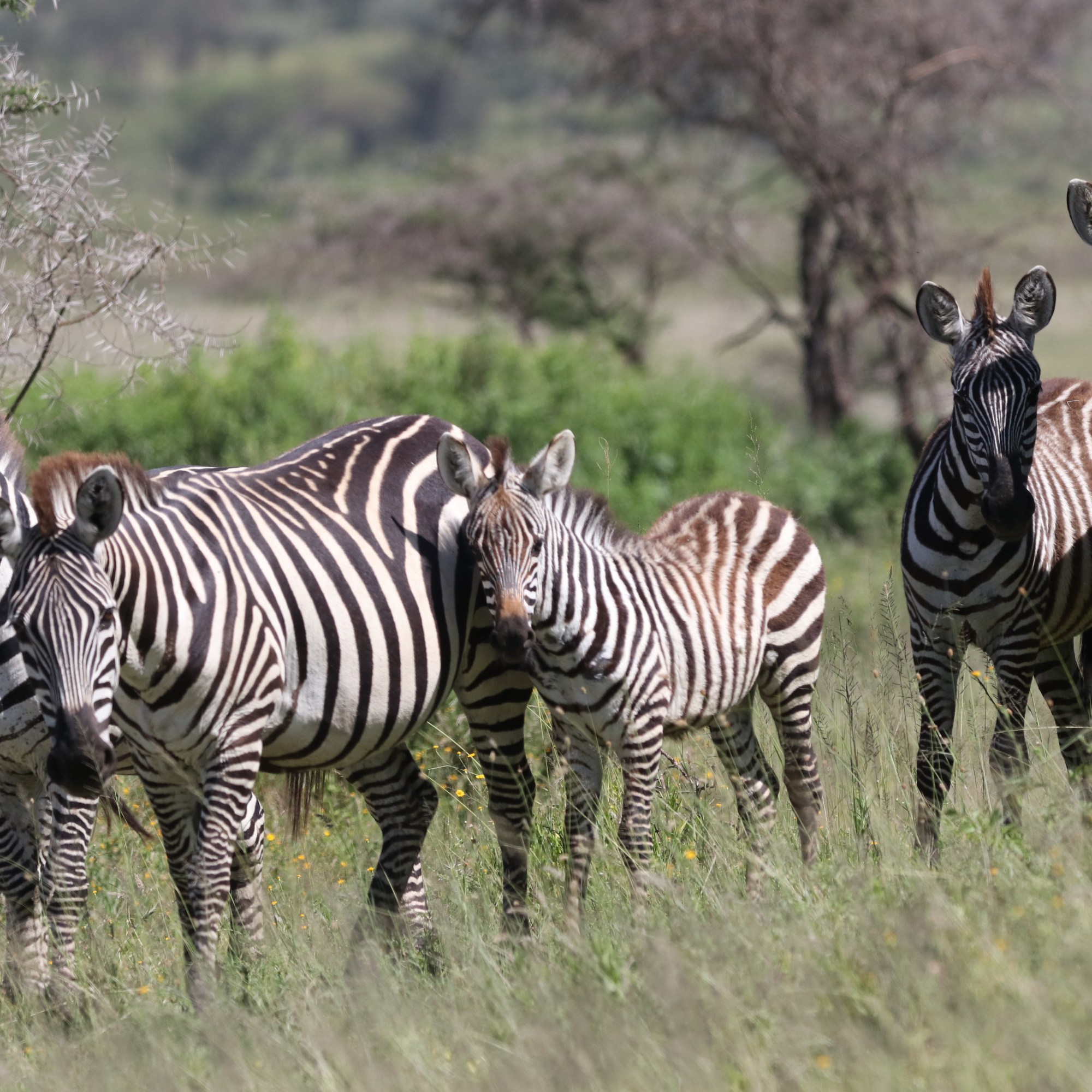
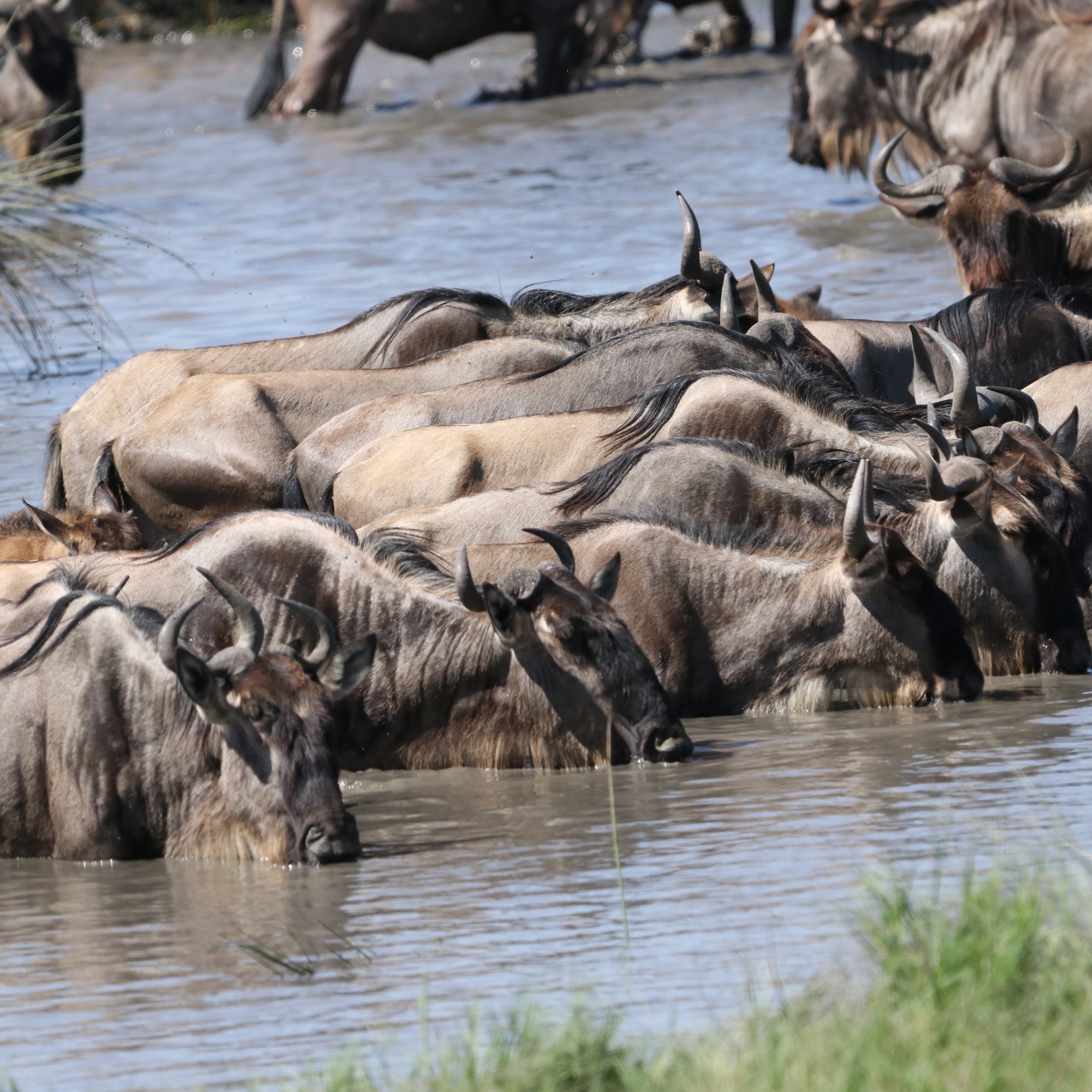
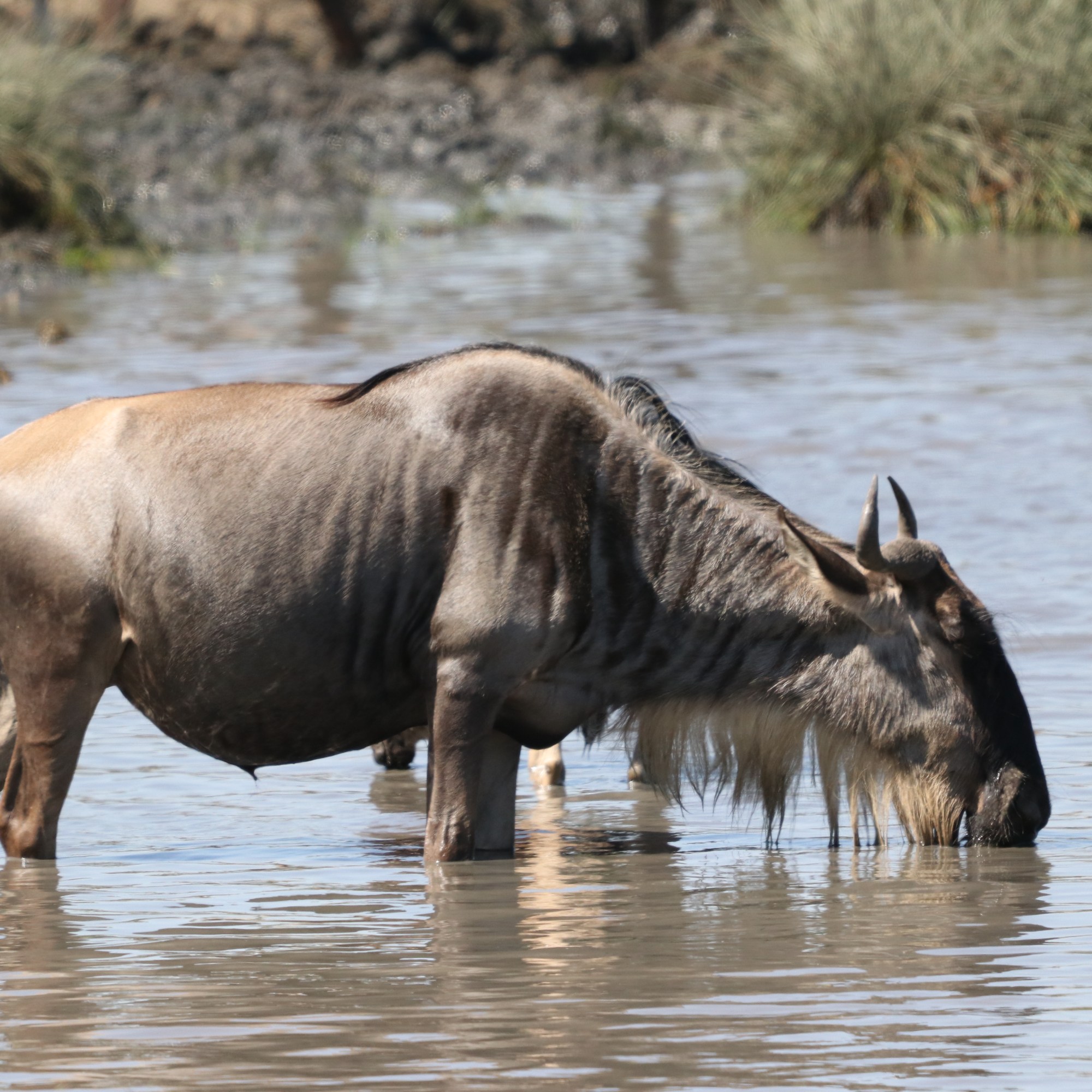
Getting up close to some of the young calves curiously watching us but instinctively knowing that we were not a danger to them was a cute and heart touching sight. On the way towards the marsh lands we came across a large herd of wildebeest and zebras on a watering hole making their turns to drink water. There was no stampede, it was pure organized system of a few going in and then calmly turning around in a circular path to make way for others.










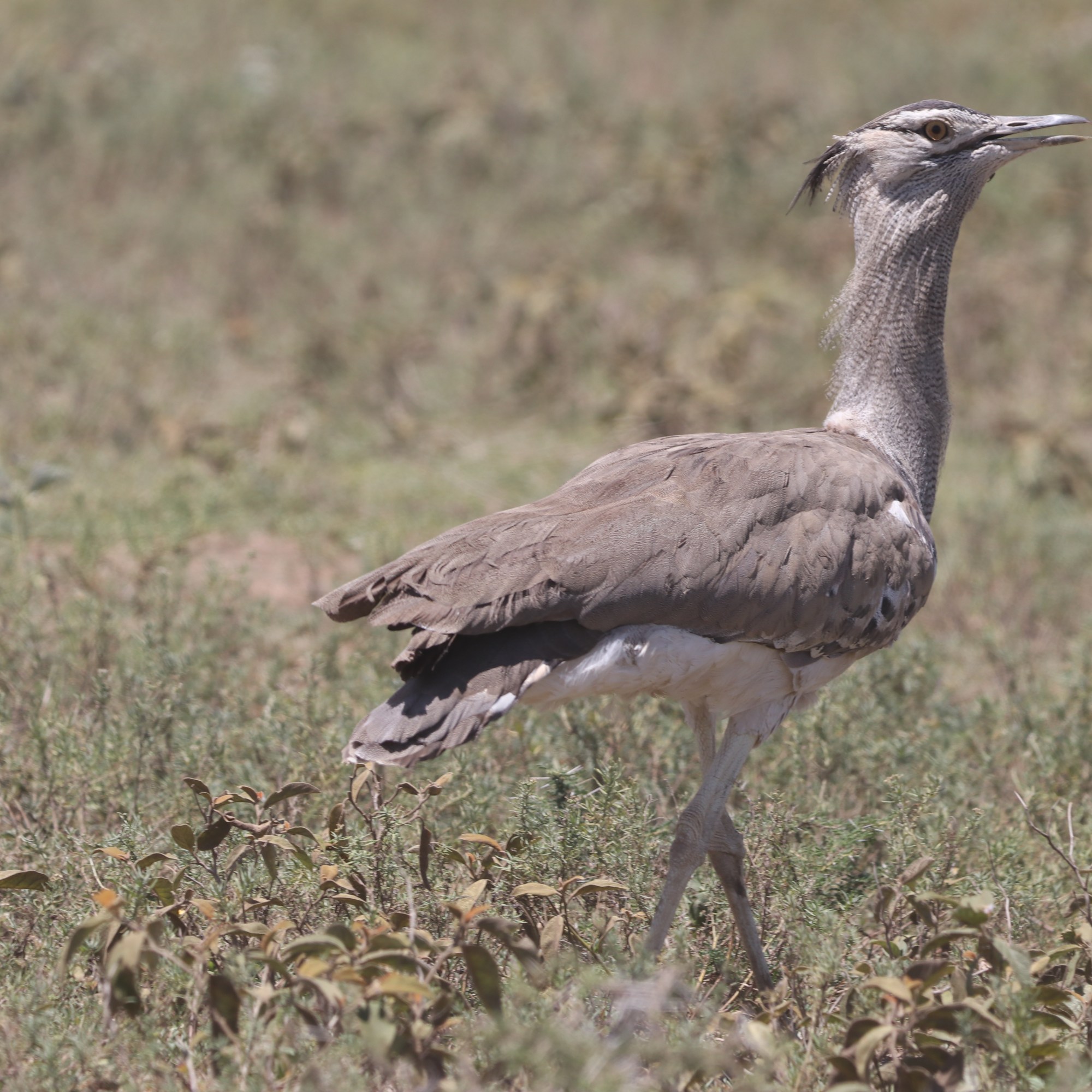
Known for being home to six species of big cats—lions, leopards, cheetahs, caracals, servals, and African wildcats—this area is an absolute paradise for predator sightings.
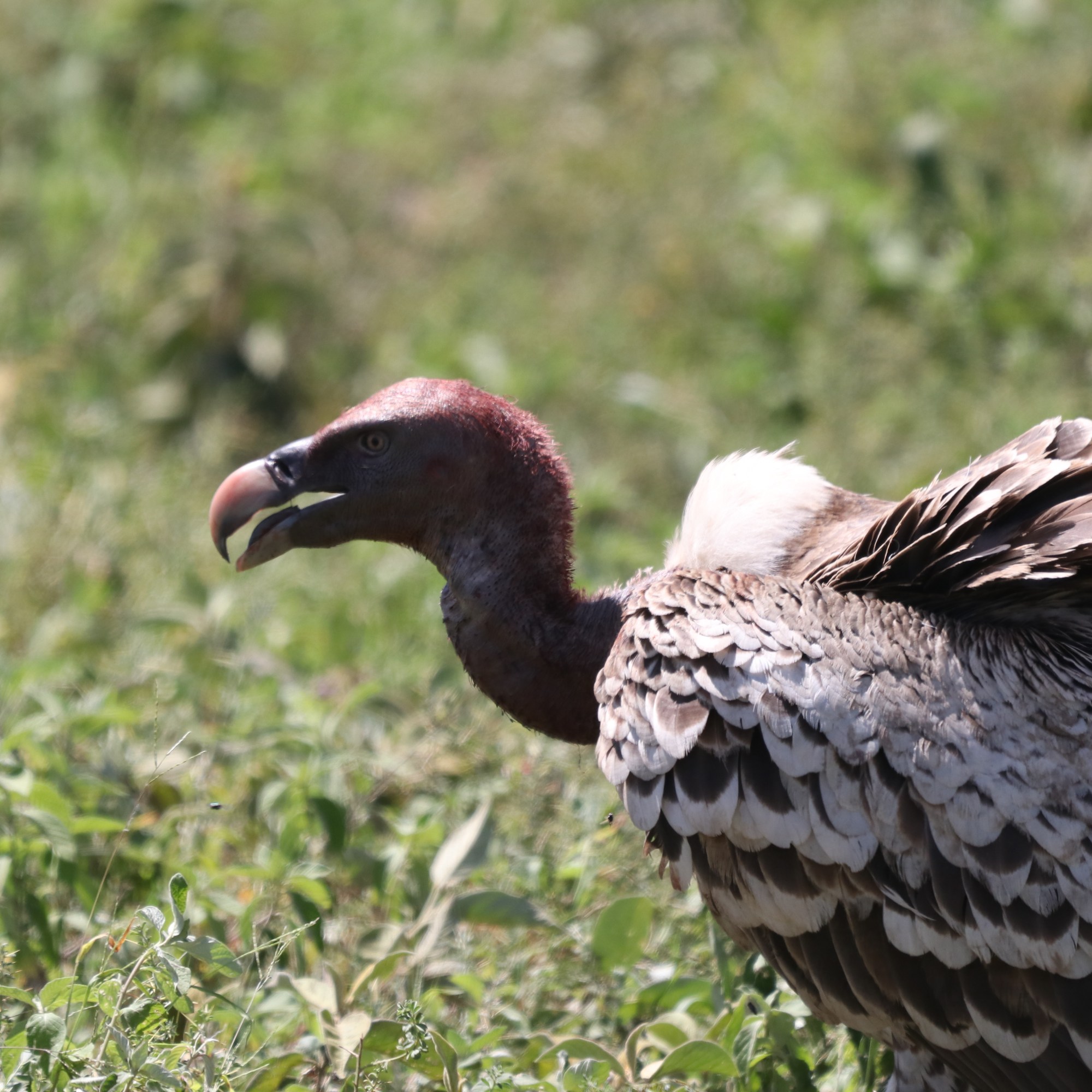
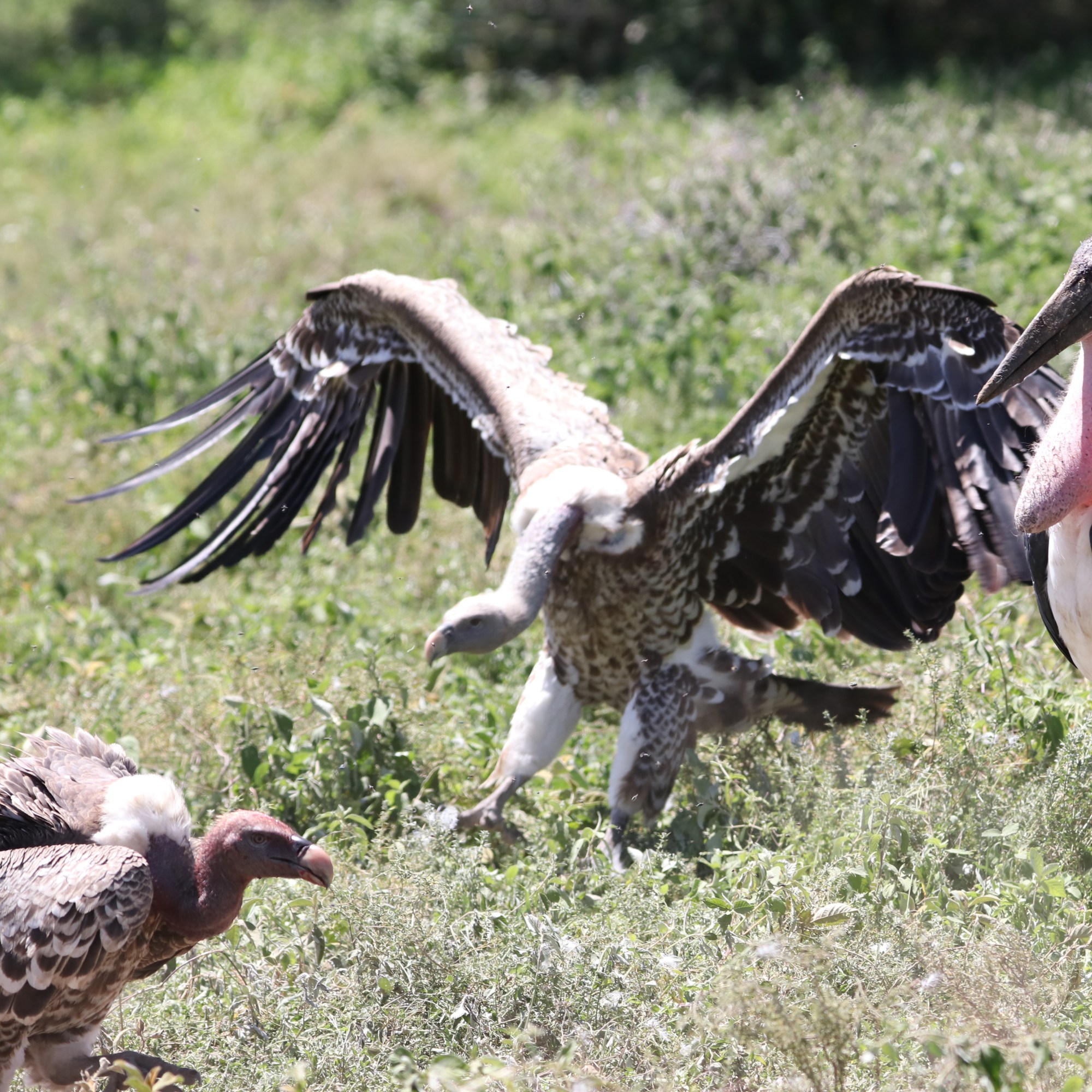
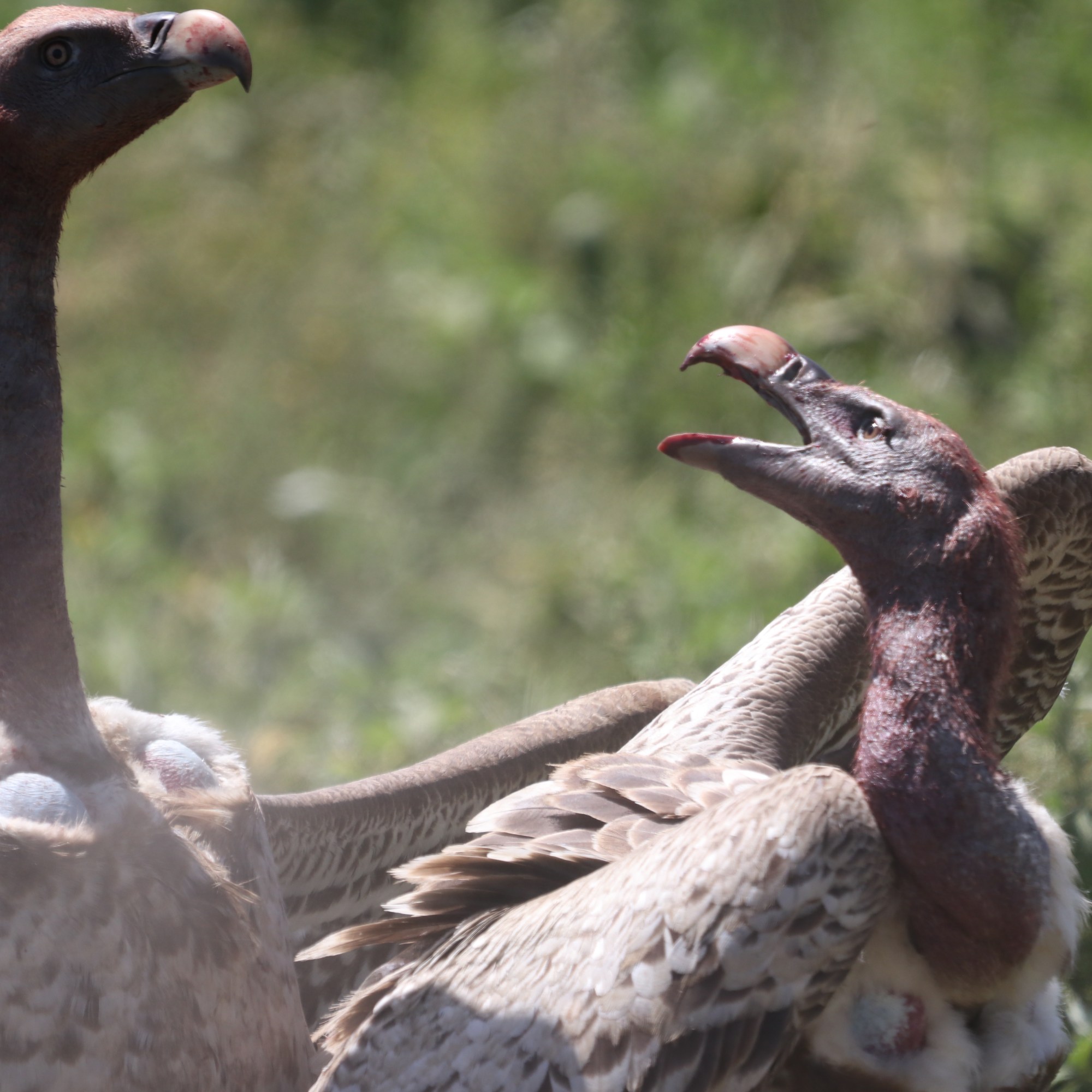
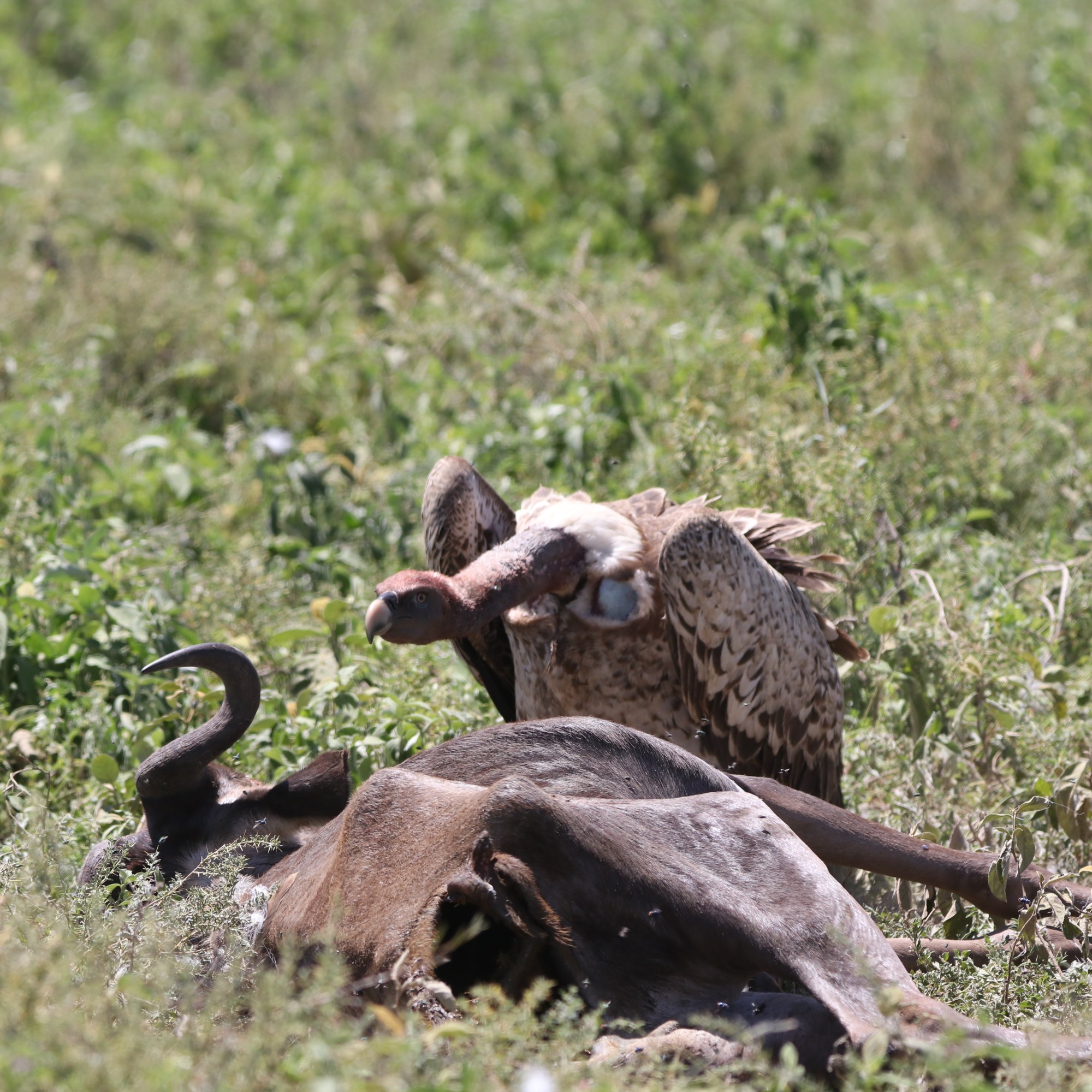
After the exhilarating experience from the morning with flamingoes and wildebeest we head towards the grasslands. This is the part where we were hoping to see some predatory action. We were greeted by the African eagle first and then we came across a recent kill that was being torn apart by the mean looking vultures and other scavenger birds. We stood there for some good time seeing the fights of the vultures to get their share and got some good closeup’s.
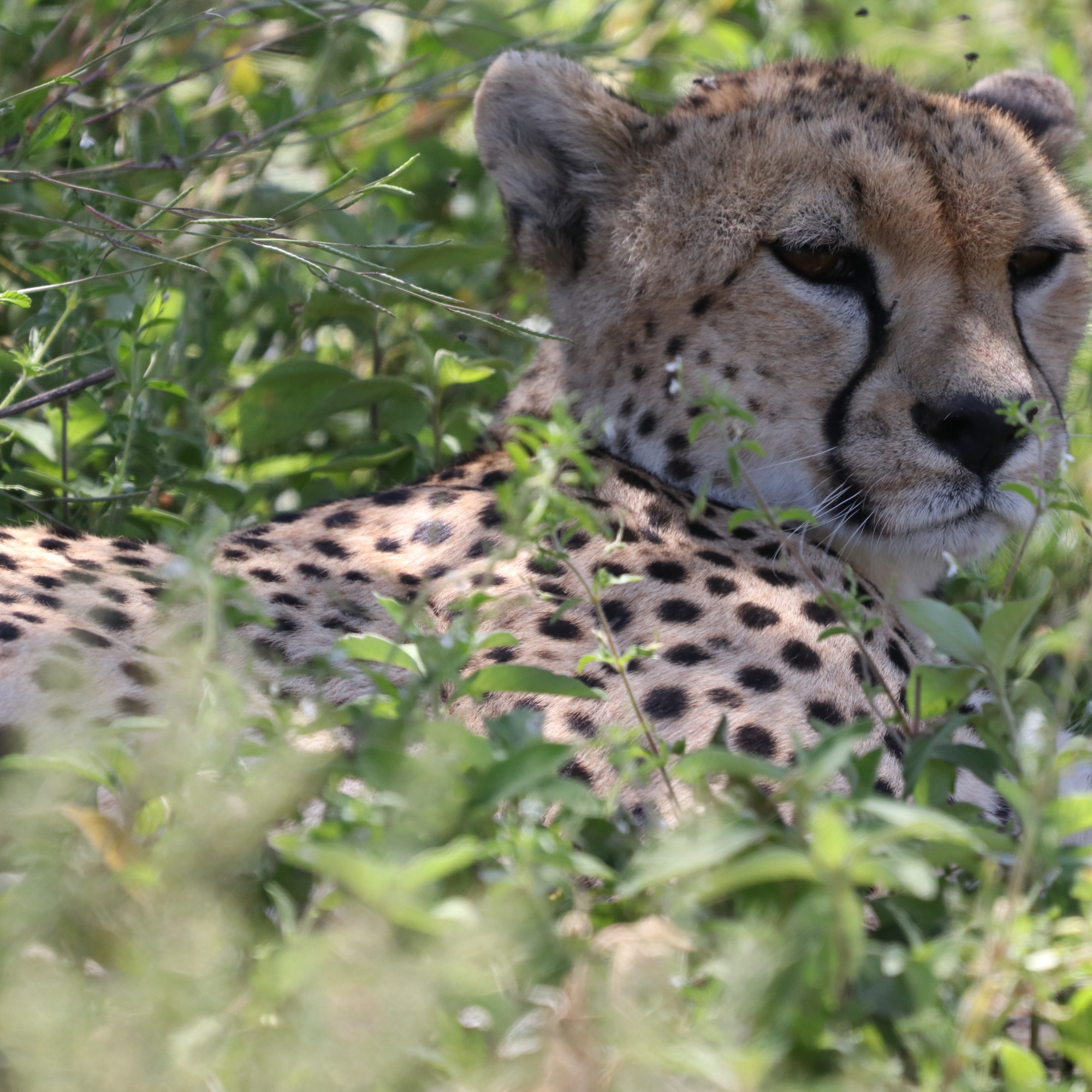
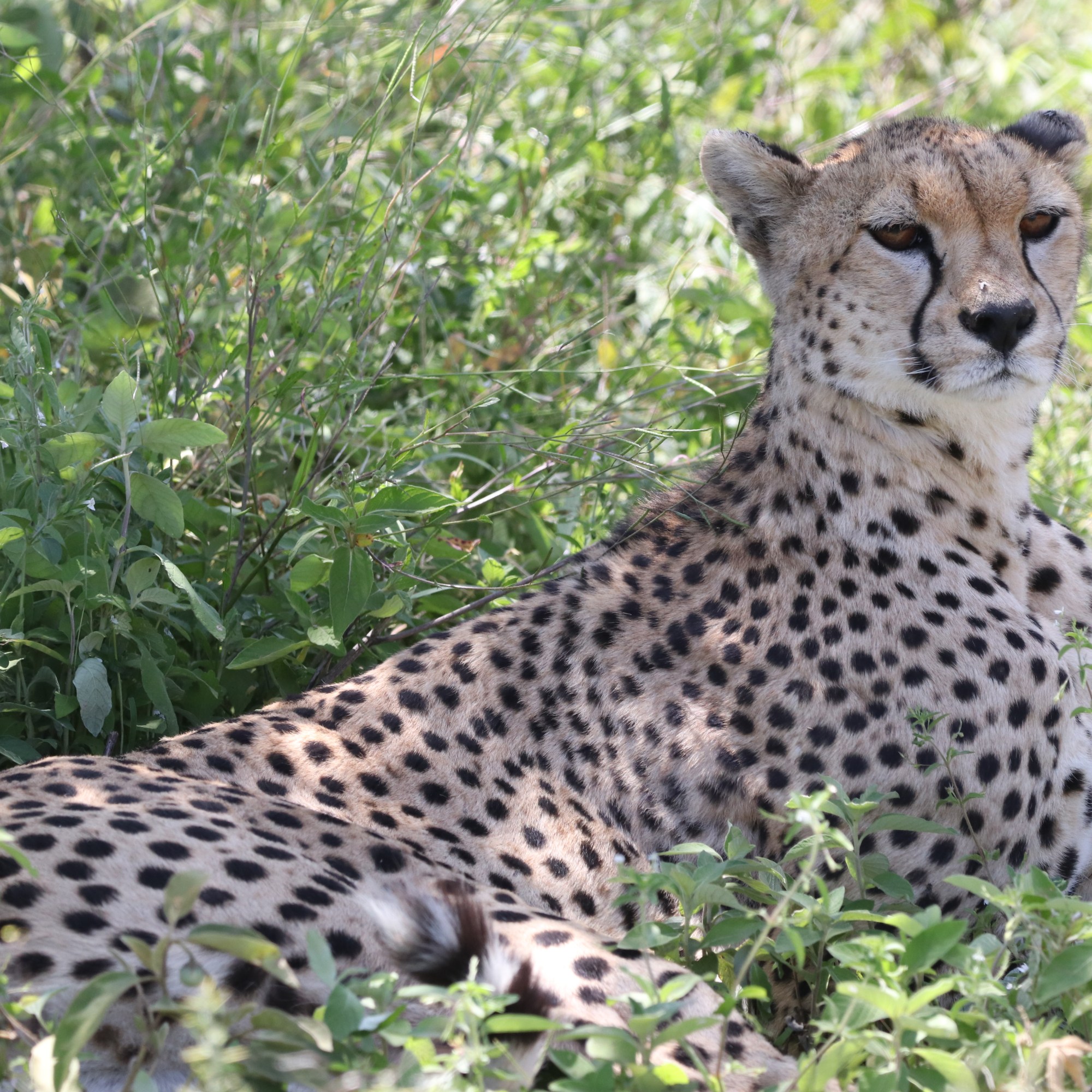
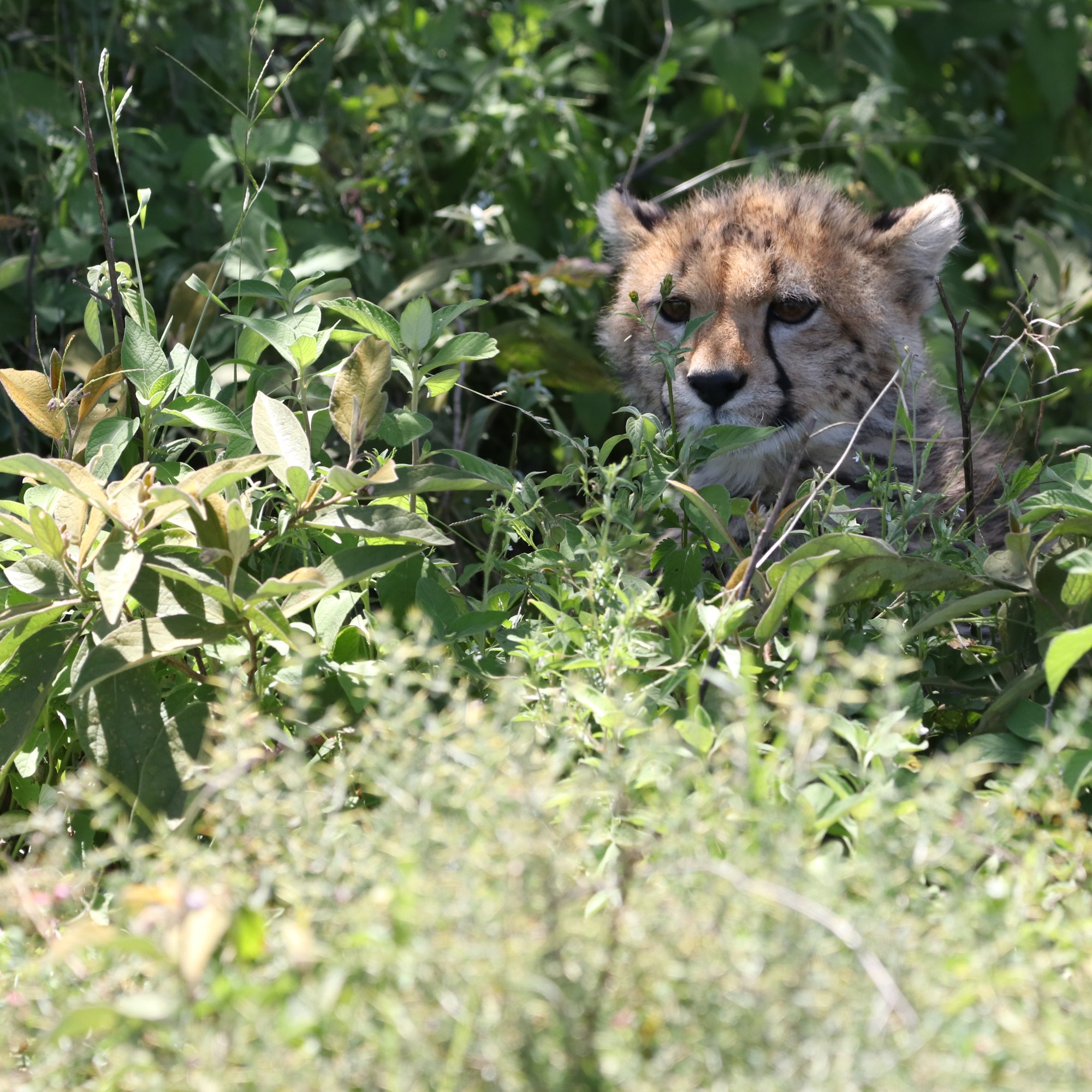
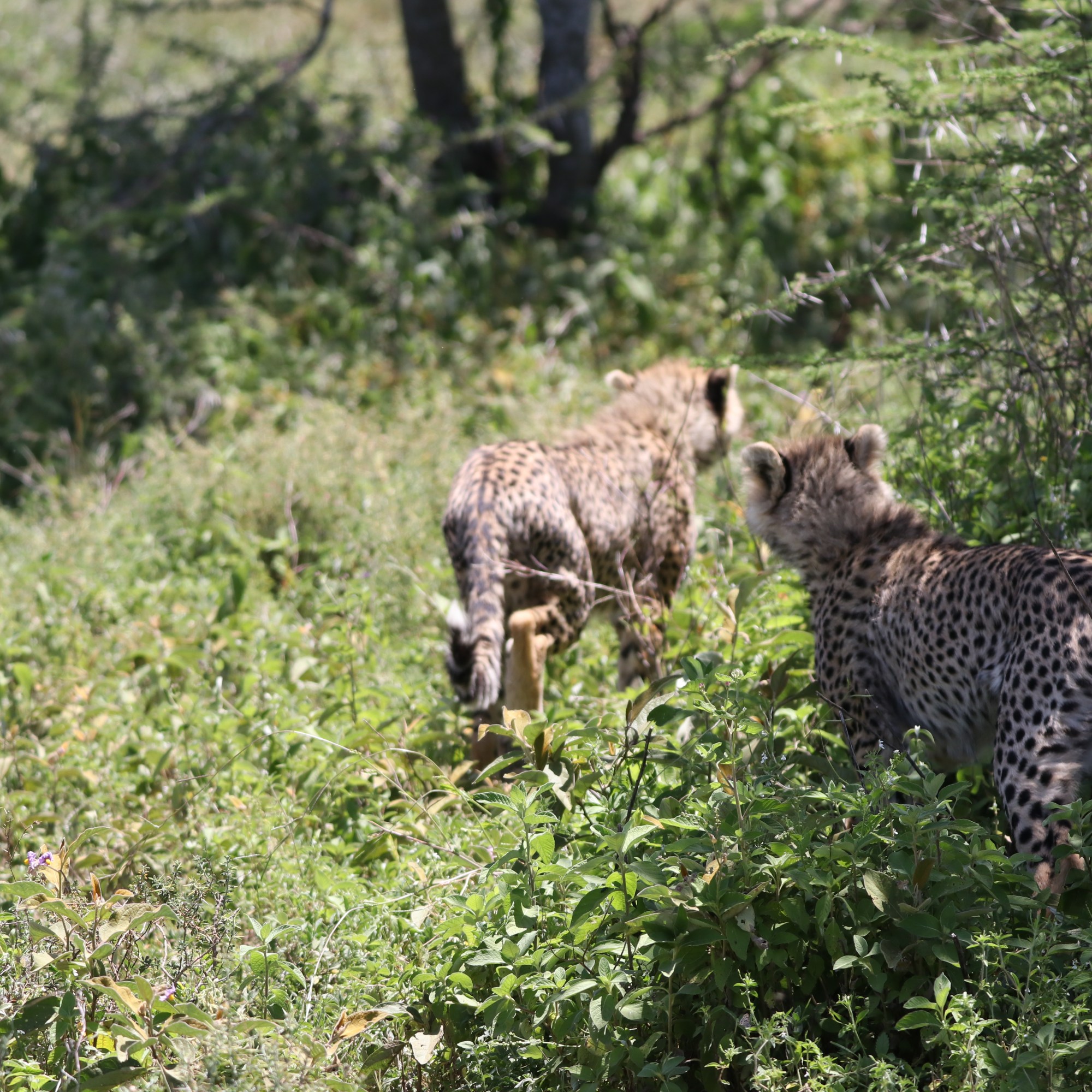
Moving along we came across the cheetah mom from yesterday who had travelled a lot of distance in search of the prey and was now resting with her cubs under the bushes but being ever so watchfull. They say that at a time there are only 5 vehicles allowed at such a sighting but as the jeeps poured in the cheetah got up and went to another bush away from the vehicles. Her two cubs followed her obediently and soon they were resting again in peace.
After a morning packed with wildlife sightings, we took a short break before starting our 125-kilometer journey to Karatu. The route takes us through some of the most fascinating and varied landscapes in Tanzania, each offering its own unique charm.
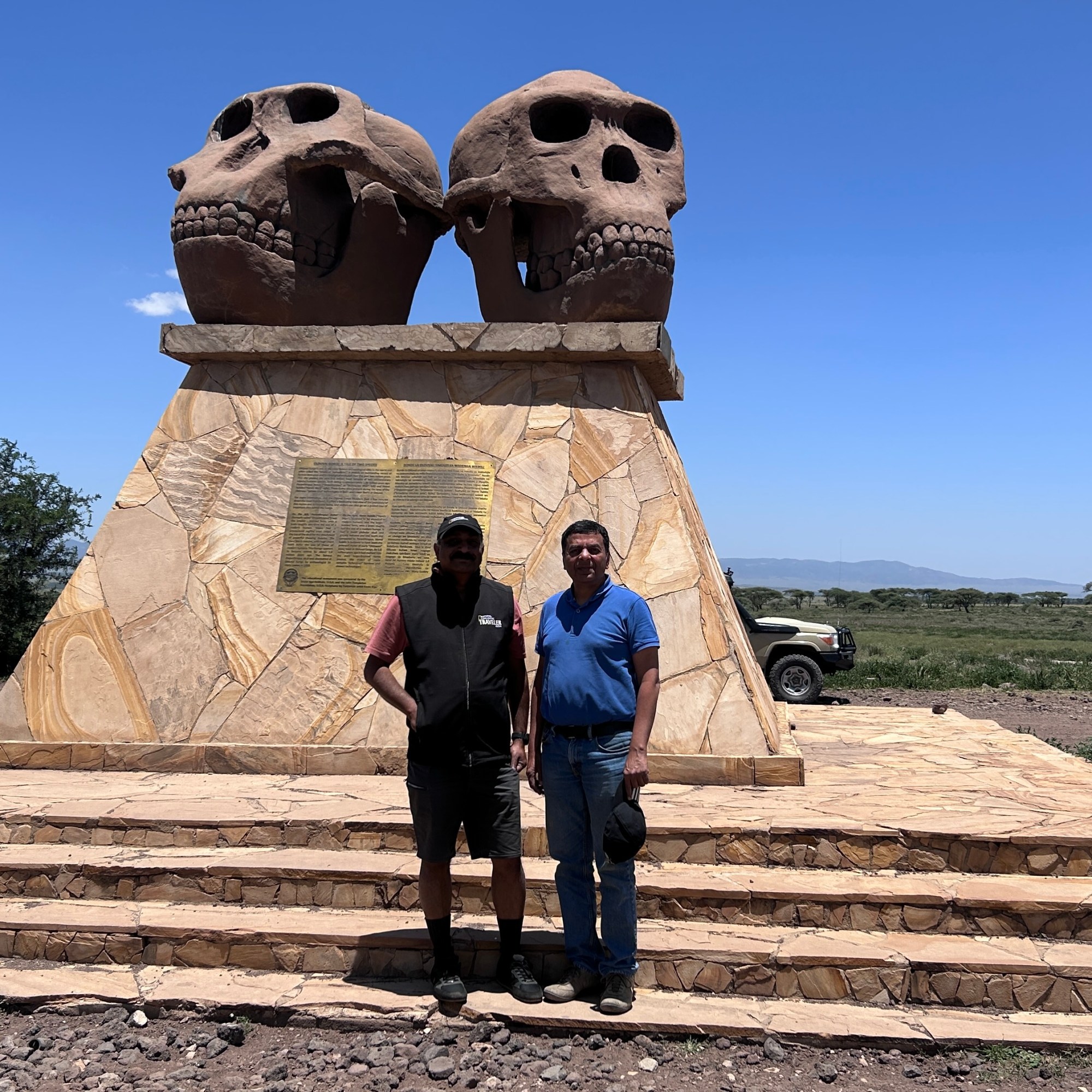
About halfway to Karatu, we make a stop at the legendary Olduvai Gorge. This UNESCO World Heritage Site is one of the most significant archaeological sites in the world. It’s here that Mary and Louis Leakey uncovered well-dated fossils and artifacts of our earliest human ancestors, providing invaluable insights into human evolution. Walking through this historic site, you can almost feel the weight of history beneath your feet.
Though we did not go inside but the on-site museum is an absolute treasure trove for history buffs, showcasing the discoveries made in the area and telling the story of how our species came to be. Standing on the edge of the gorge, gazing at its layers of exposed history, is a humbling experience.
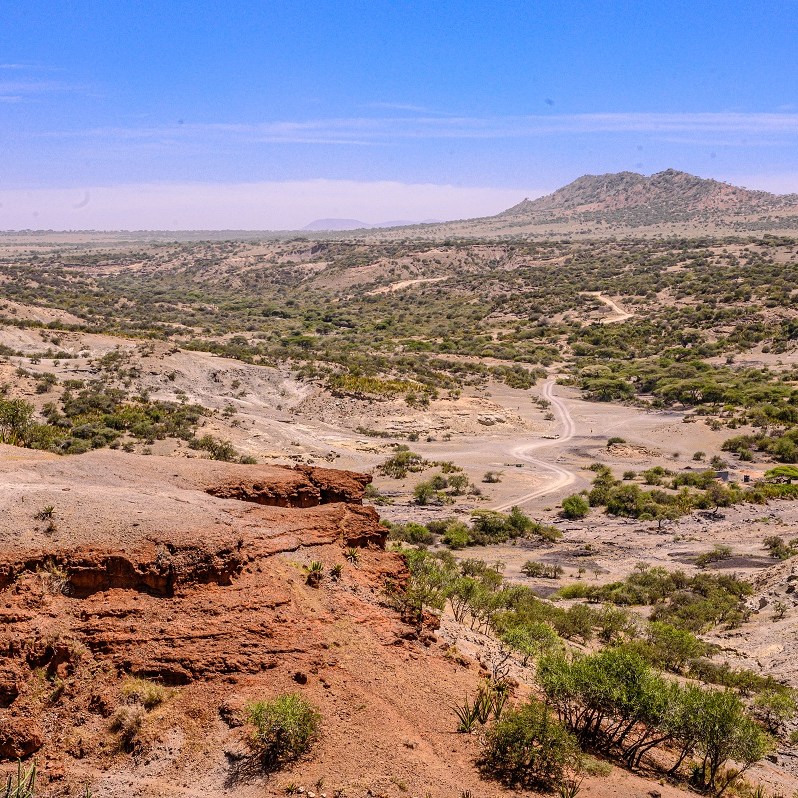
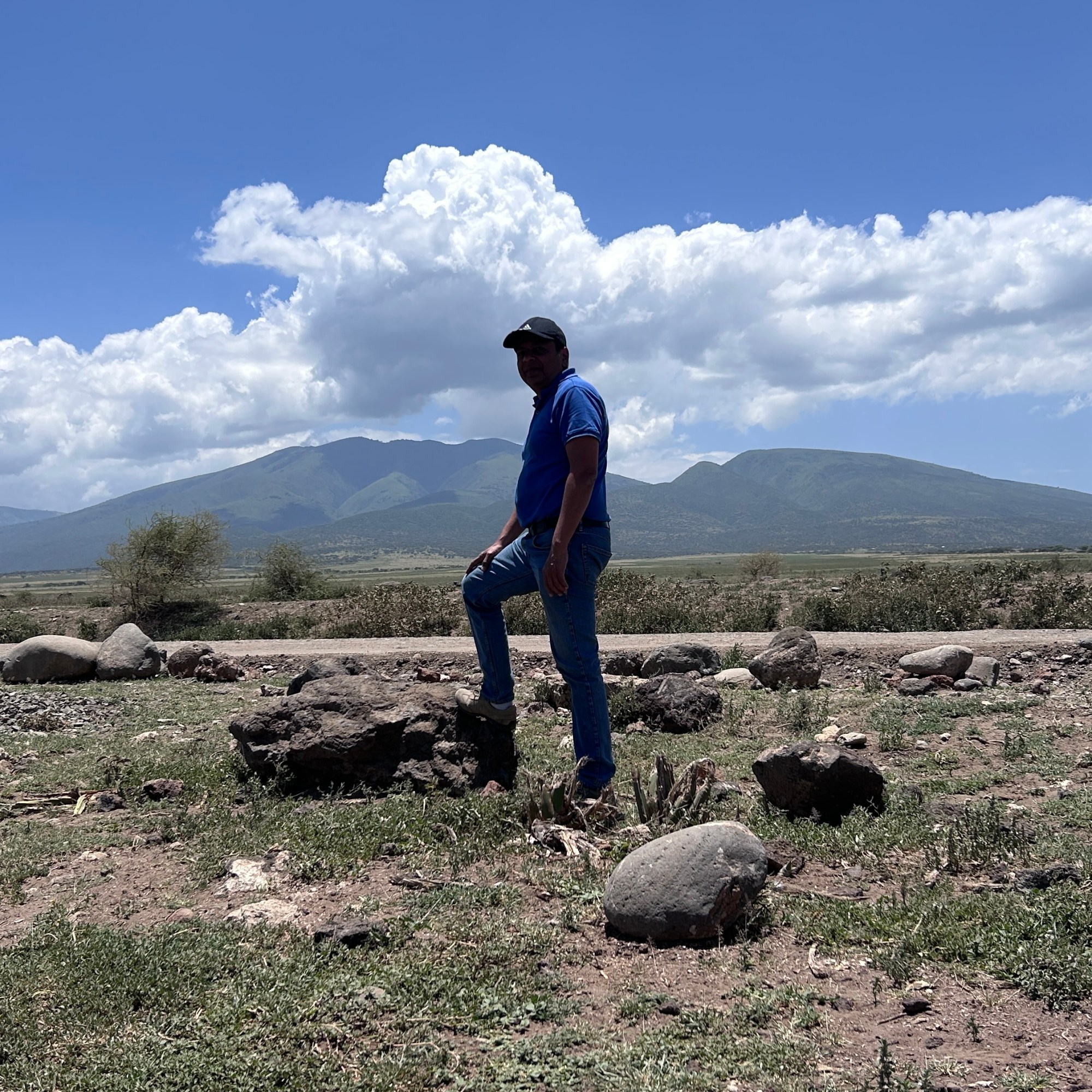

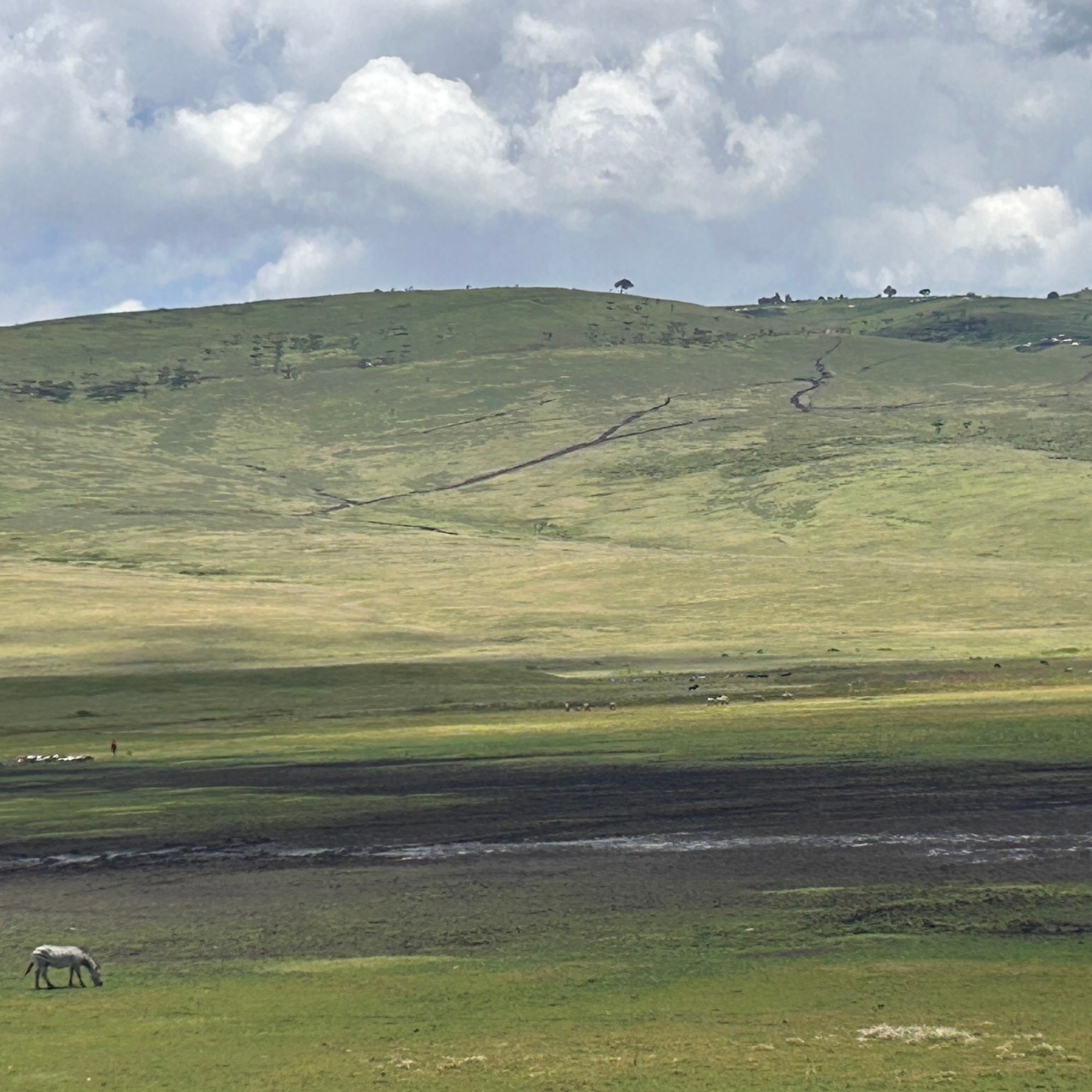


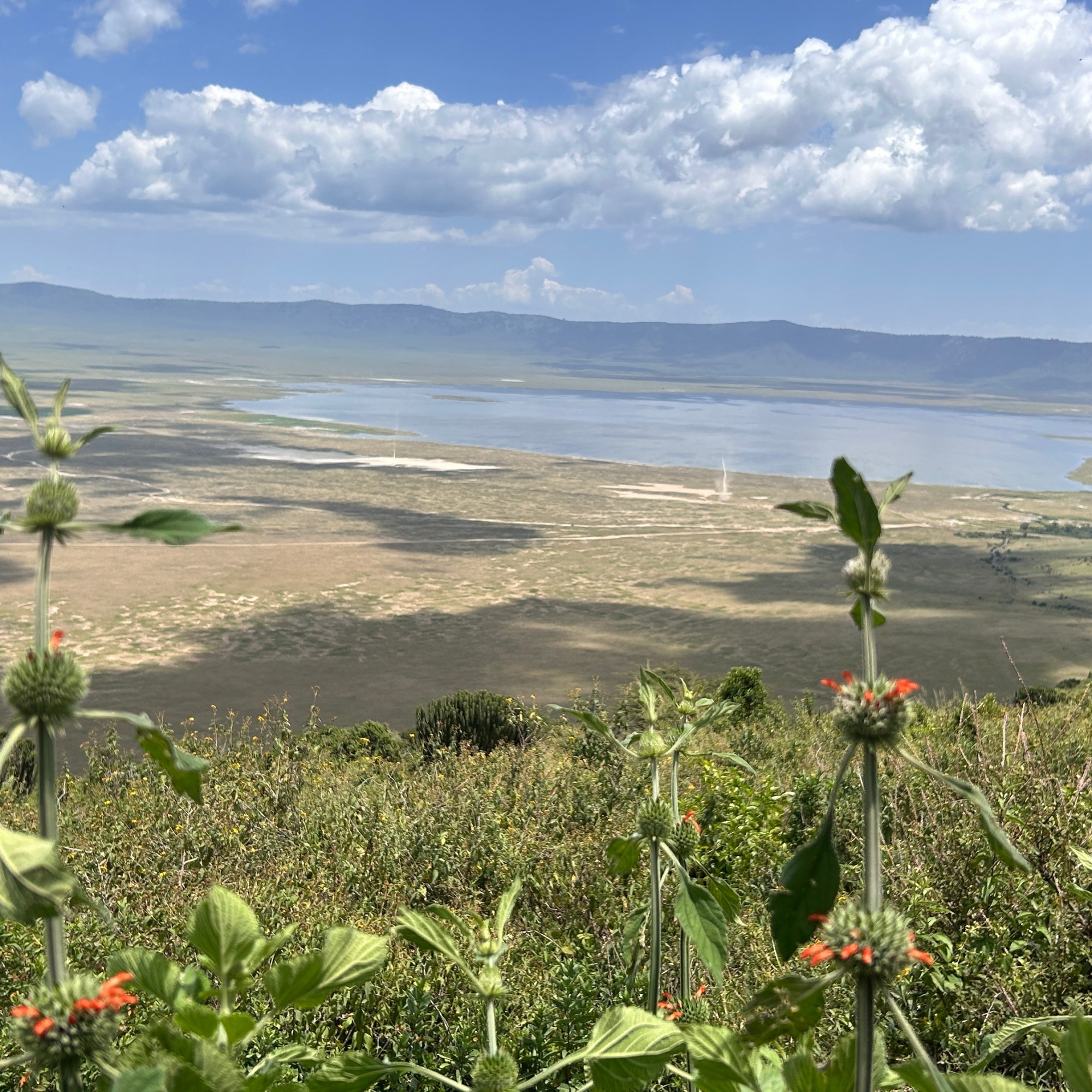
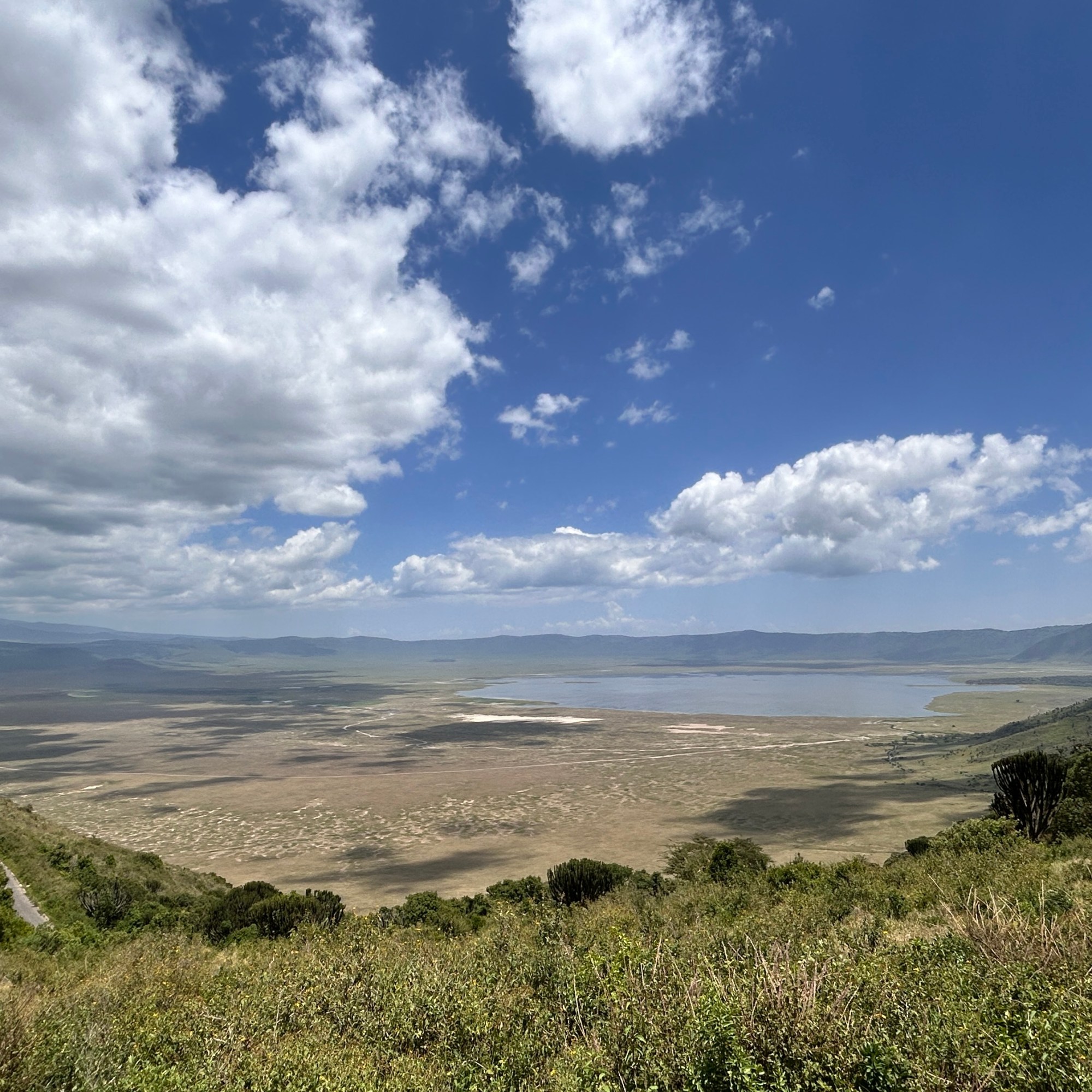
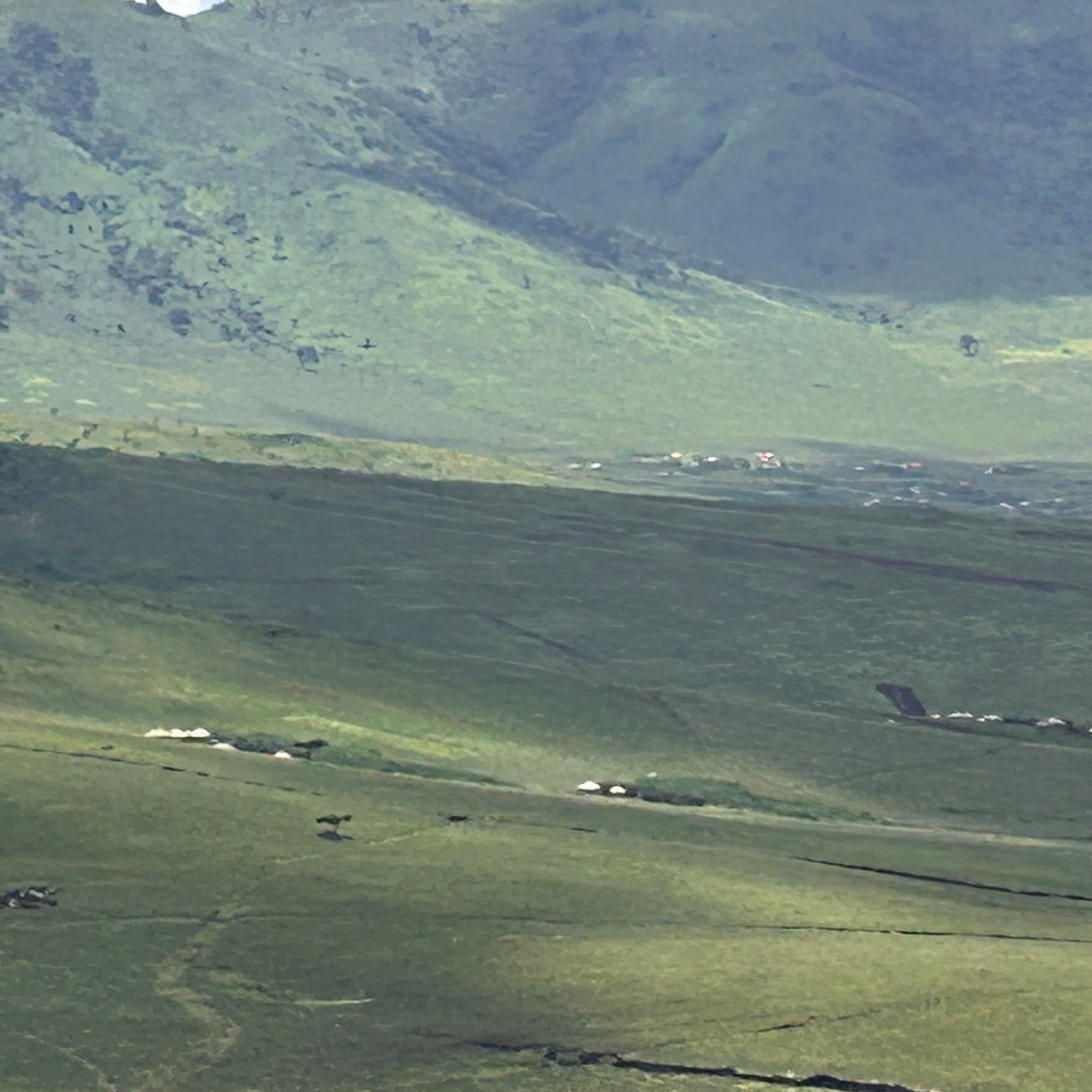
As we leave Olduvai behind, the landscape begins to change dramatically. The lush greens of Ndutu give way to the stark, arid terrain of the Malanja Depression. This barren yet beautiful expanse lies on the southern edge of the Serengeti plains, with Ngorongoro Mountain looming to the east. Formed by tectonic movement, this rugged depression offers breathtaking vistas that seem to stretch forever.
Finally, as we climb out of the depression, we’re greeted once again by the lush greenery of the Ngorongoro Caldera. A quick stop at a viewpoint gives us another chance to marvel at the crater’s majesty. It’s impossible not to be captivated by this natural wonder, no matter how many times you see it.
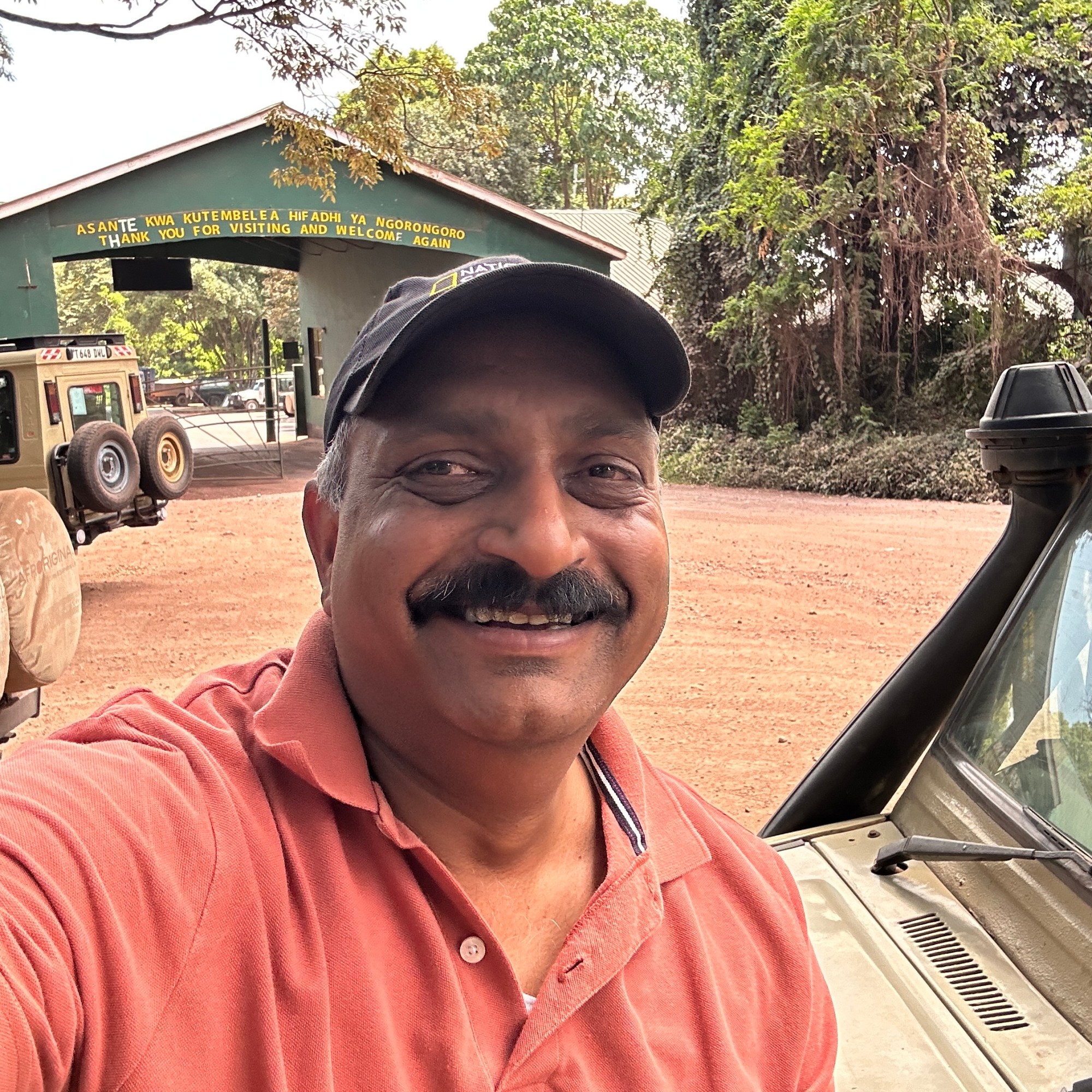
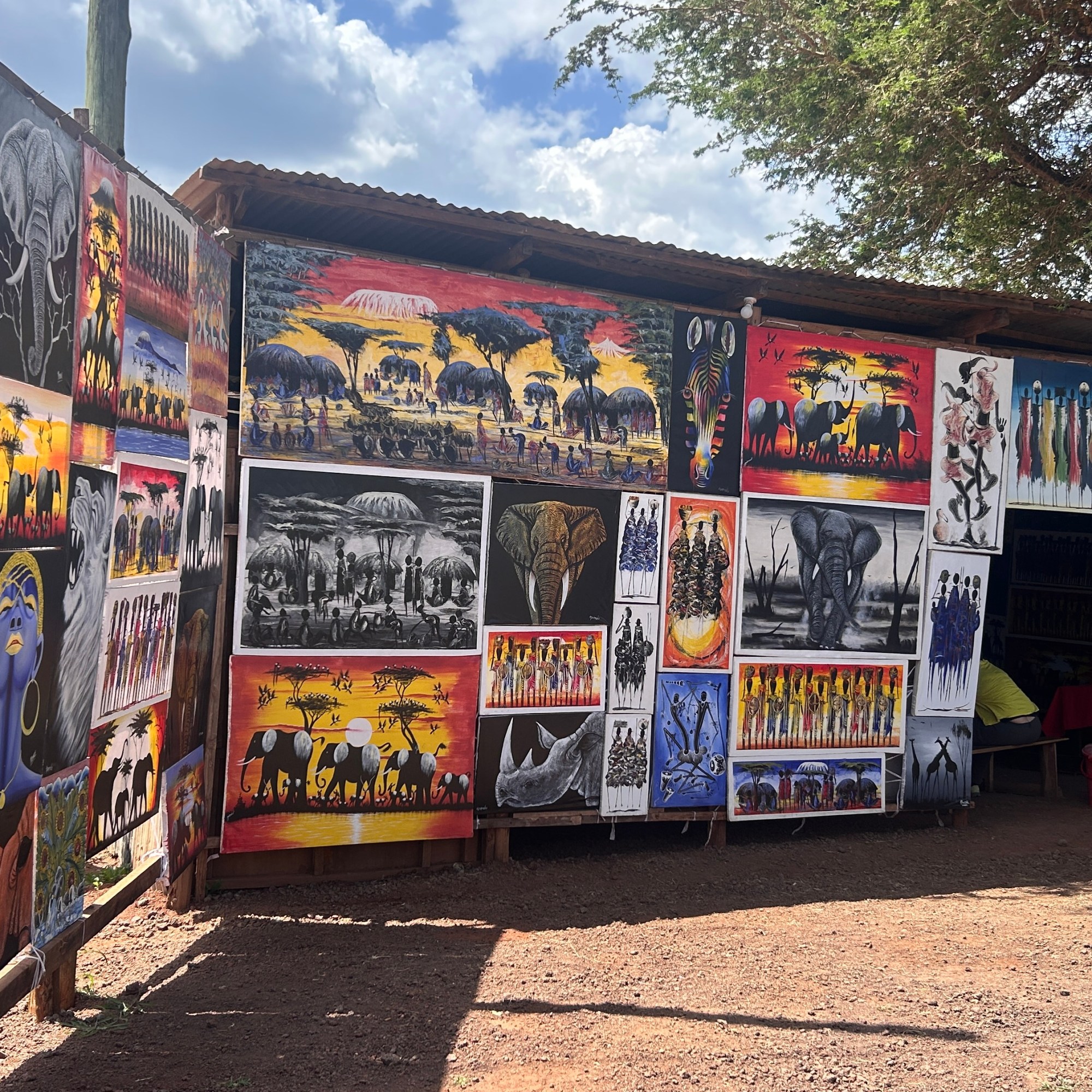
Since we had to exit the Ngorongoro gate before 3pm we asked the driver not to stop and had our lunch a bit late after the gate on a small rest stop. The curio shops had great display of artwork and other local african crafts for sale. After lunch we continued to our final stop at our lodge. Our journey for the day ends here in the charming town of Karatu, often referred to as “Safari Junction.” Nestled between Lake Manyara National Park and Ngorongoro Crater, Karatu is the perfect base for exploring Tanzania’s northern safari circuit.
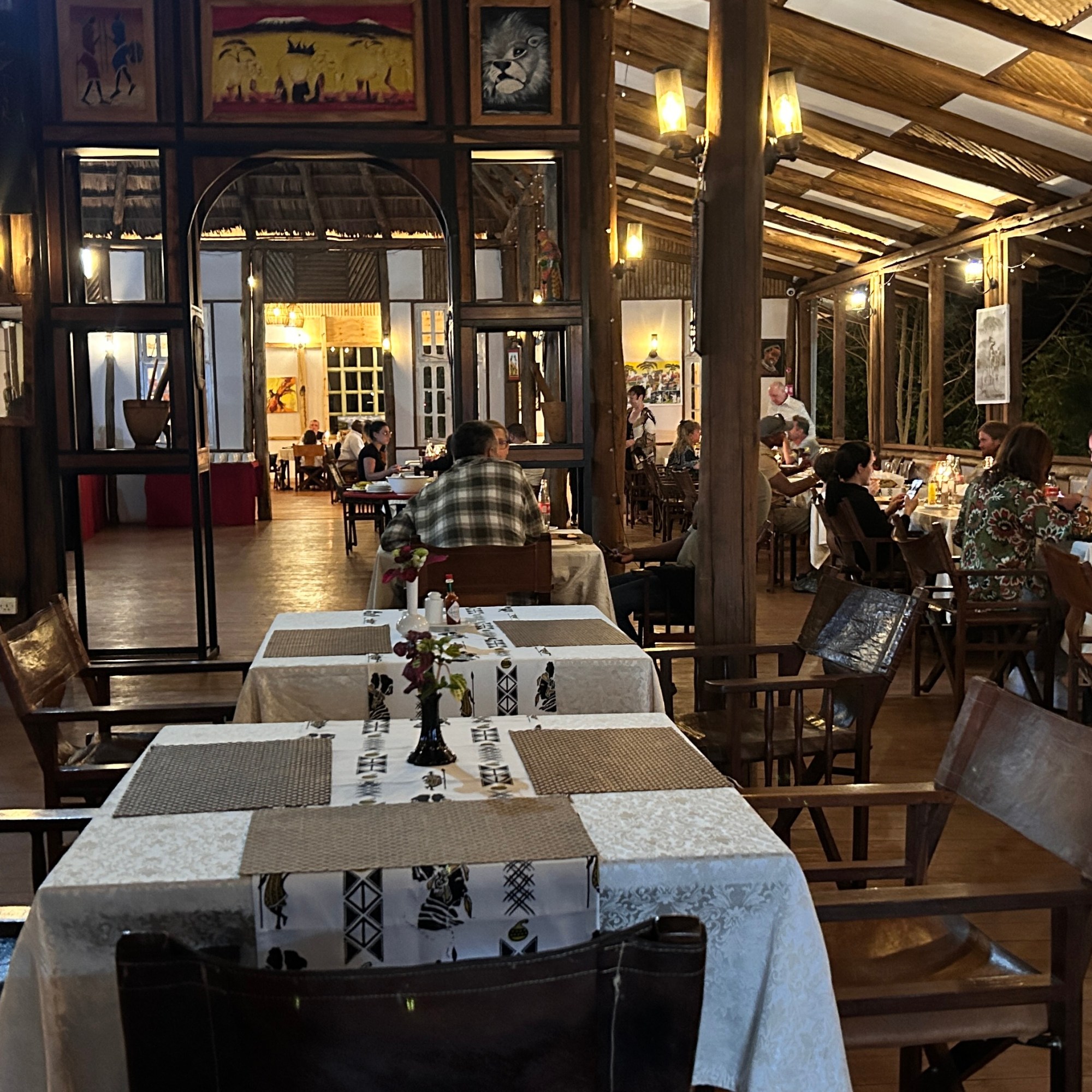
For the next two nights, we’ll be staying at Eileen’s Trees Inn, a small, owner-operated lodge on the edge of town. The inn’s cozy accommodations and tranquil atmosphere provide the perfect antidote to the excitement of the past few days.
After checking in, we unwind with a delicious dinner and take some time to reflect on the day’s adventures. The sounds of the African night chirping crickets, distant animal calls lull us into a peaceful state of mind. With a full day at the majestic Ngorongoro Crater ahead of us tomorrow, we’re ready to rest and recharge.



Today has been a beautiful blend of relaxation, discovery, and awe-inspiring sights. From the wildlife-rich marshlands of Ndutu to the historic depths of Olduvai Gorge, each moment has added another layer to this unforgettable journey.
As we settle in for the night at Eileen’s Trees Inn, I can’t help but feel a sense of gratitude. Tanzania continues to amaze with its diversity, beauty, and timelessness. Tomorrow, we venture into the Ngorongoro Crater, a place I’ve been dreaming of seeing for a long time. The adventure is far from over, and I can’t wait to see what’s next!
Experience the complete Day -3 of the safari on my YouTube video below:


 Roads That We Crave For
Leave a comment