
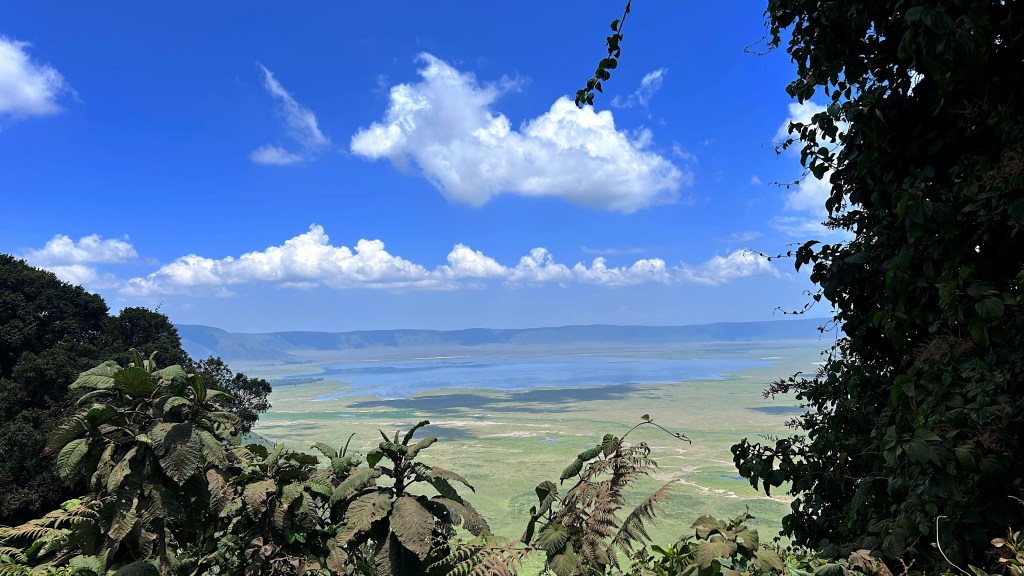
Ngorongoro Crater is not just a safari destination—it’s a spectacle of nature, a place where the earth’s raw power and beauty are on full display. Located in northern Tanzania, this ancient caldera, formed from the collapse of a towering volcano over 2.5 million years ago, offers an otherworldly experience that will leave you awe-struck.


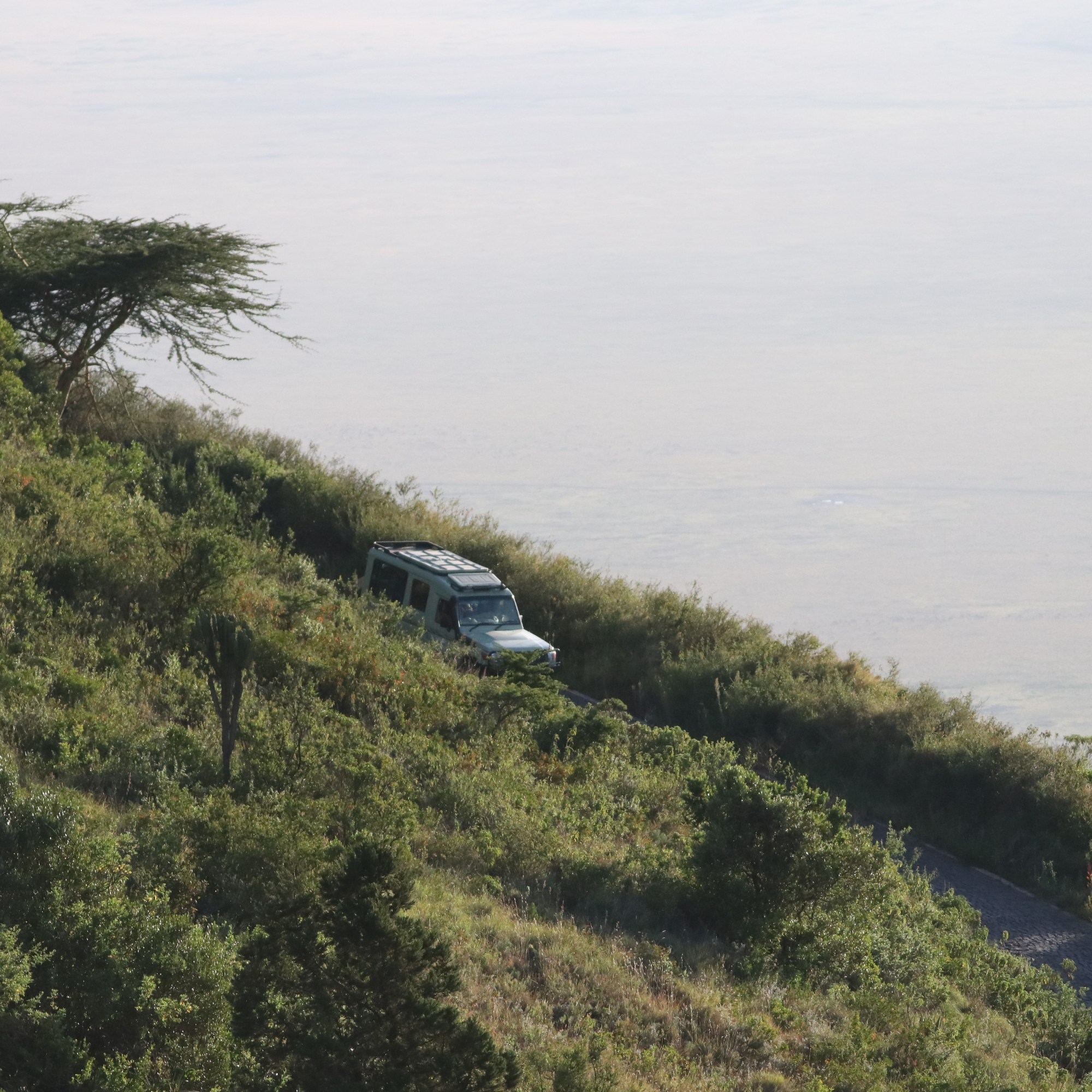
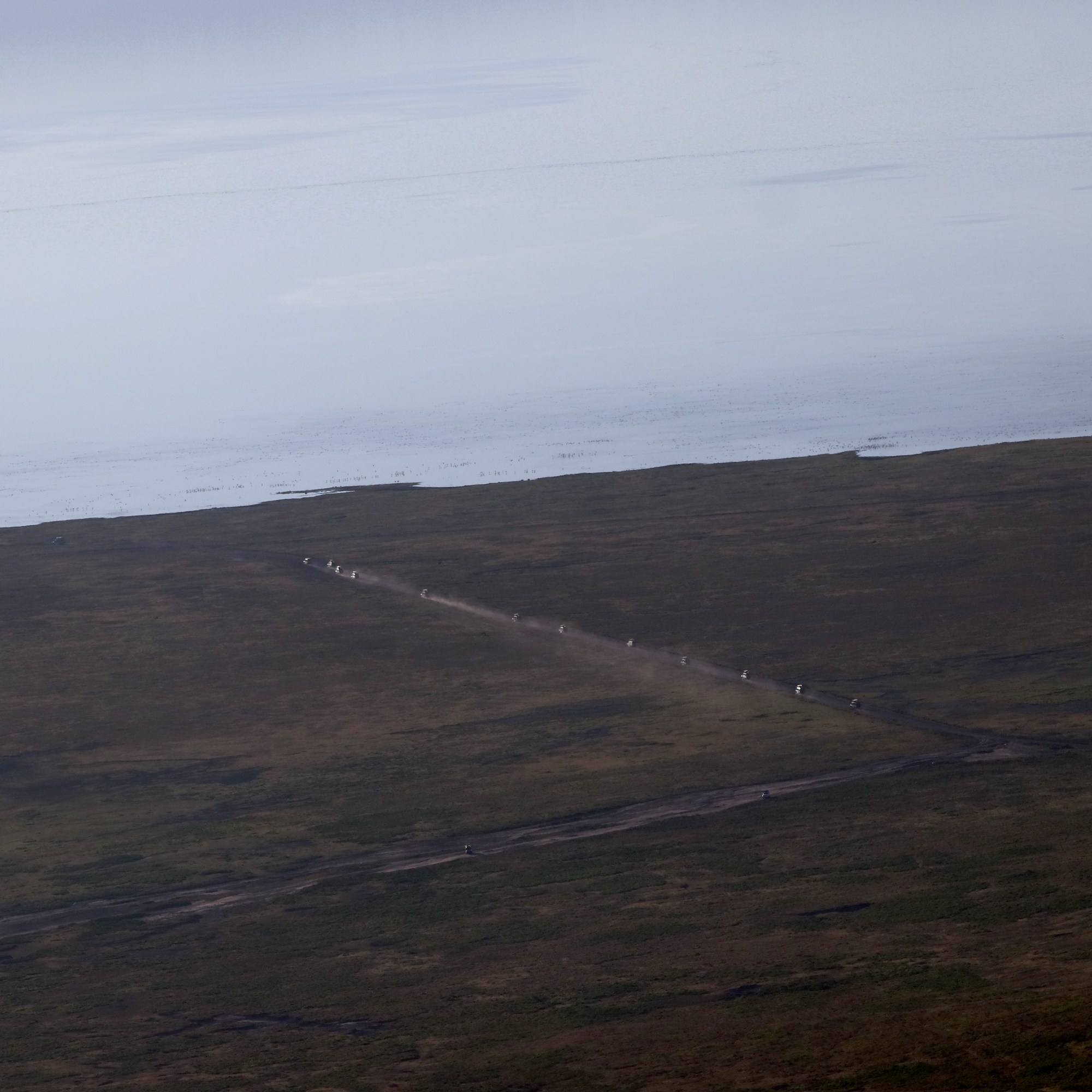
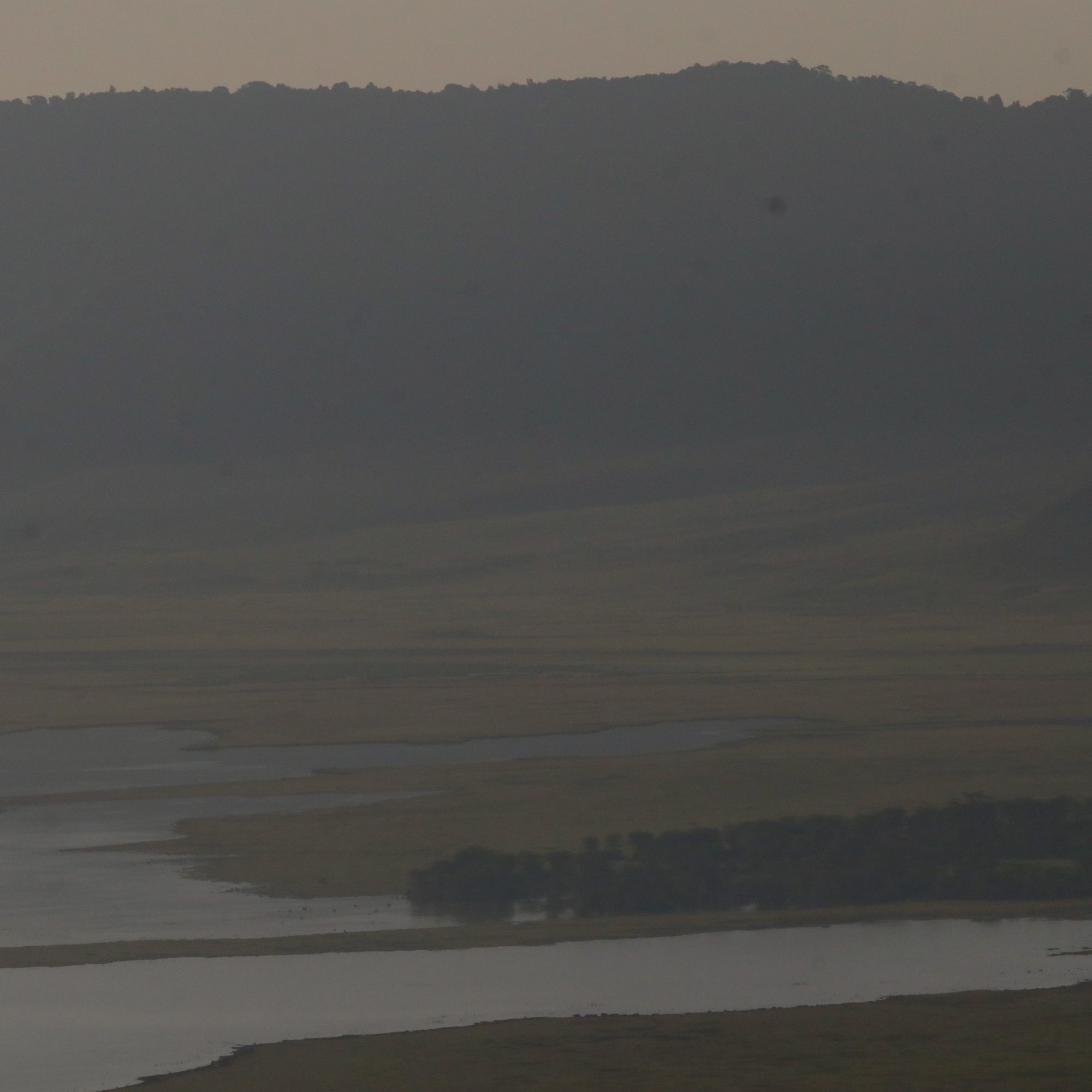


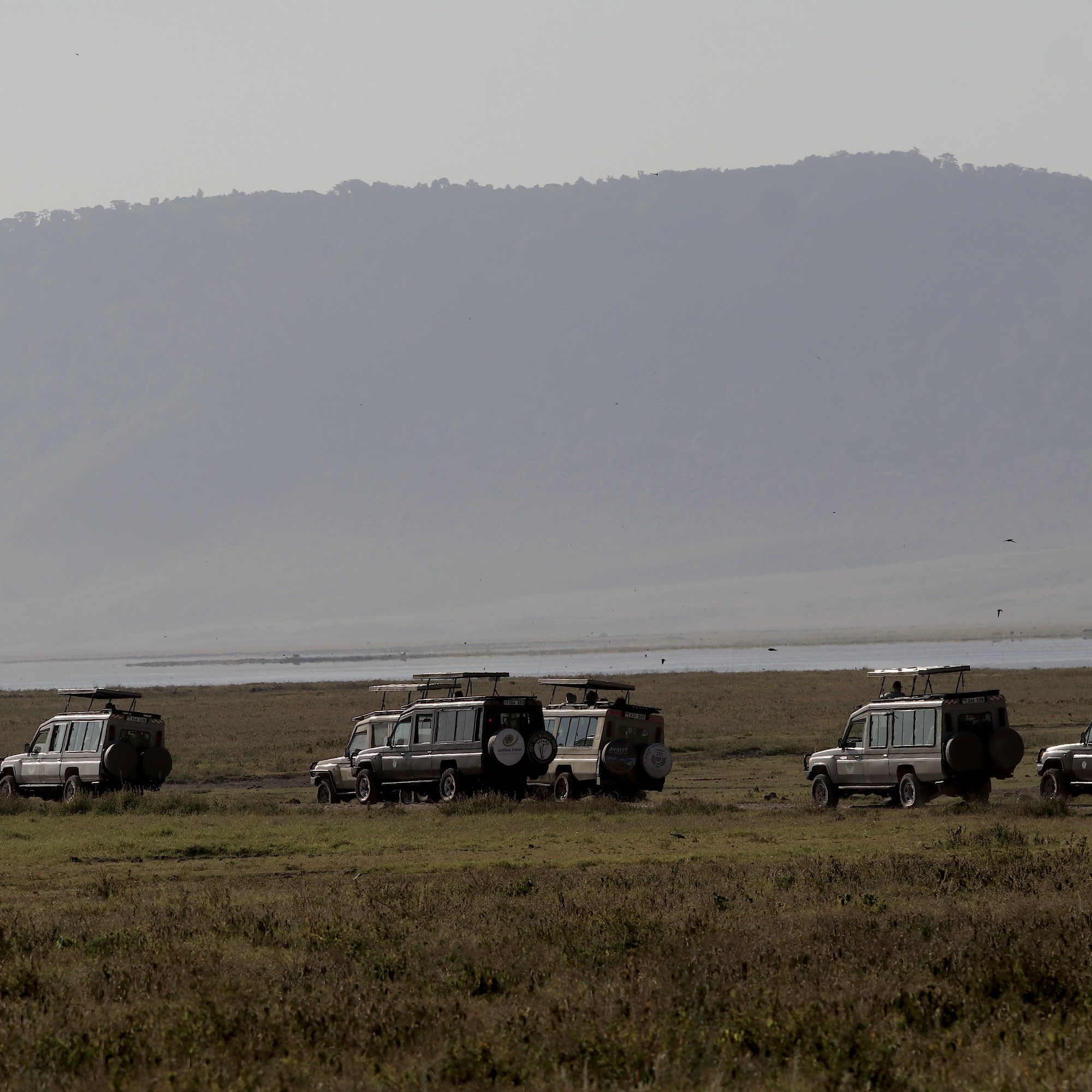

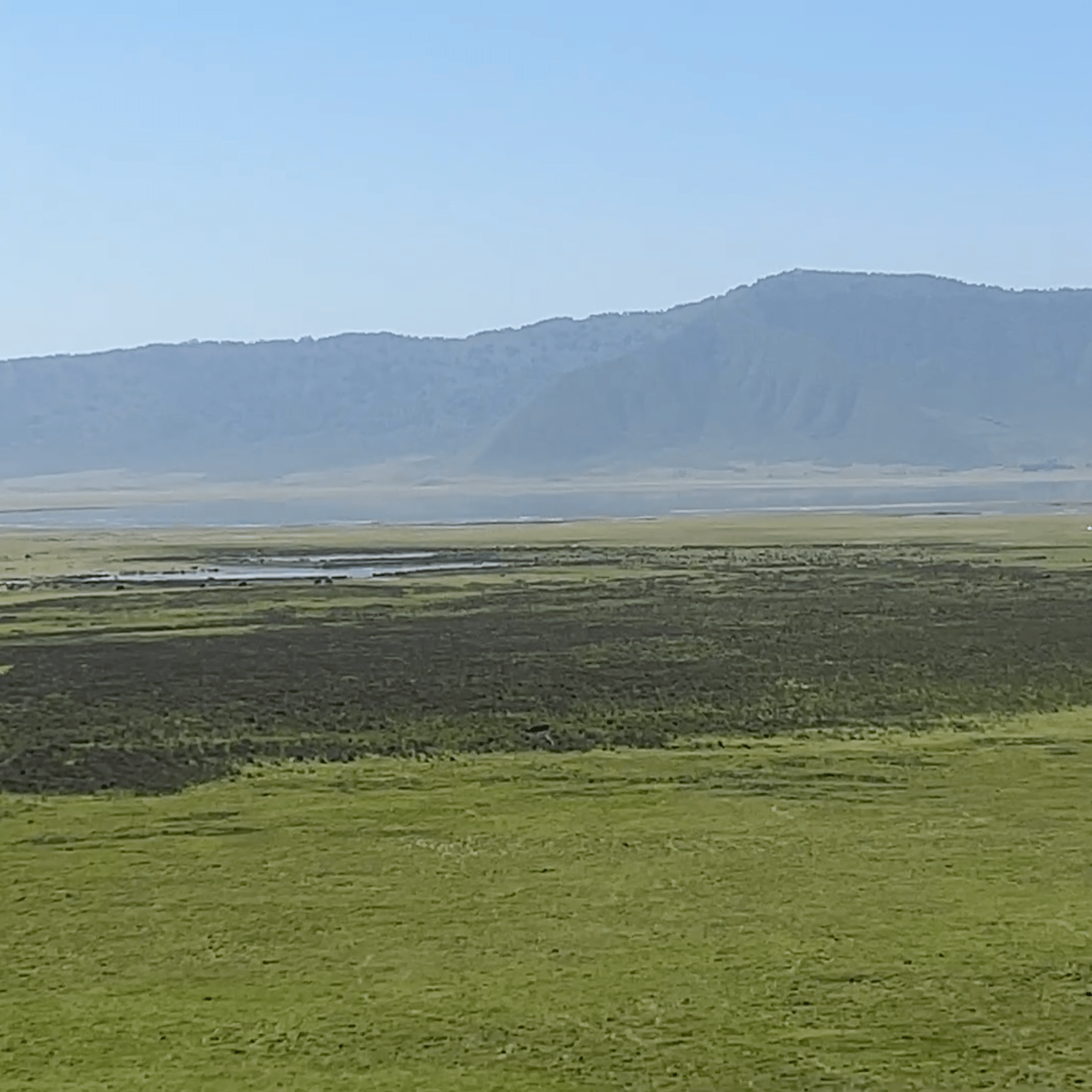
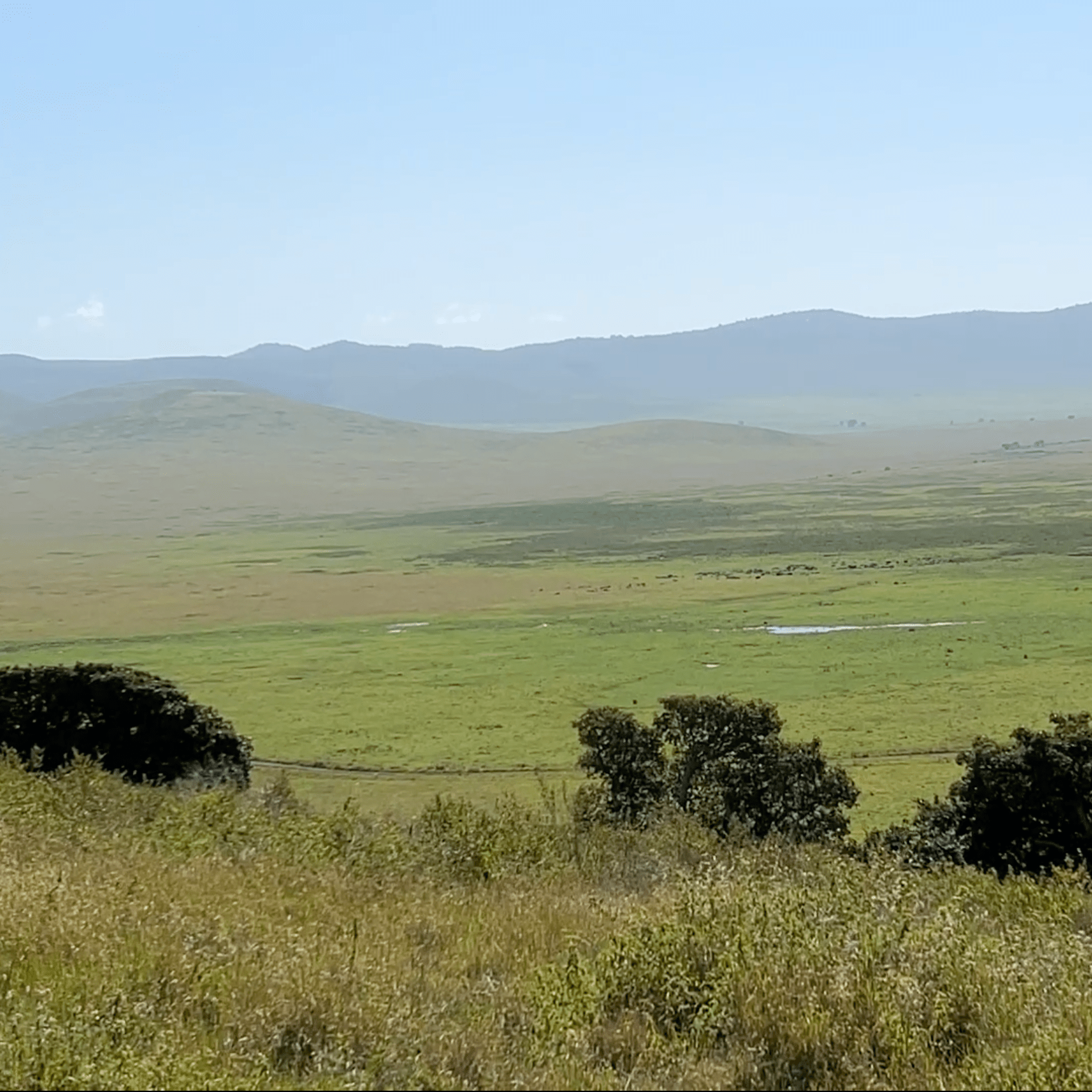
From atop the crater’s rim, the view is spellbinding, a vast, verdant floor dotted with shimmering lakes and teeming with wildlife. The breathtaking beauty of the Ngorongoro crater is enough to leave you speechless. The scene is reminiscent of a prehistoric paradise, evoking the feeling of stepping into a movie like Jurassic Park. As we descend the winding mist covered dirt road from atop the crater rim to the floor of the crater, we are in the midst of the dense forests teaming with wildlife. It feels like we are entering into a long forgotten lost world.
Not wanting to miss anything, we started out early with a packed breakfast and were one of the first jeeps to enter the Ngorongoro conservation Area gate. As we hurried to the crater viewpoint, we saw the sun rise kissing the outer slopes of the crater. The first sight of the Ngorongoro caldera from the top in the first rays was definitely something to remember. We rolled down the cobbled road to the crater floor, a drop of almost 600 meters in elevation to reach inside. Finally as you arrive into the caldera, the world around you seems to transform. From the 2000 ft towing walls of the crater you are into a savanna, a marshland, centered with a beautiful lake and there are so many animals there.
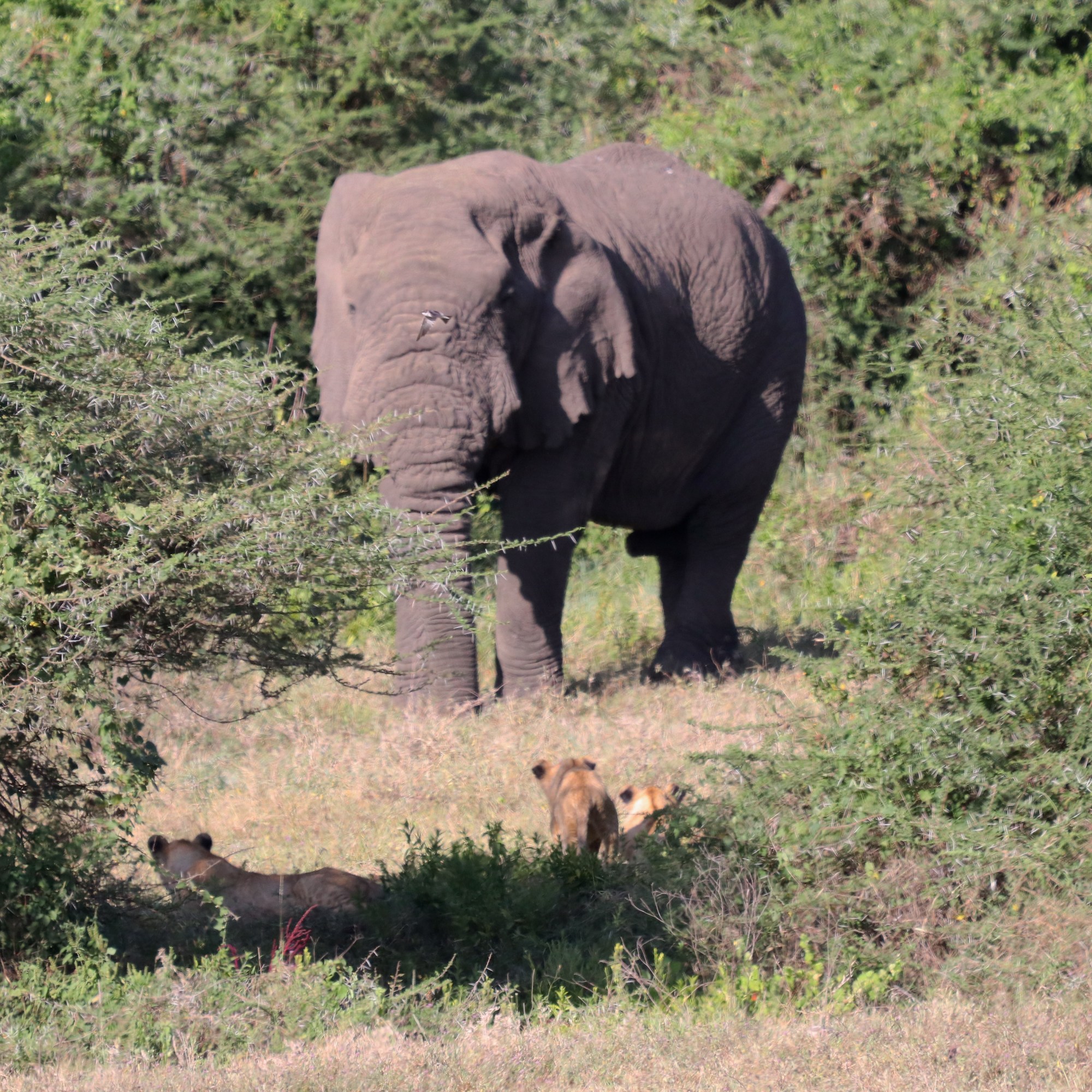
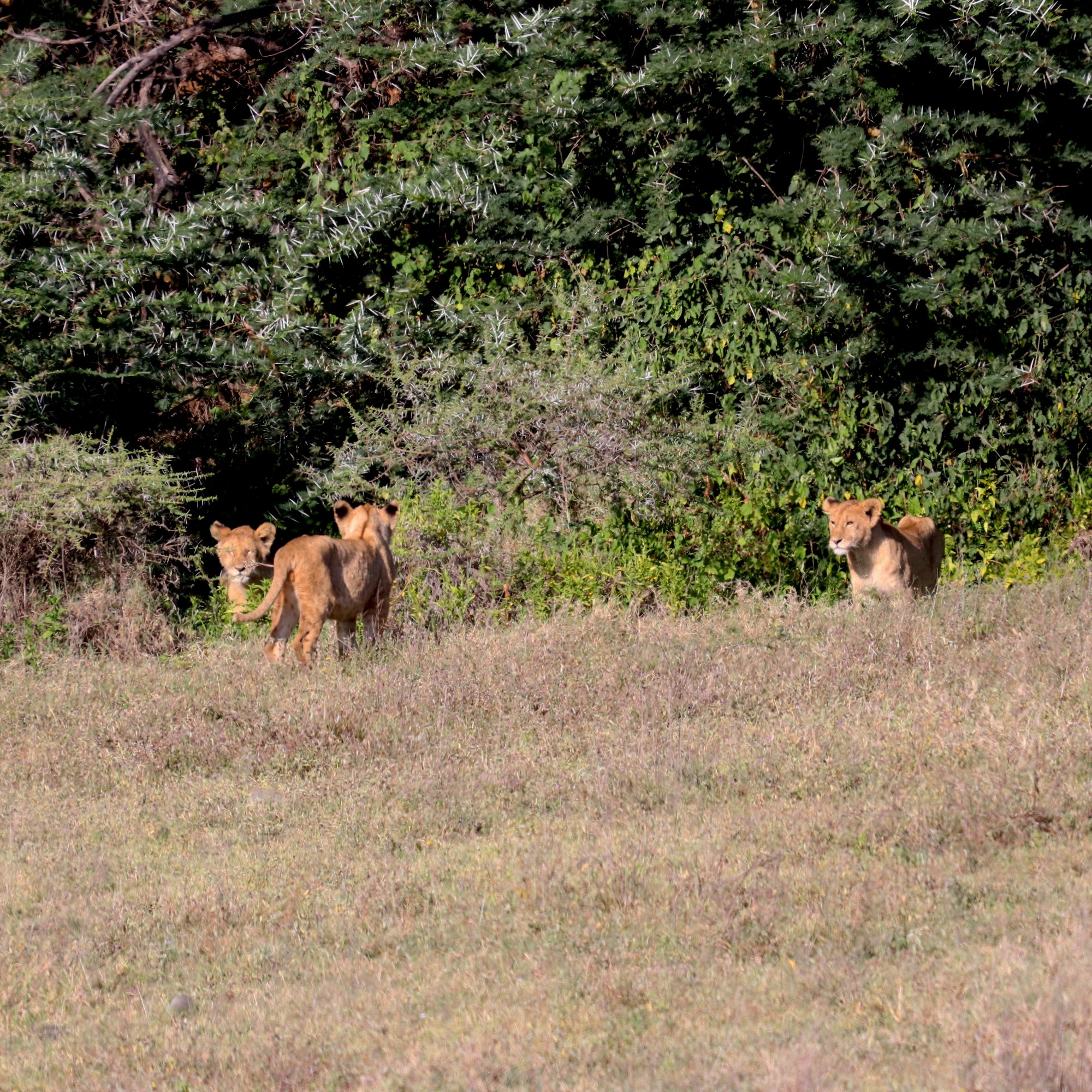
Our first sighting itself was of a lion family in the bushes. Suddenly an elephant grazing nearby behind the trees strolled in just ten feet from the lions. The parents went on alert and the lion cubs scampered out of the bushes giving us a near clear view of them. Each animal respected their territories and and life went on.
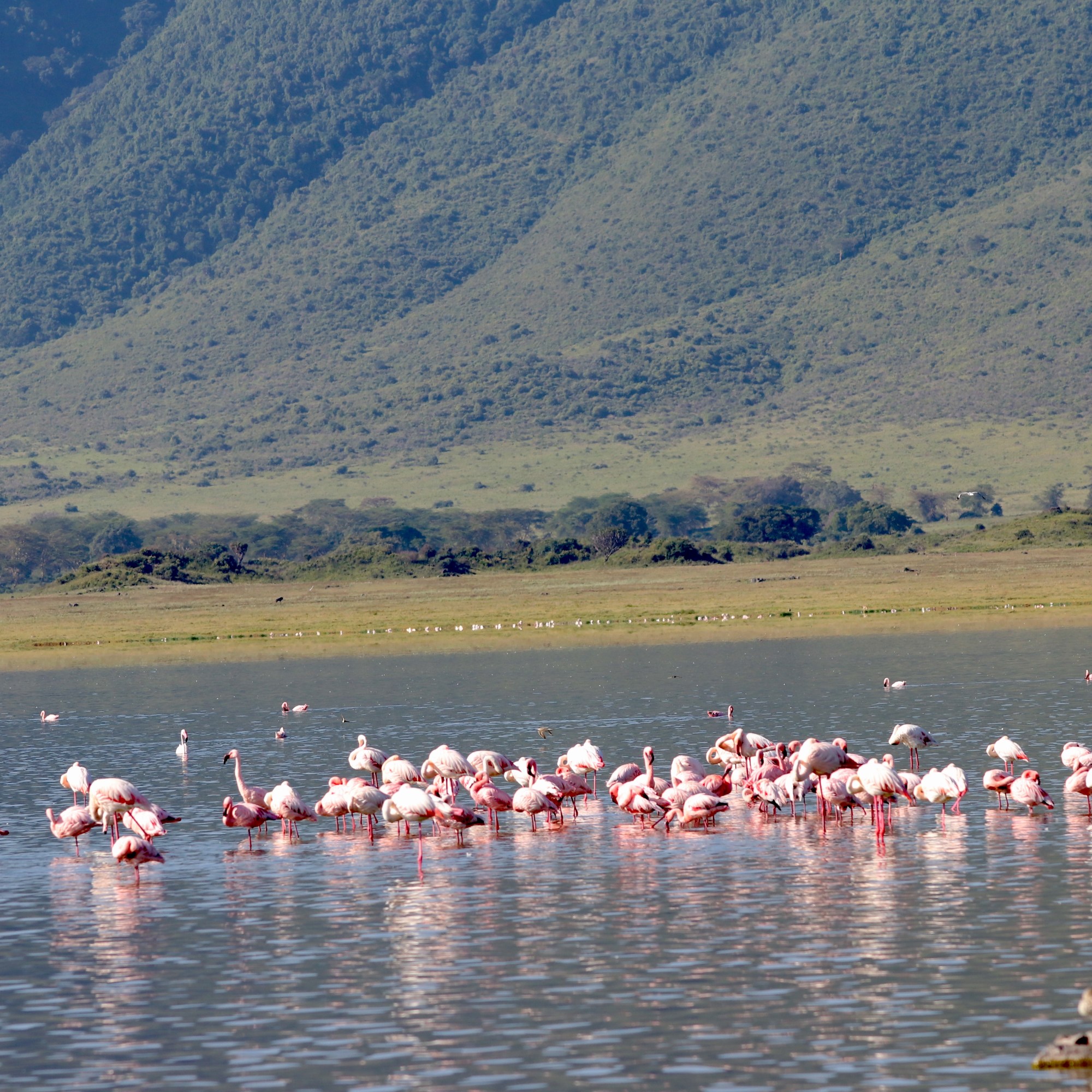
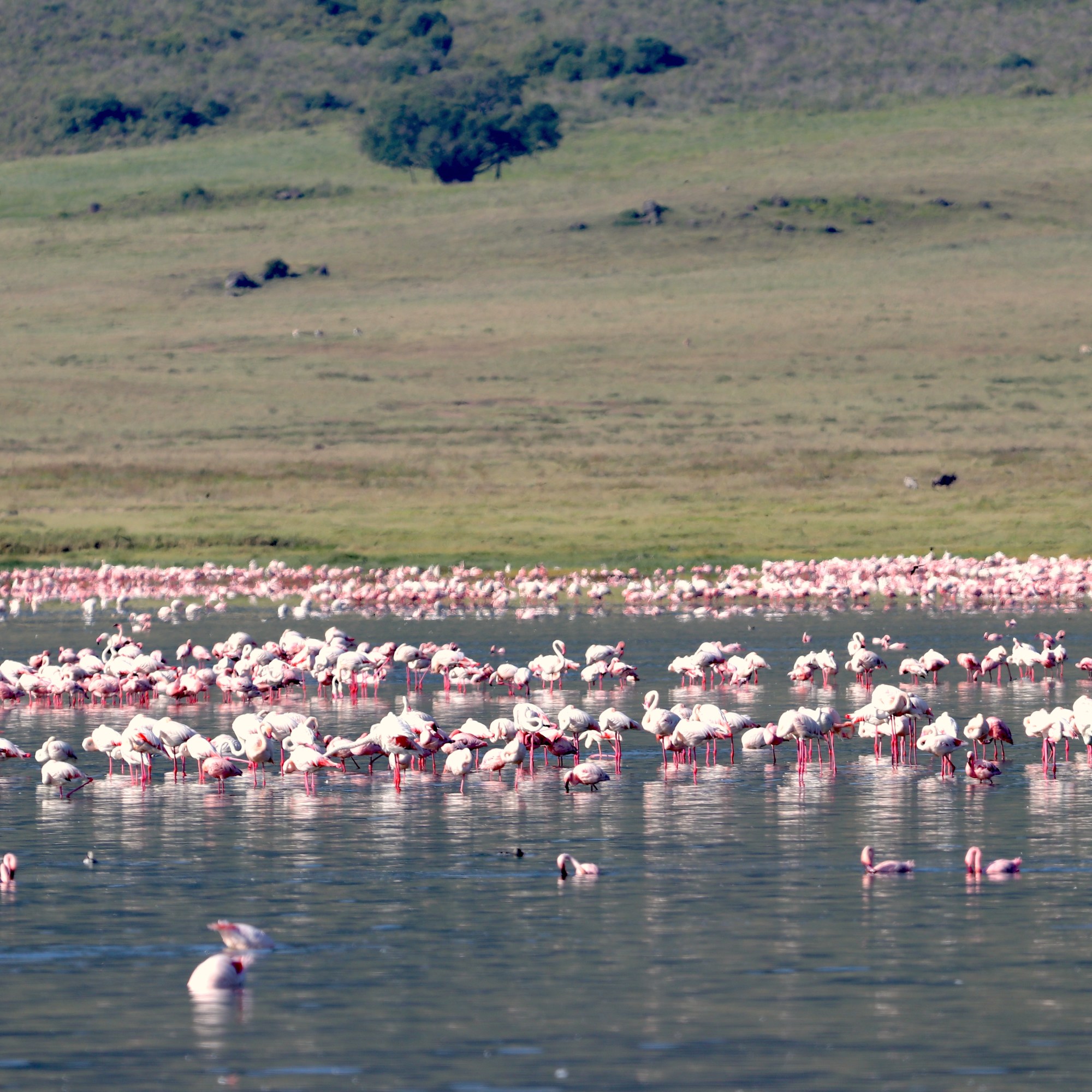
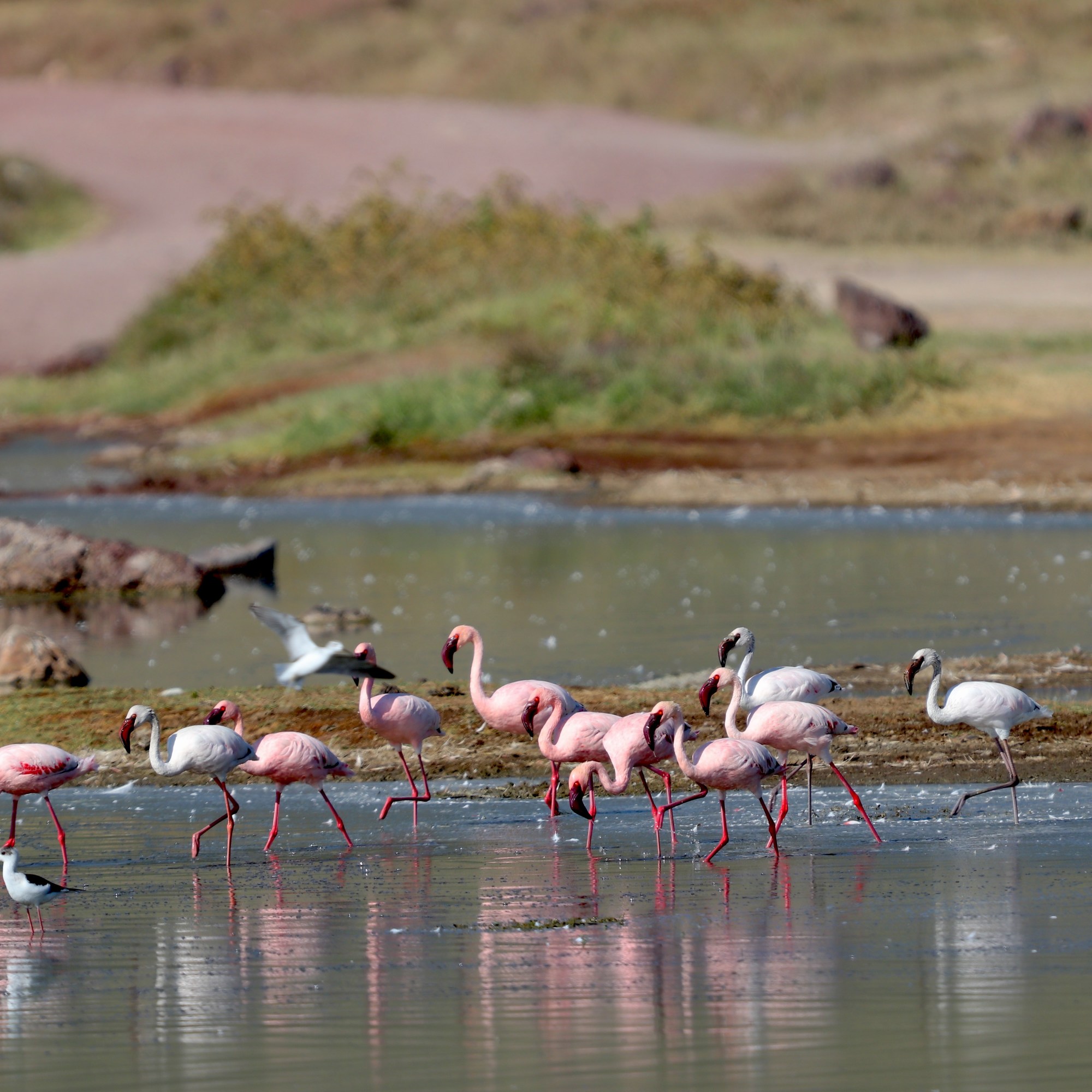
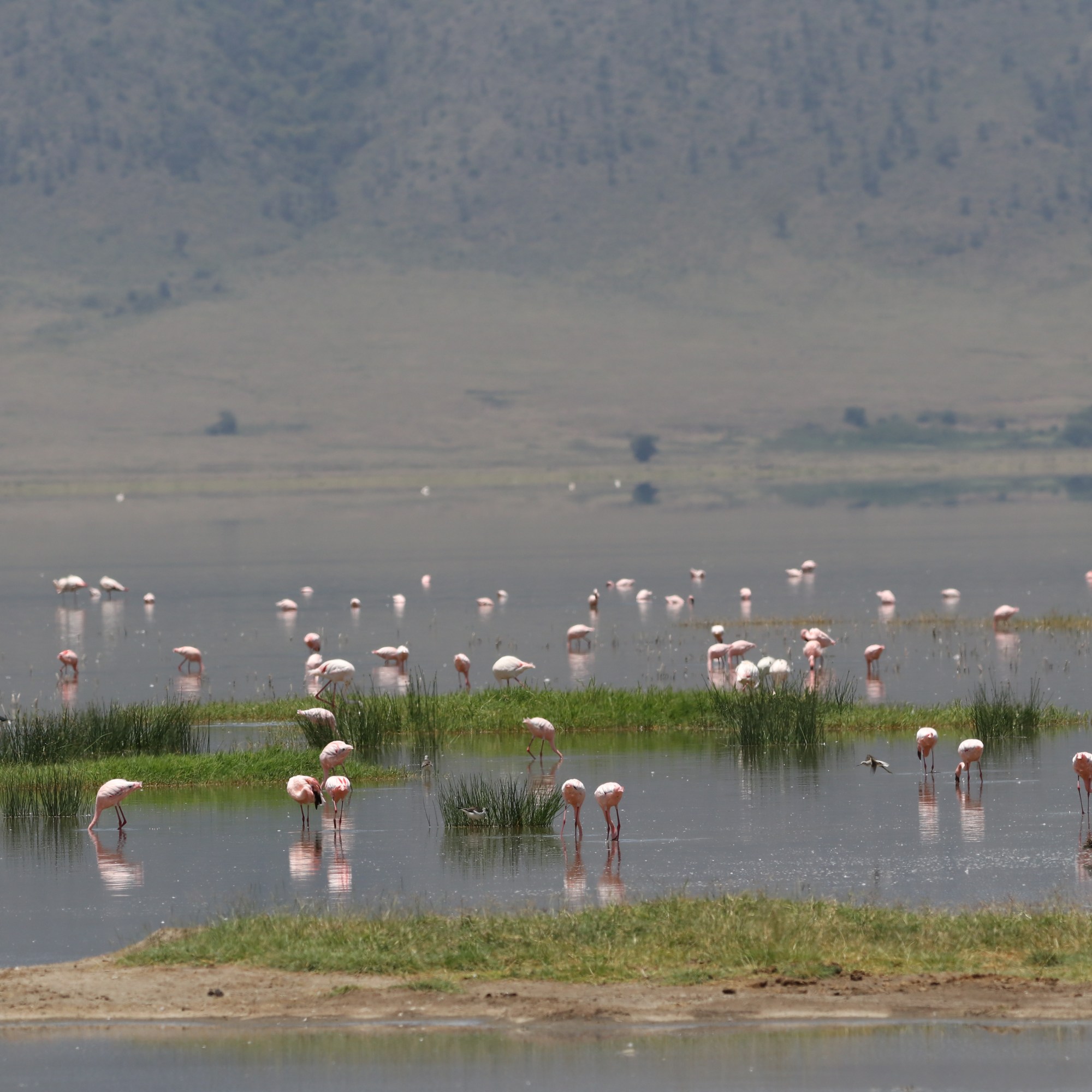
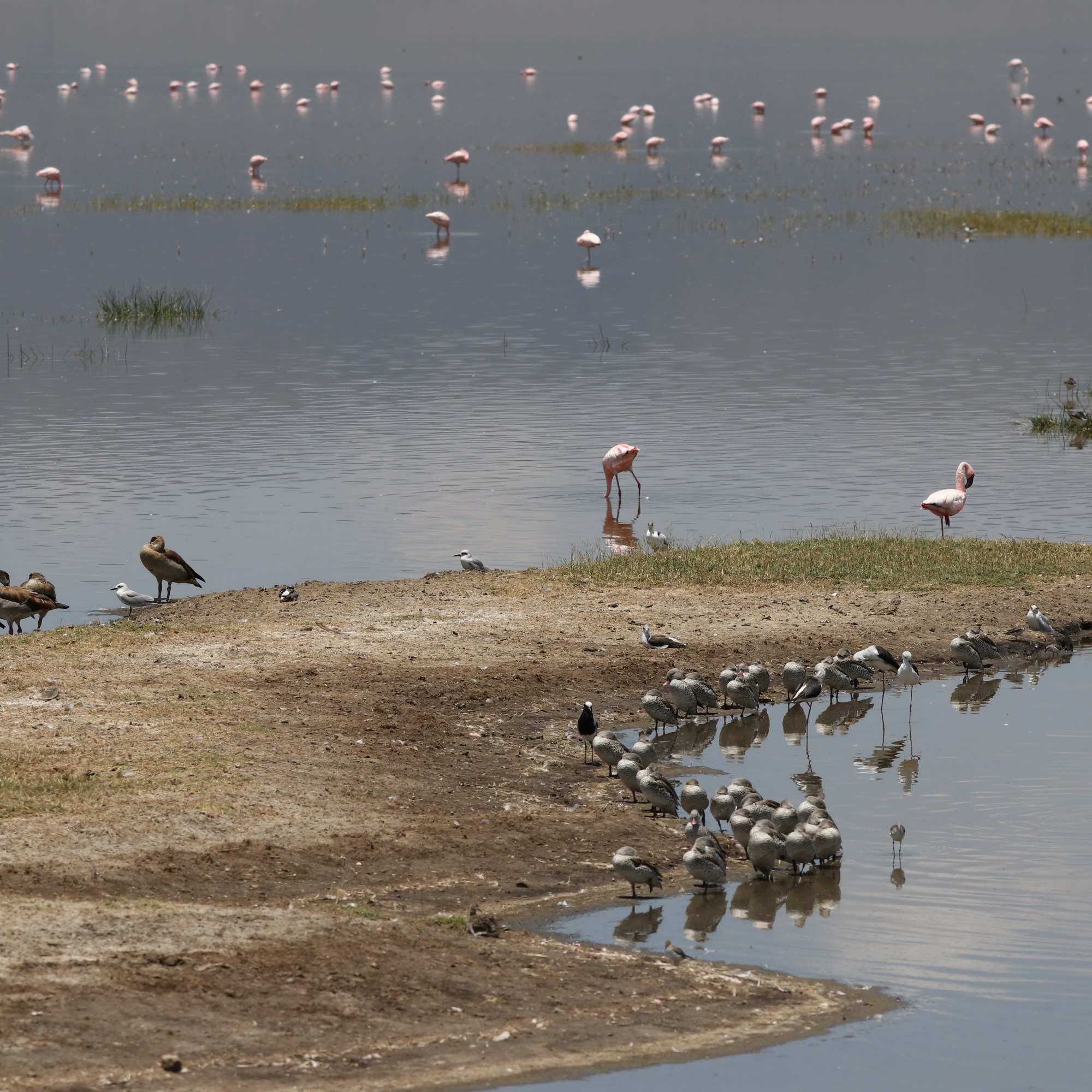
The rays of the rising sun gleam into the Lake Magadi which is a soda lake. The lake is teaming with lesser Flamingos which feed on the blue-green algae that the lake provides and enhances their pink color. Other birds and animals near the shore are grazing in the short grass, all the time being aware of the predators lurking around.
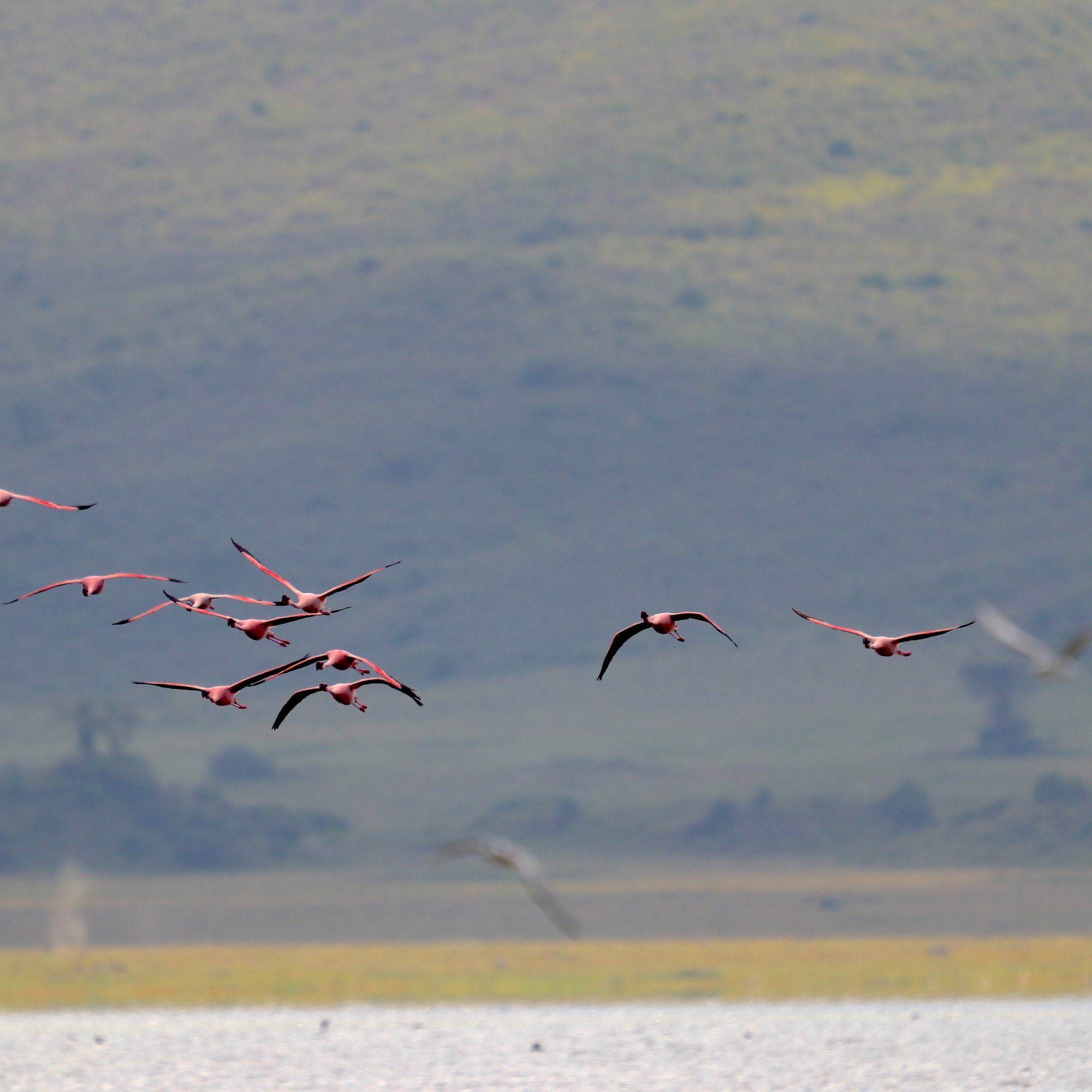
We drove towards the lake and were greeted by at least 15000 flamingoes warming up to the morning sun. The lake was shimmering in the morning sun and the pink hues from the flamingos were making the blue-green lake vibrant in colours. If you have ever seen a flamingo fly by you you will know that it looks like a concorde flying by. Long neck and legs and a slender body in between with a vast wingspan make the flamingos flying by look like a concorde airplane. I was here for this scene and wanted to continue feasting my eyes in the serene beauty of the lake and the flamingos, but we had a lot of ground to cover so we moved on..
Both, my friend and the driver assured me that we will come back for more towards the return trip… 😊
The crater spans approximately 264 km² and measures up to 31 km in diameter. The short grass plains that grow thick on the crater floor are a result of the mineral-rich volcanic soil and offer nourishing grass for variety of animals. These lush, forest-covered walls form a natural amphitheater, cradling an ecosystem that’s as diverse as it is breathtaking.
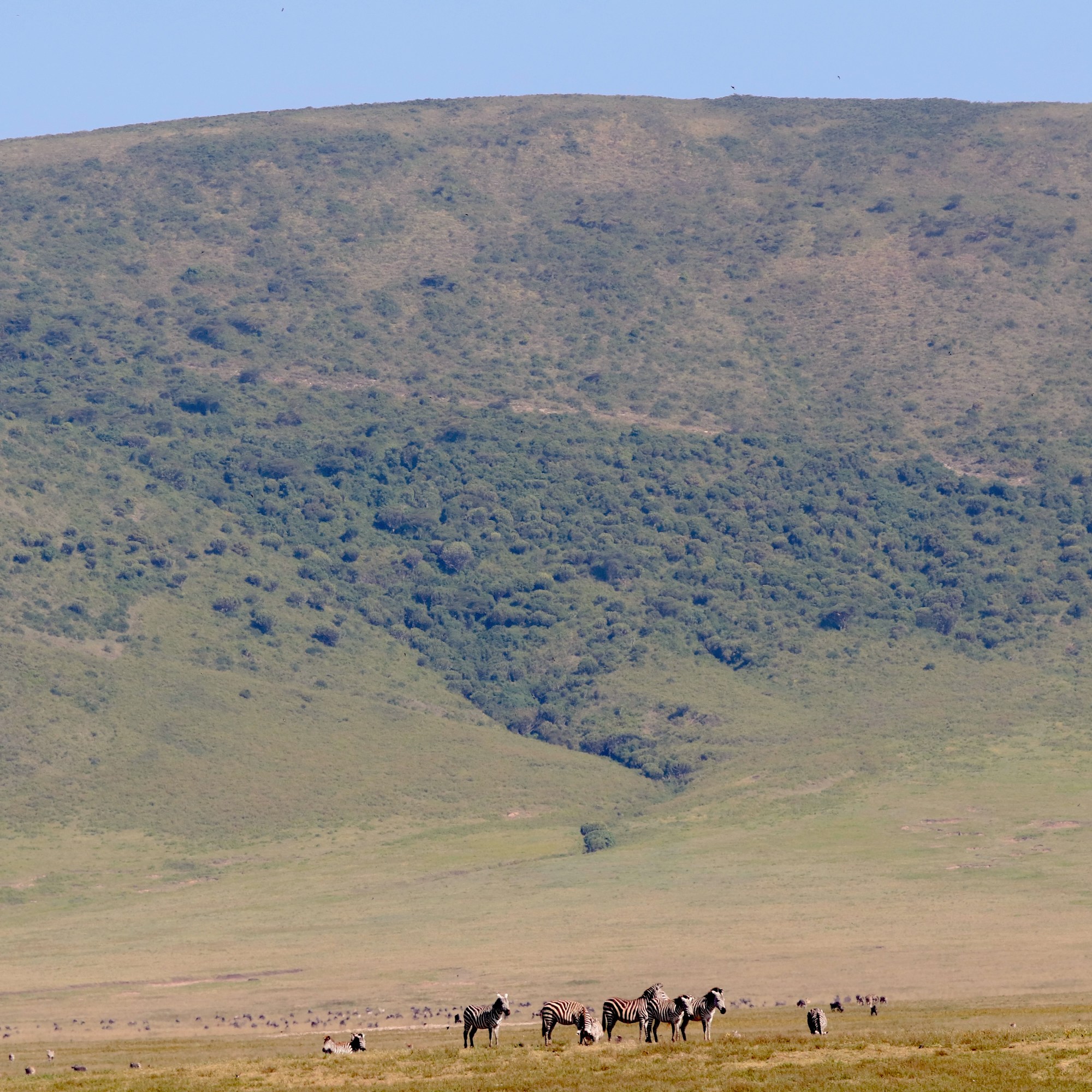
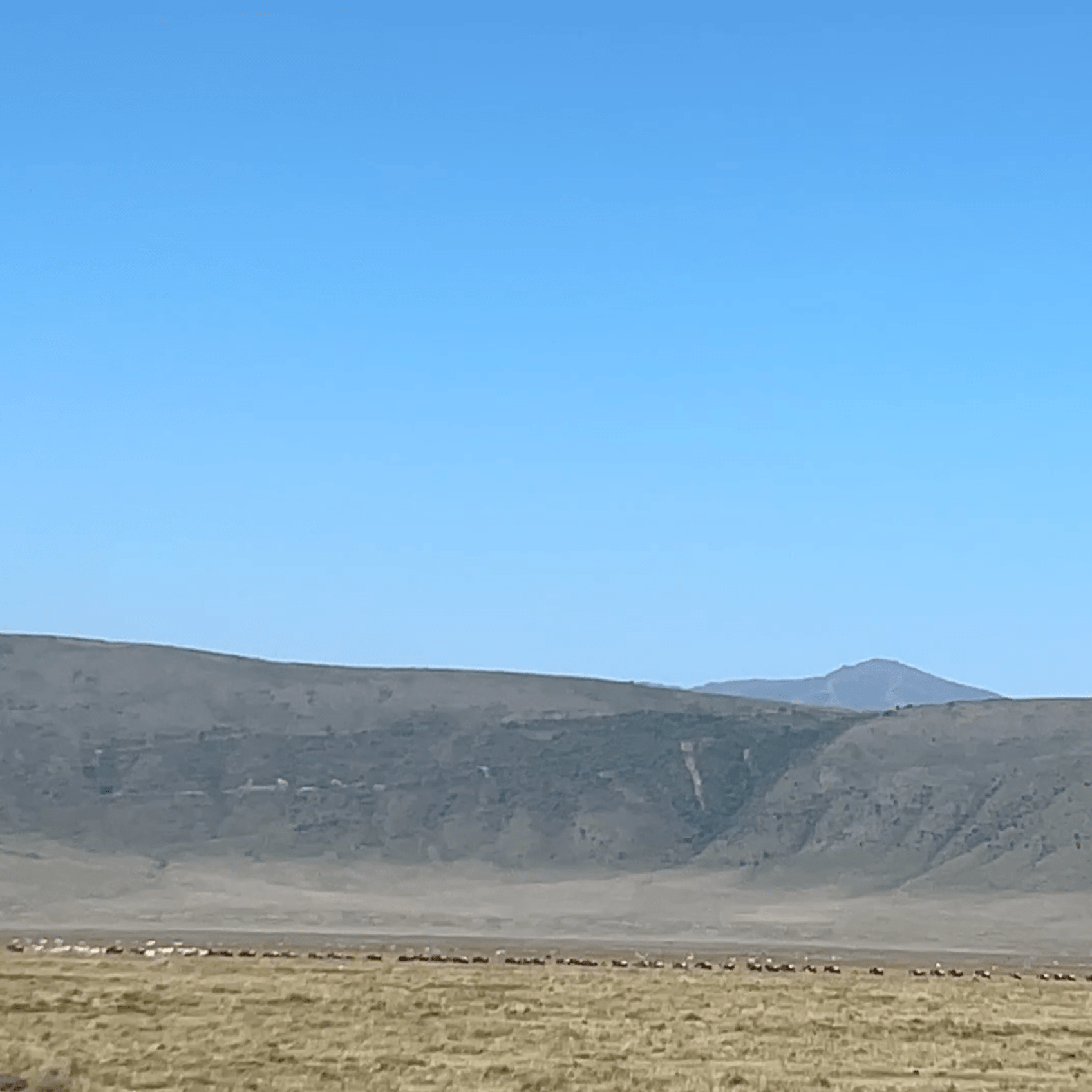
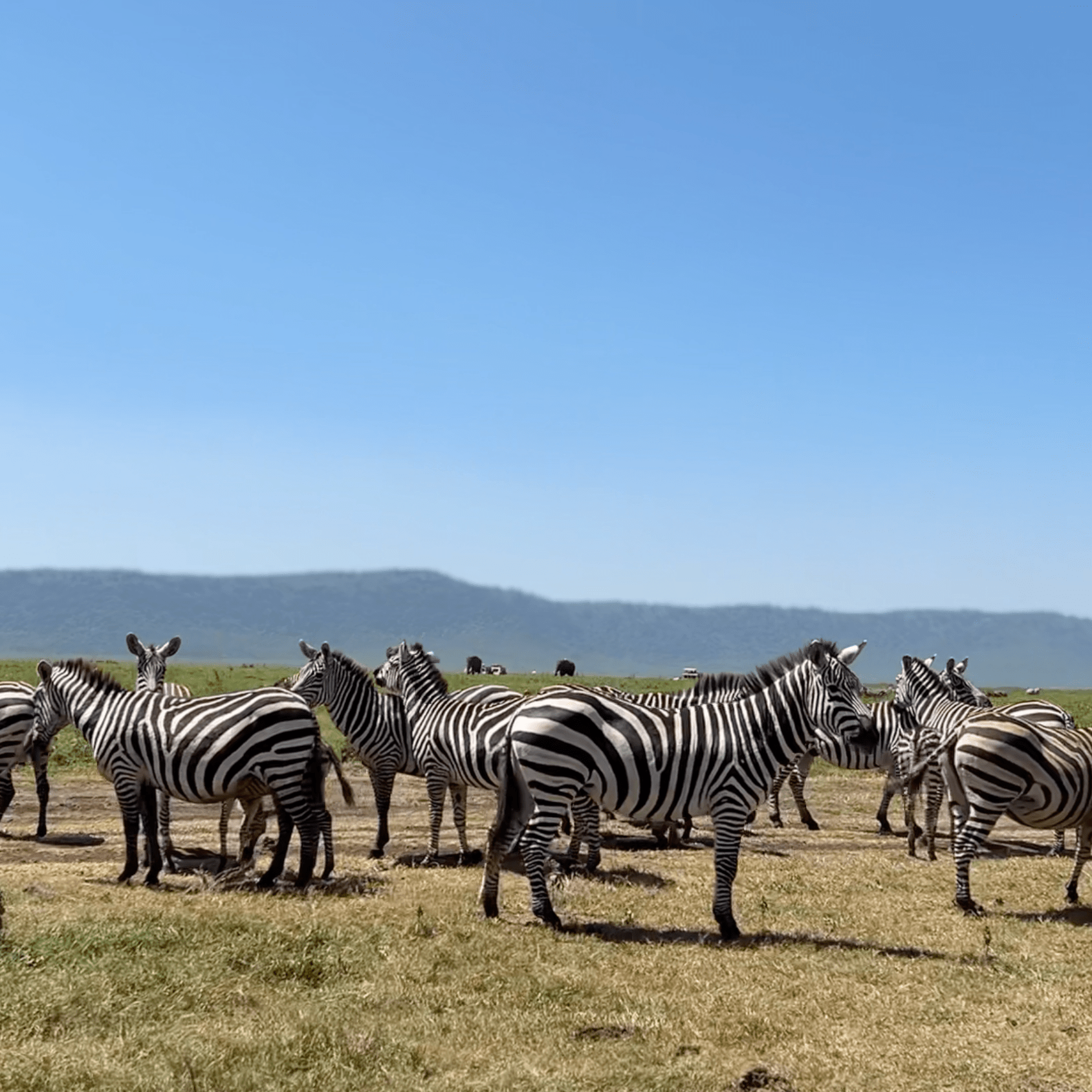
As we drove along the shimmering goose ponds, across the endless golden grass plains, and over the gentle rise of Engati Hill, a breathtaking spectacle unfolded before us. Thousands of wildebeest and zebras stretched across the land like a living river, their rhythmic movement guided by an ancient instinct. They emerged from the shadowy edges of the towering crater walls, making their way toward the lush marshlands in the heart of the caldera, where fresh water and vibrant green grass awaited them.
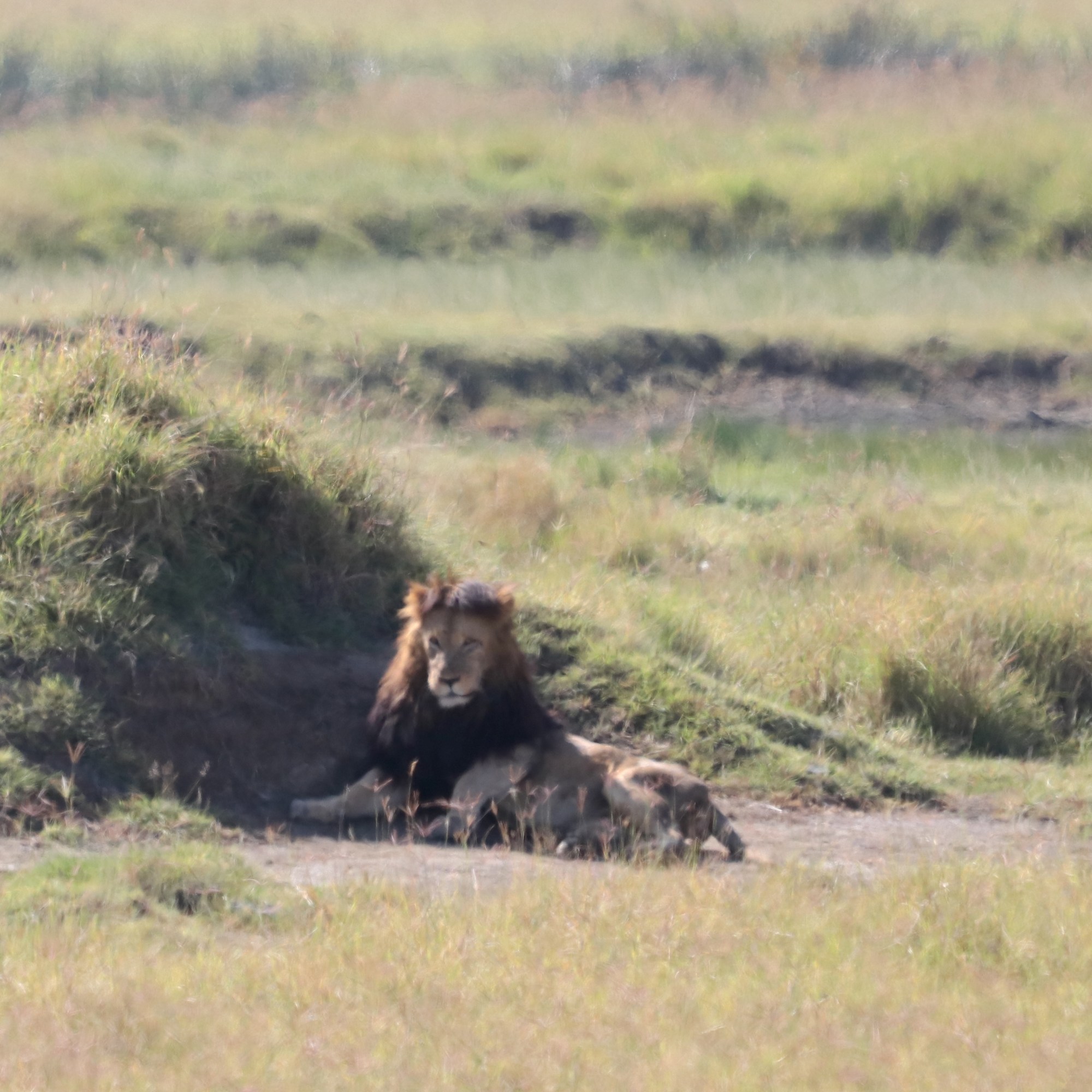
Hyenas skulked in the distance, their sharp eyes scanning for the weak or the weary, while lions lounged lazily on small, sun-warmed mounds, conserving their energy for the hunt that would come with the falling dusk. Majestic elephants, their silhouettes commanding against the golden horizon, grazed peacefully, oblivious to the quiet tension of predator and prey that played out around them.
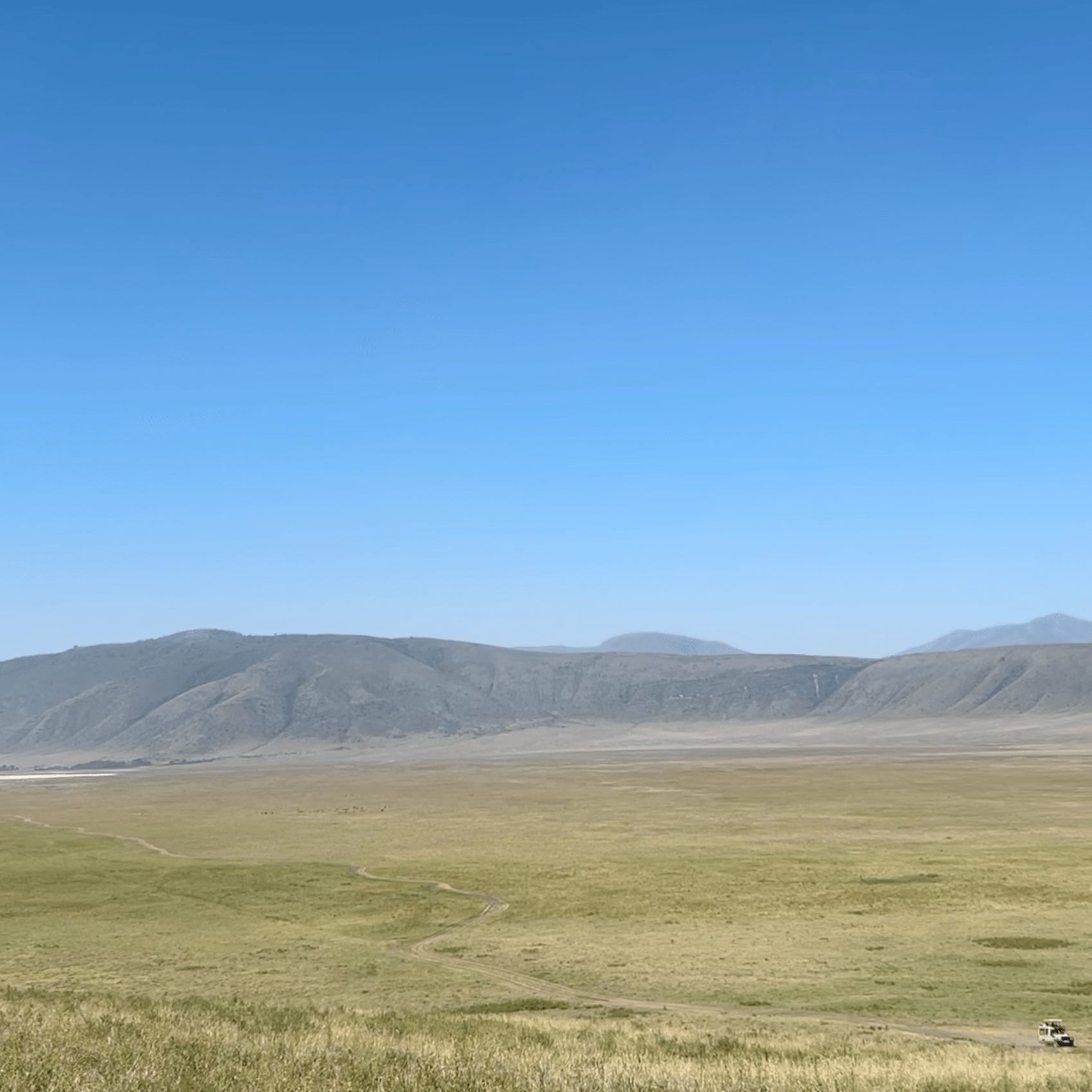
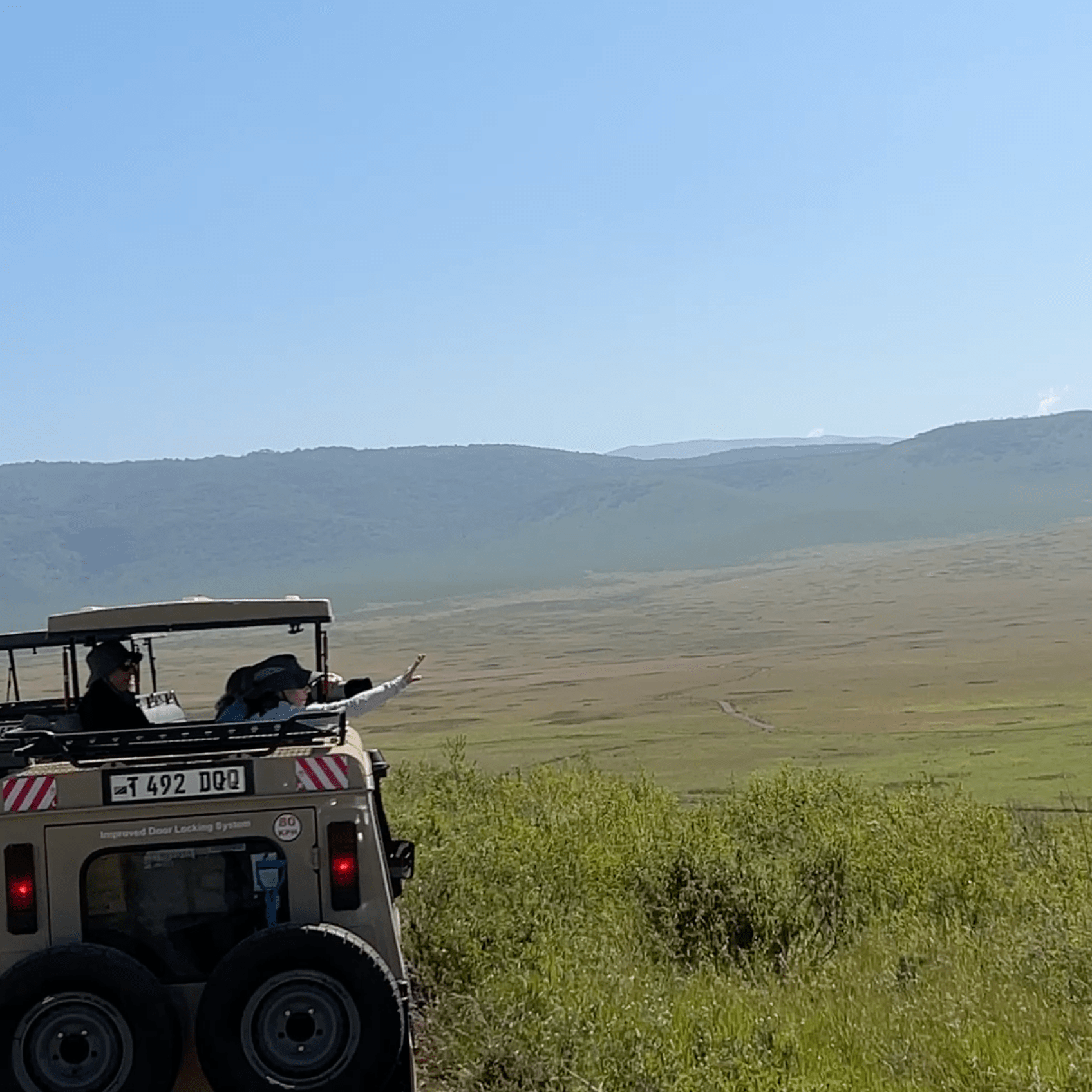
From the crest of the hill, the view was nothing short of mesmerizing—a sweeping, 360-degree panorama of one of nature’s most spectacular theaters. The vastness of the crater stretched before us, teeming with life, every movement a testament to the raw, untamed beauty of the wild. It was a moment of pure wonder, a humbling reminder of how nature exists in perfect balance, untouched by time, thriving in this ancient sanctuary.
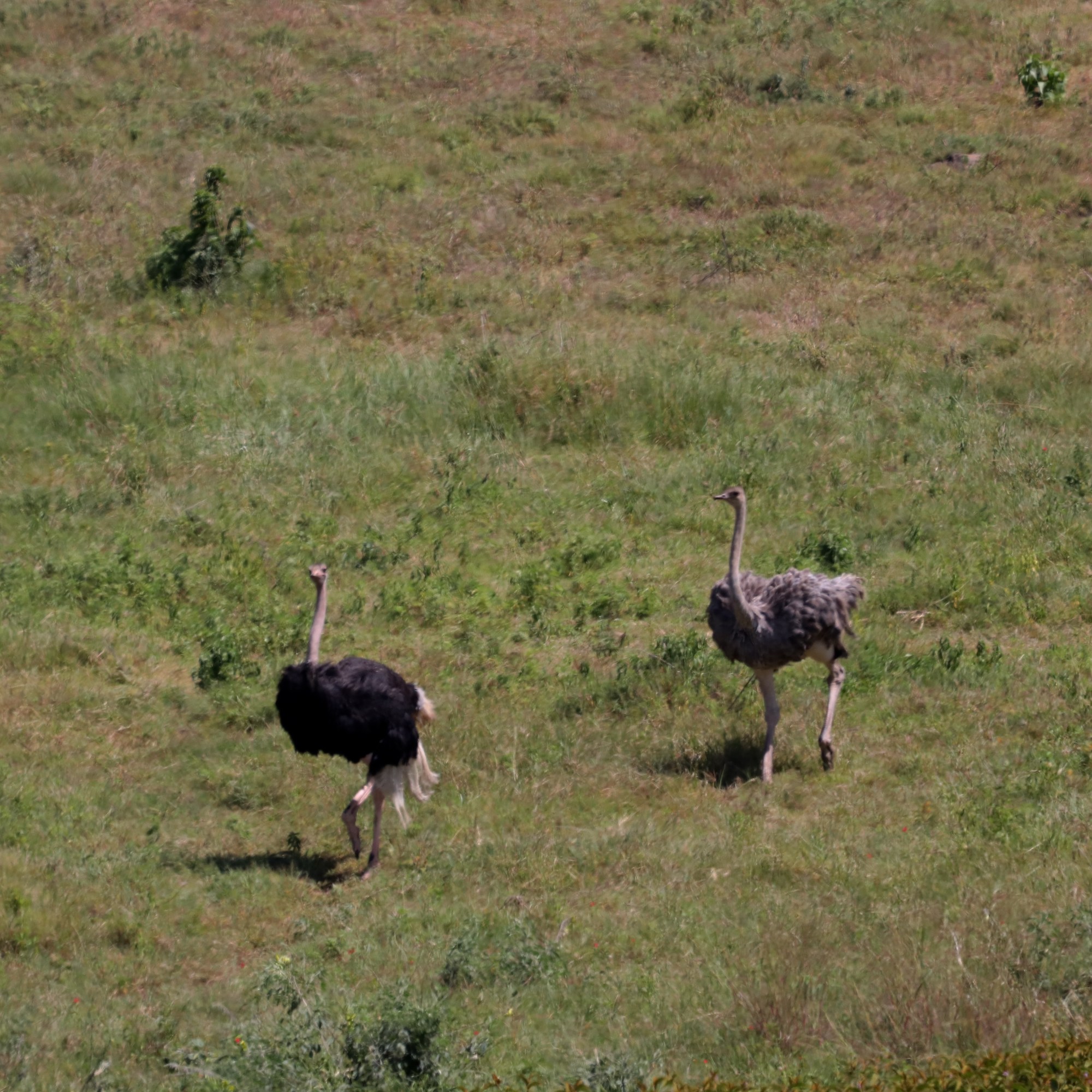
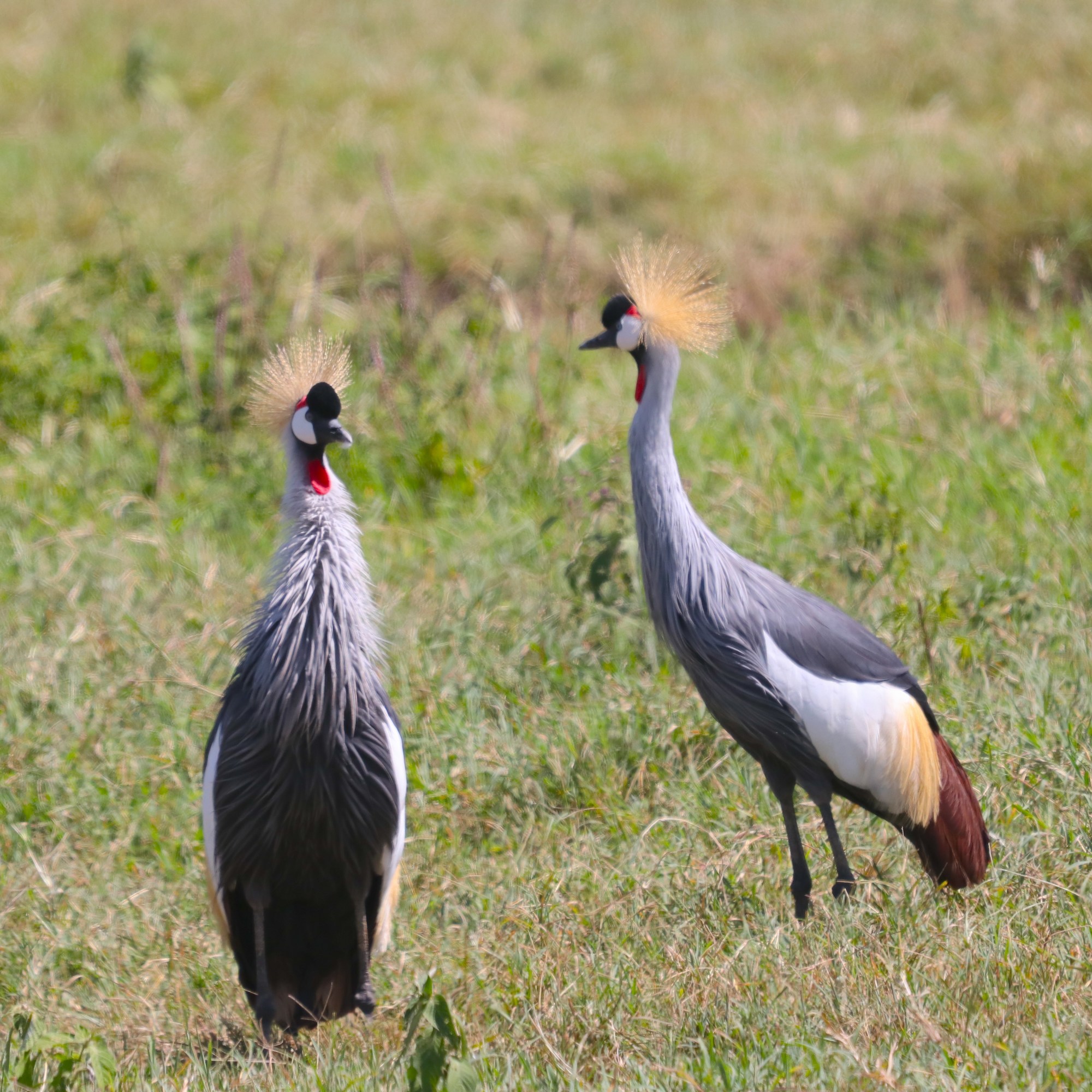
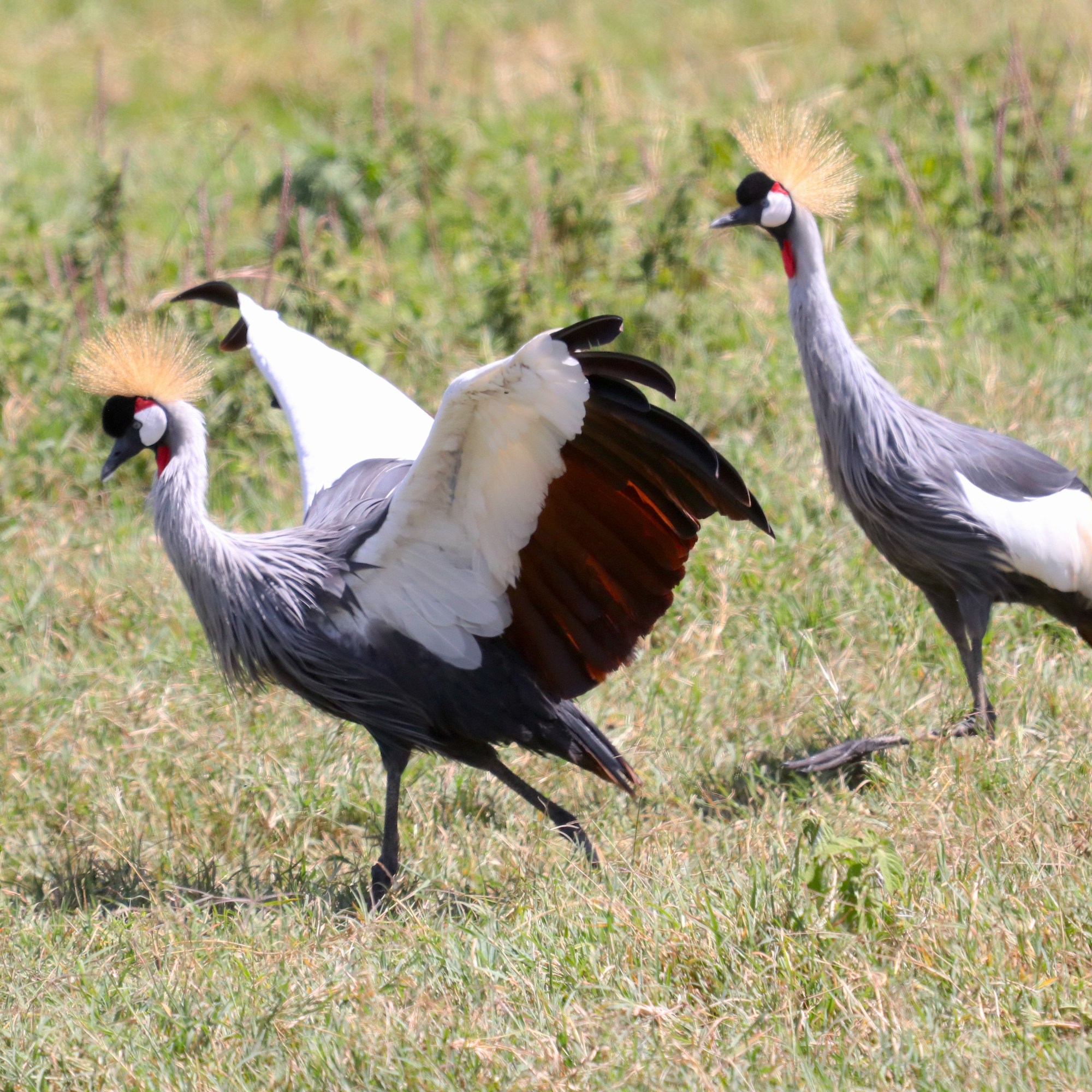
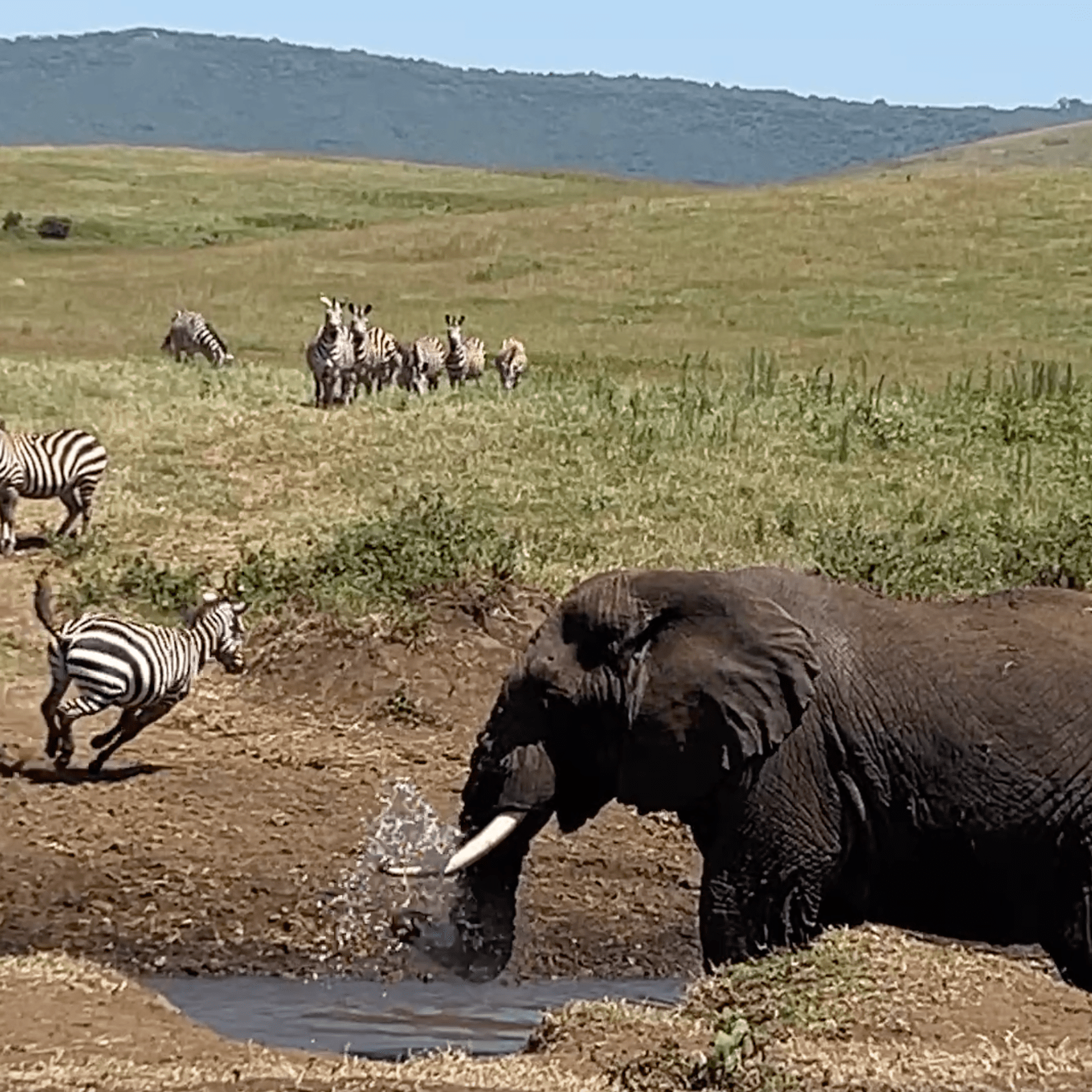
Driving across the hill, we stumbled upon a breathtaking scene—a herd of wildebeest and zebras gathered near a glistening stream. Nearby, a pair of regal Crowned Cranes performed their elegant mating dance, their golden crests catching the sunlight as they moved in perfect harmony. In the distance, two ostriches descended the hill, their long strides carrying them gracefully toward the watering hole, where life pulsed in quiet coexistence.
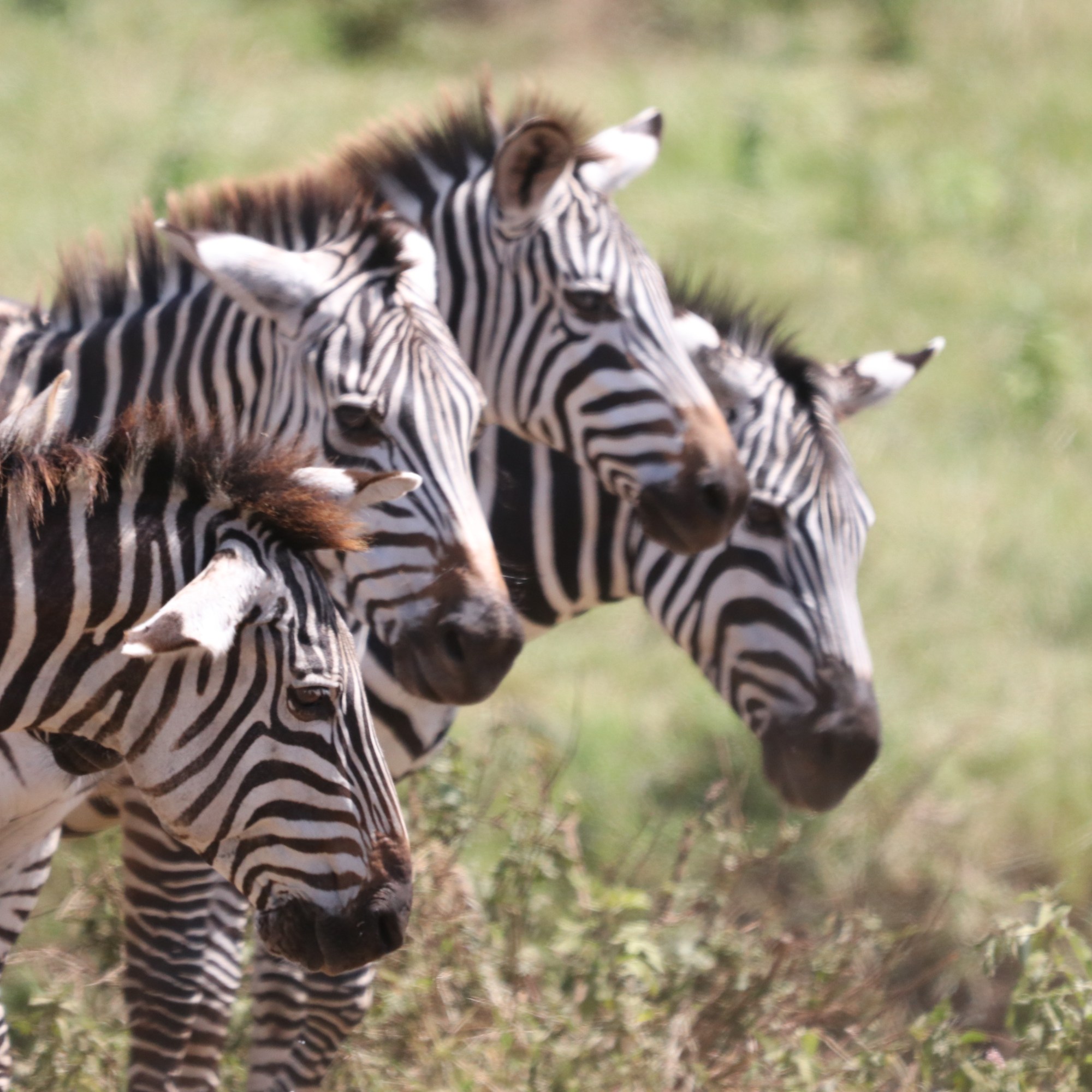
Amidst the larger animals, a family of warthogs scurried nervously, weaving between towering legs as they tried to reach the water. A baby zebra, full of playful energy, pranced around its mother, kicking up tiny clouds of dust as it reveled in the moment.
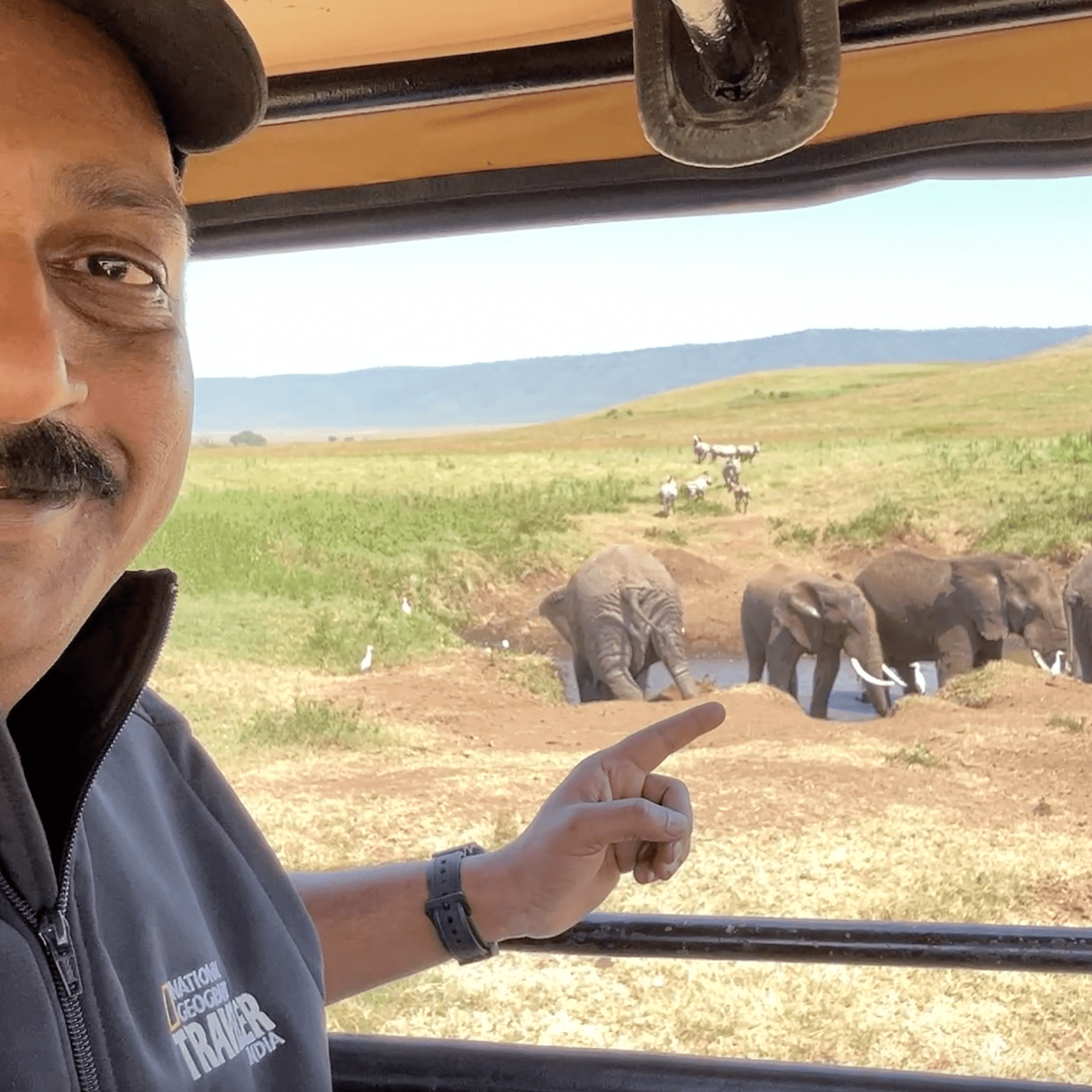
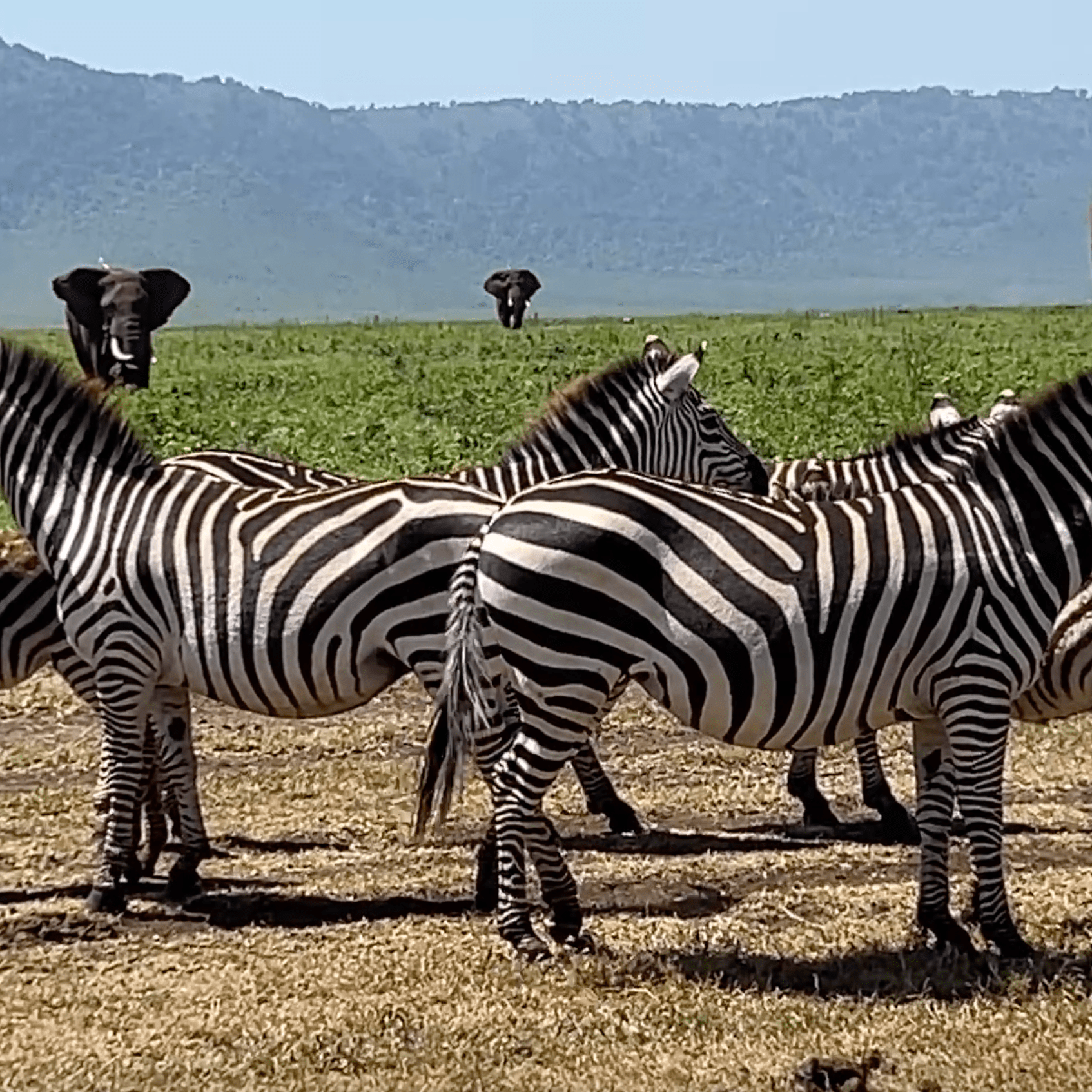
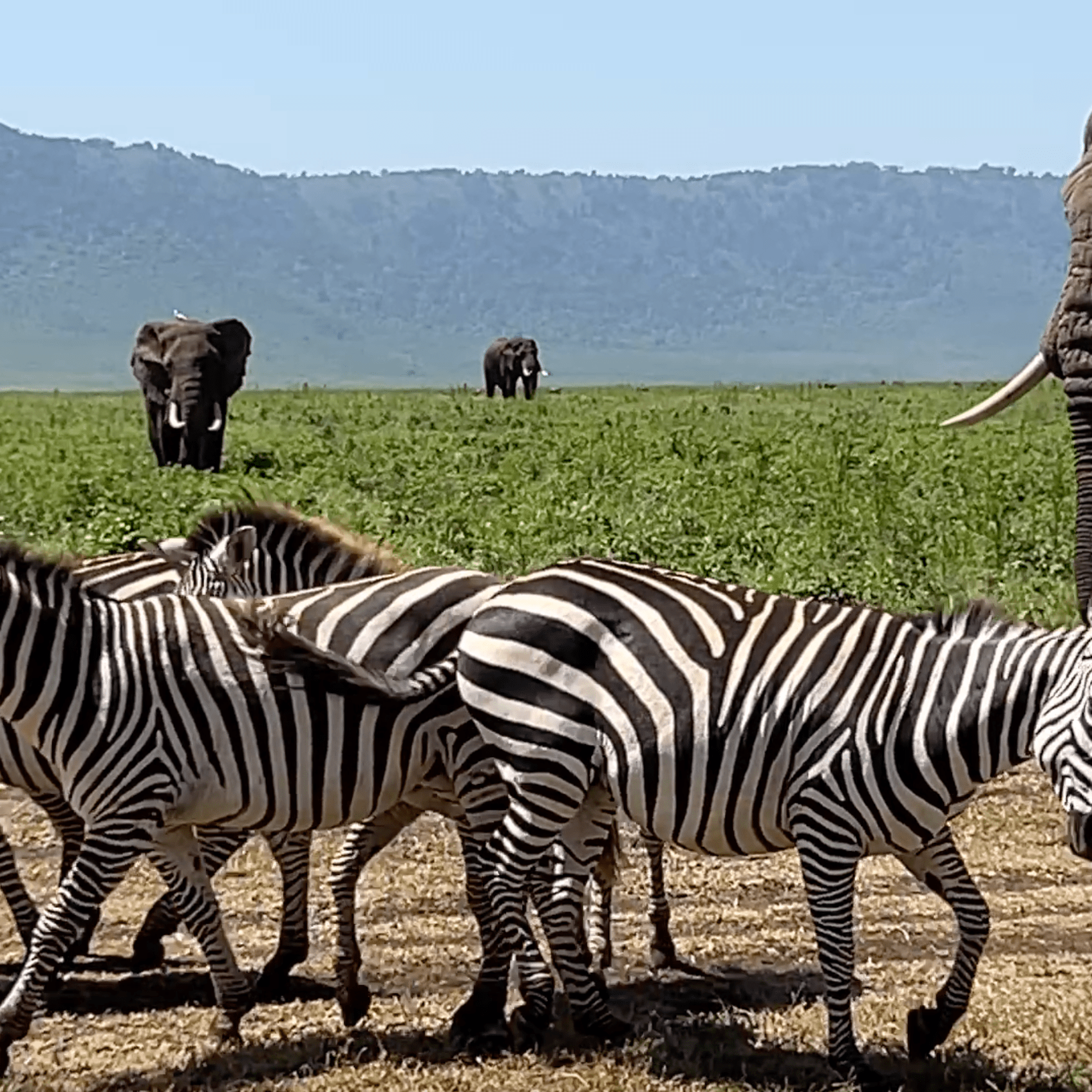
Then, from the other side, a hush seemed to fall over the land as a herd of elephants emerged from the horizon, their sheer presence commanding awe. They moved with slow, deliberate grace, their massive frames silhouetted against the lush green plains. As they approached the stream, the other animals instinctively stepped aside, parting as if paying silent tribute to nature’s gentle giants. It was a moment of unspoken respect, a glimpse into the ancient rhythm of the wild, where every creature knows its place in the grand tapestry of life. Taking some more pictures of the cranes in flight we moved on to explore the other wonders of the caldera.

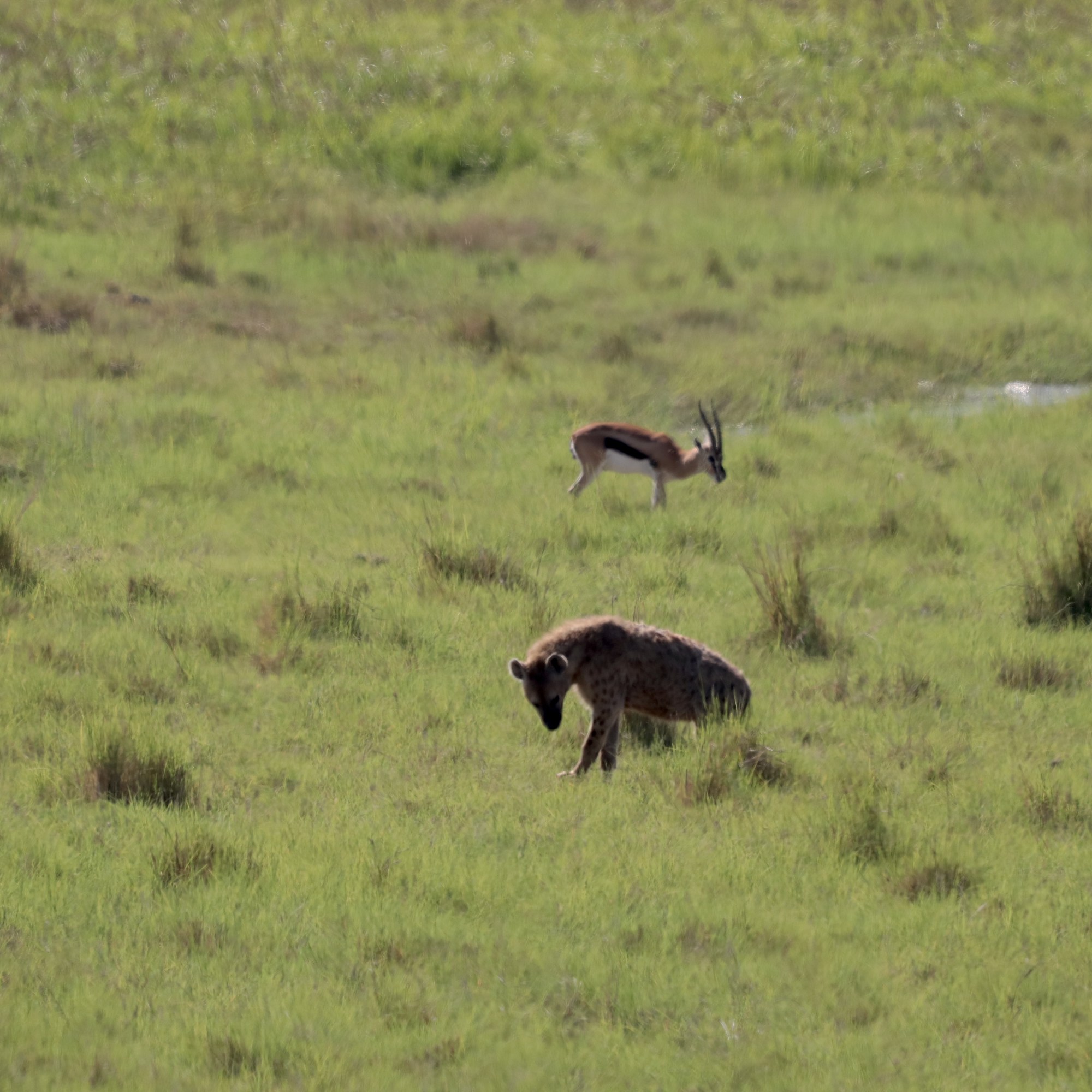




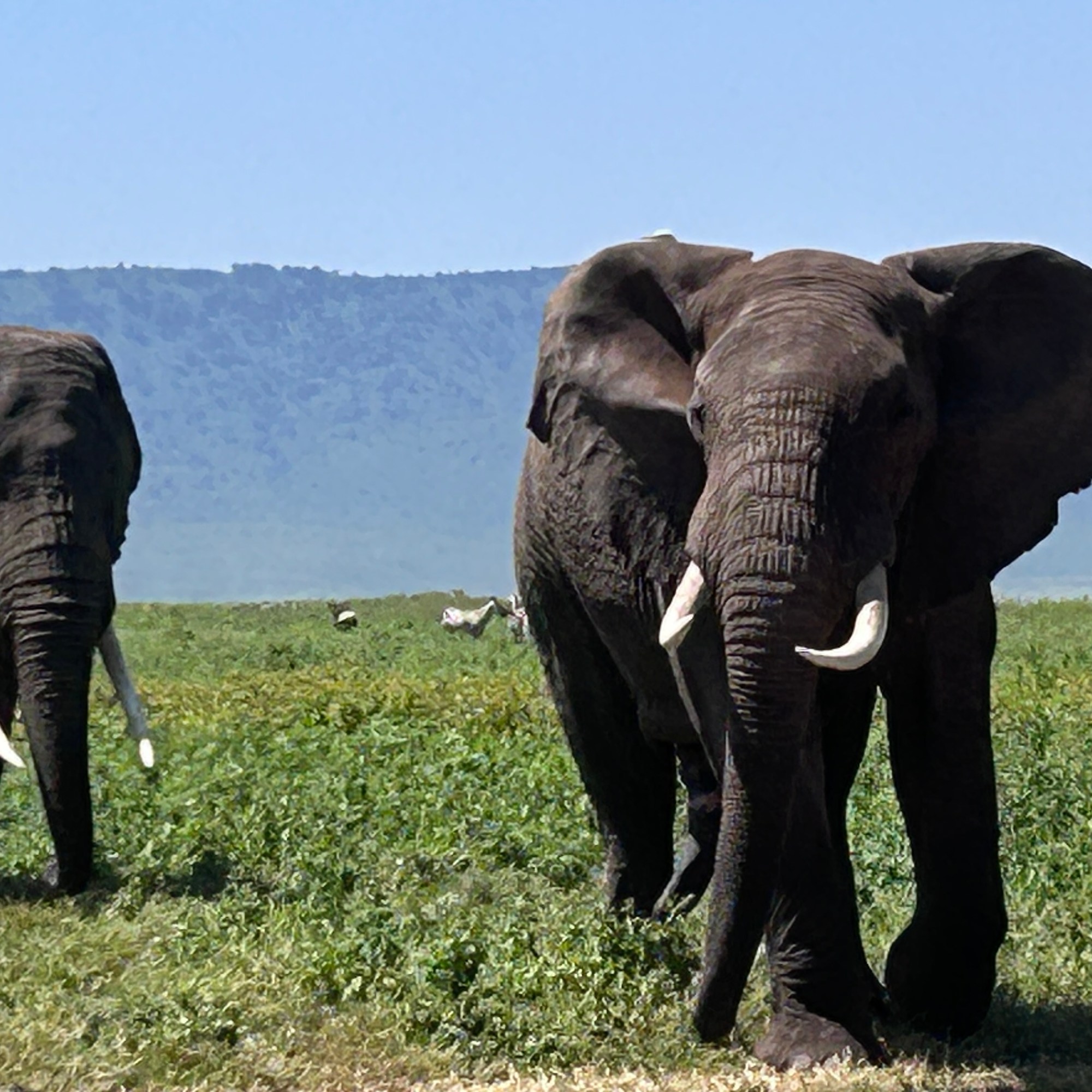
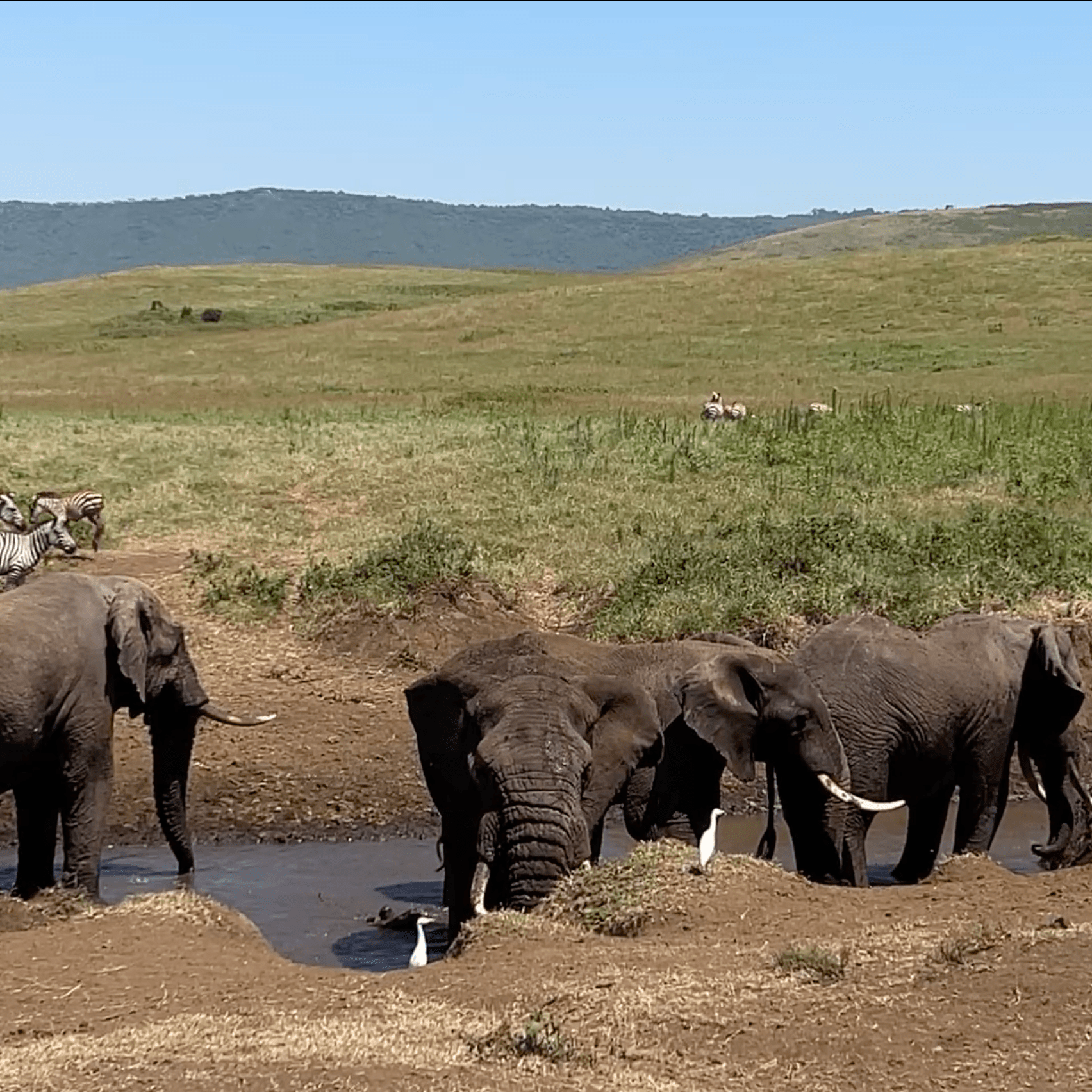

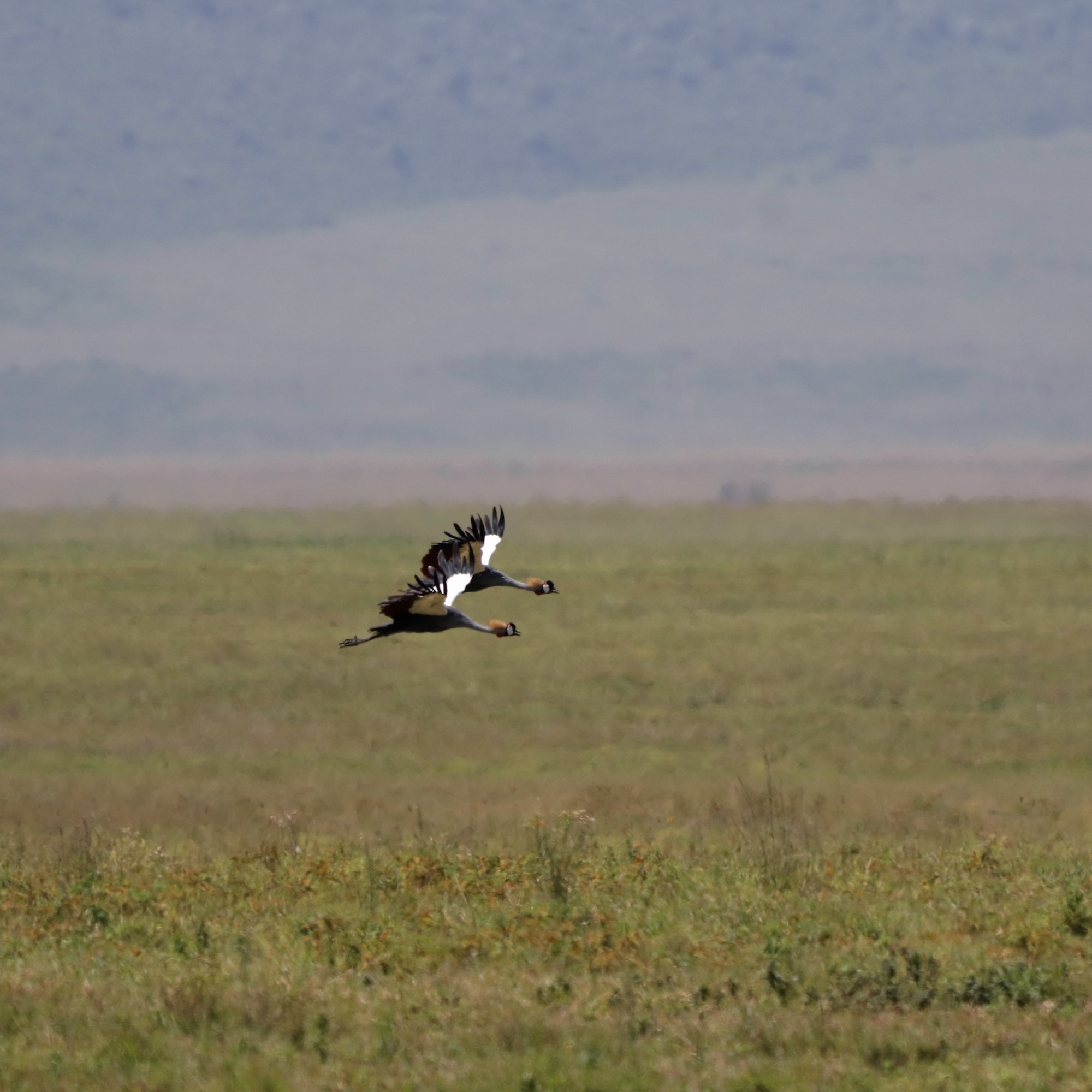
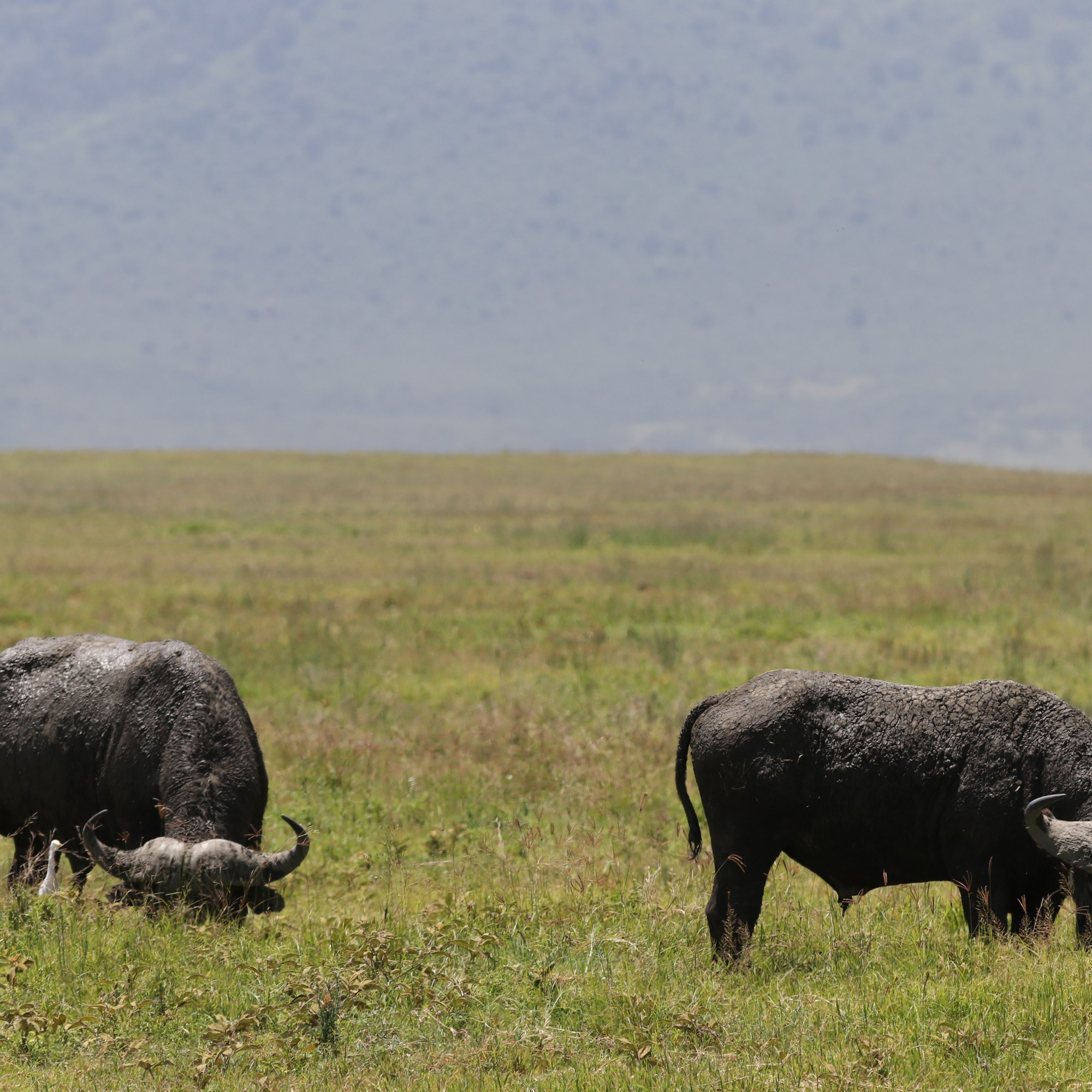
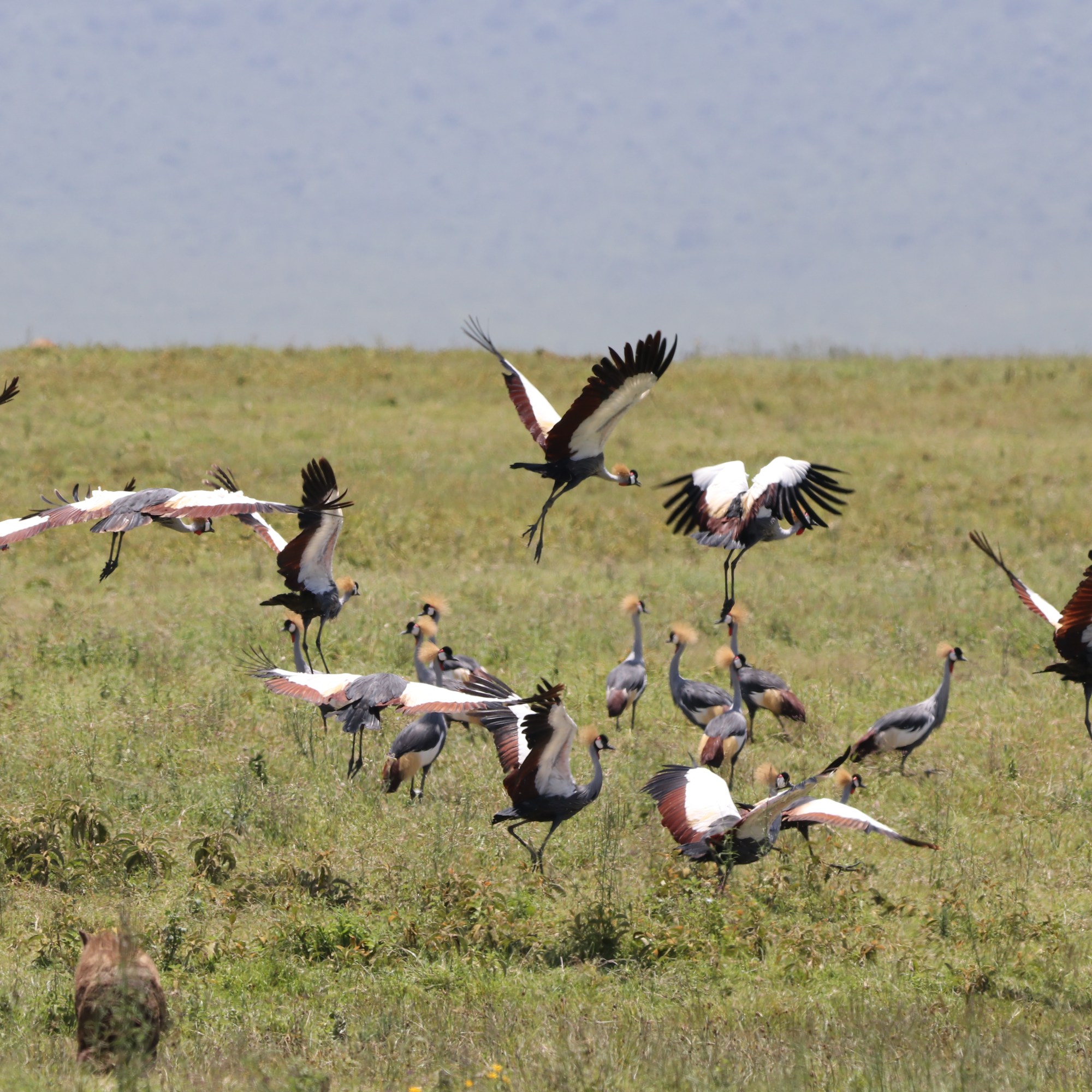
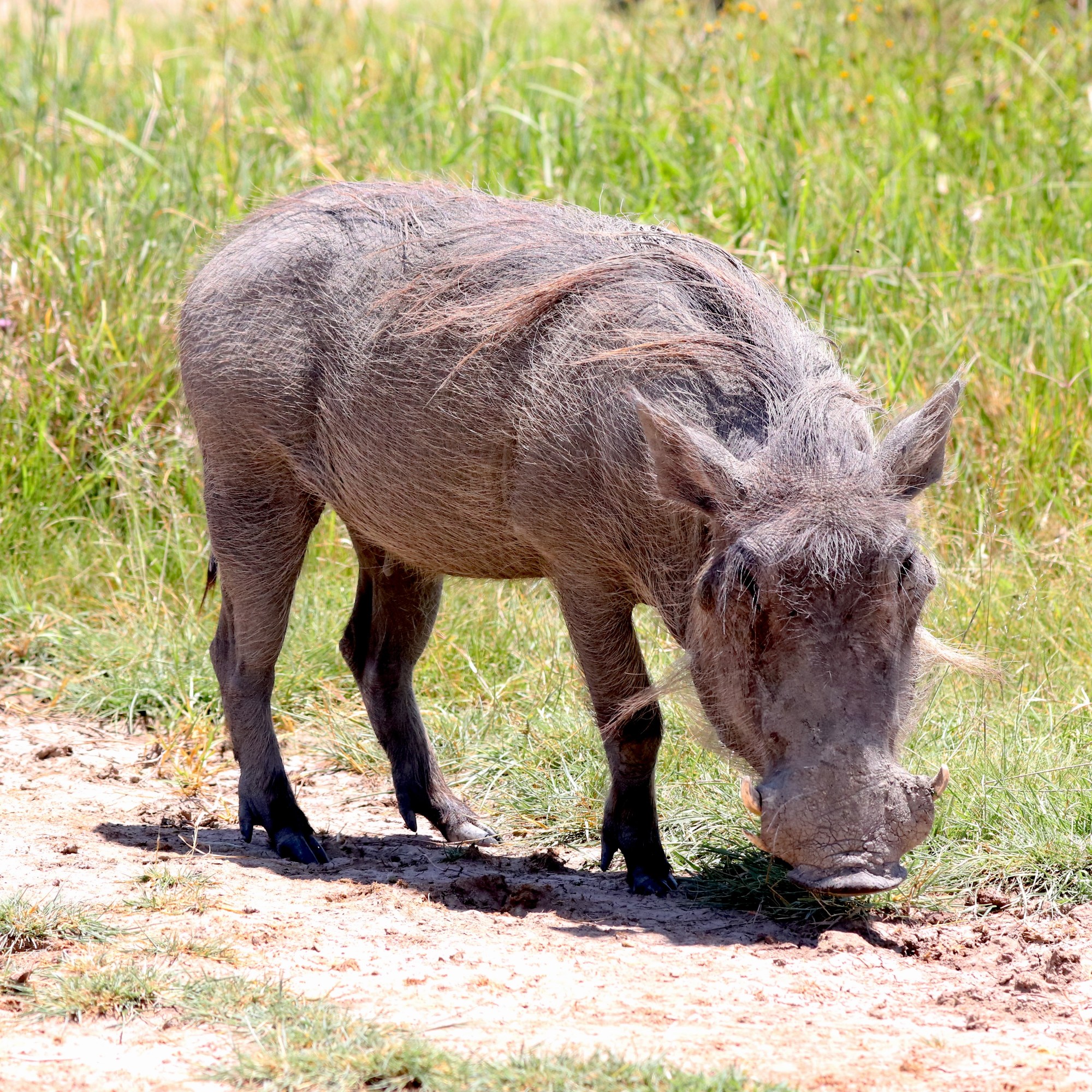
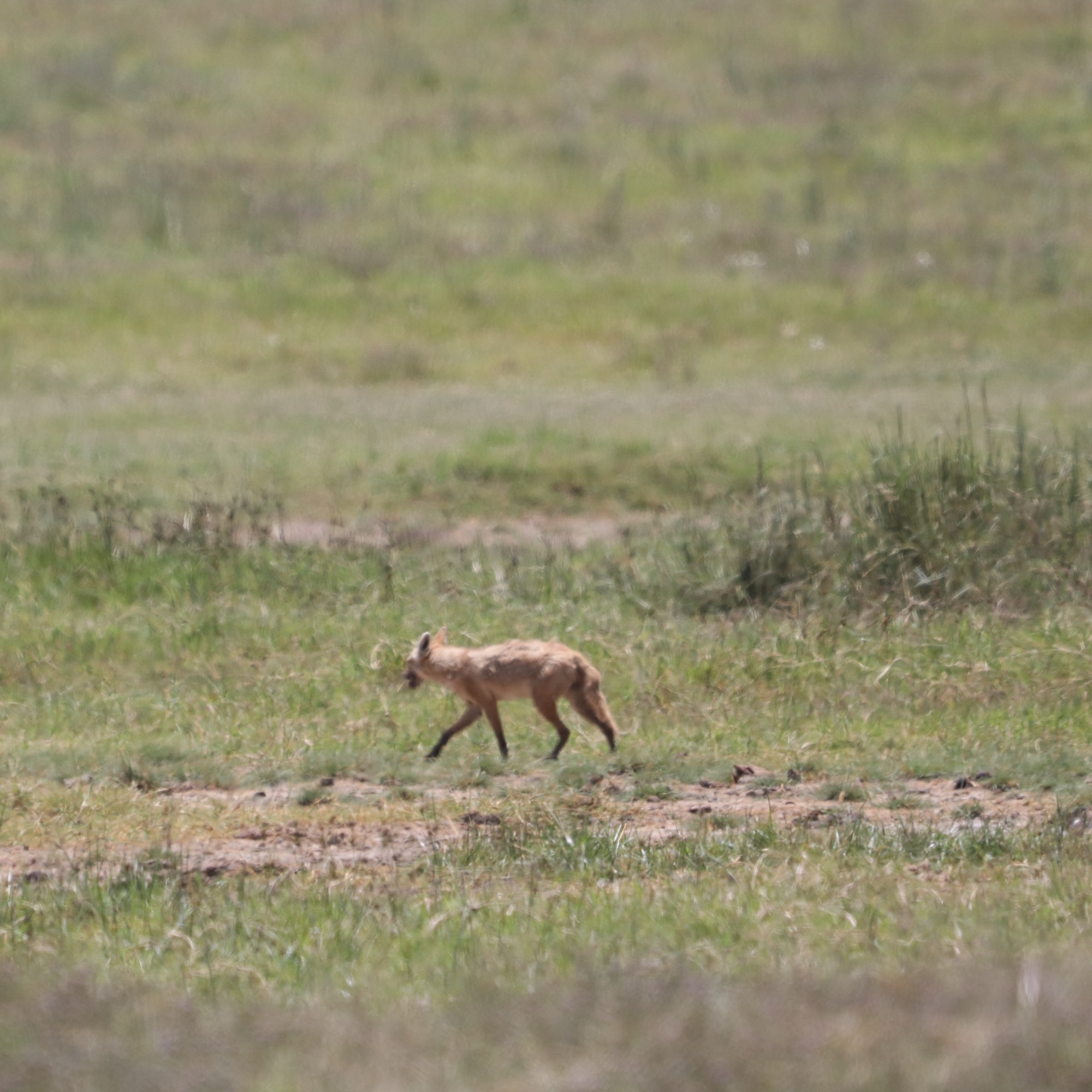
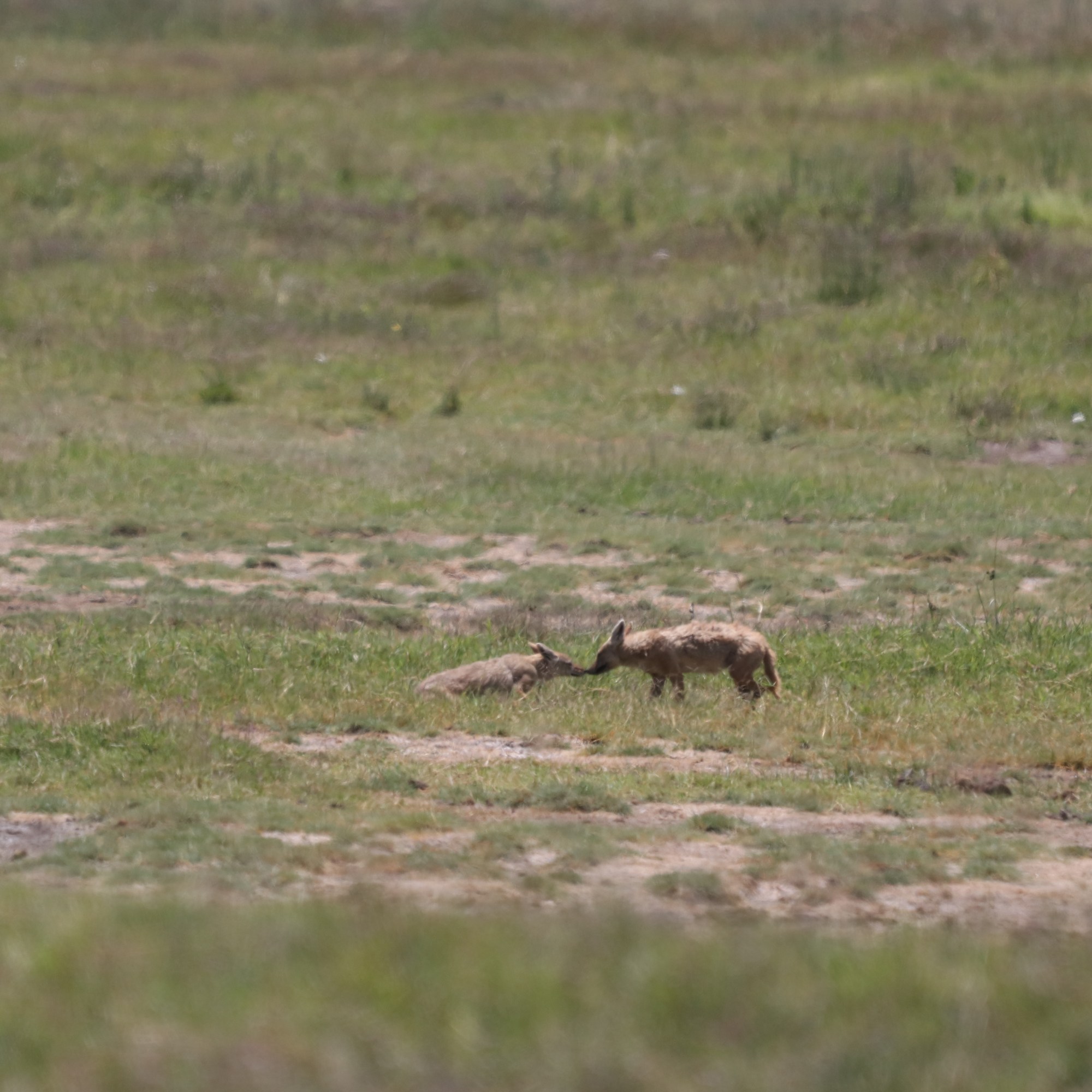
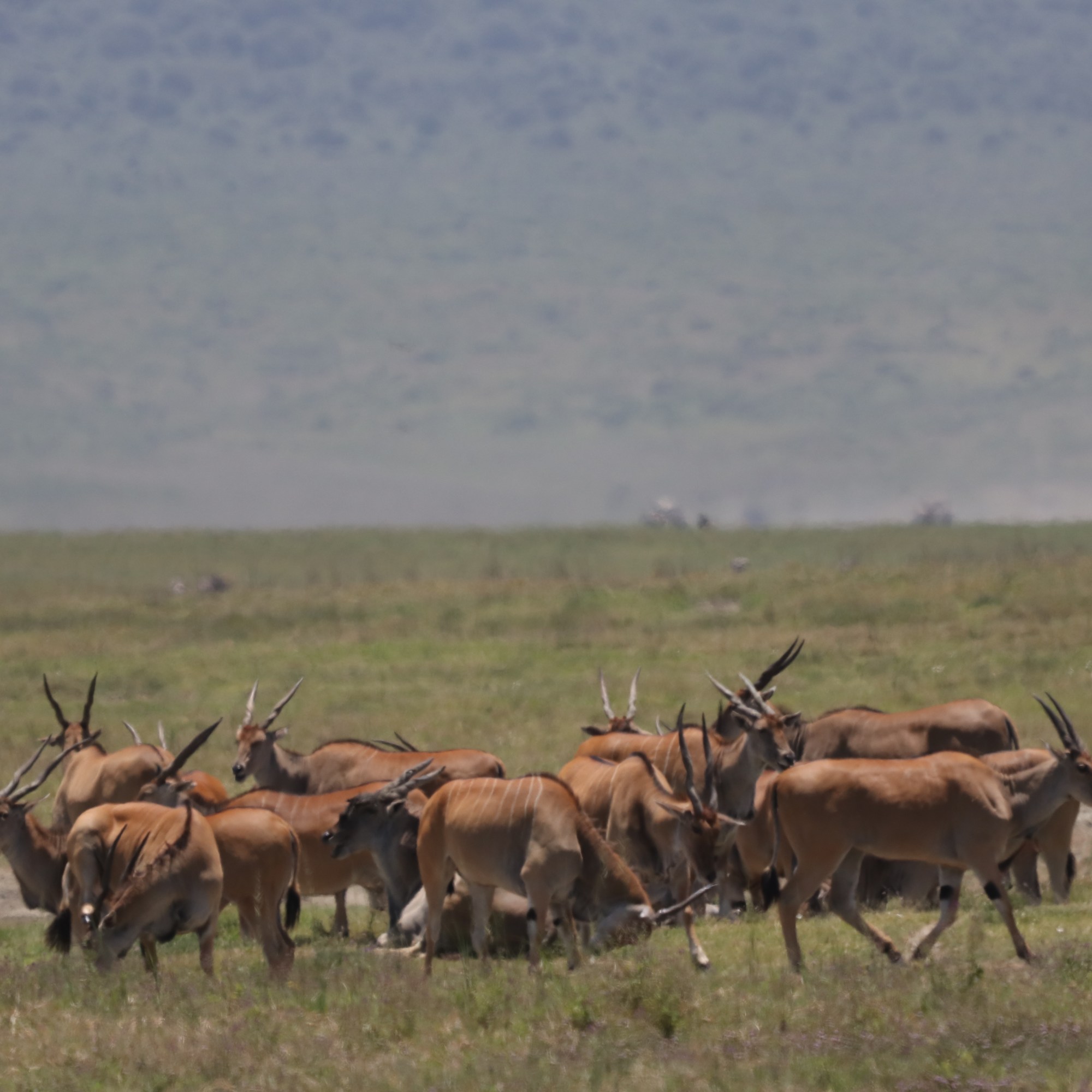




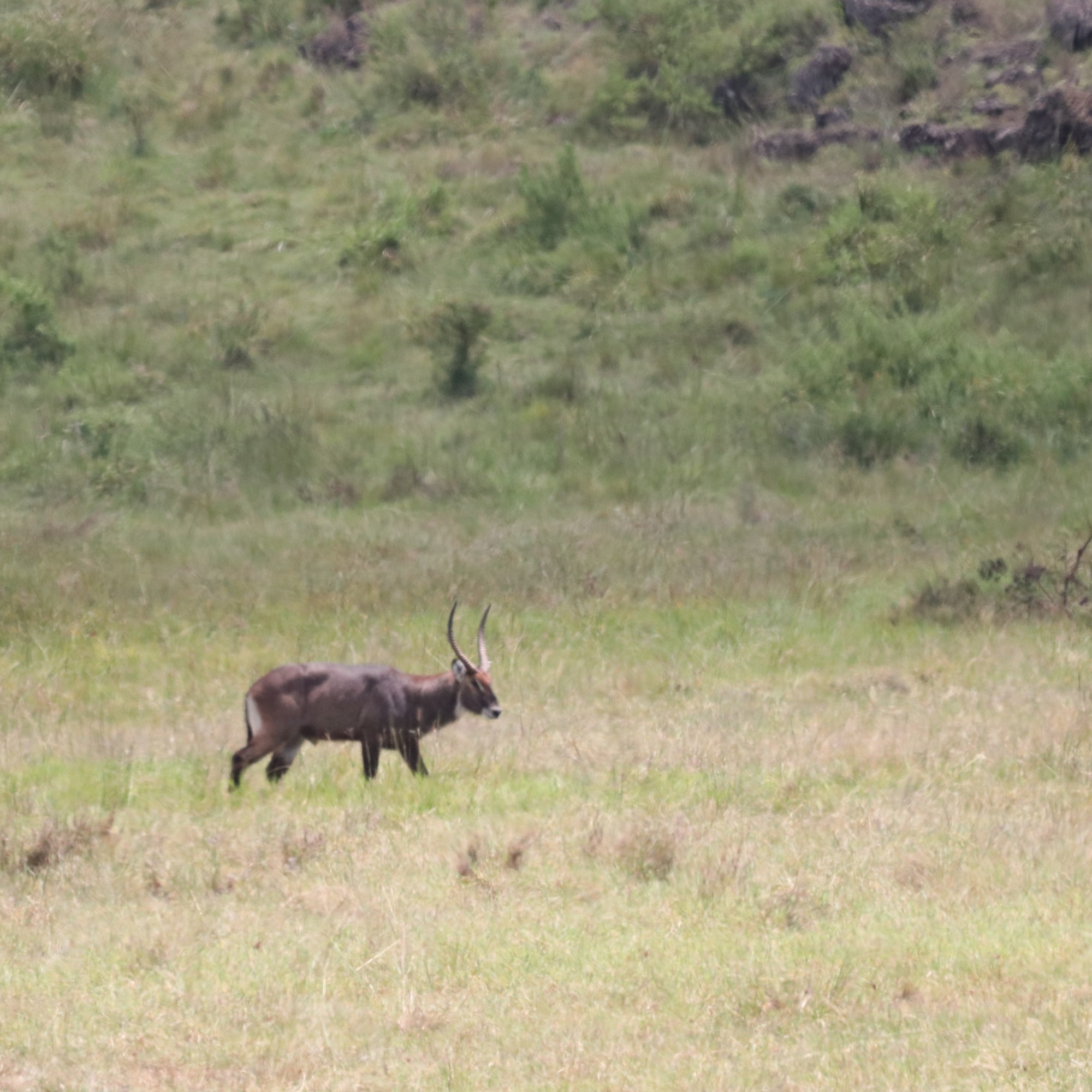




We saw a pair of African Cape buffaloes grazing and few cooling down in the mud pool, more pumbas digging for roots, and then there was the rare sight of the golden jackals. The female and male seems to doing a mating ritual as the female lay down in submission. There were also a heard of the elands standing tall against the grasslands.
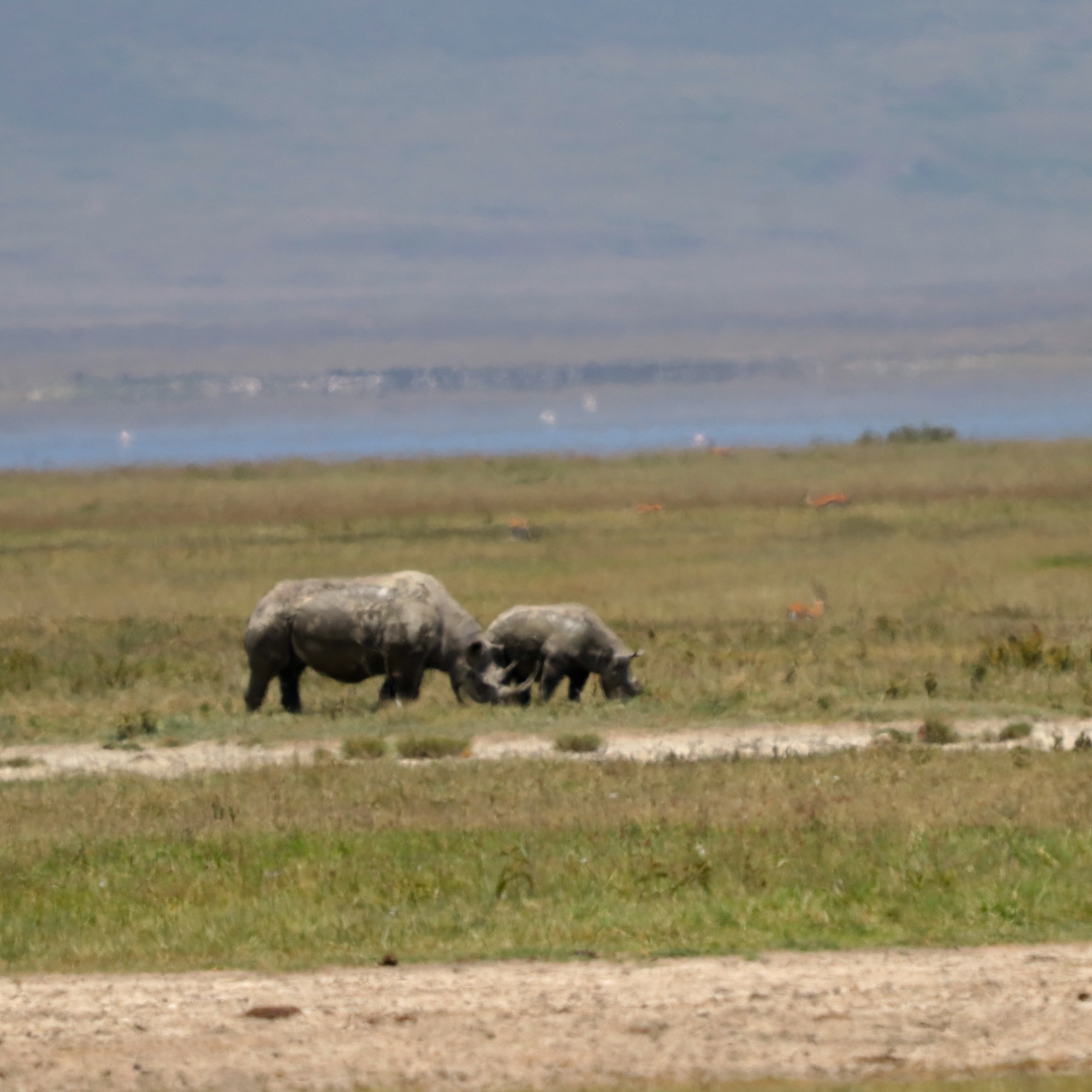
Despite being one of Africa’s smallest protected areas, the animal density here is unrivaled, making it a prime spot for wildlife enthusiasts and photographers. Ngorongoro Crater is home to approximately 30,000 mammals, including lions, elephants, buffalo, and the critically endangered black rhino. Spotting a black rhino in its natural habitat is a rare privilege, and the crater offers the best chance to see these majestic creatures.
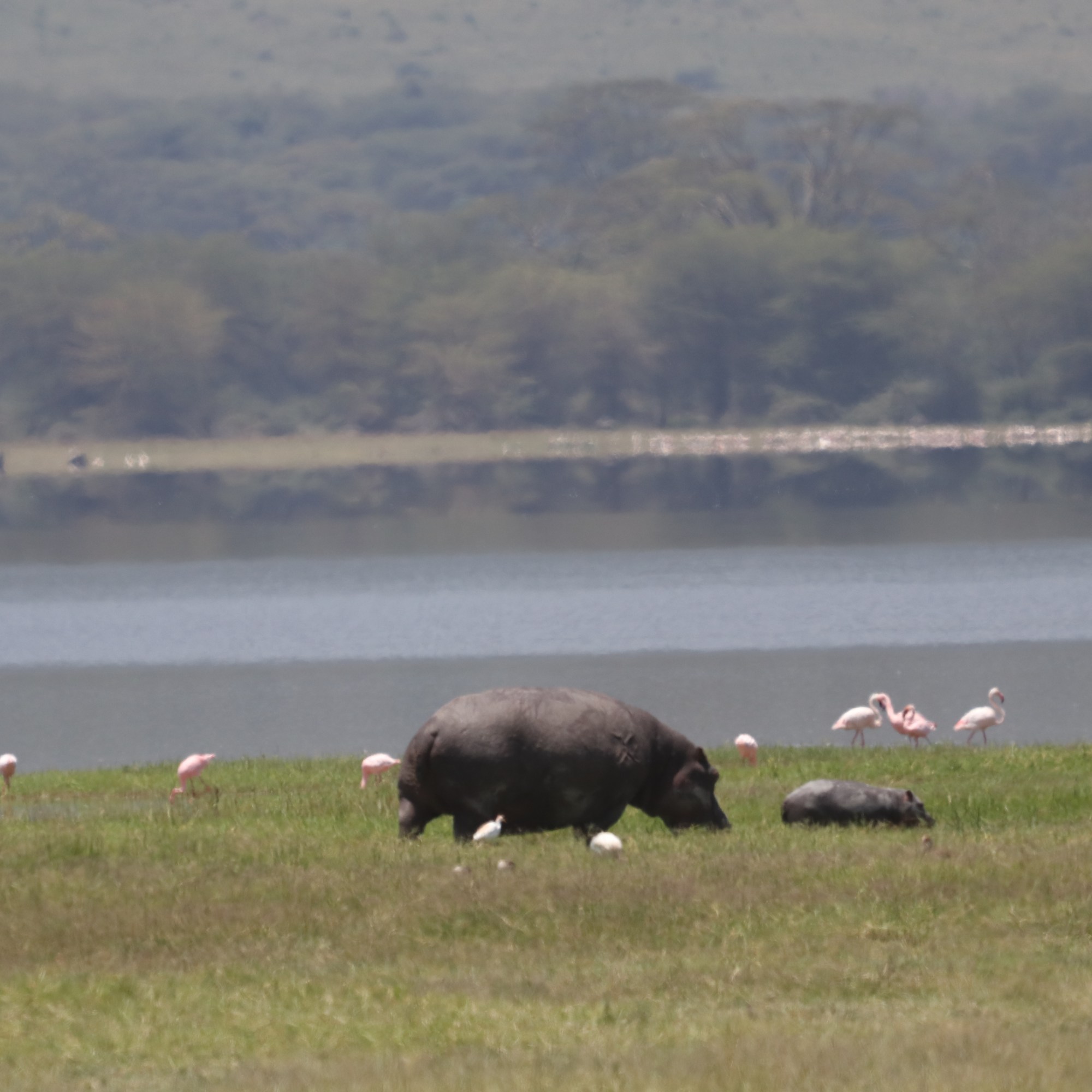
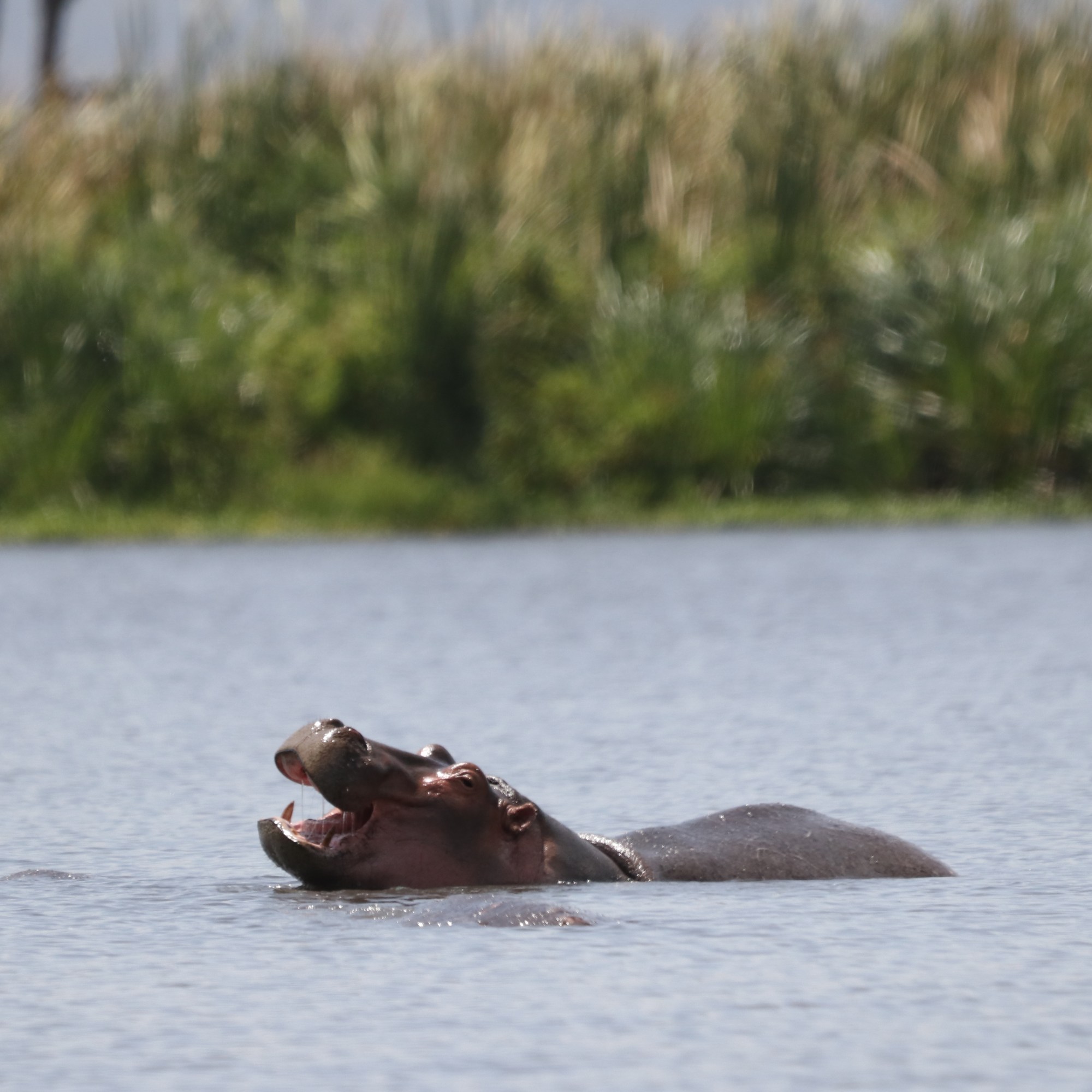
The winding path led us near the other side of Lake Magadi, where a tender scene unfolded before our eyes—a baby hippo grazing gently beside her mother, while a lone wildebeest sipped water against a stunning backdrop of flamingoes and ducks resting languidly along the shoreline. Yet, our hearts were set on a singular, elusive vision. We were on the hunt for the rare black rhino, our eyes constantly scanning the horizon from the top of the jeep.
Fortune smiled upon us. In the distance, a solitary rhino emerged, and soon after, a magnificent sight – a mother rhino with her baby, peacefully grazing near the lake. Witnessing this endangered marvel was a moment of profound gratitude, a rare encounter that felt like a blessing from the wild itself. It was another triumphant tick on our Big 5 checklist.
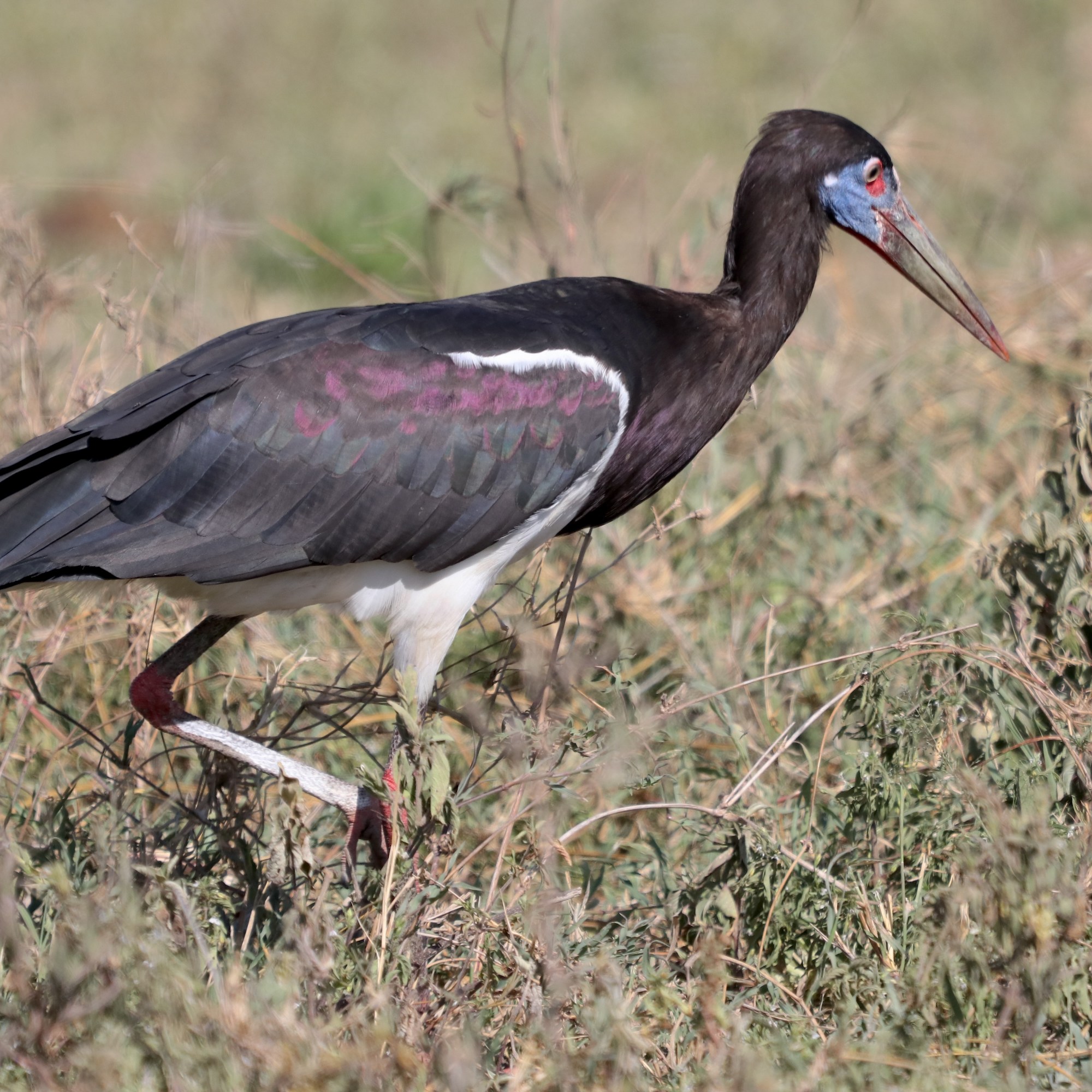
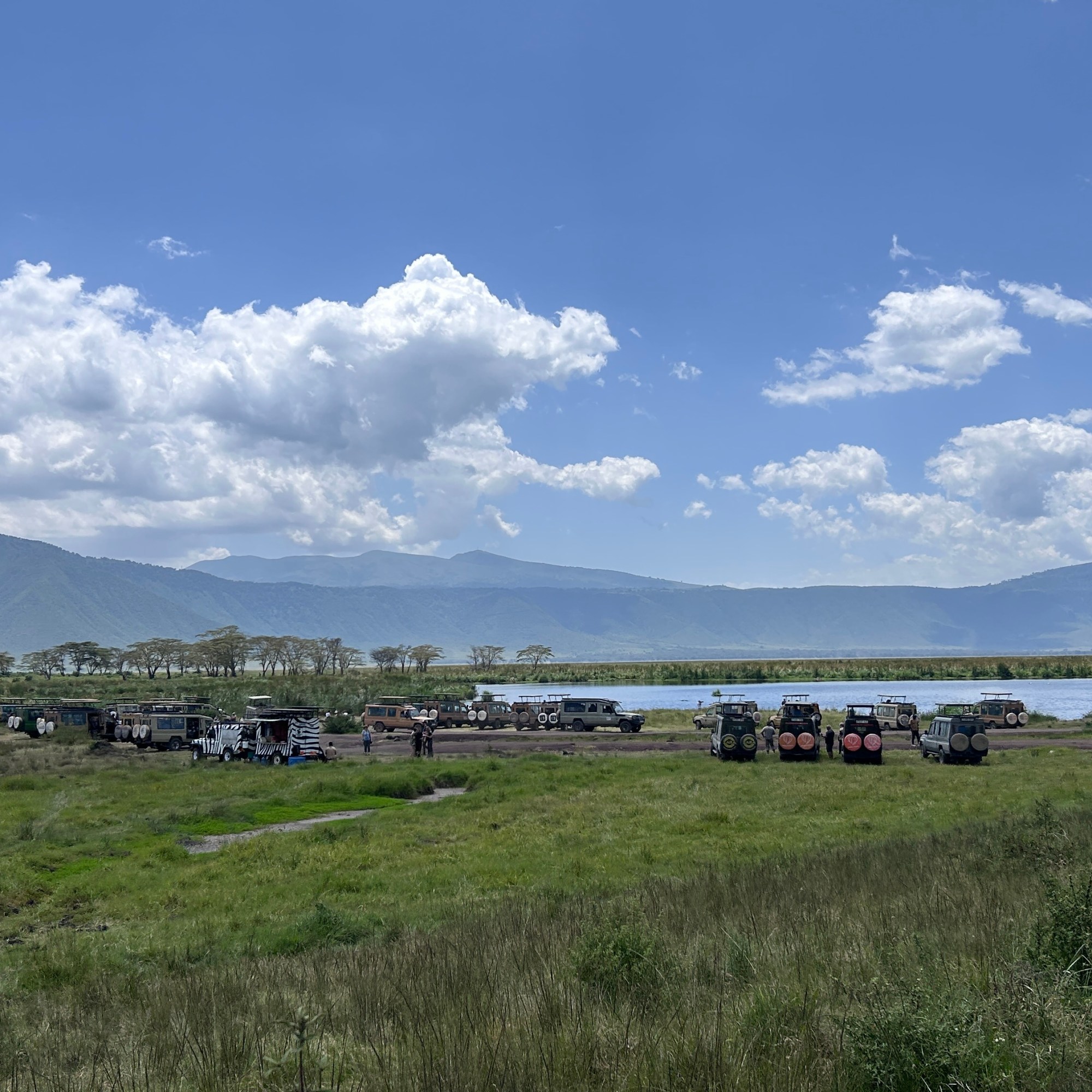
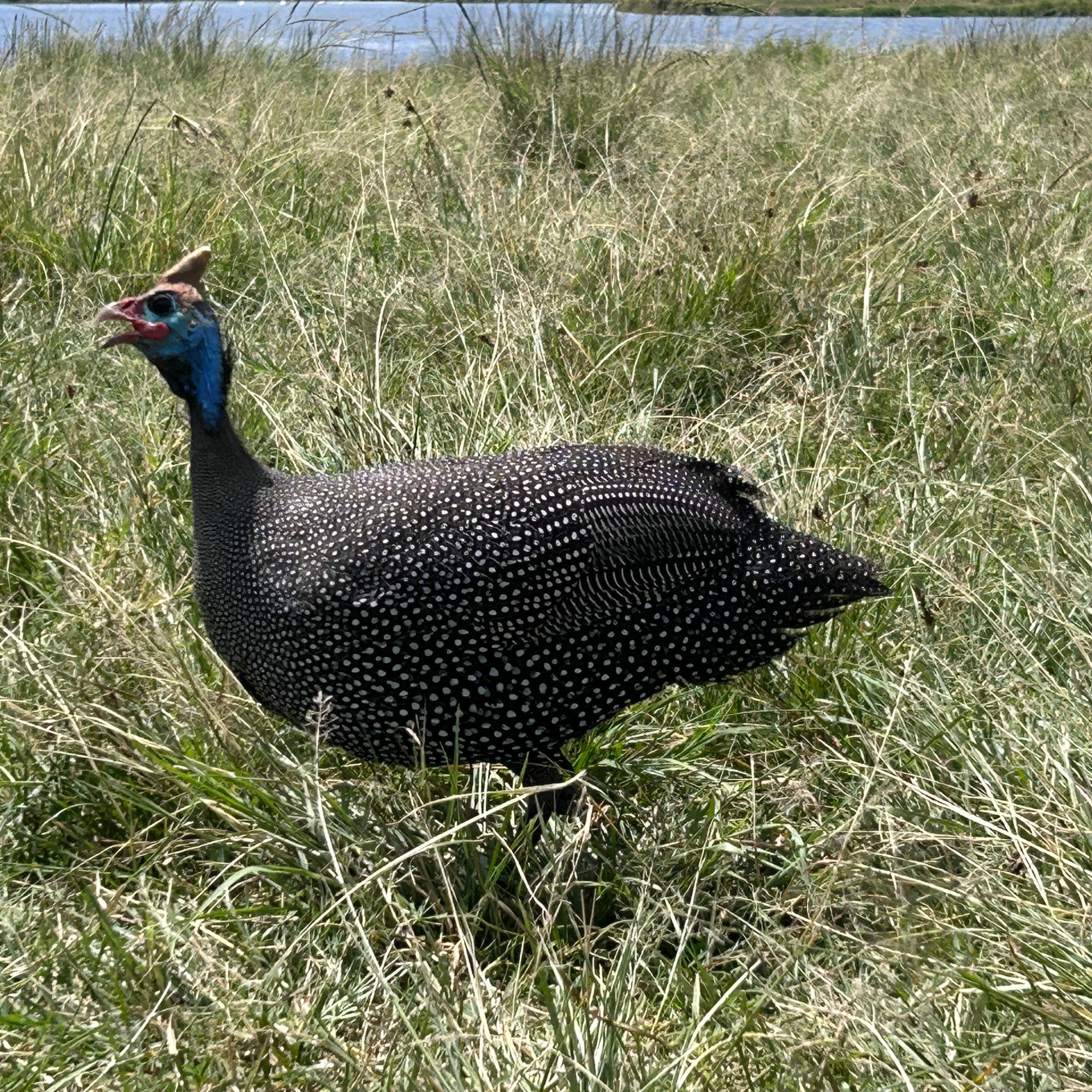
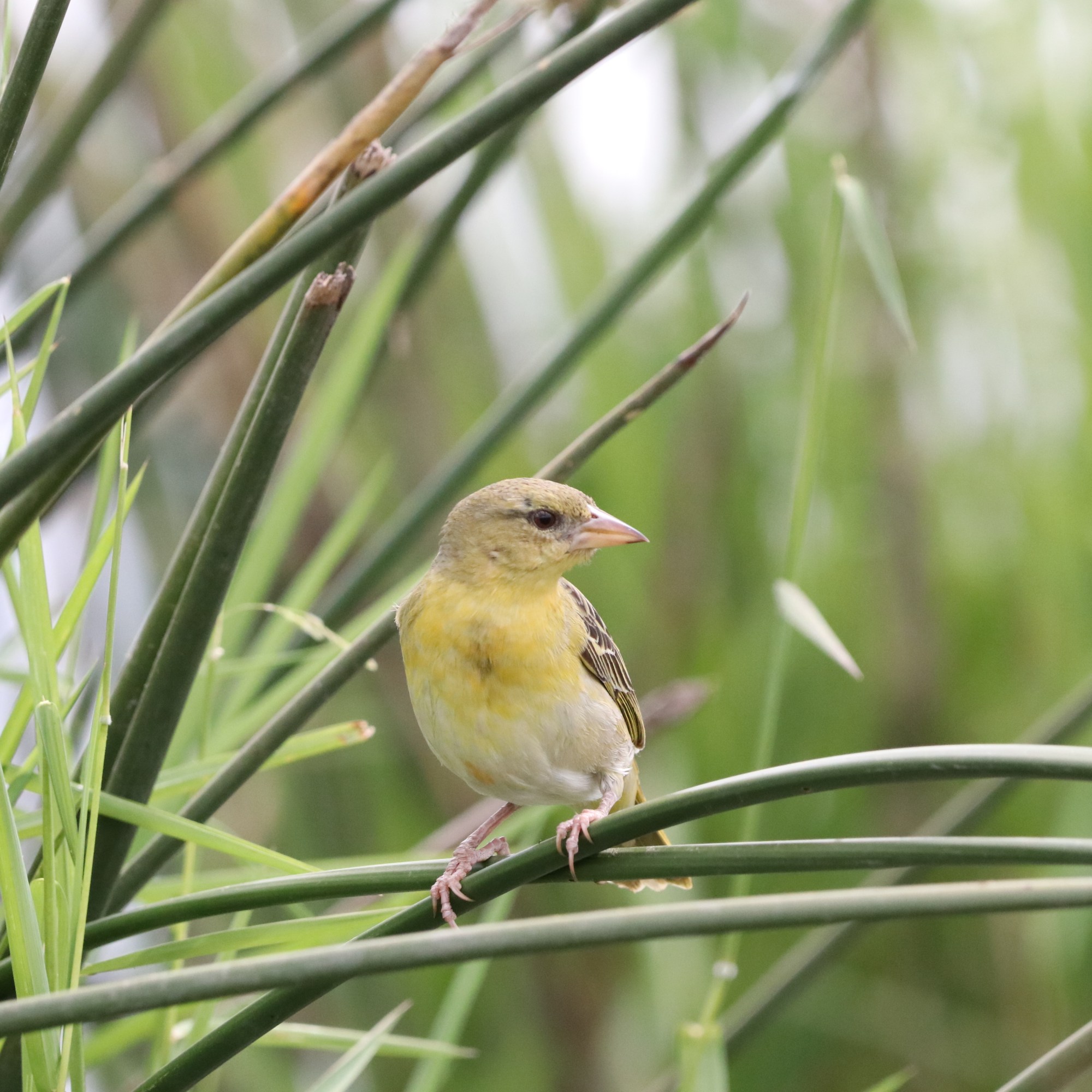
With our spirits soaring and our stomachs grumbling, we made our way to the picnic site, a serene haven adorned with benches arranged along a playful hippo pool. As we settled down to enjoy a well deserved meal, the area buzzed with life: the Marabou stork and helmeted guinea fowl darted around in search of morsels, while a large congregation of golden weaver birds, nestled high in the trees, added a vibrant splash of color to the scene.
Surrounded by the beauty of nature and nourished by the hot meal, we felt our energy renewed. A perfect moment of pause and reflection, readying us for the next chapter of our adventure.
It’s no surprise that the Ngorongoro Crater is a UNESCO World Heritage Site, often hailed as the “Eighth Wonder of the World.” Standing within its vast embrace, surrounded by an unbroken horizon of wildlife and raw beauty, it was easy to see why.
With over 500 bird species, the crater is a paradise for bird lovers. From flamingos that transform the shores of Lake Magadi into a sea of pink to powerful raptors soaring effortlessly above, the diversity of avian life is truly mesmerizing. As we drove toward the lake once more just as my guide and friend had promised, I took every chance to capture the beauty of other birds along the way. But nothing compared to what awaited us at the lake.
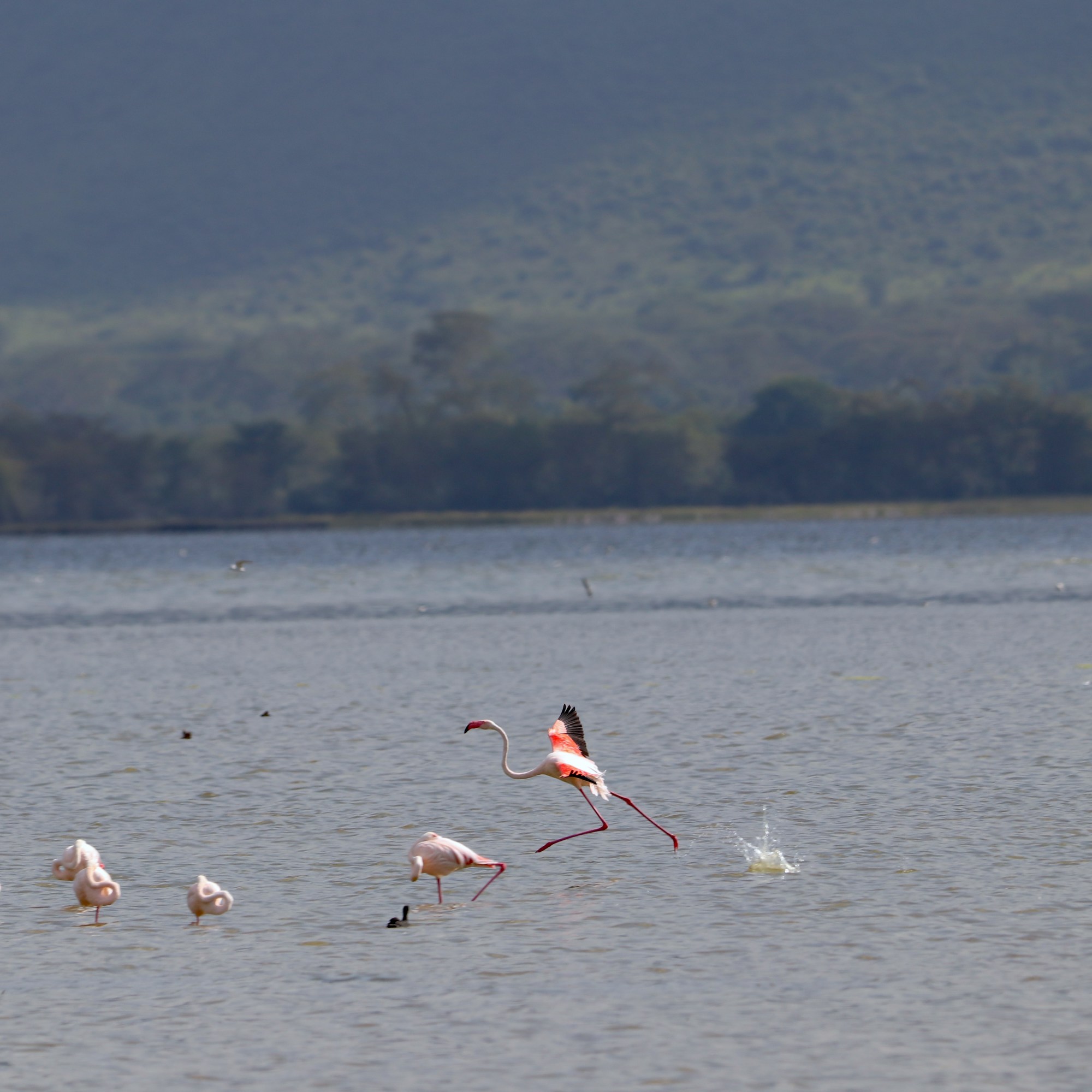
As the evening deepened, the scene before me became almost surreal. The lake, shimmering under the soft glow of the setting sun, took on an ethereal beauty. The flamingos, wading gracefully in the shallow waters, reflected in hues of gold and rose, creating a dreamlike canvas. And then came the moment I had longed for.. a flock of flamingos took flight, their delicate wings painting the sky in shades of pink. I raised my camera, heart pounding with excitement, and clicked away, capturing the magic of this long held dream.
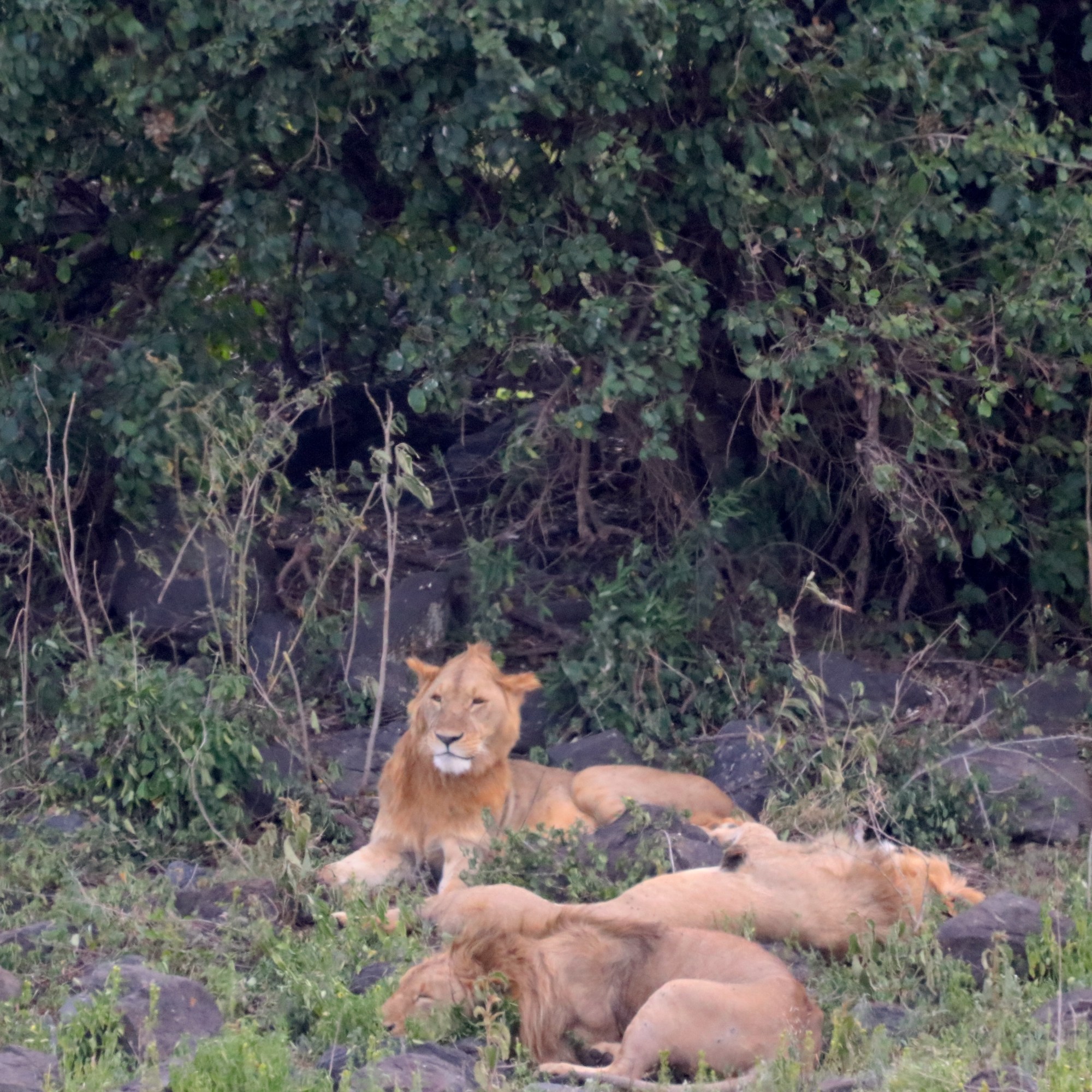
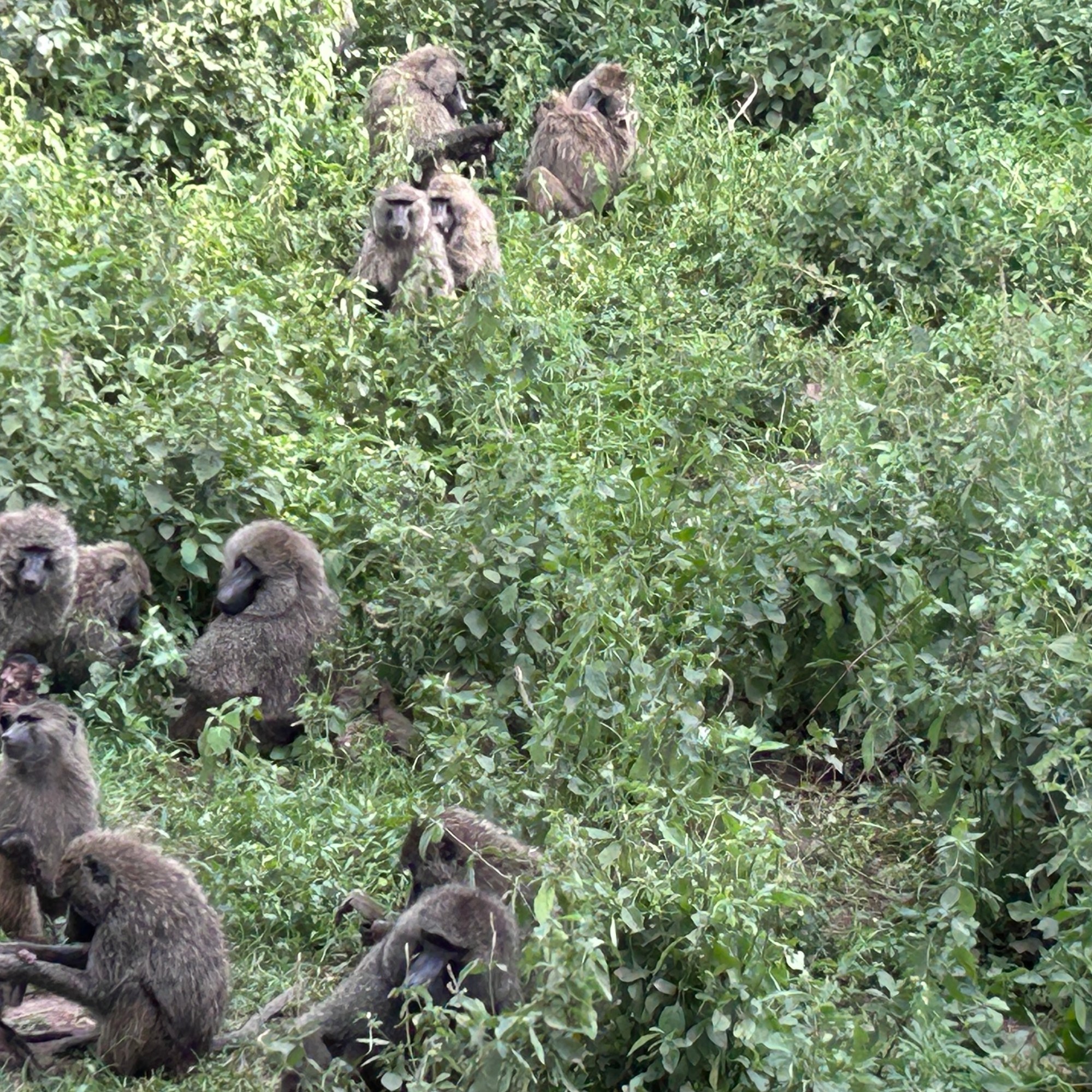
But the adventure was not over yet. As we prepared to leave the crater, we took a different route through the lush forested exit, and nature had more surprises in store for us. Beneath the shade of towering trees, three male lions lay resting, their golden manes blending seamlessly with the dappled light. Nearby, elephants moved with quiet grandeur, their sheer presence commanding respect. Along the winding path, a troop of baboons scavenged for food, their playful antics adding a touch of liveliness to the tranquil setting.
As we climbed out of the crater, leaving behind one of the most extraordinary landscapes on Earth, a wave of emotions washed over me—fulfillment, joy, and an immense sense of gratitude. We stopped once more at the viewpoint, drawn by the irresistible urge to take in one final glimpse of this natural wonder.
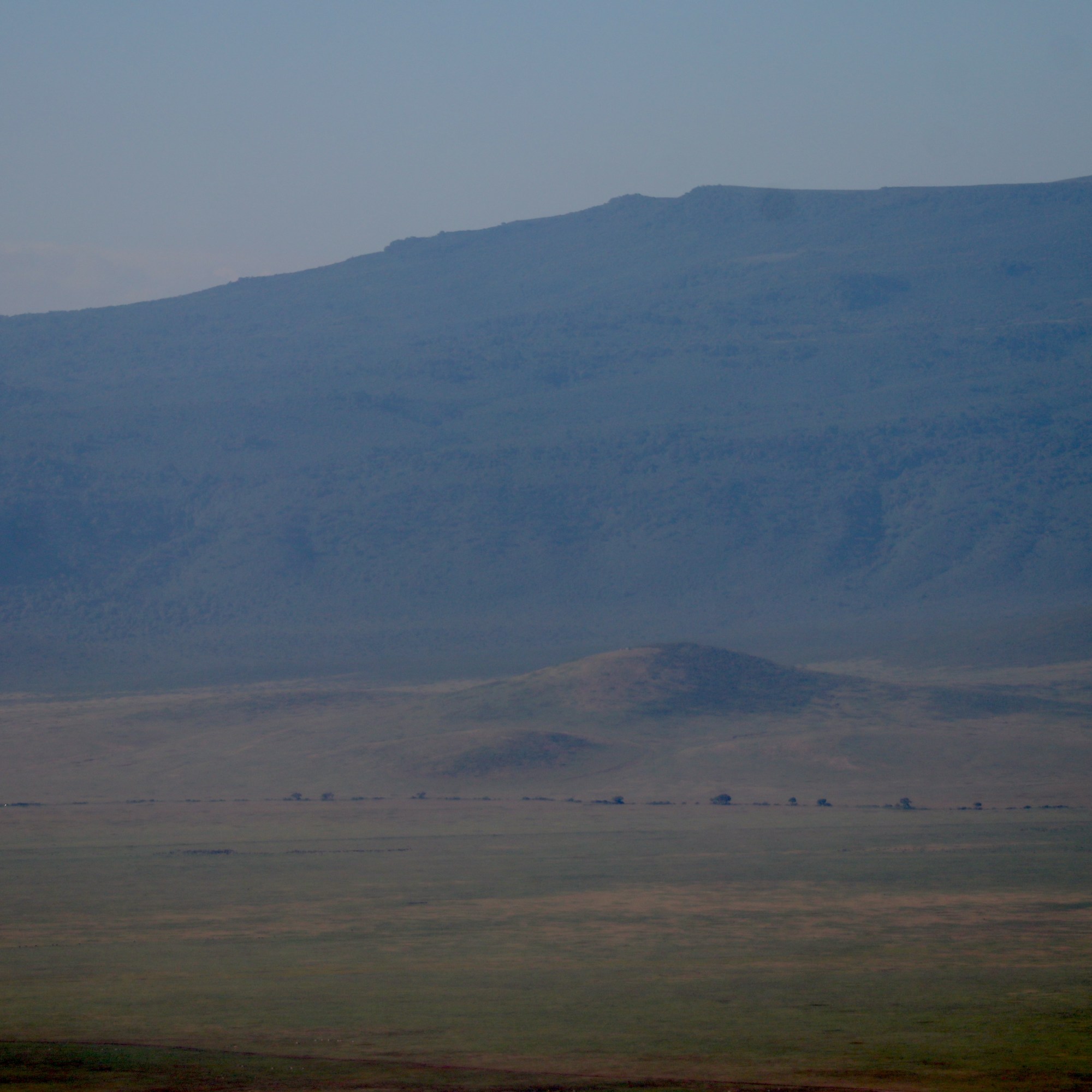
Before us, the vast caldera stretched out in quiet majesty, bathed in the golden hues of the setting sun. Long shadows draped across the land, accentuating the rolling plains, the shimmering lake, and the endless herds that called this place home. It was a sight that felt both timeless and fleeting, a moment that I wished I could hold onto forever.





Ngorongoro Crater was not just a safari; it was a journey into the heart of a primeval world, where nature reigns supreme. Whether it’s the flamingos on Lake Magadi, the elusive black rhino, or the iconic predators of the African savanna, every moment here was a treasure.
Another dream had been realized, another cherished part of my bucket list complete. As the last light dipped beyond the crater’s rim, I took a deep breath, letting the beauty of the moment sink in. This was more than just a journey—it was a memory etched into my soul, a story I would carry with me for the rest of my life.
Based on our experience following are some tips for visiting Ngorongoro Crater
- Time Your Visit: Wildlife viewing is excellent year-round, but early mornings offer the best light for photography and higher chances of spotting predators.
- Bring Your Binoculars: The crater’s rich birdlife and the chance to see rare species like the African golden cat make binoculars a must.
- Don’t Expect Giraffes: The crater’s steep walls prevent giraffes from descending into the caldera, making them a notable absence in this wildlife haven.
- Be Patient: Wildlife encounters don’t just happen as you move along. Be patient, stop, observe, and enjoy the moments rather than being on continuous move.
Experience the complete Day -4 of the safari on my YouTube video below:
 Roads That We Crave For
Leave a comment