
Waking up on the last morning of our trip, there was a sense of calm and contentment. The past few days had been filled with unforgettable experiences, thrilling safaris, breathtaking landscapes, and moments that felt straight out of a nature documentary. But today was different. It was a day of slow goodbyes, of soaking in the last glimpses of Tanzania before heading home.
We allowed ourselves a leisurely start to the day, waking up late at Eileen’s Tree Inn, our cozy retreat for last two days. The air was crisp and fresh, and as I sipped my morning tea, I couldn’t help but reflect on the incredible journey we had been on. Soon, it was time to pack up, load our bags into the vehicle, and begin our journey back home.
But before leaving Tanzania, we had one final adventure ahead—a half-day safari in Lake Manyara National Park.

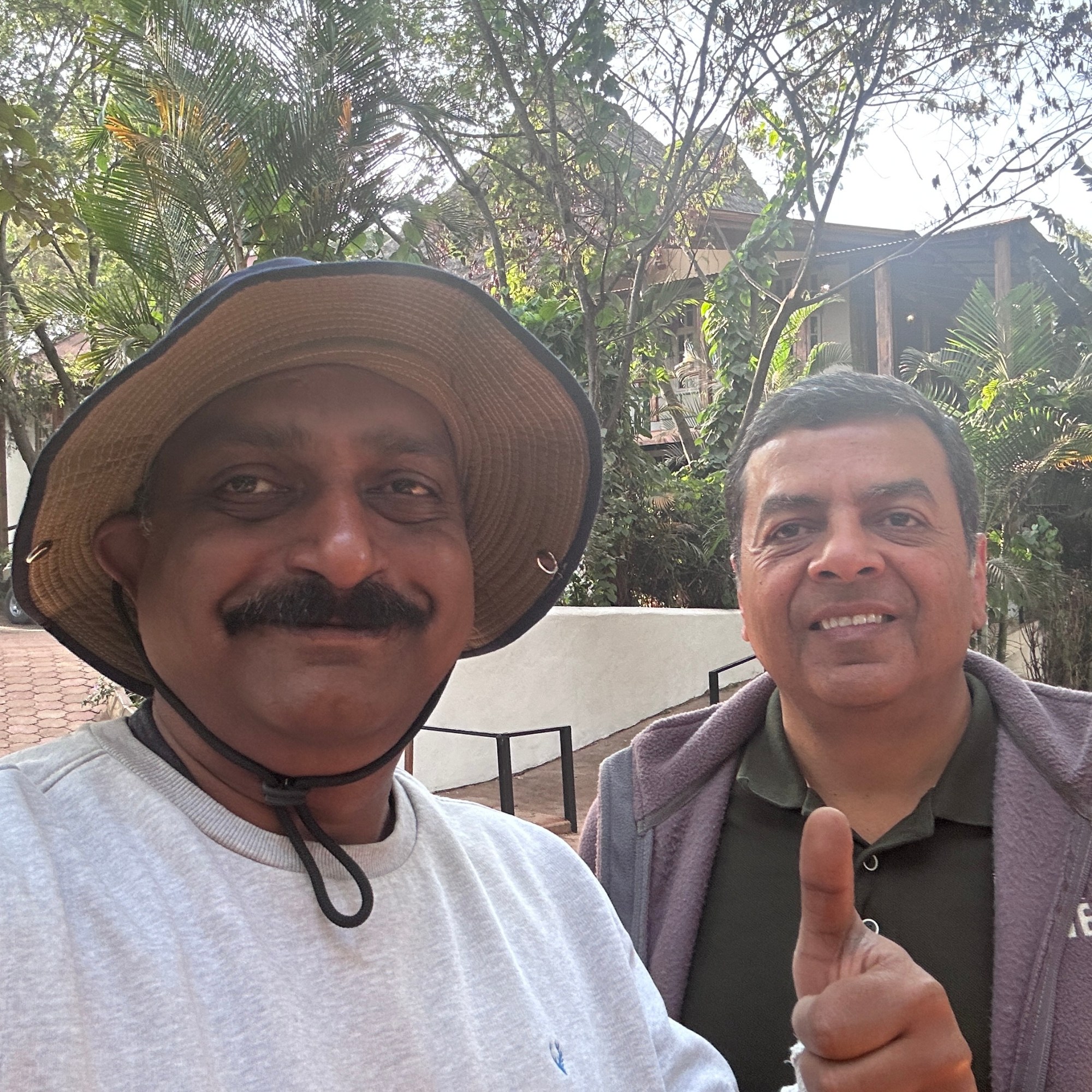

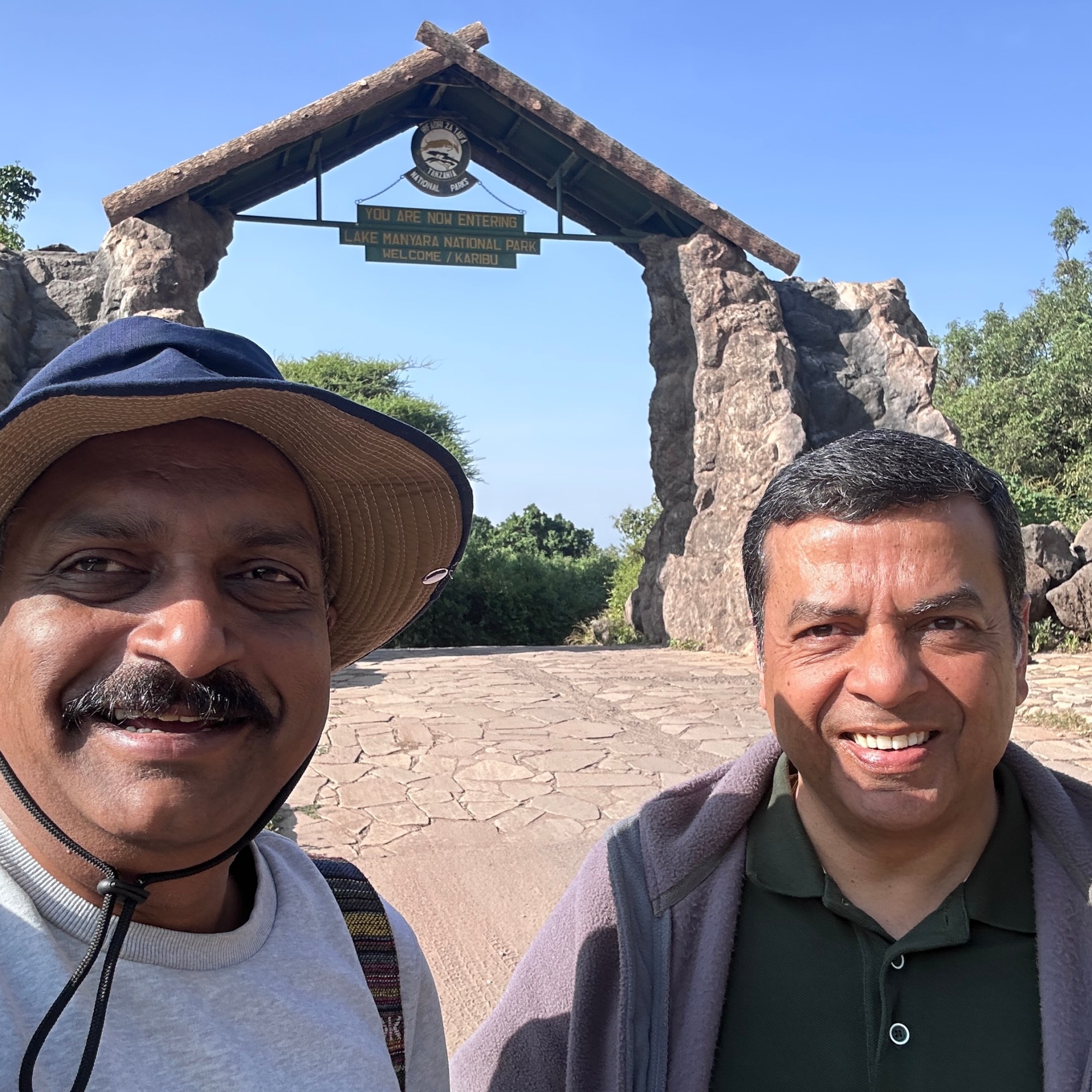




Leaving the lodge behind, we set off toward Lake Manyara National Park, our last stop before bidding farewell to Tanzania. Though much smaller than the vast Serengeti or the mighty Ngorongoro Crater, Lake Manyara is a place of quiet charm, full of life and surprises.
As we entered the park, we were immediately surrounded by a dense, green forest, with towering fig and mahogany trees forming a natural tunnel over the road. It felt almost enchanted, a world away from the endless plains we had seen earlier in the trip. Sunlight filtered through the thick canopy, casting dappled shadows on the ground.
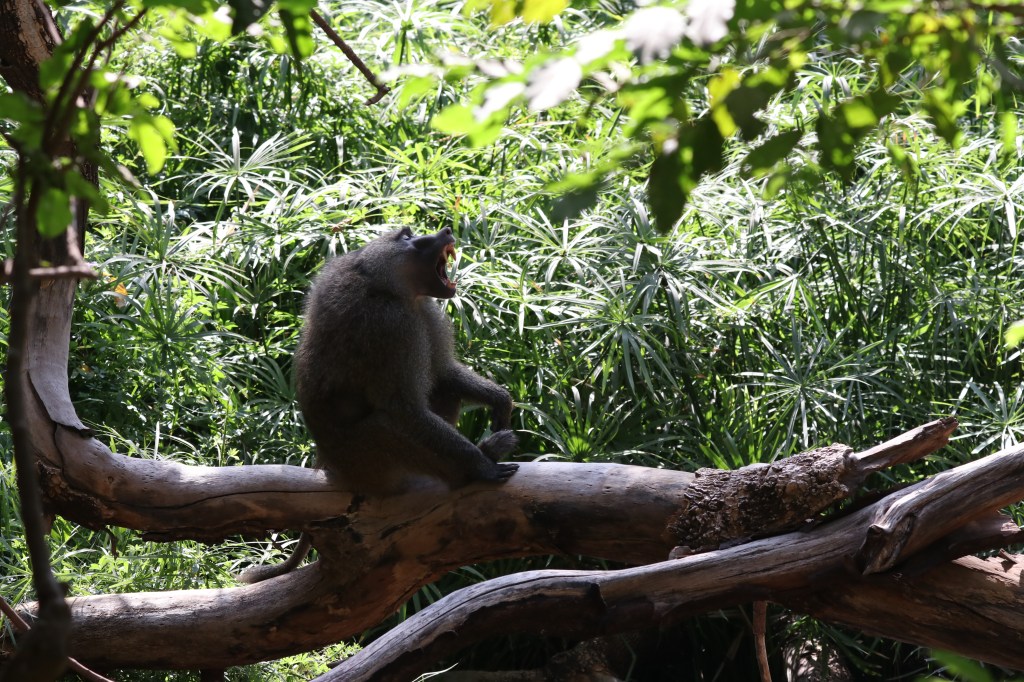
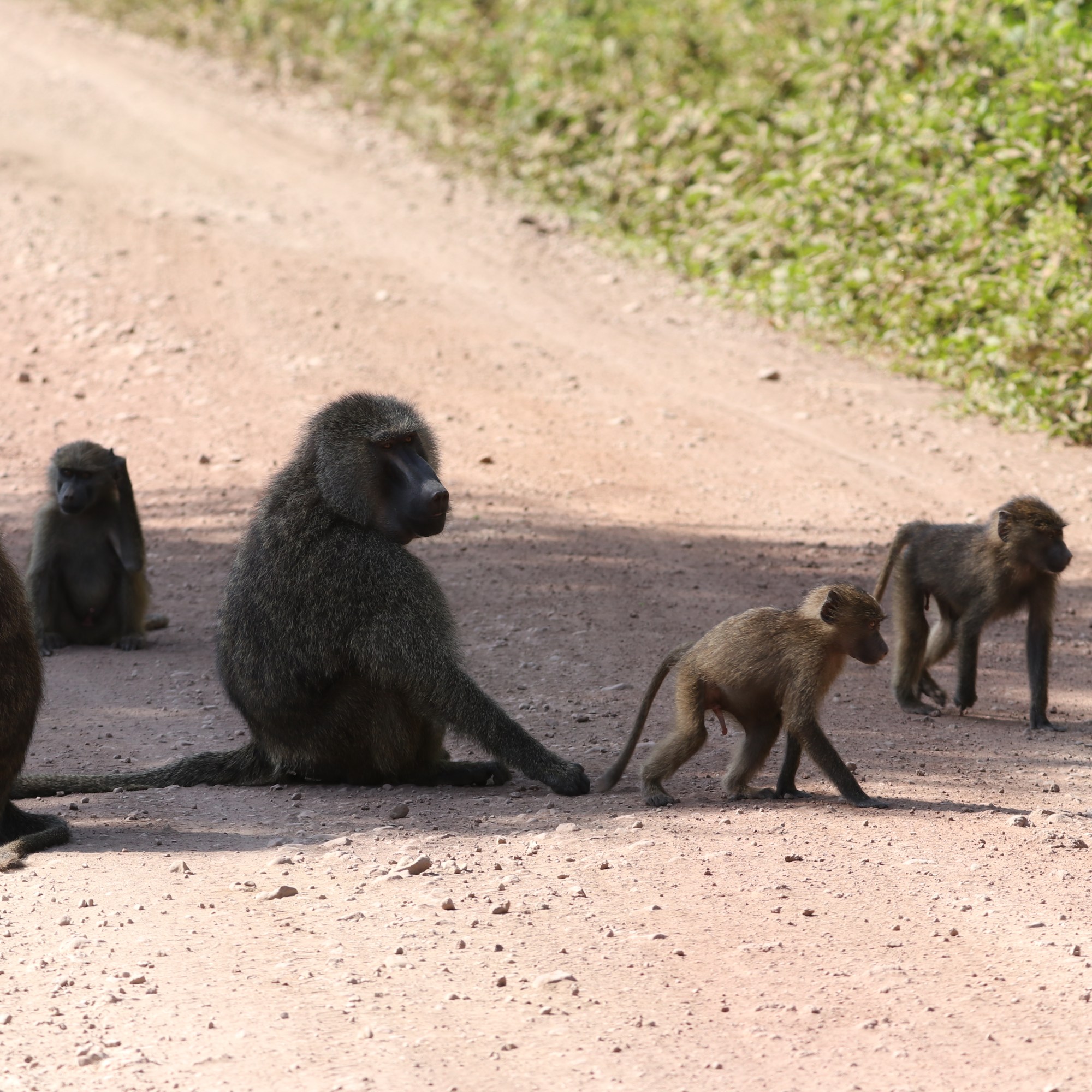
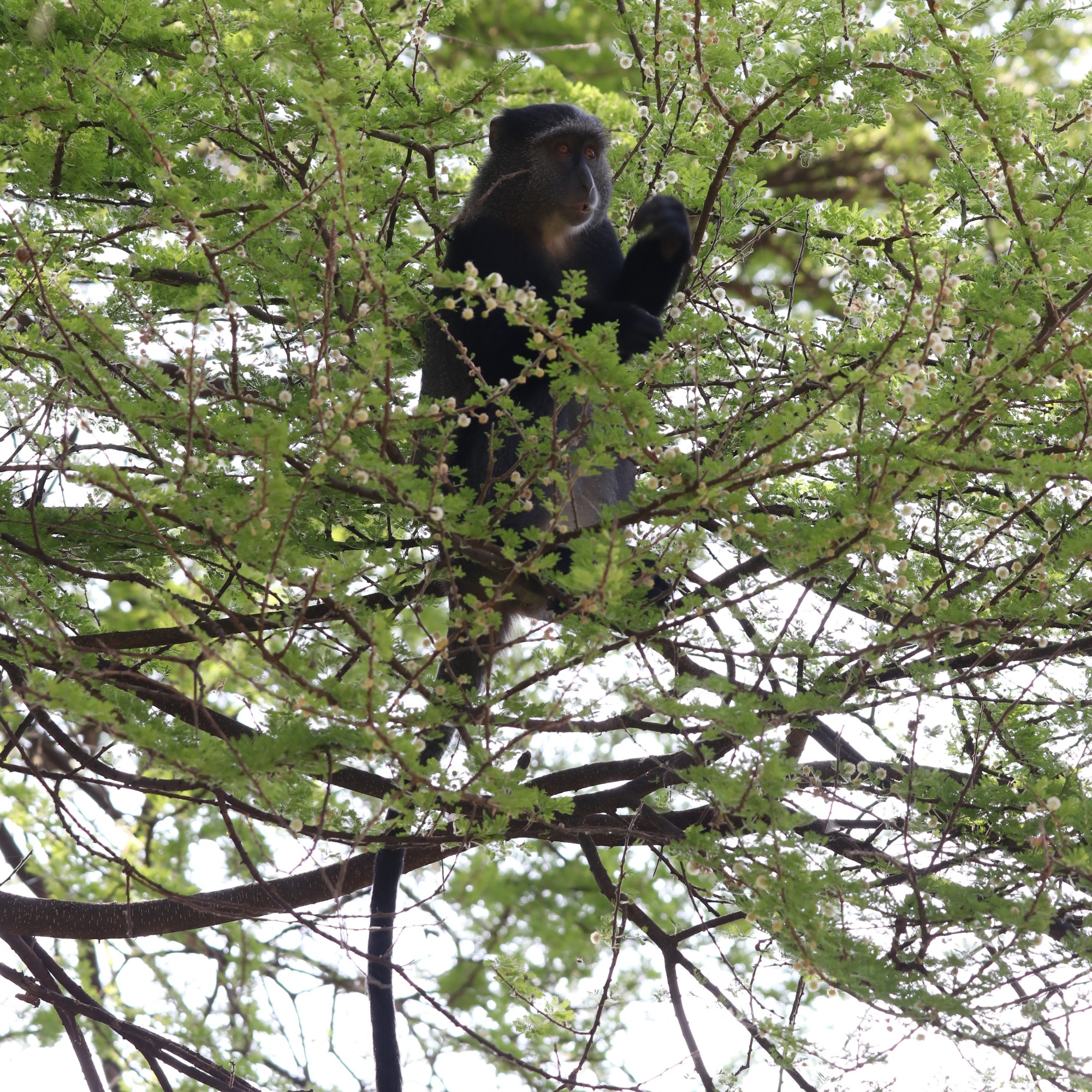
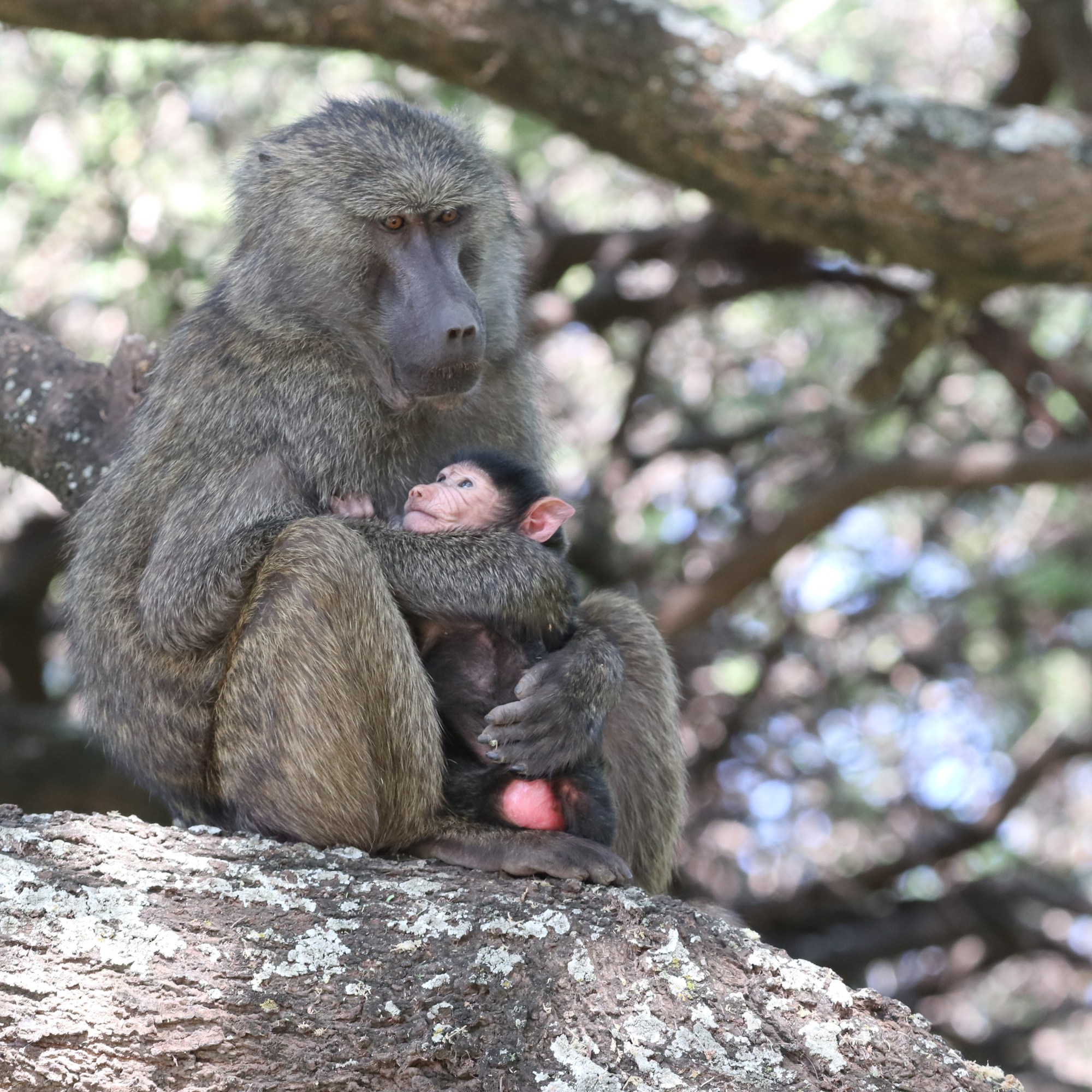
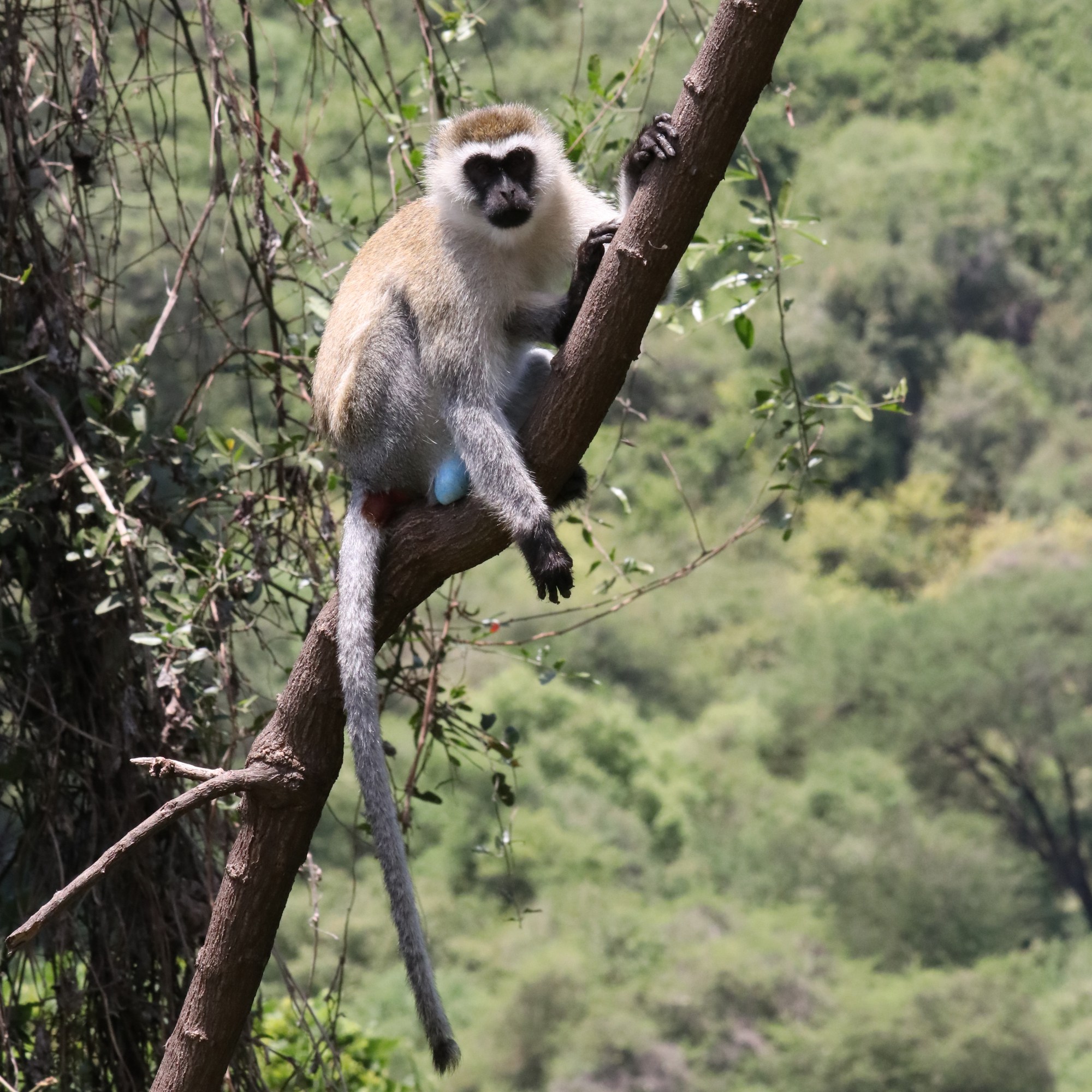
Just a few minutes in, a large troupe of baboons appeared on the roadside, their playful antics bringing a smile to my face. Some sat grooming each other, others chased one another across the branches, and a few young ones clung tightly to their mothers. Watching them felt like a fitting start to our last safari. We also saw a lone blue monkey in the branches of the acacia tree delicately picking flowers and fruits to eat all the while holding the branches with it’s long tail.
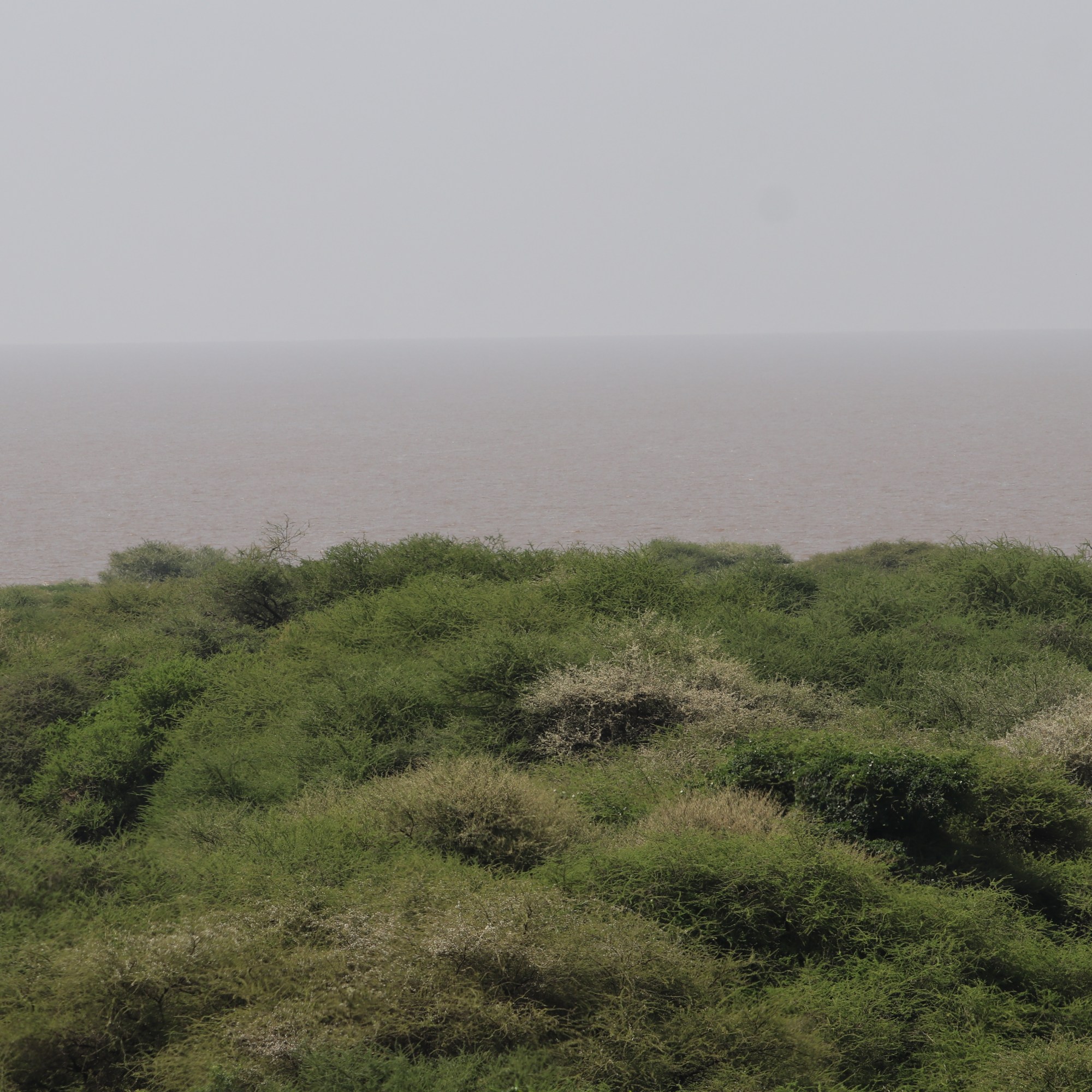
As we drove deeper, the landscape began to change. The thick forest gradually opened up into grassy woodlands and acacia-dotted plains, and then finally, the shimmering expanse of Lake Manyara appeared in the distance. The view was simply stunning—the lake stretched out like a vast mirror, reflecting the clear blue sky.
Lake Manyara is famous for its diverse wildlife and the flocks of flamingos that once painted the waters pink. But after the recent rains, the lake had expanded—swallowing nearly 2 kilometers of land and, along with it, the flamingos, who had packed their bags and flown off to the northern lakes. Still, Manyara had no plans of disappointing us.
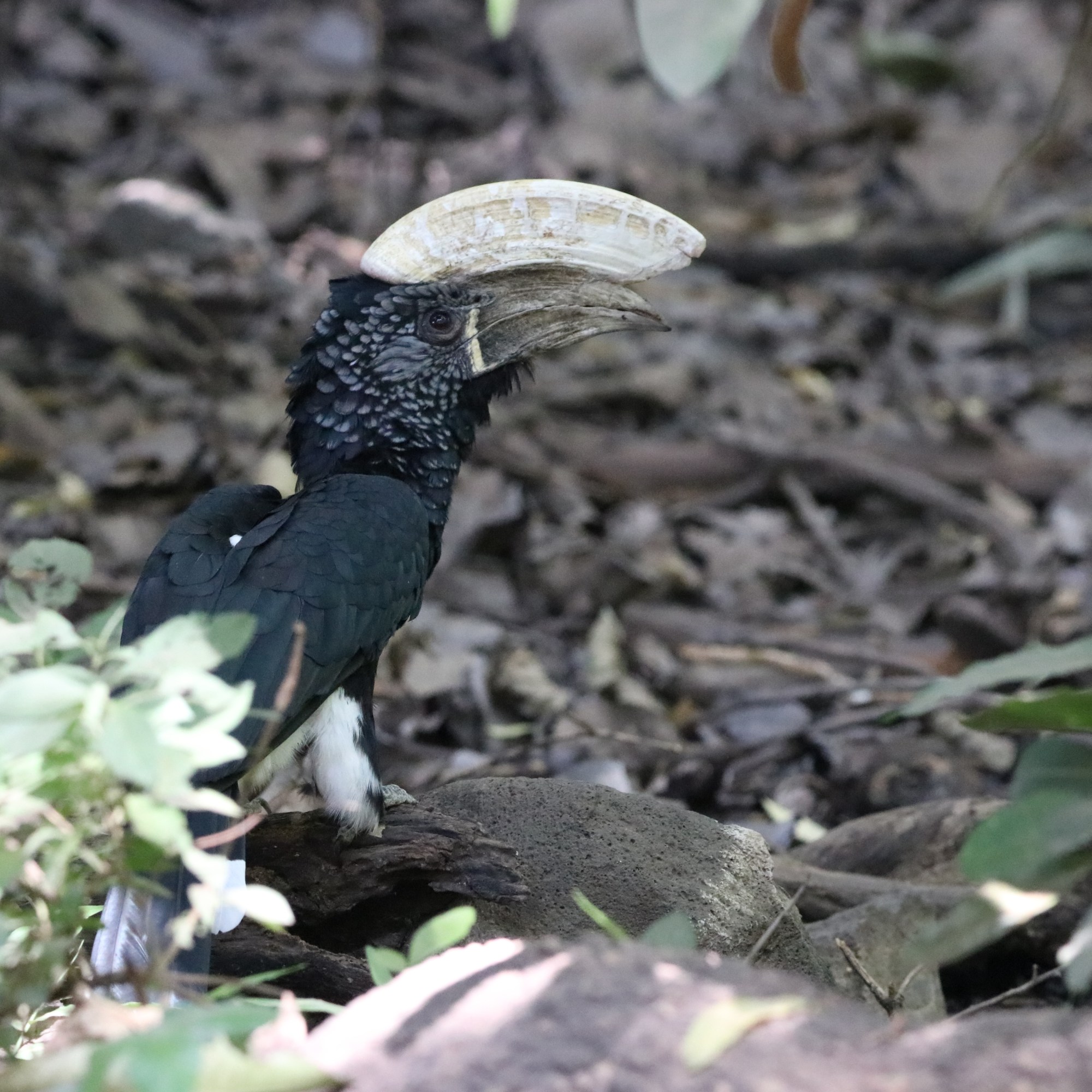
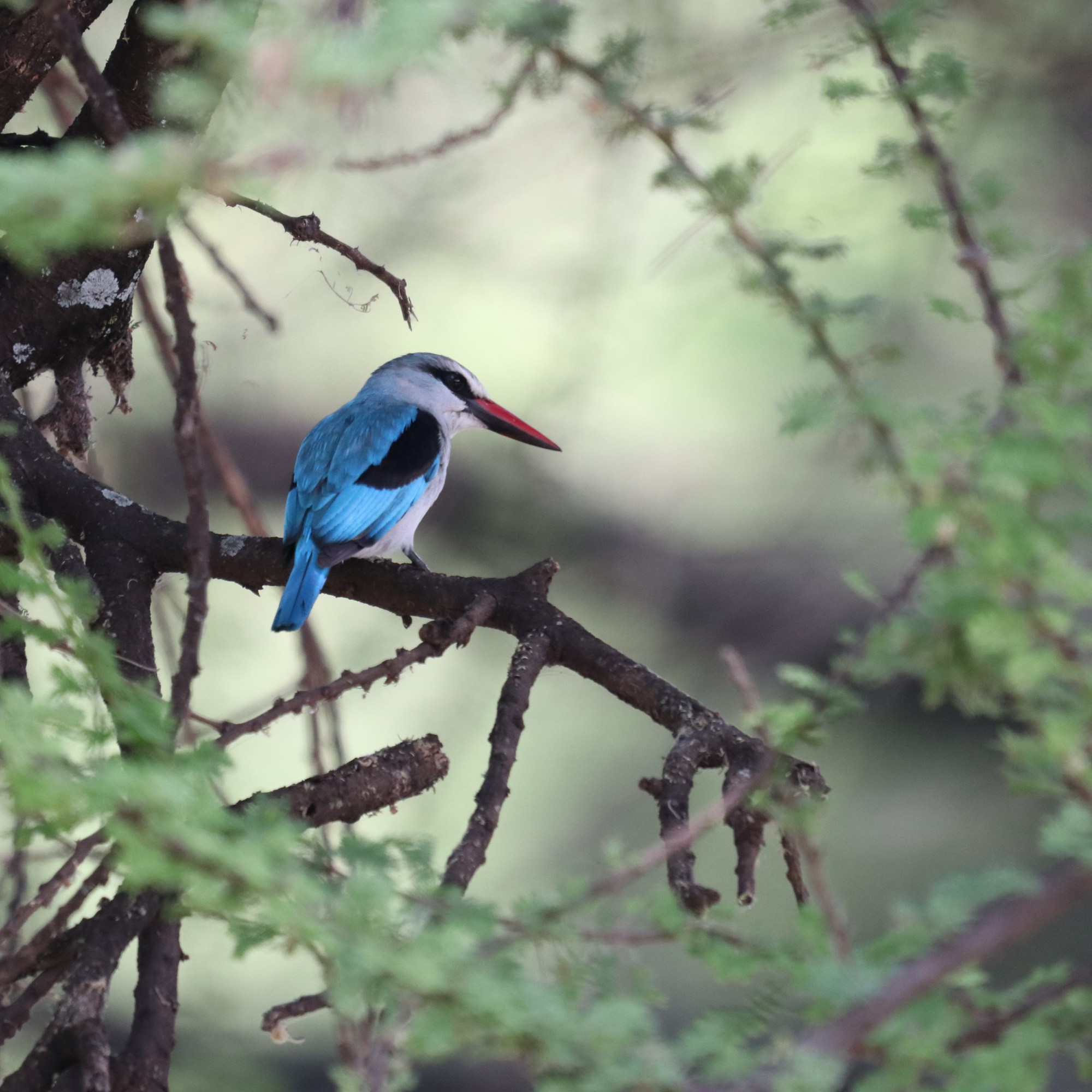
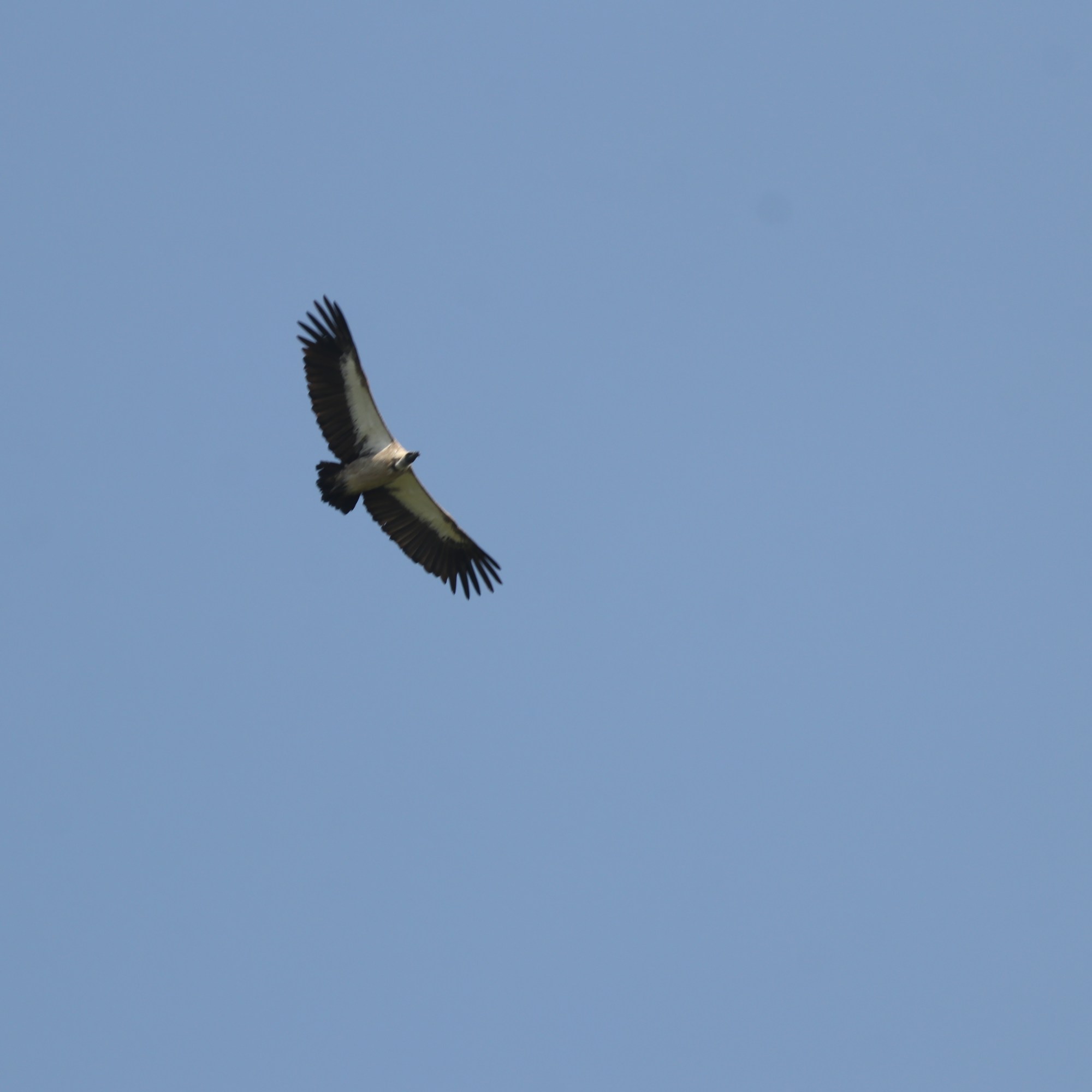
Egrets and storks strutted about like they owned the place, adding their charm to the lake’s lively scene. As we ventured deeper into the forest, we were treated to an uncommon sight—a Silvery Cheeked Hornbill pecking at berries on the ground. A hornbill on the ground? This was like spotting a cat enjoying a bath. Nearby, a grey-backed kingfisher tested its luck, waiting for the perfect moment to snap up a tiny fish from a slow-moving stream. Overhead, an Egyptian vulture soared with a kind of effortless grace, surveying the land like a king overseeing his kingdom.
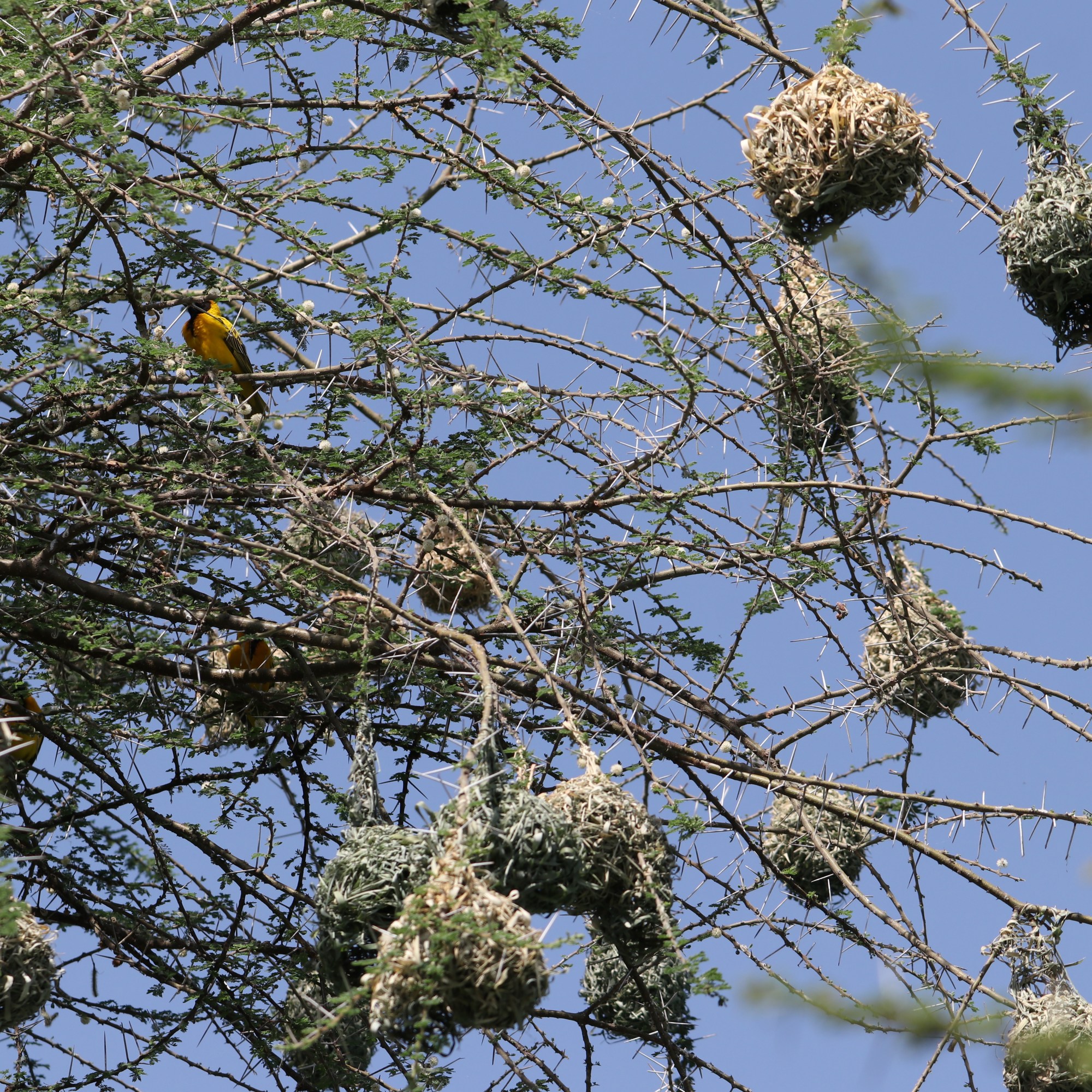
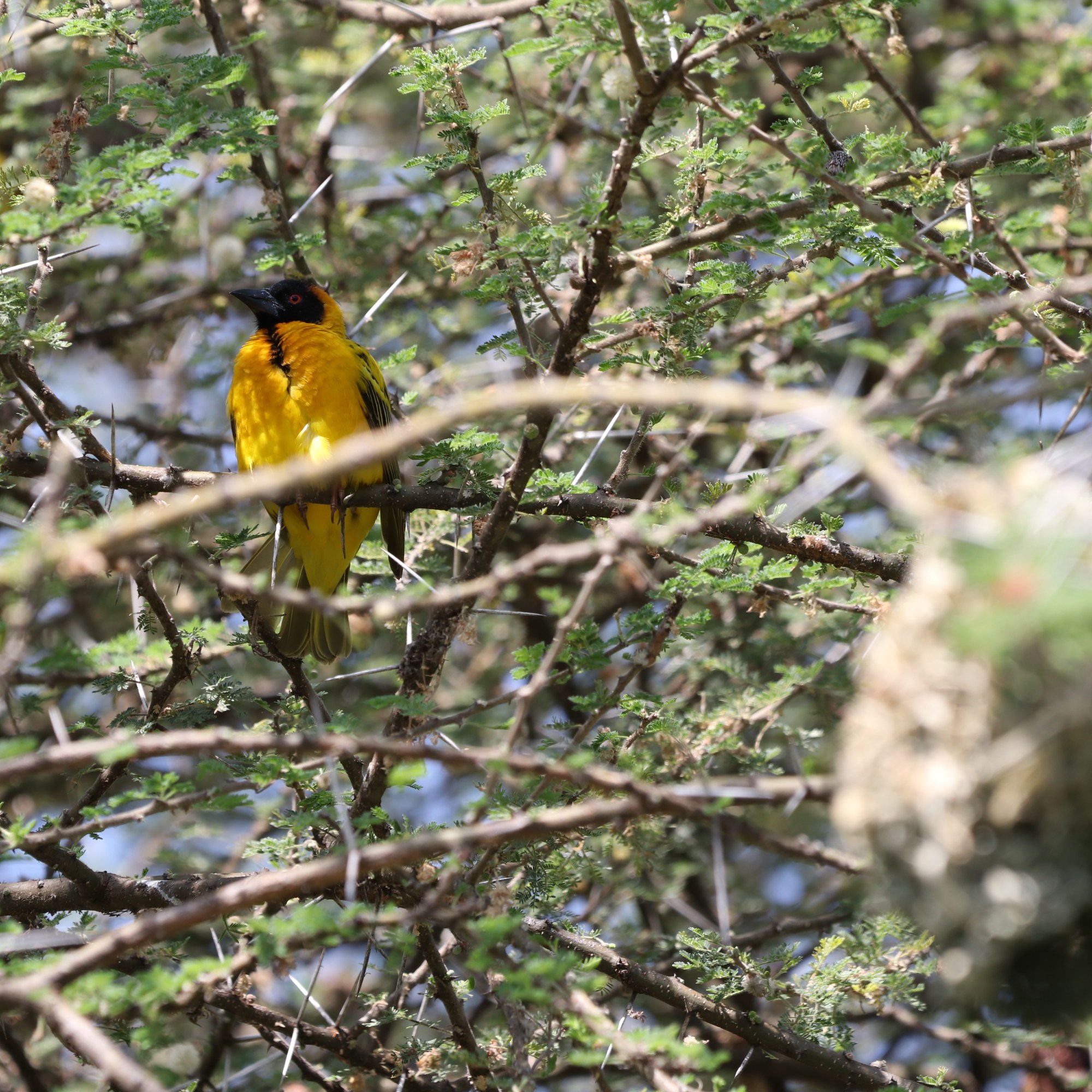
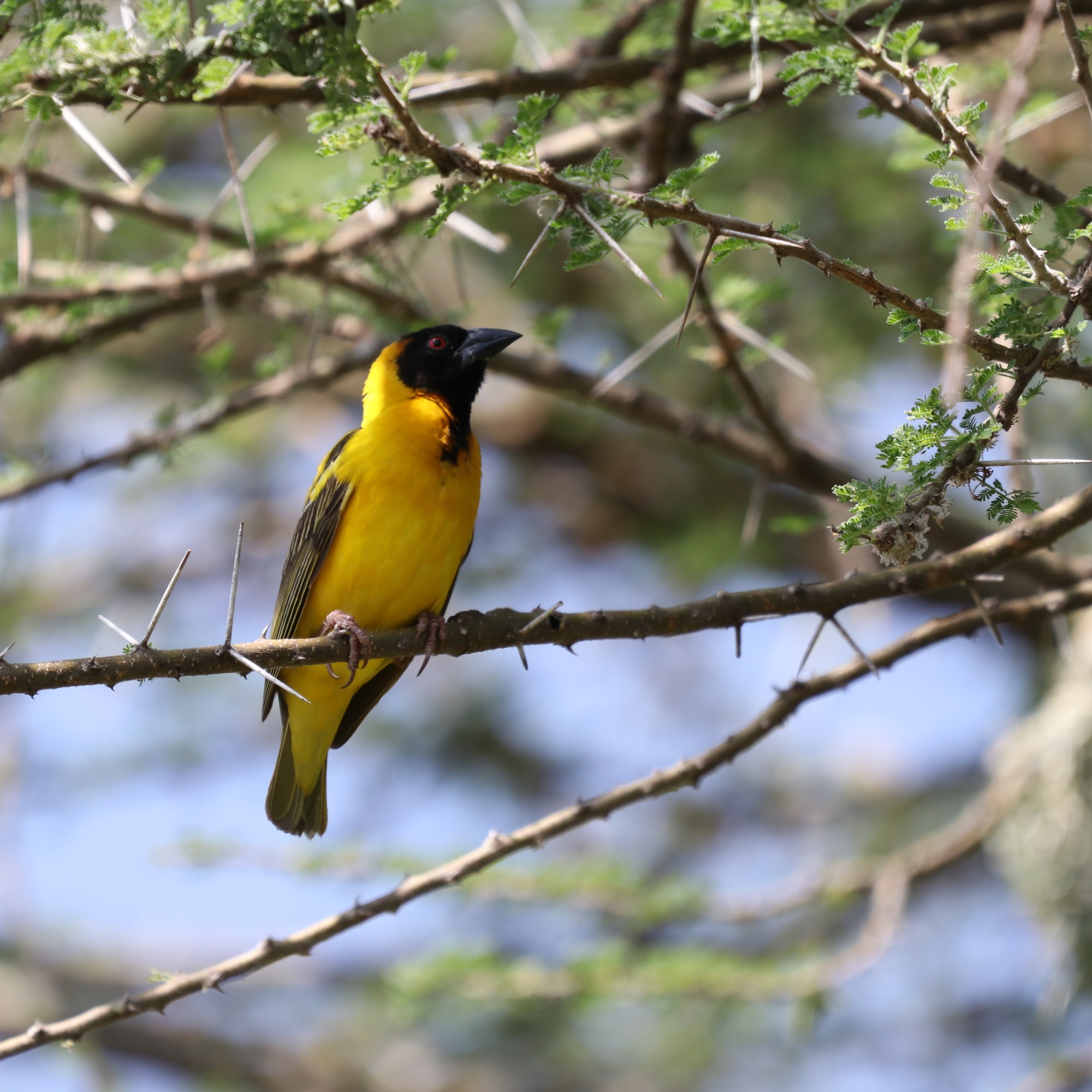
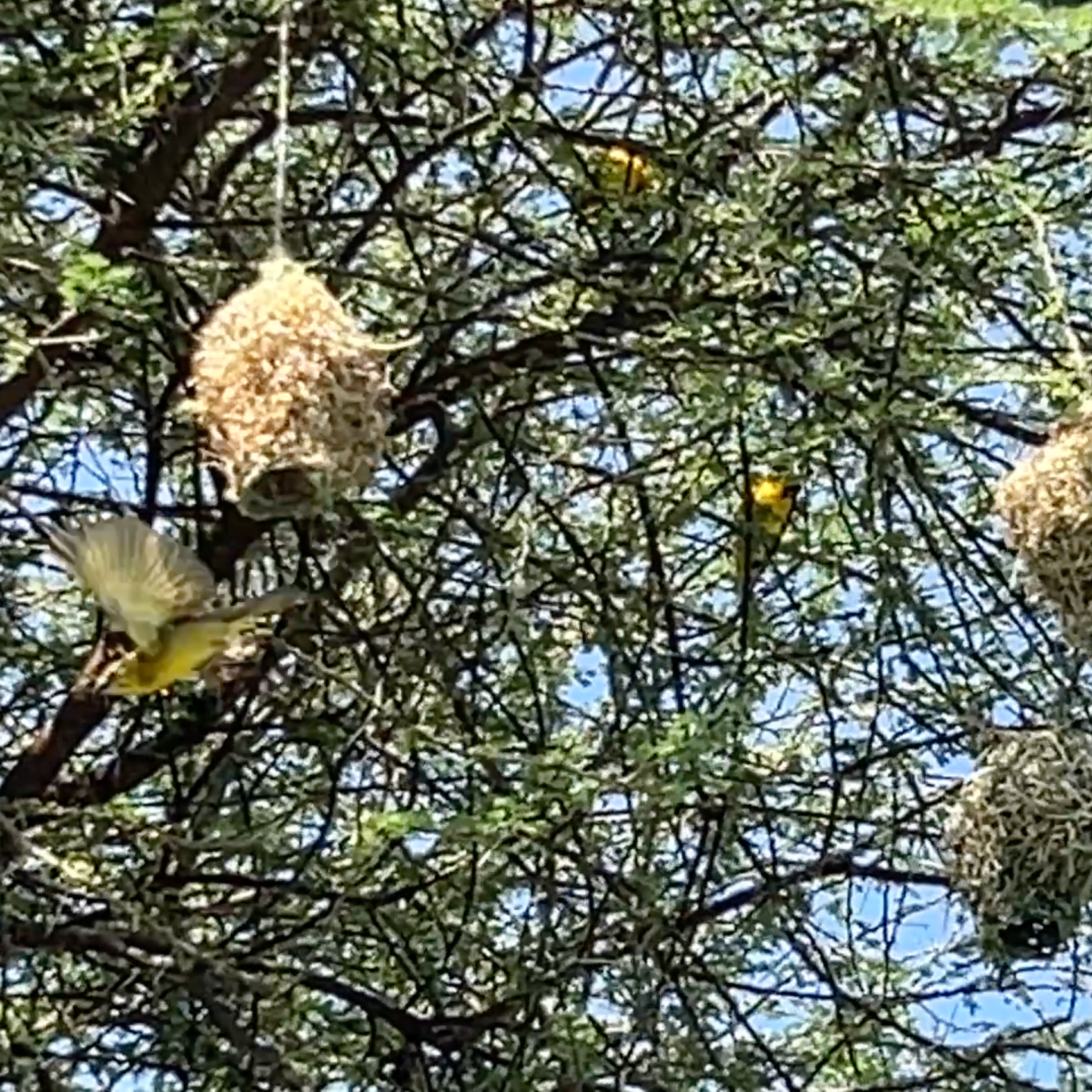
The morning flew by fast, so we stopped at one of the designated sites for a quick break. And what a stop it was! We watched in awe as a colony of weaver birds stitched together their delicate nests, weaving like tiny feathery architects with an obsession for perfection.
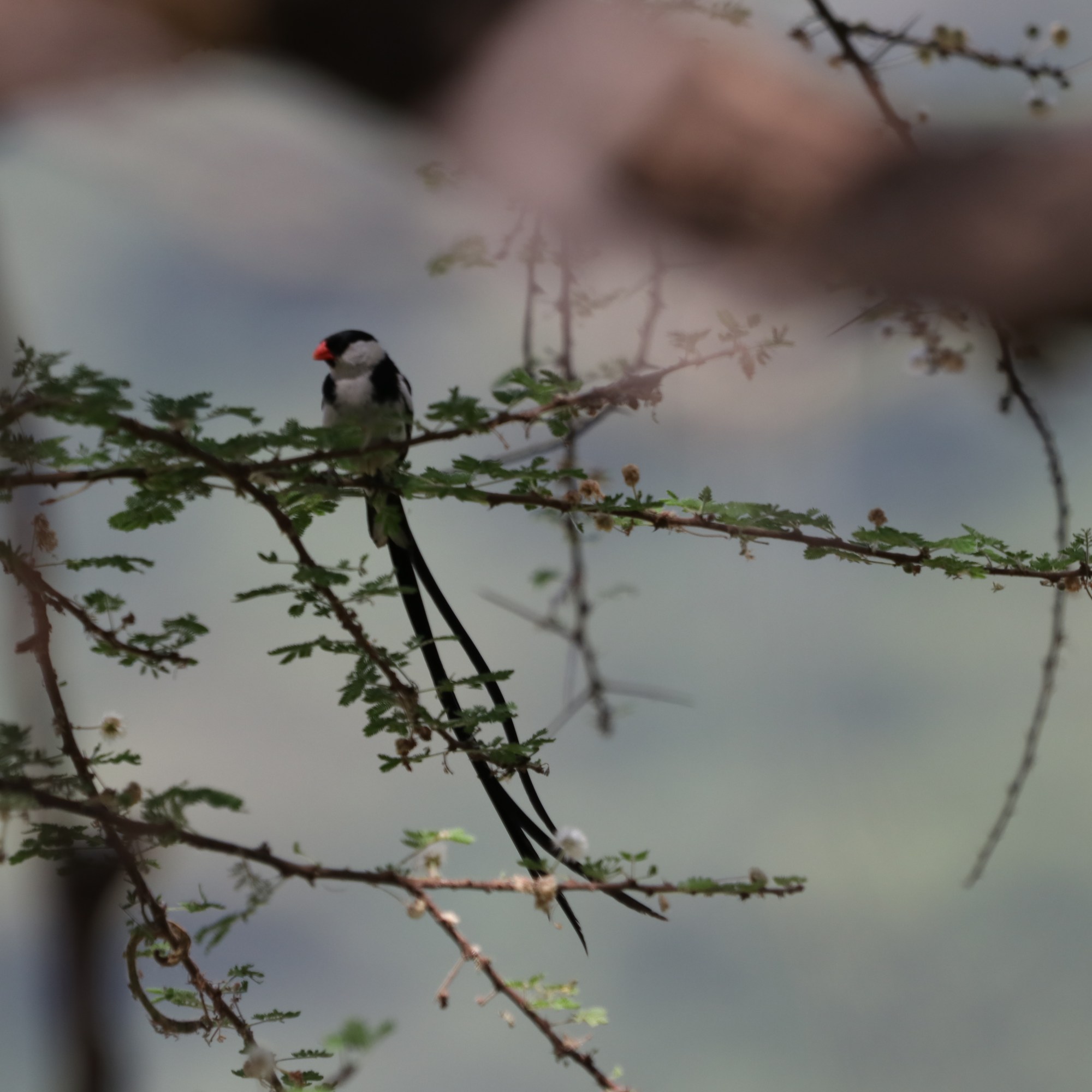
After the break, as we pushed towards the southern tip of the lake, we spotted a queen—well, a Queen Whydah, that is. This shaft-tailed beauty had perched herself in such a perfectly inconvenient spot that getting a clear shot felt like winning a wildlife lottery. Still, we managed a few snaps before she flitted away.
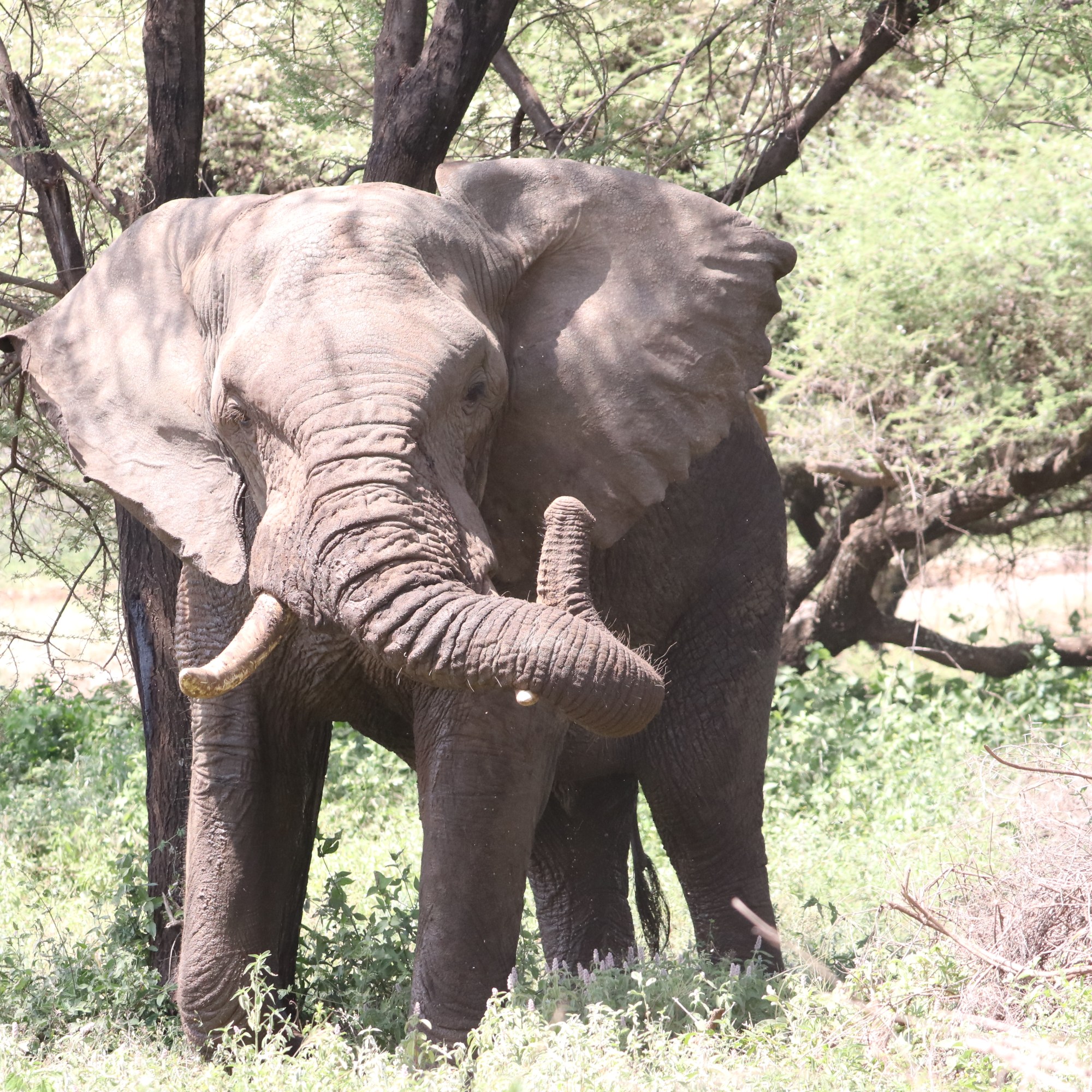
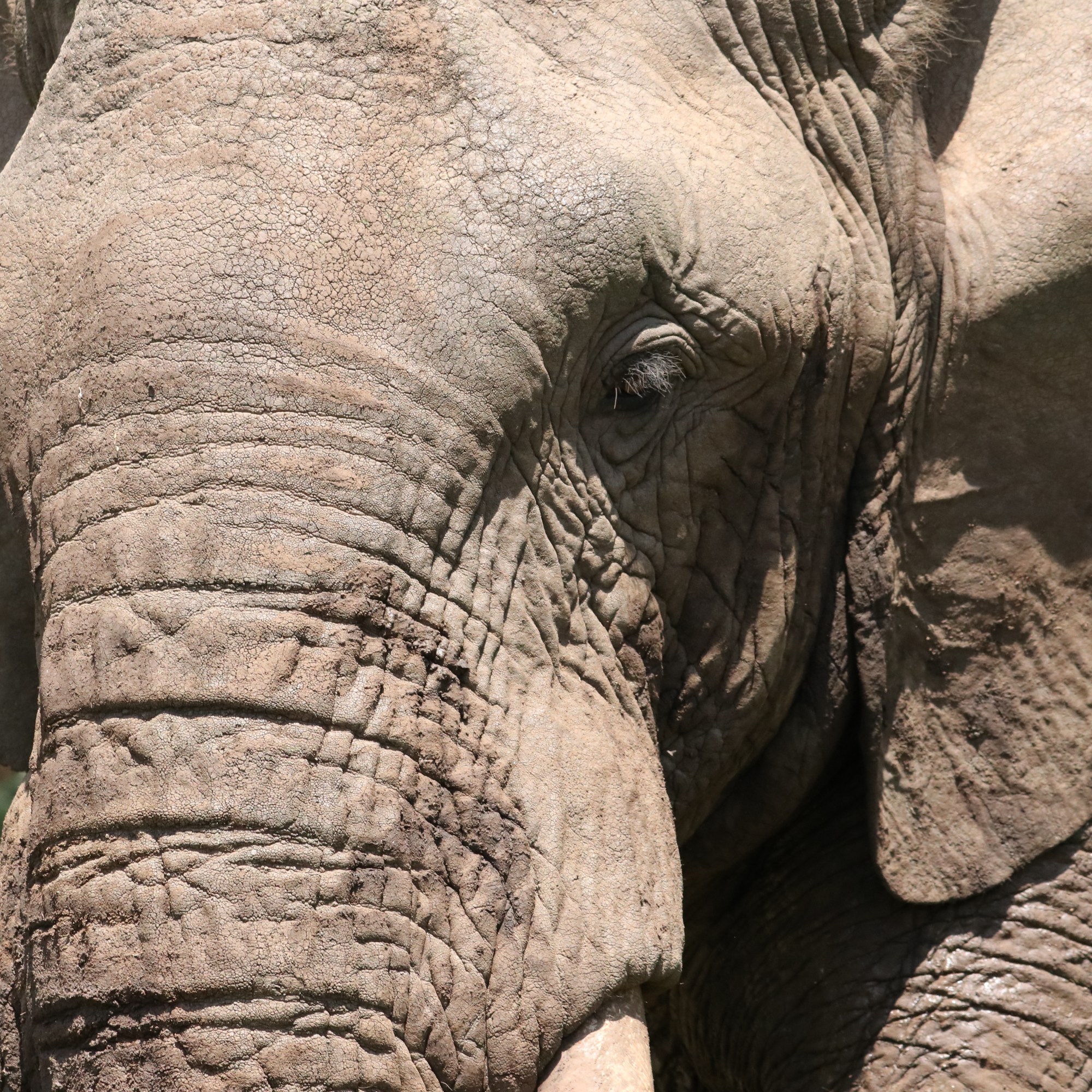
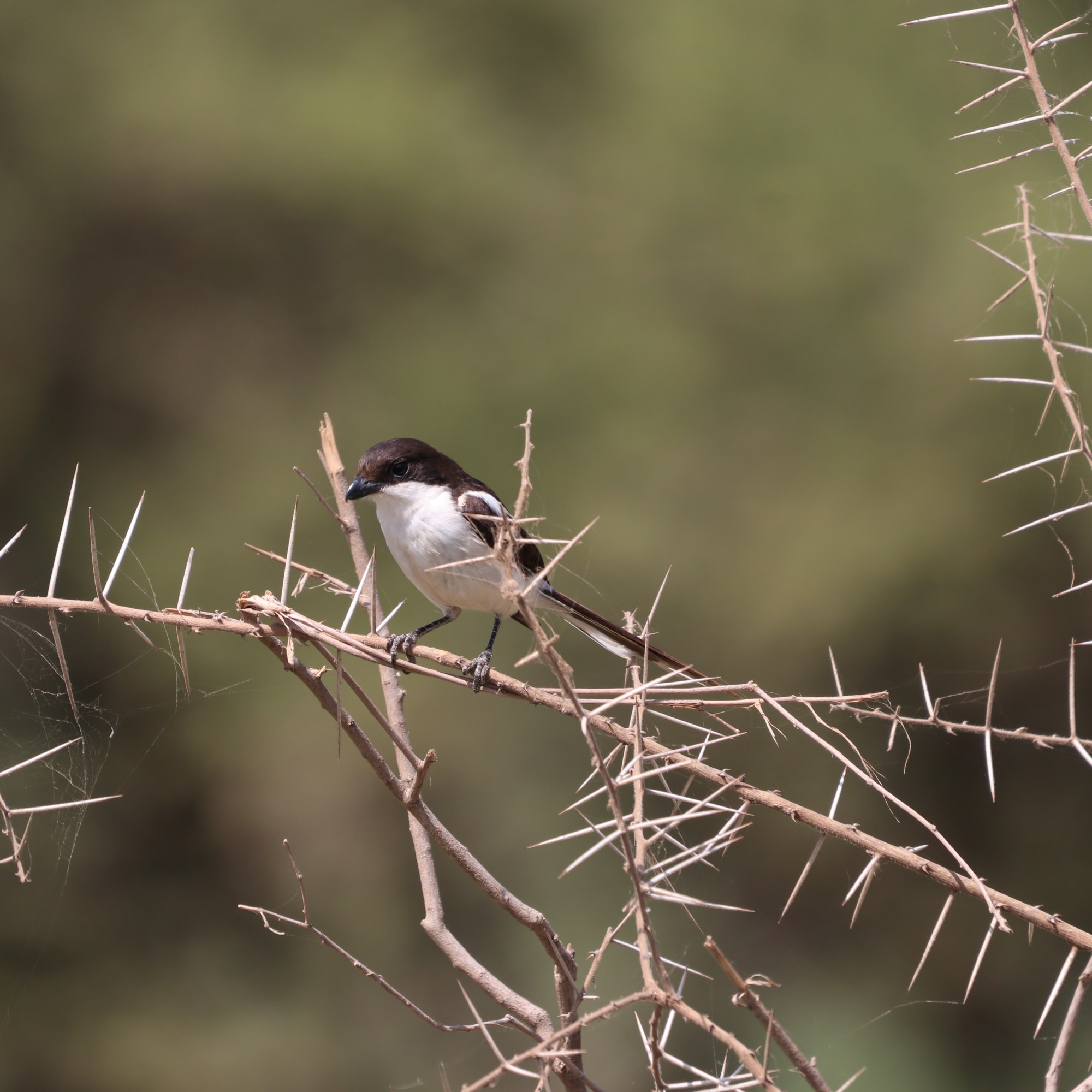
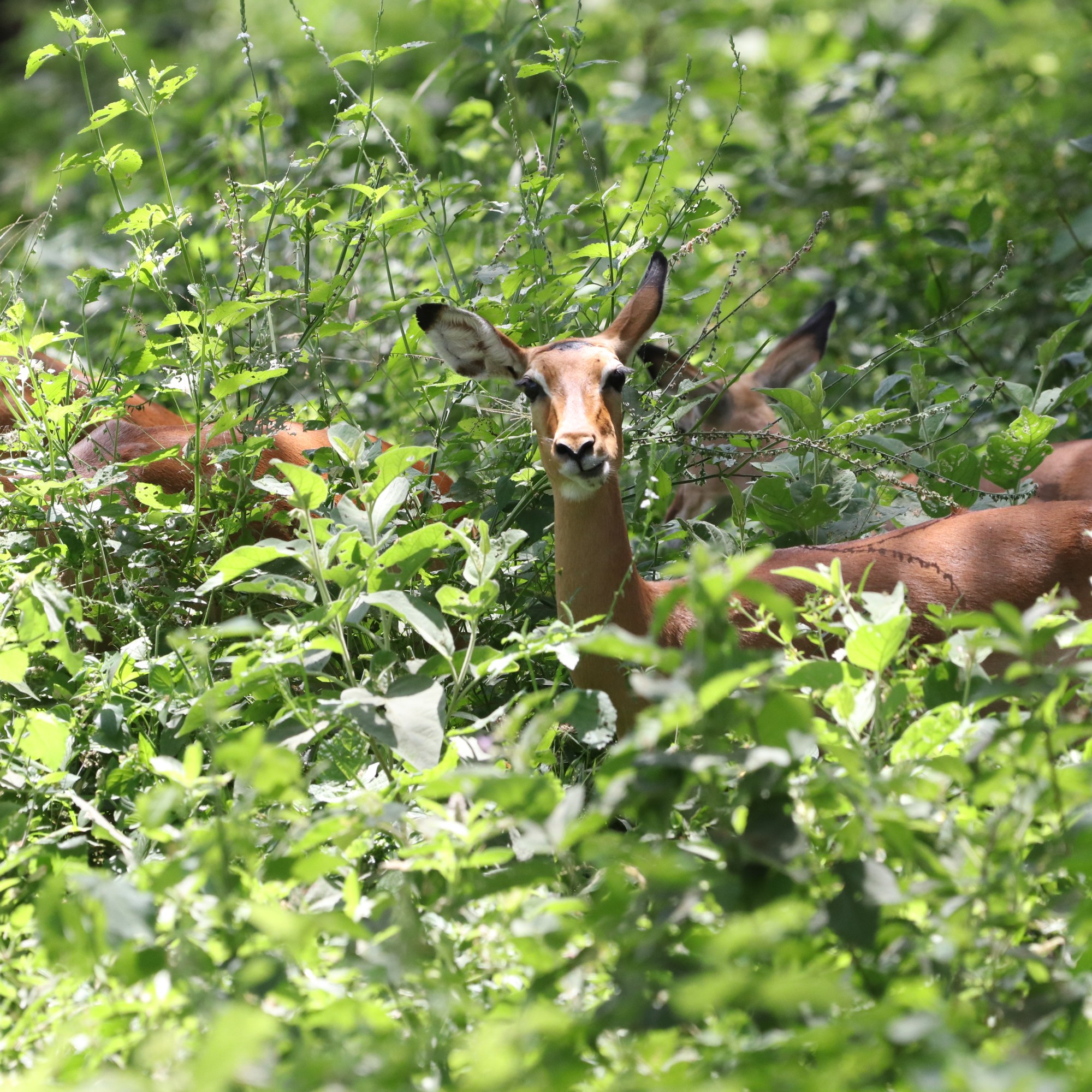
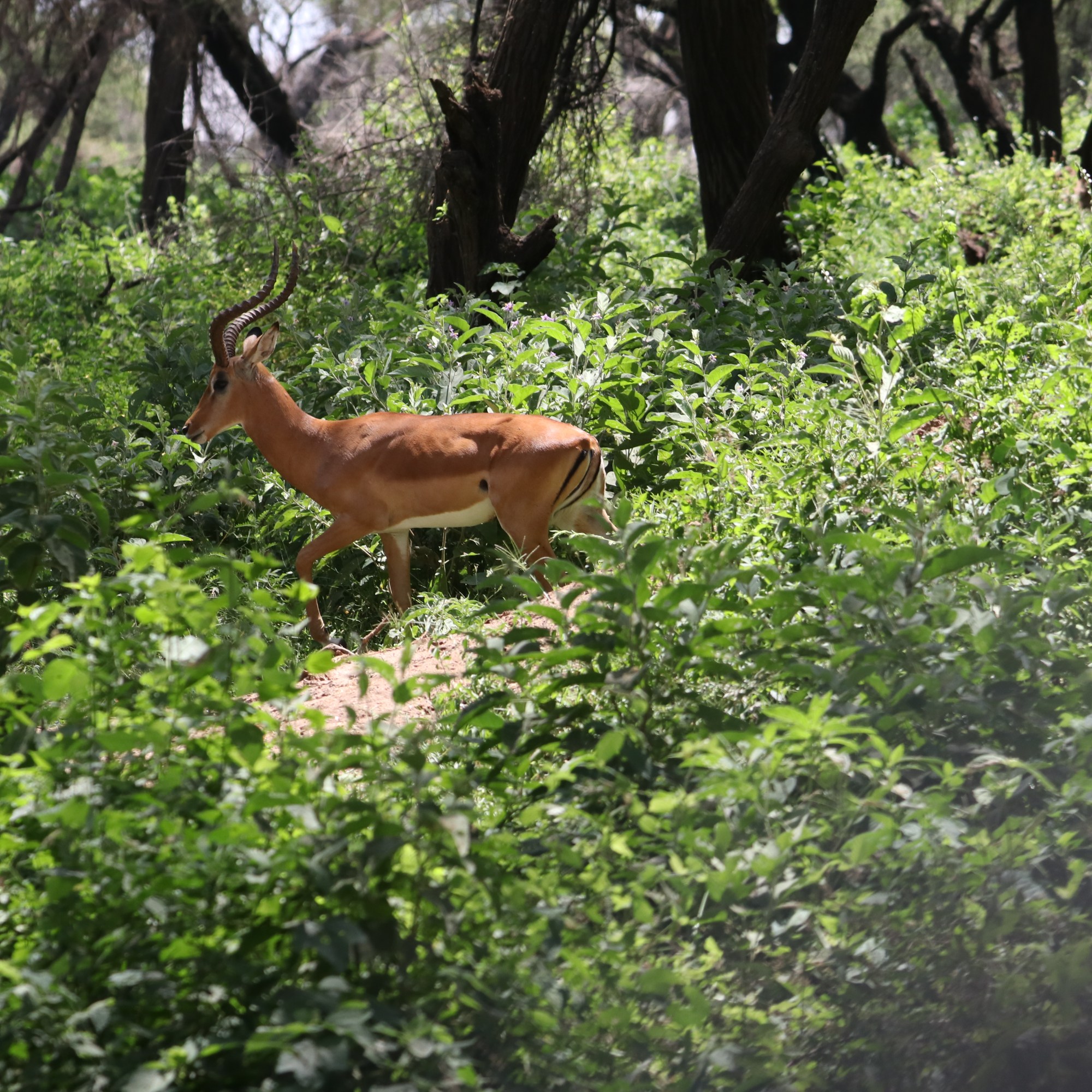
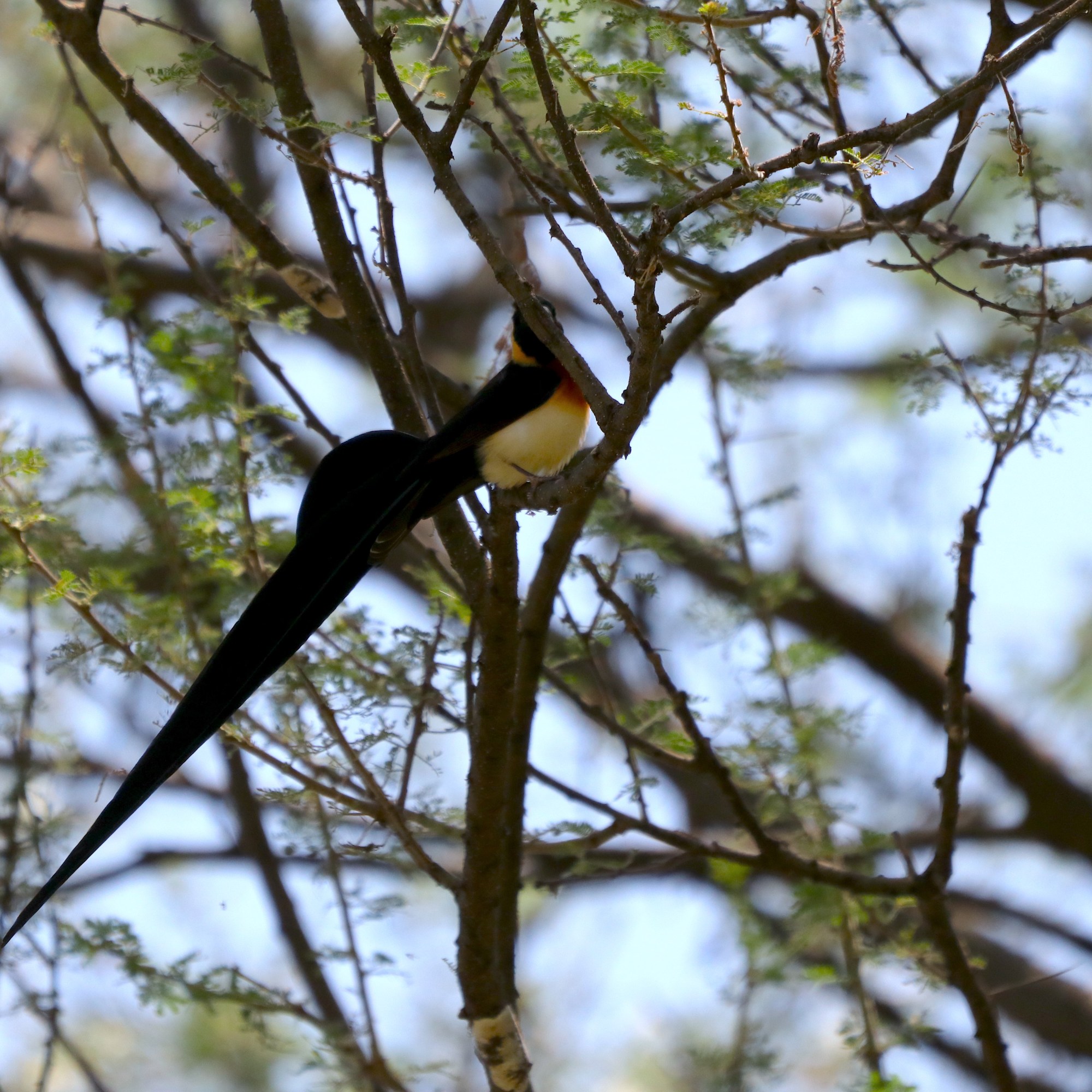
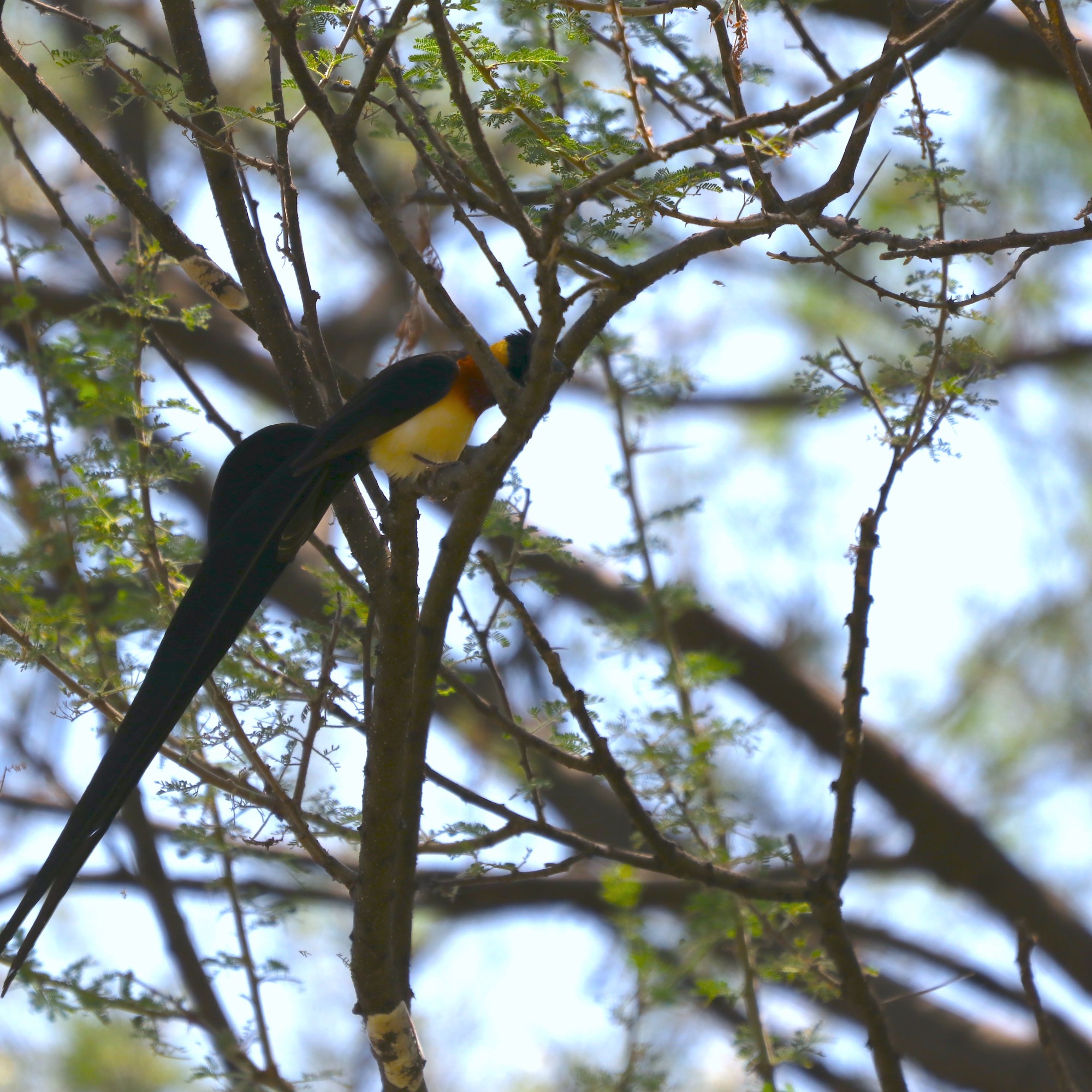
Moving along, we stumbled upon a lone bull elephant scratching itself against a tree with such determination that, for a moment, we thought the poor tree might surrender and topple over. Not far from this enthusiastic back-scratcher, a grey-backed fiscal flew past, seemingly posing for us, while a group of impalas grazed in the nearby thicket, blissfully unaware of their audience. Just when we thought Manyara had shown us all its treasures, it pulled out one last surprise—an Exclamatory Paradise Whydah! A good spot by my friend. With its striking orange chest and a tail that refused to quit, this bird practically demanded a photo session, and we were definitely not going to refuse it.
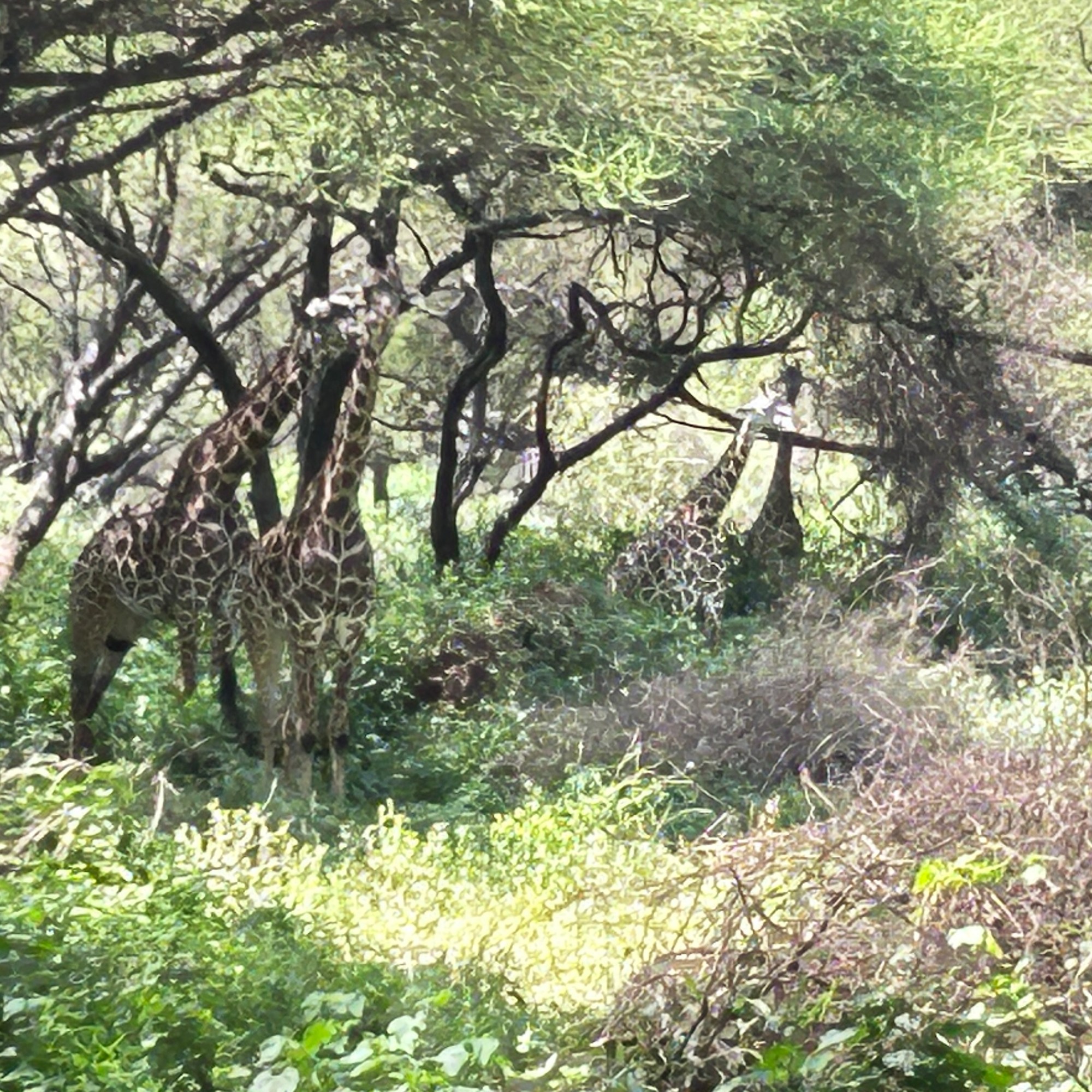
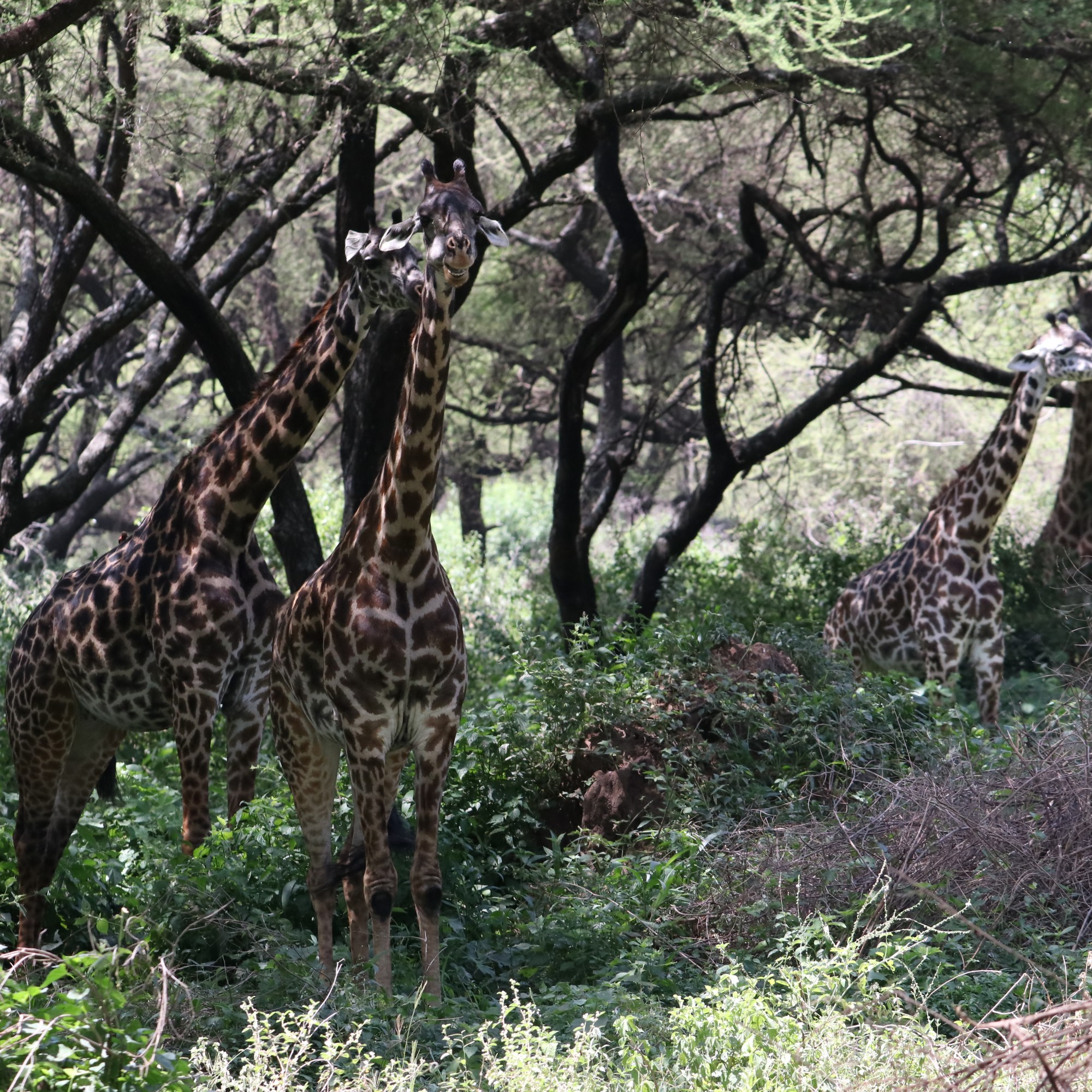
A little further, we found ourselves in the company of a tower of giraffes, gracefully plucking leaves from the best branches like connoisseurs at an exclusive salad bar. Later, by a stream, we encountered an elephant family, their massive yet gentle presence an absolute sight to behold. A playful young calf flapped its ears and waved its trunk toward our jeep in what felt like a warm greeting—either that or a toddler-style warning to stay back from its personal space.
Lake Manyara is also famous for its tree-climbing lions—a rare sight in the animal kingdom. We scanned the trees with hopeful eyes, but the lions had other plans for the day. Perhaps they were napping, or maybe they just enjoyed keeping the legend alive without making too many appearances. Either way, the thrill of the search was half the fun.
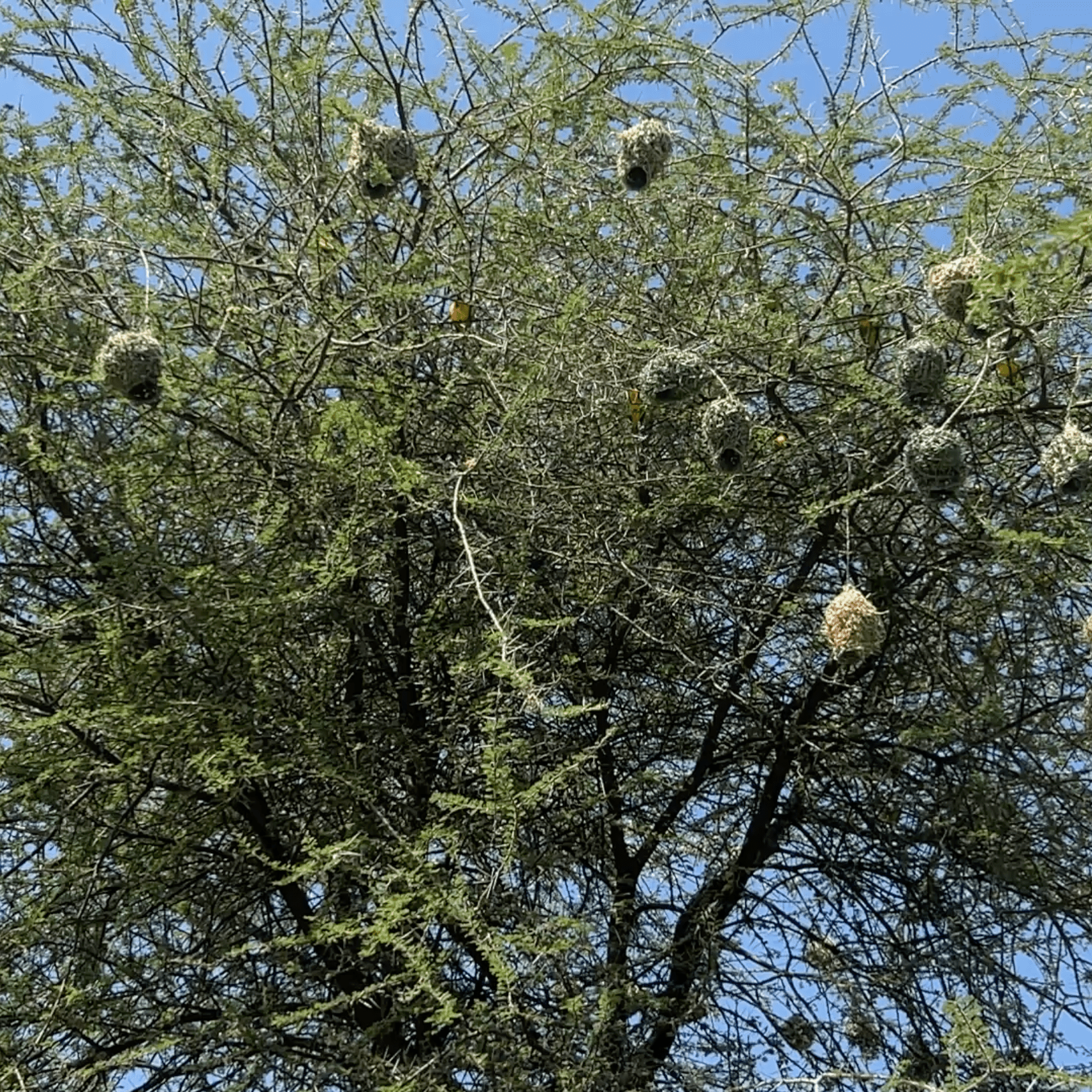
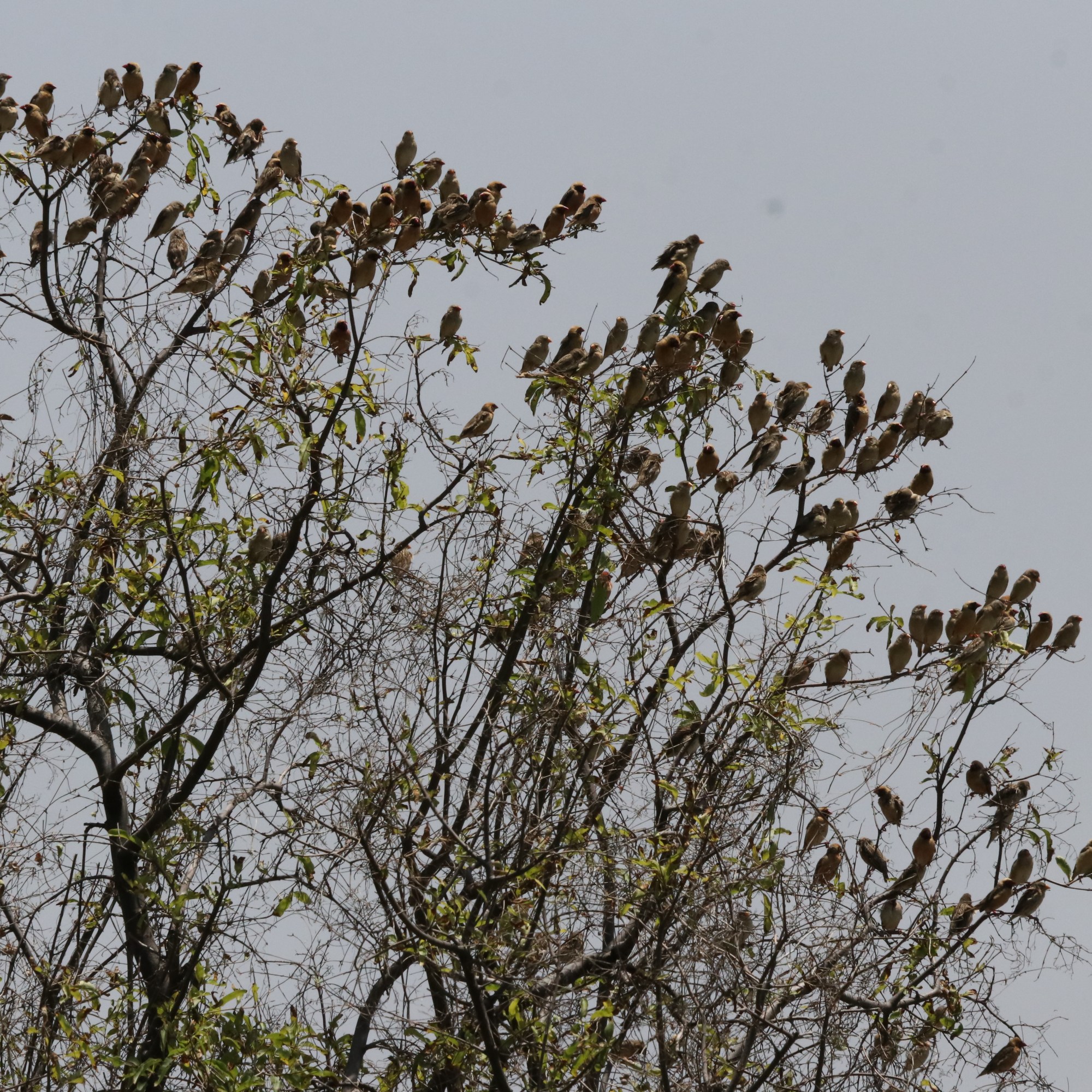
As we continued, we came across another grey-backed kingfisher, and in the distance, an odd-looking tree caught our attention. Something about it seemed… off. A closer look through the 600mm lens revealed the mystery—a massive flock of weaver birds clustered on one side, turning the tree into an asymmetrical, feathery masterpiece. Safety in numbers, I suppose.
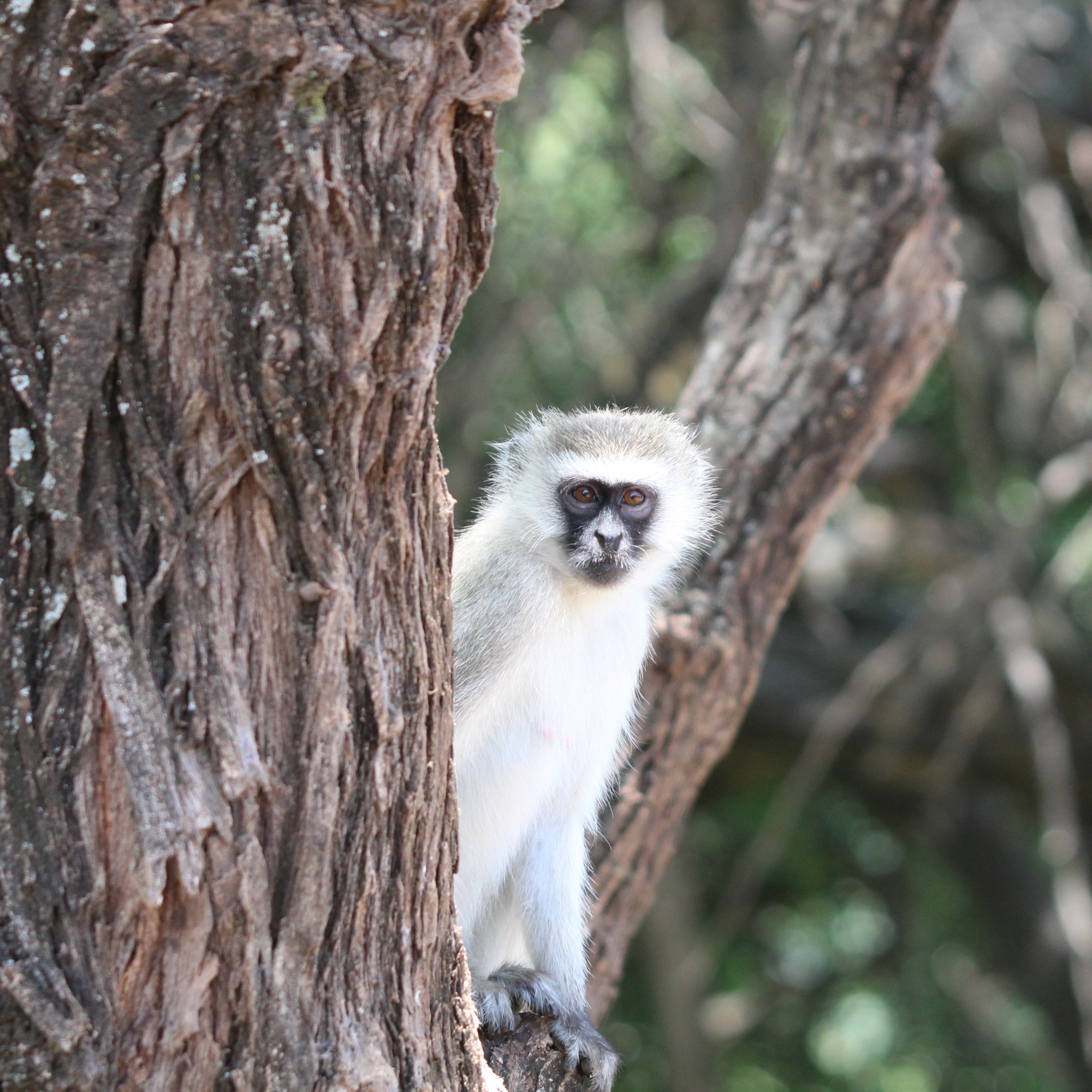
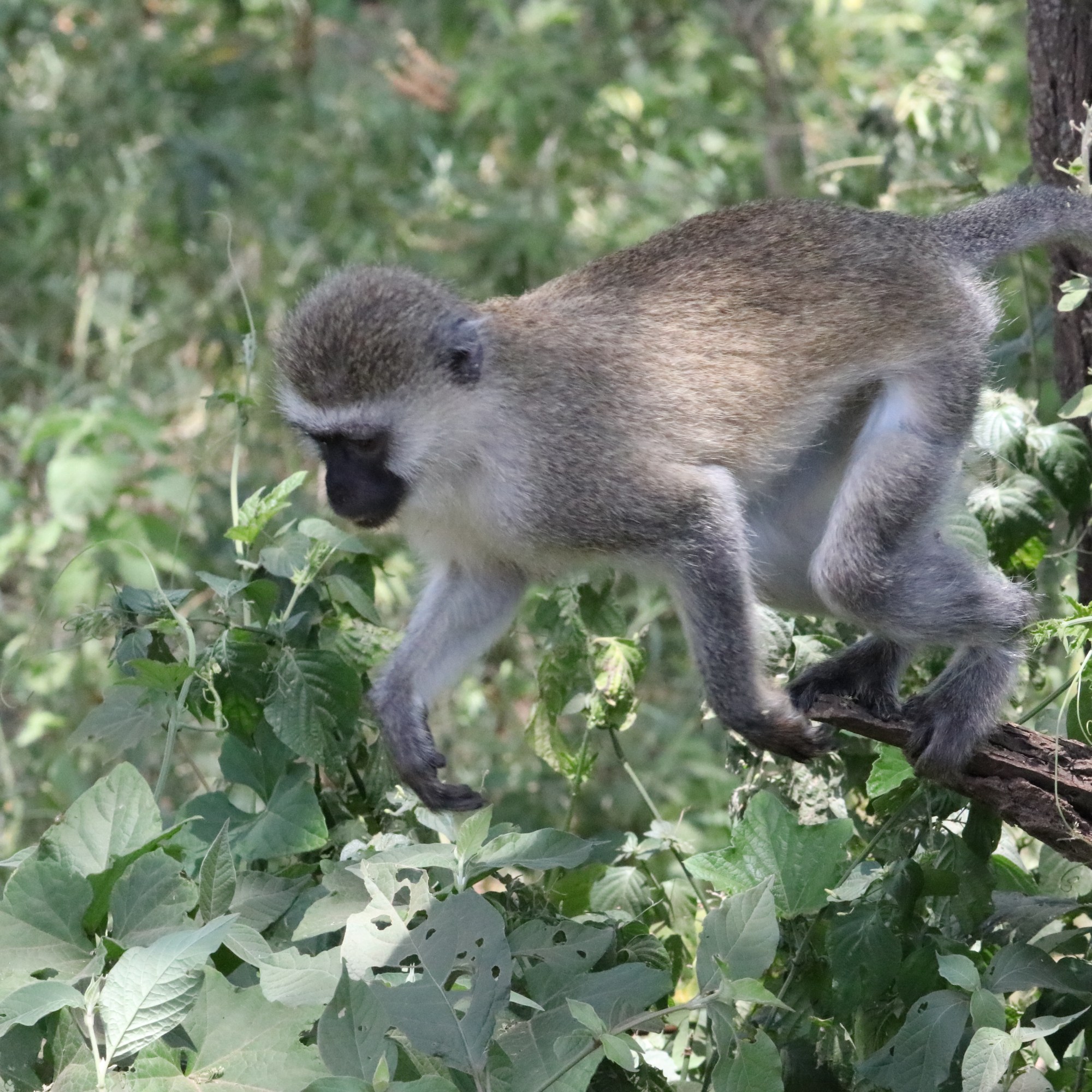
Before wrapping up, we spotted a lively group of vervet monkeys swinging about. Their antics were amusing, but let’s be honest—what really stood out were their unmistakable blue testicles. Nature truly has a sense of humor!
Lake Manyara had delivered an adventure filled with surprises, rare birds, mischievous monkeys, and elephants with tree-demolishing itches. The flamingos may have been absent, but Manyara’s charm was very much alive.







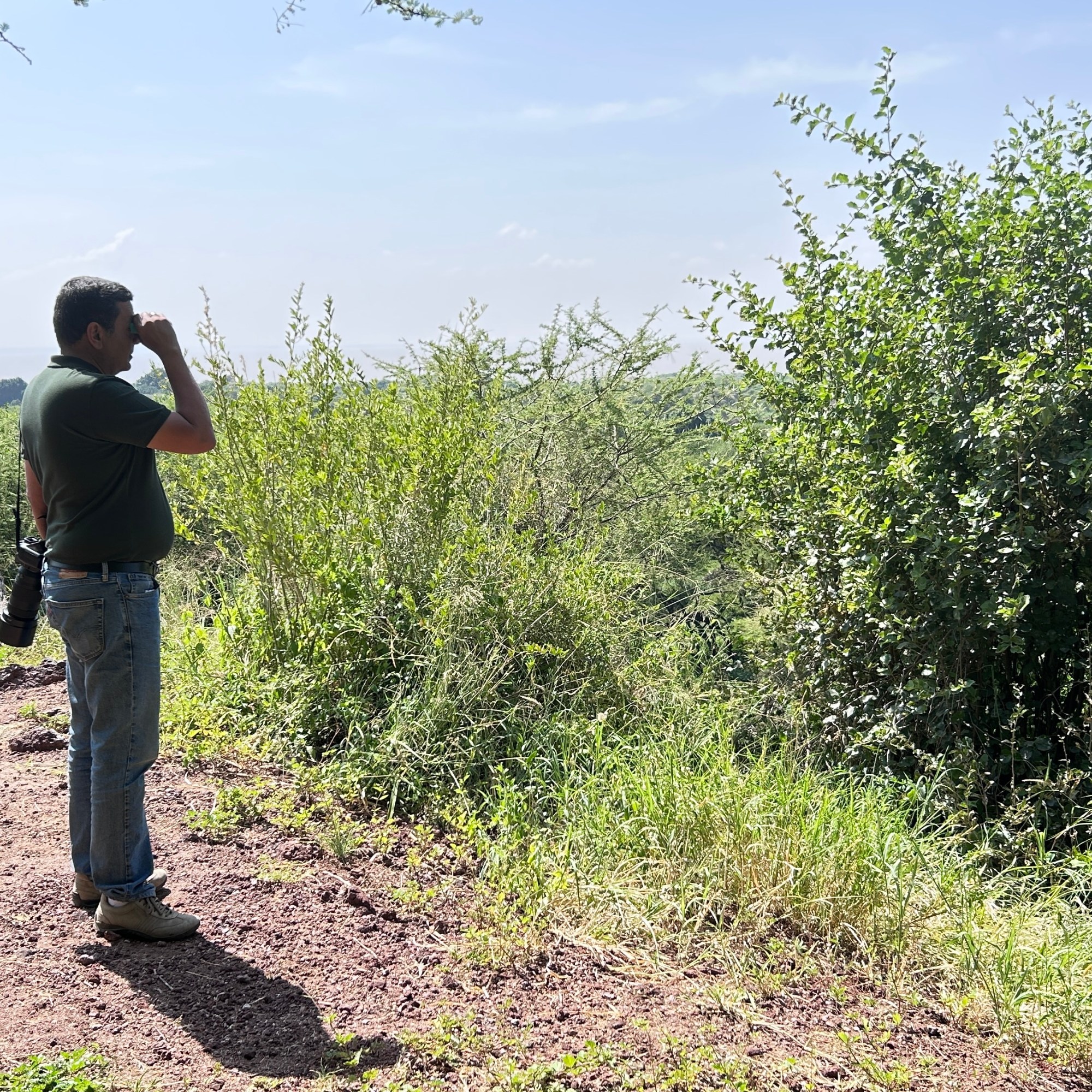

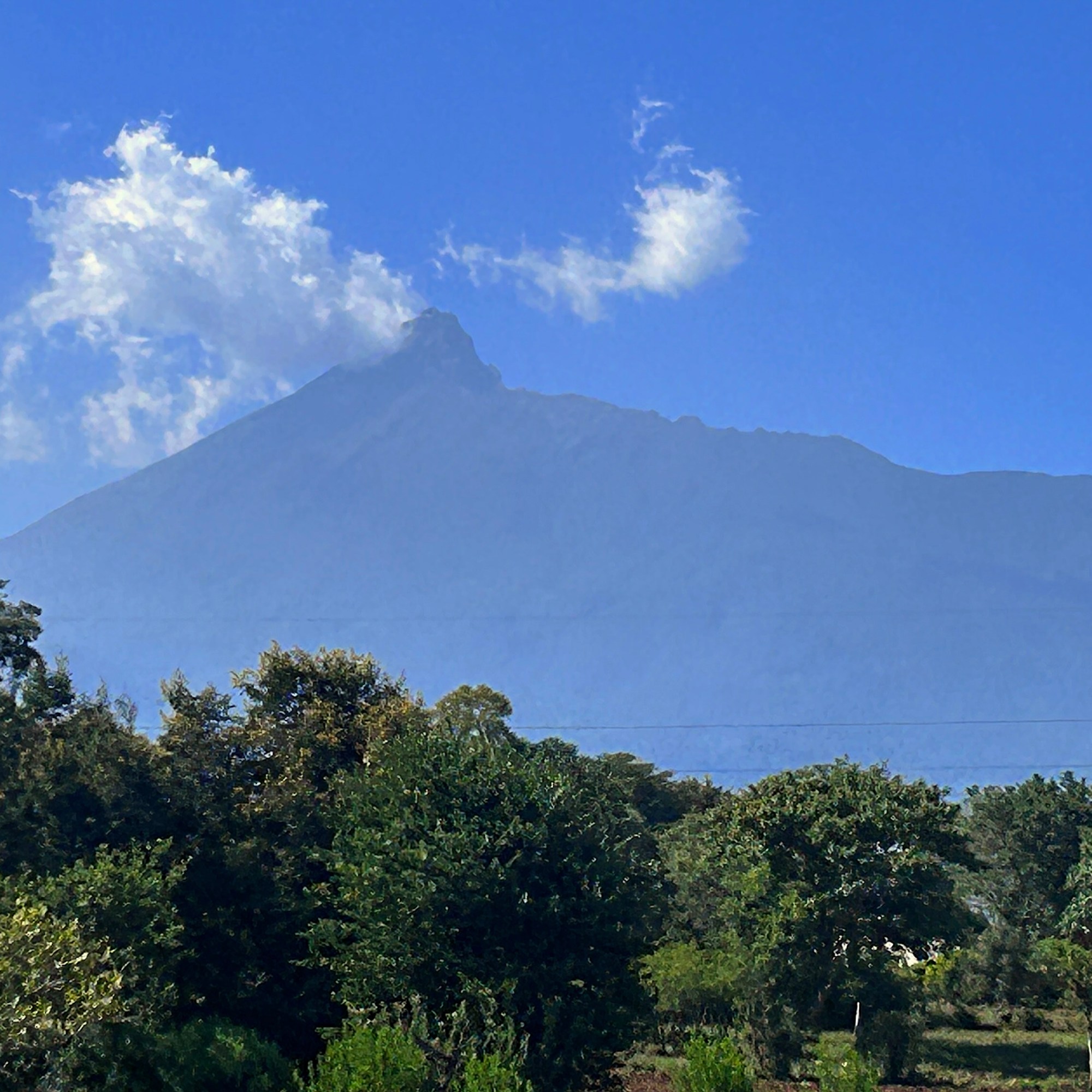
After a relaxed lunch at a picnic site in Lake Manyara, it was time to begin our journey back to Kilimanjaro Airport. We stepped at the edge of the small hill for a moment to take in the serene beauty before us. It was a moment of pure tranquility, a perfect way to end our last safari.
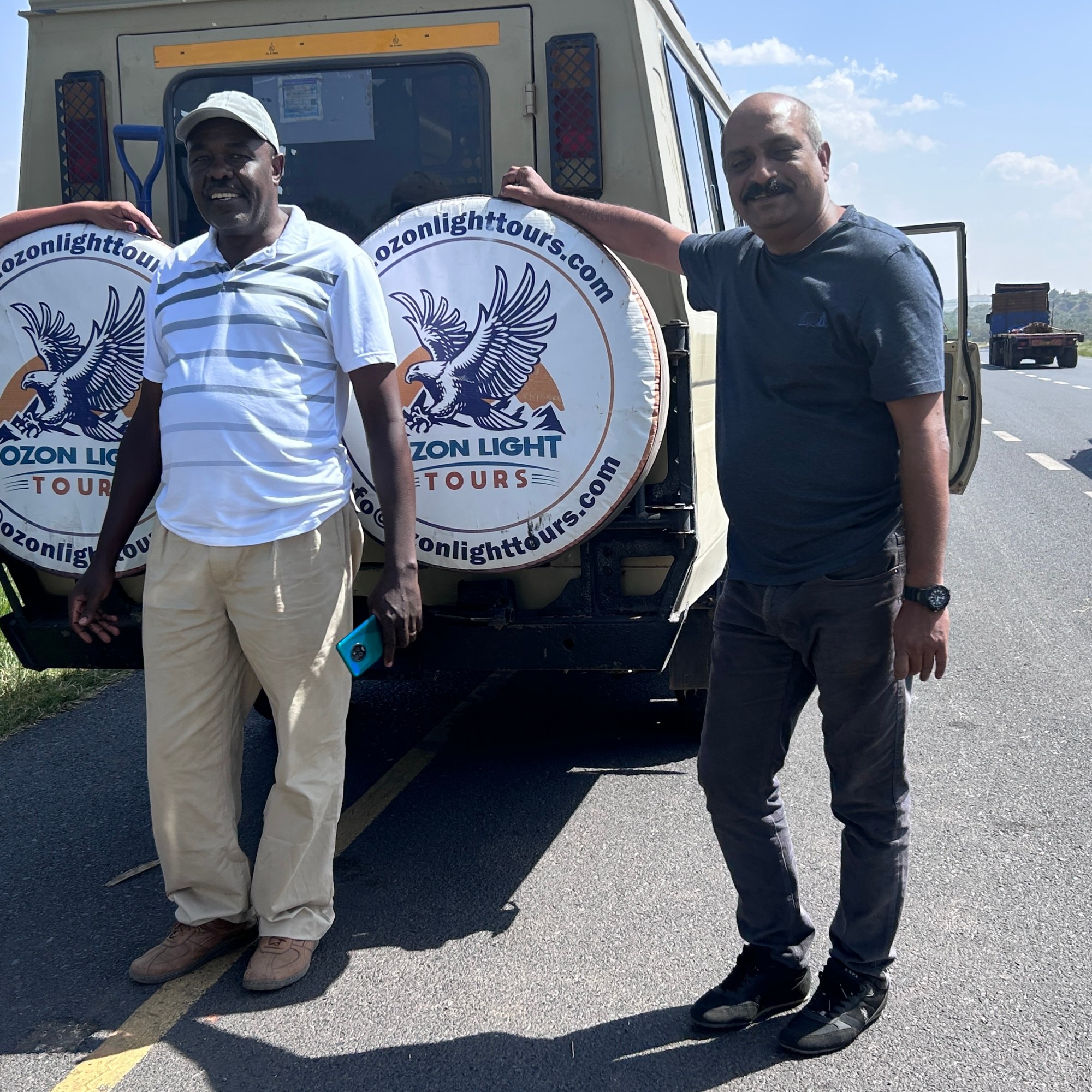
The drive was peaceful, with the rolling Tanzanian countryside stretching endlessly before us. Small villages, lush farmlands, and distant mountains created a picturesque view that made it hard to believe we were leaving so soon. On the way at Arusha bypass we were met with our tour operators van who would take over our last part of travel in a luxury van to the airport. We got the luggage transferred in the van and said thanks and bye to Kessy our guide who drove us around for about 1100 Kms over the last five days of safari.
As we reached Kilimanjaro Airport, the reality of saying goodbye finally began to sink in. The past days had been filled with adventure, awe, and a deep connection to nature. Now, it was time to head back home, carrying with us a treasure trove of memories.
The first flight took us to Addis Ababa, where the bustling Bole International Airport provided a brief pause before the next leg of our journey. Sitting by the terminal window, I watched planes take off into the night sky, feeling a mix of emotions—gratitude for the experiences we had, longing to stay just a little longer, and the comfort of knowing that home awaited.
As our plane finally descended into Mumbai, the city lights twinkled below, welcoming us back. Yet, part of me still felt connected to the vast African plains, the golden sunsets, the gentle giants of the wild, and the peaceful waters of Lake Manyara.
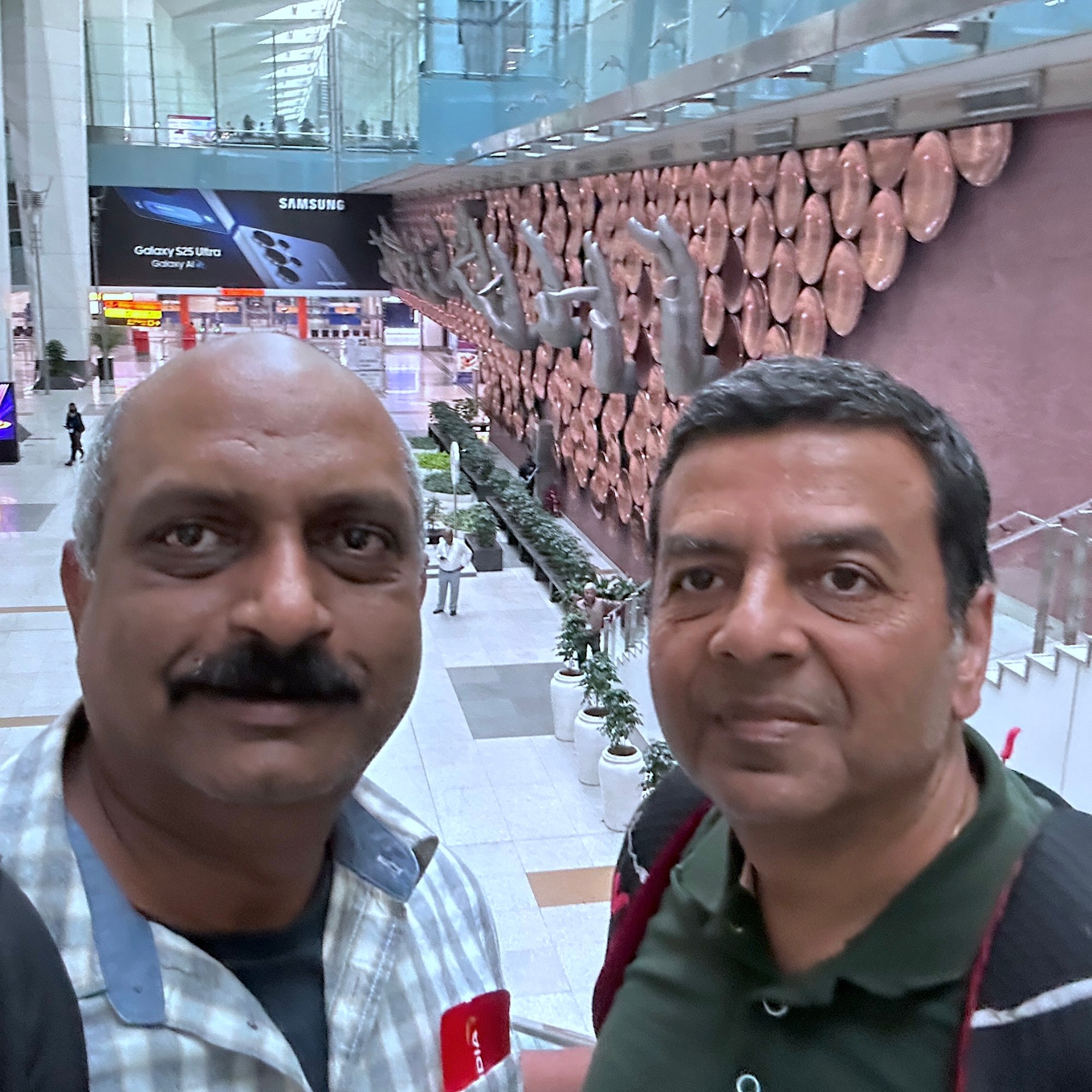
Later in the afternoon, we boarded our final flight to Delhi, bringing our incredible Tanzanian journey to an end. But as I stepped off the plane, I knew one thing for certain—this was not a goodbye to Africa. It was just a “see you again soon.”
Tanzania had been more than just a destination; it was an experience that awakened my sense of wonder and left an indelible mark on my heart. Though my adventure had ended, I carry with me the vivid memories of Africa’s wild beauty, knowing that one day, I’d return to explore more of its treasures.

 Roads That We Crave For
Leave a comment