
Tanzania’s Serengeti is a name synonymous with nature’s grandeur, and today we embark on an unforgettable journey from Arusha to the Central Serengeti, covering approximately 325 kilometers. Along the way, we traverse the awe-inspiring Ngorongoro Caldera and the breathtaking highland plains, transitioning through savanna woodlands and forests that hold secrets of the wild. This safari adventure promises not only captivating landscapes but also a once-in-a-lifetime spectacle of nature—the birthing season of wildebeest calves.

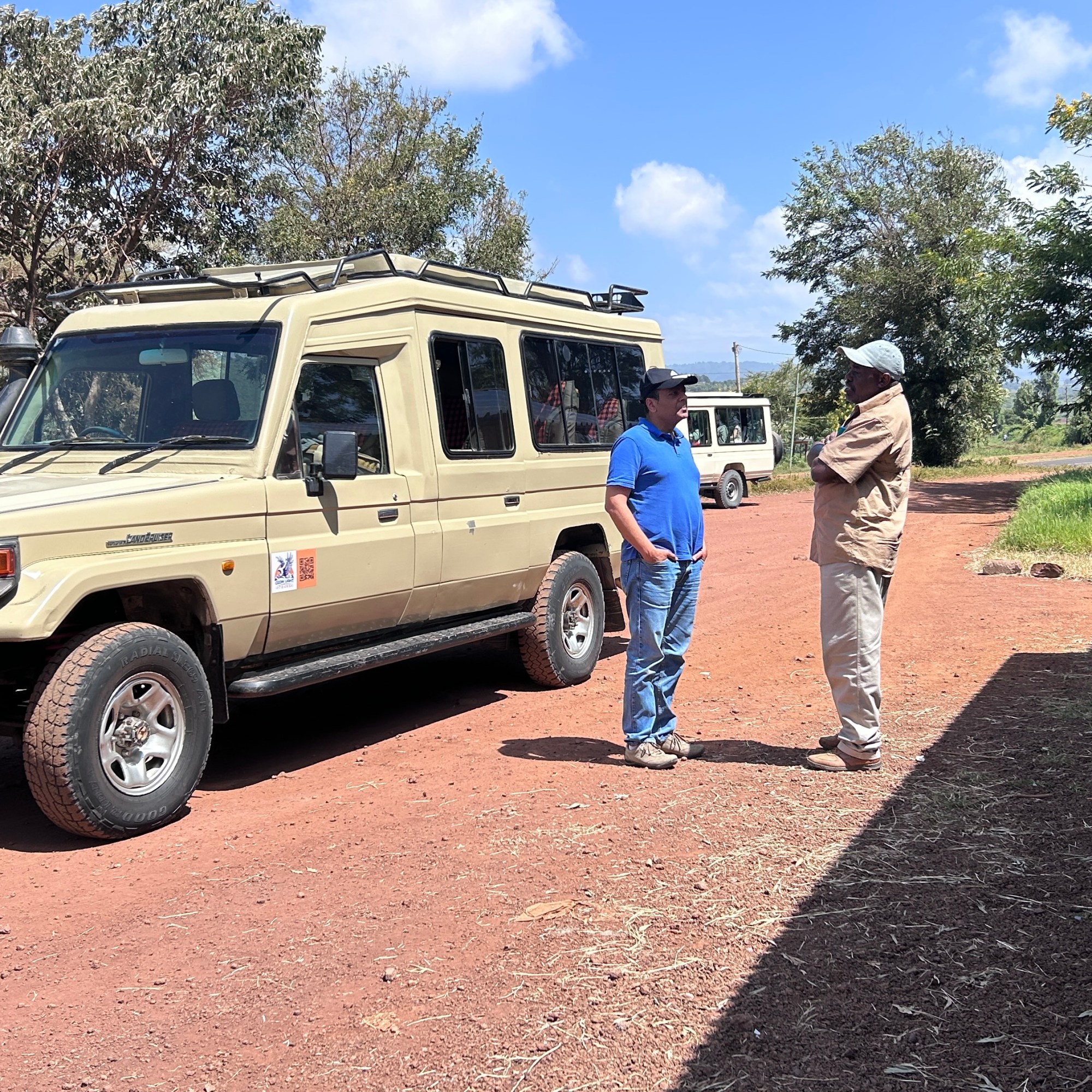
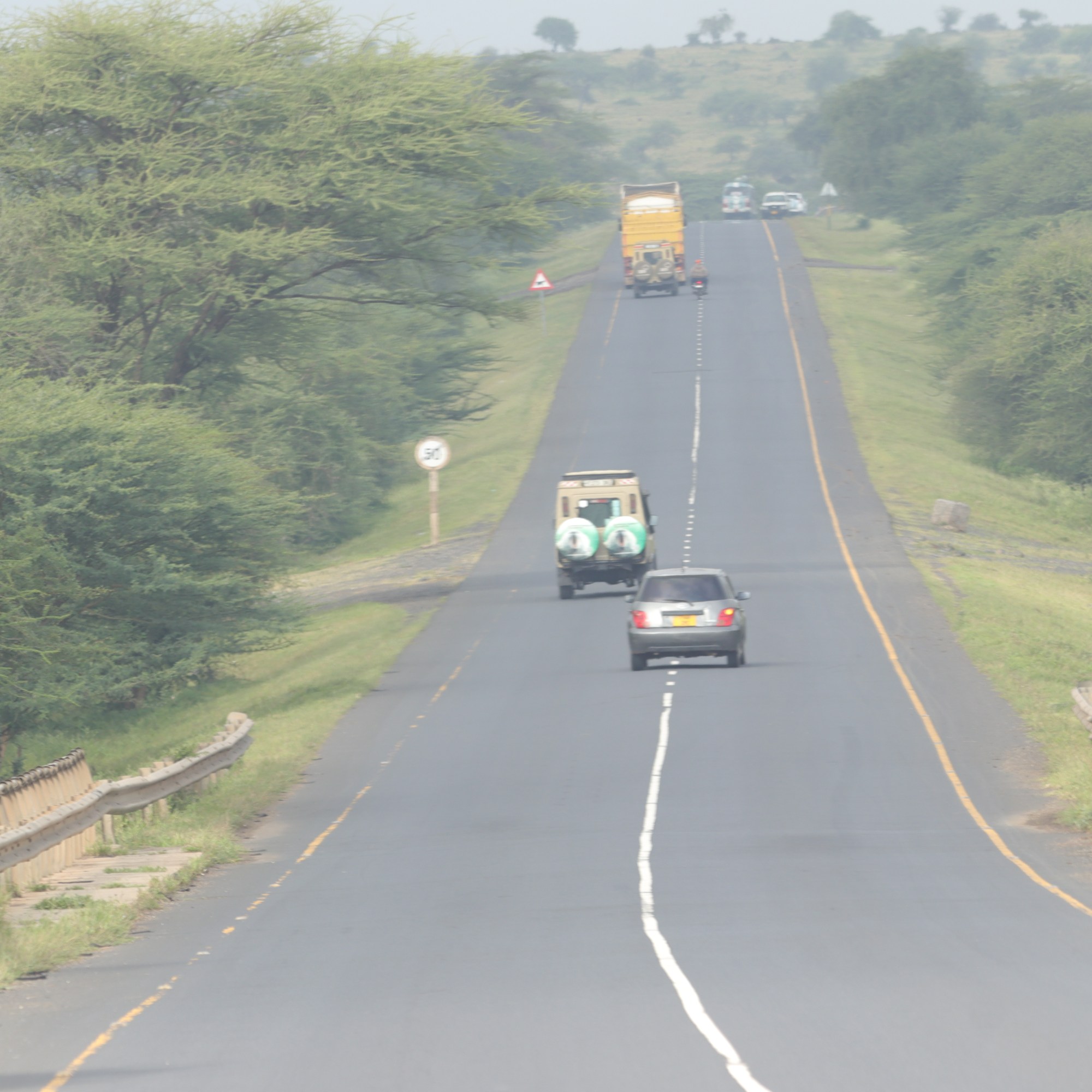
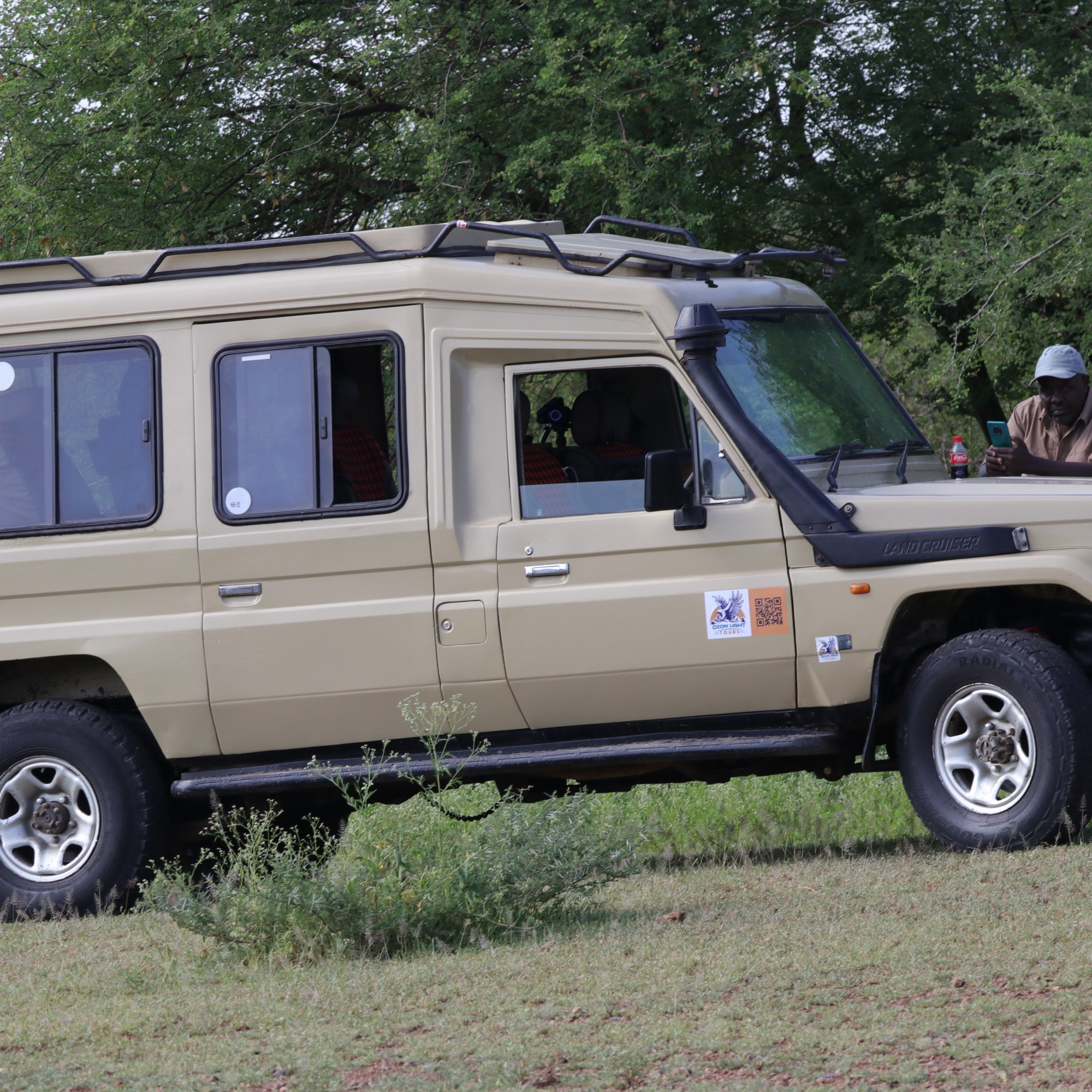




We began our journey early in the morning from Arusha, a lively safari hub where the energy of adventure was palpable. As we left the city behind, the urban sprawl gradually gave way to vast, rolling landscapes—Tanzania revealing itself in all its natural glory.
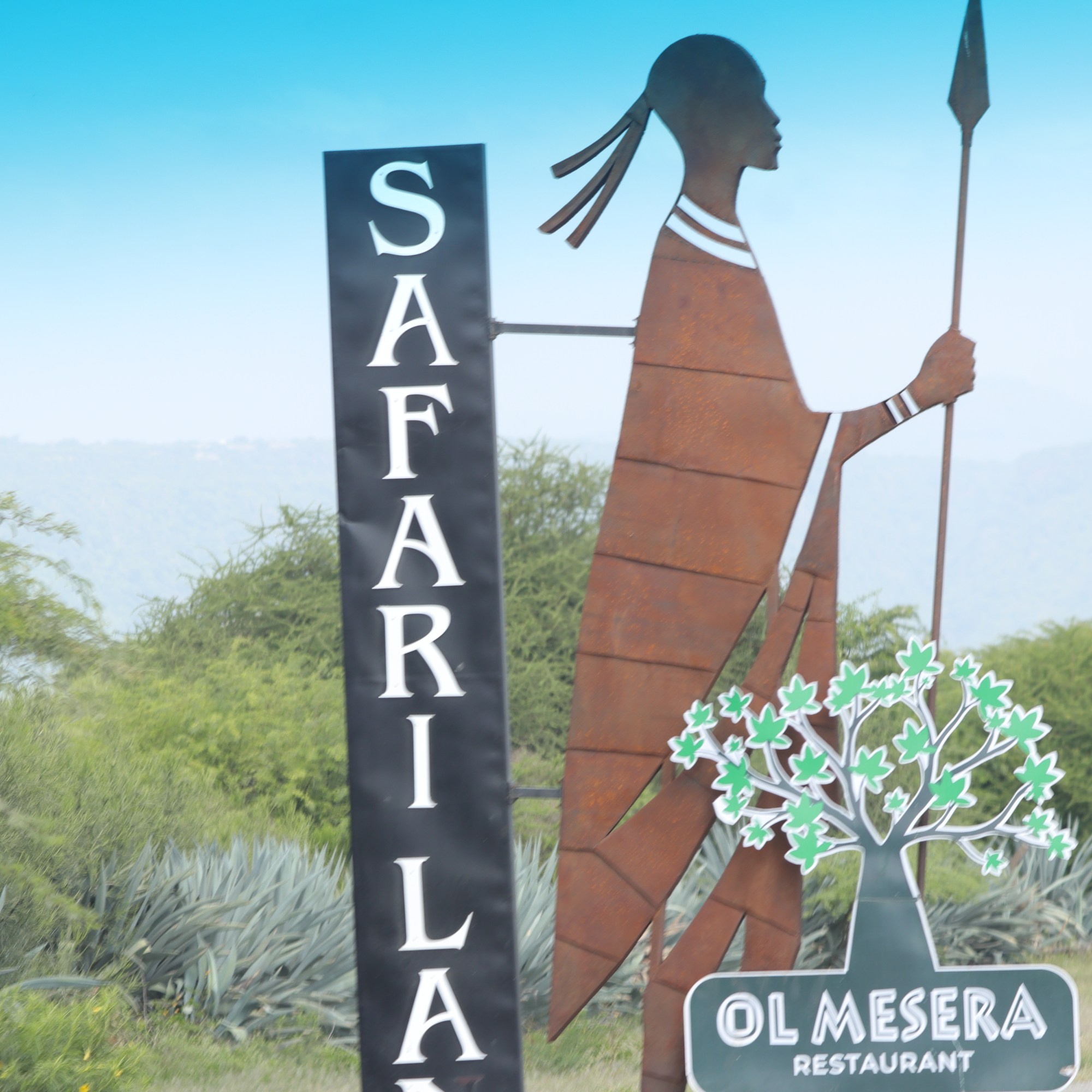
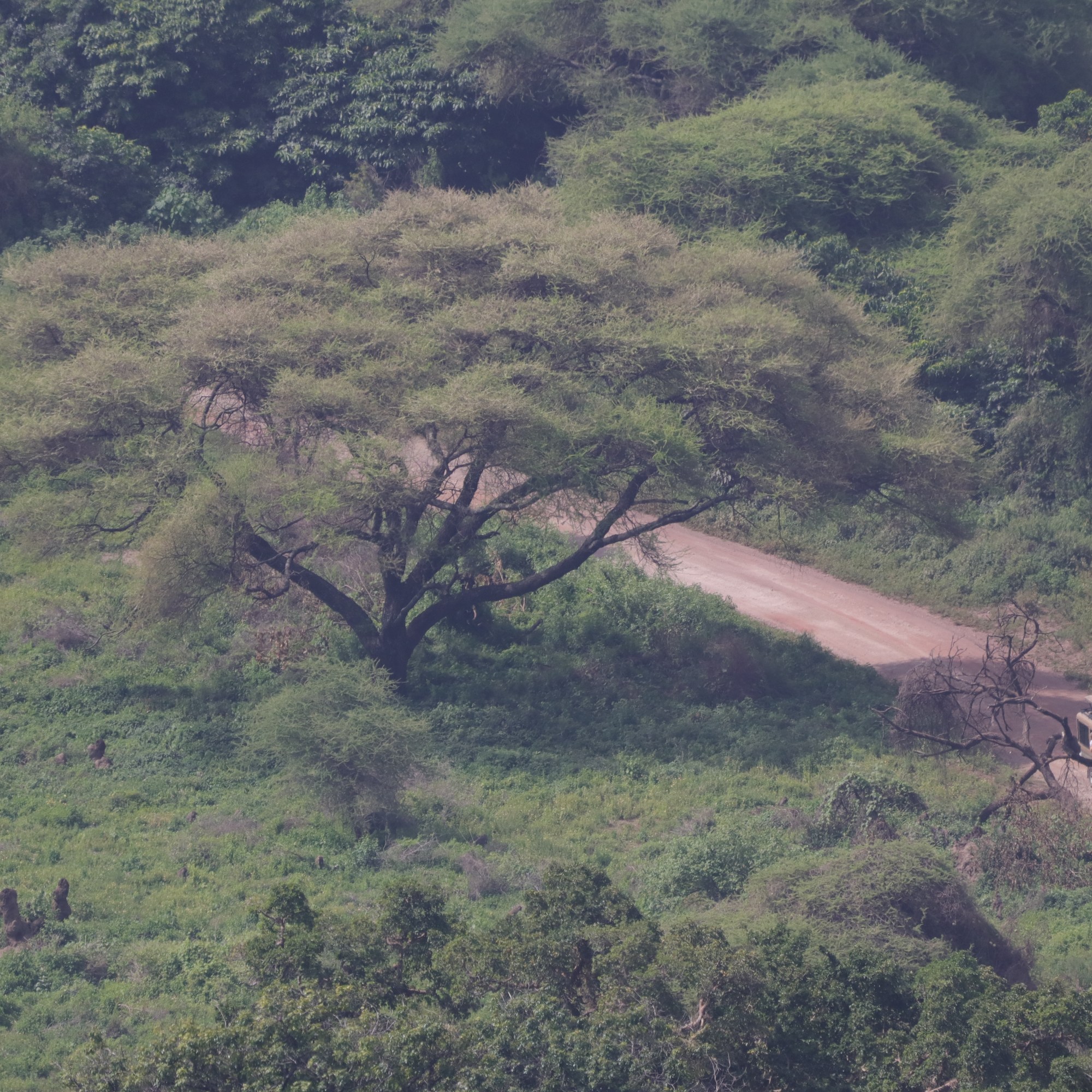
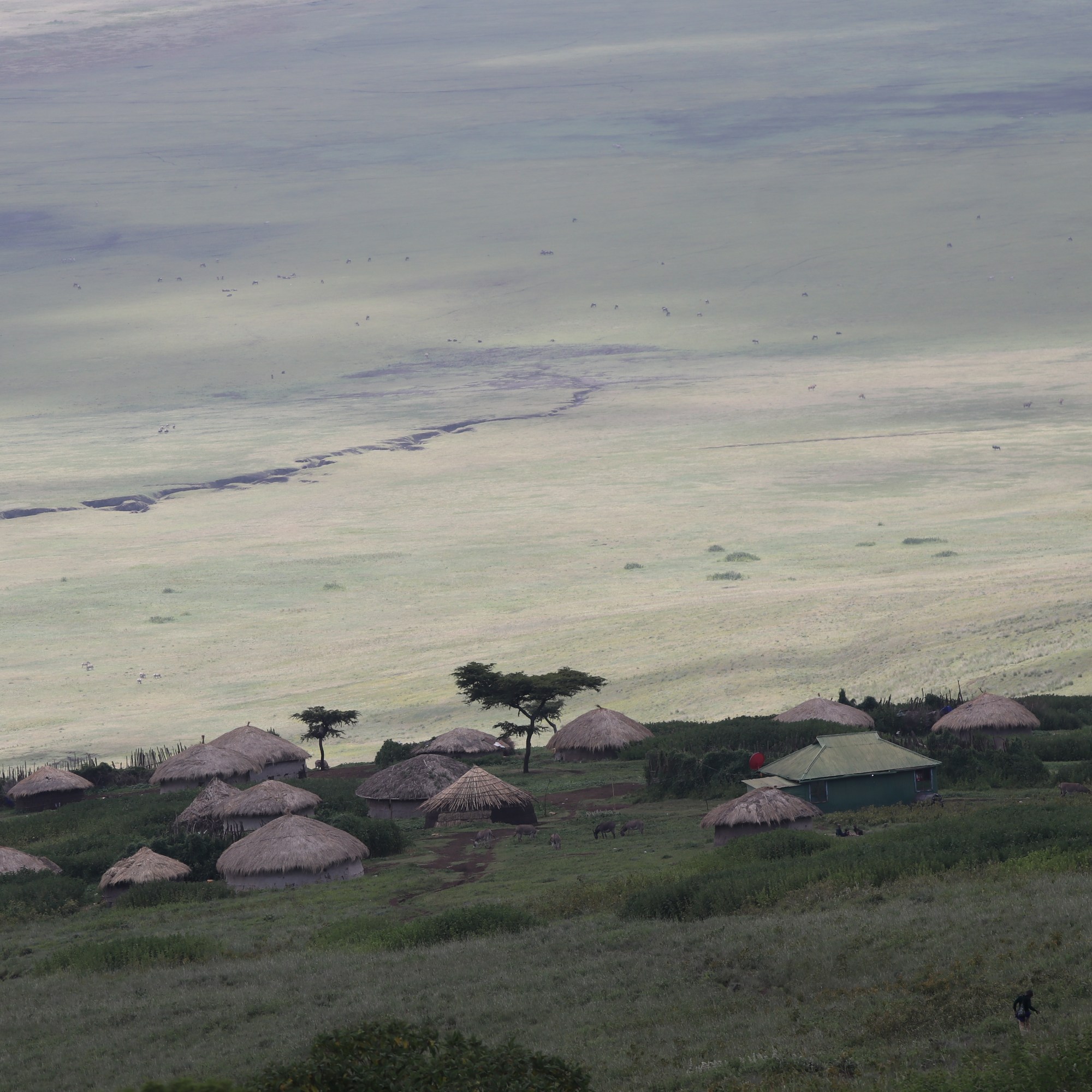
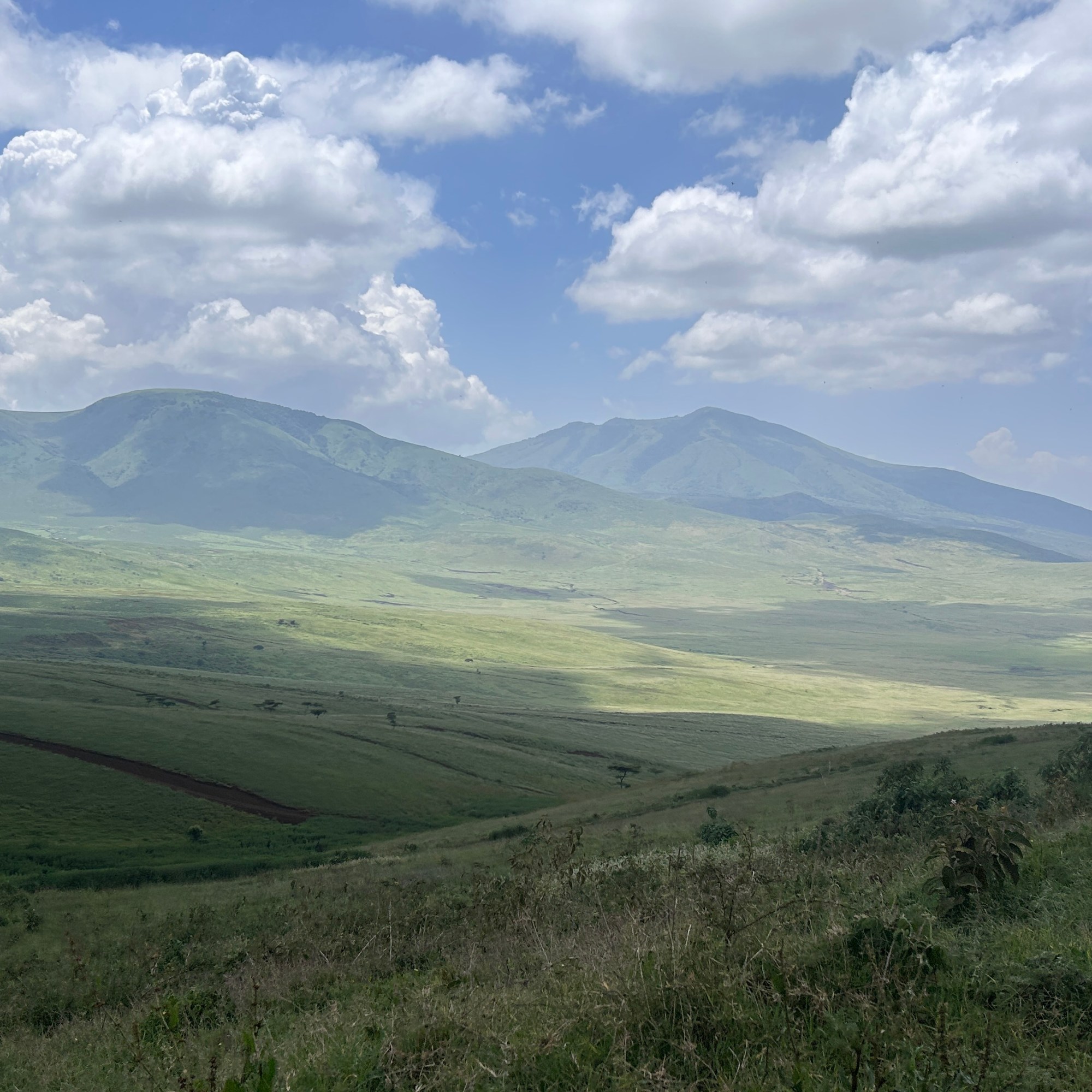
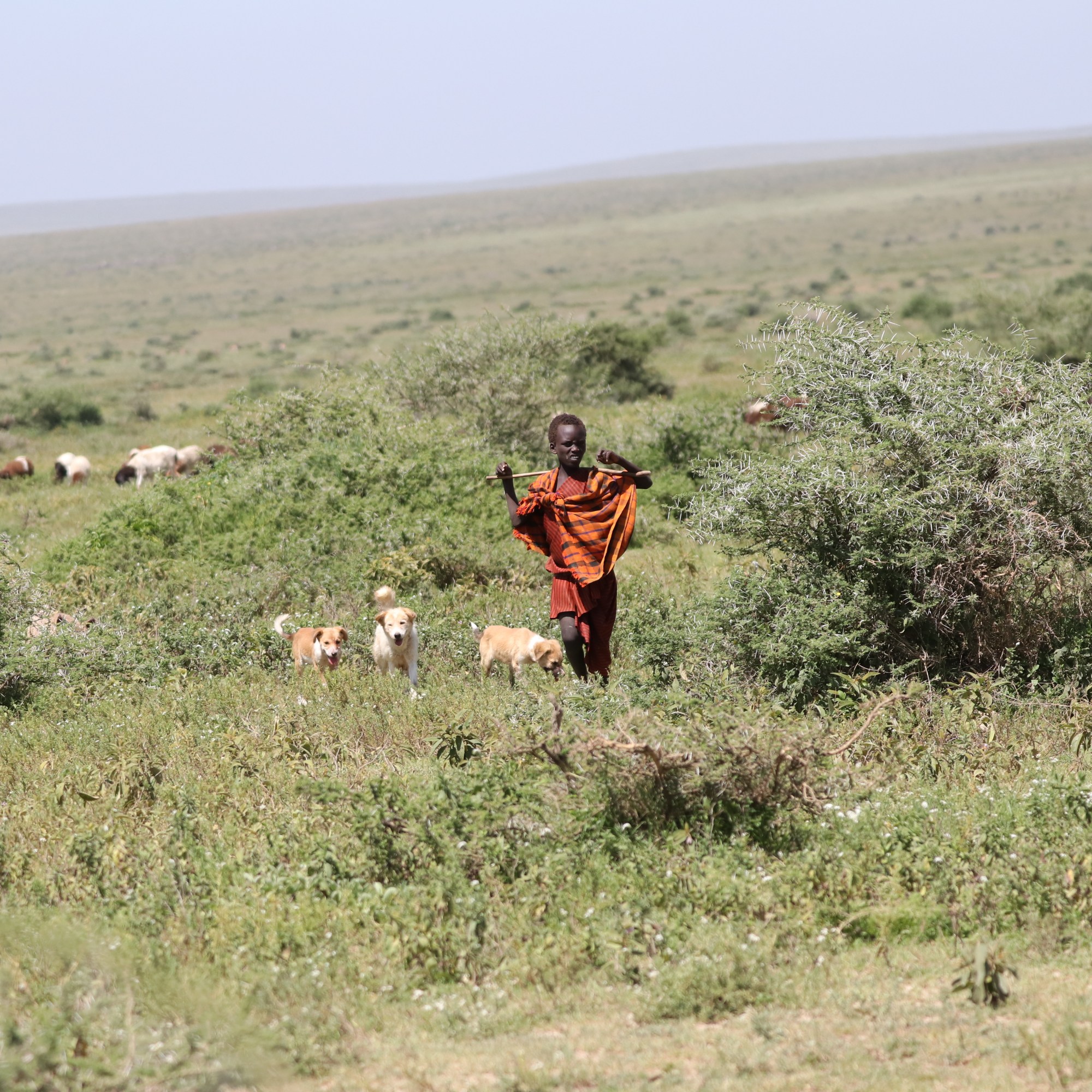
Our first brief stop was for fuel, but even that momentary pause allowed us to take in the sights of local life bustling along the roadside. As we continued, the transition from Arusha to Karatu was marked by ever-changing scenery—verdant hills, traditional Maasai villages, and glimpses of everyday life that made the journey as enriching as the destination itself.
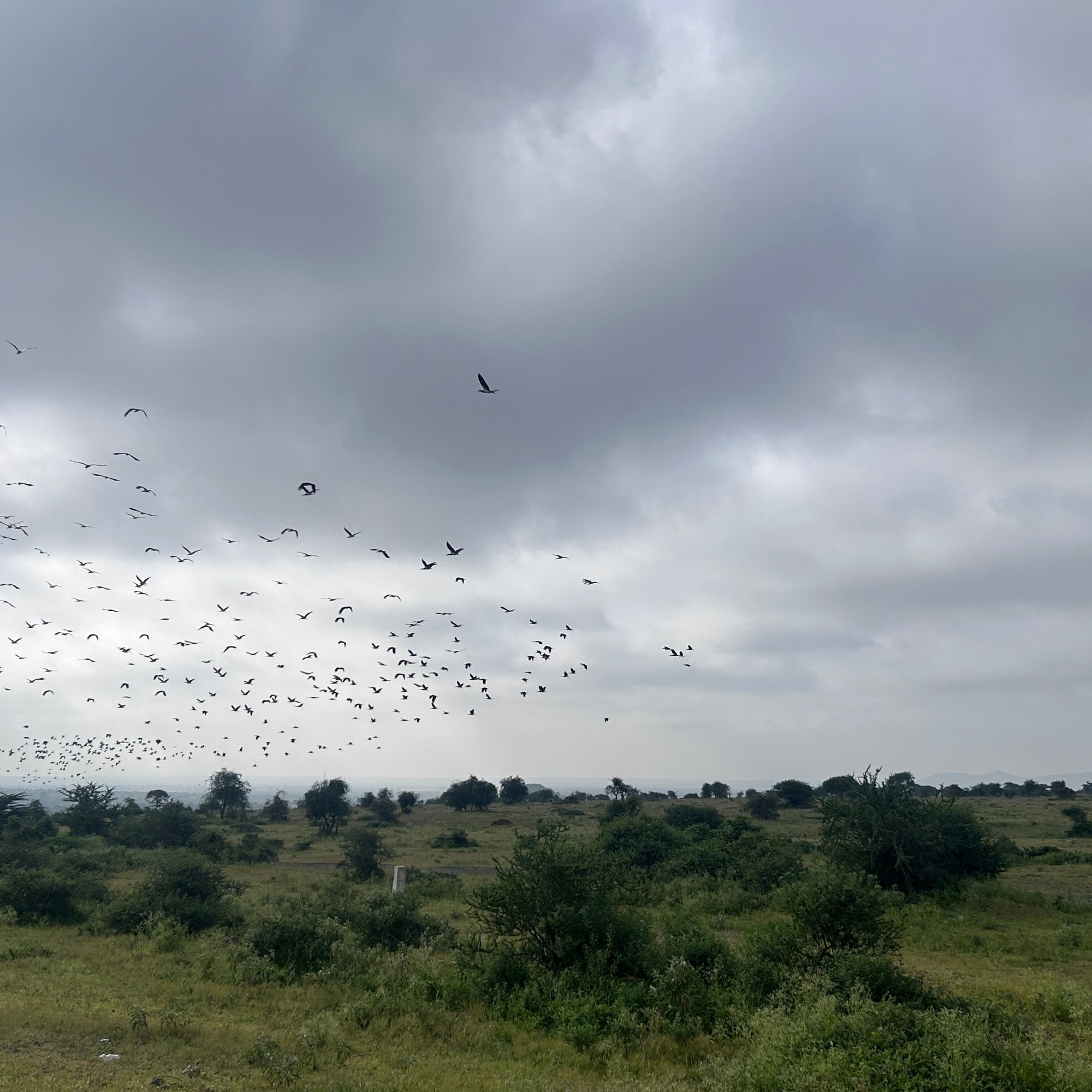
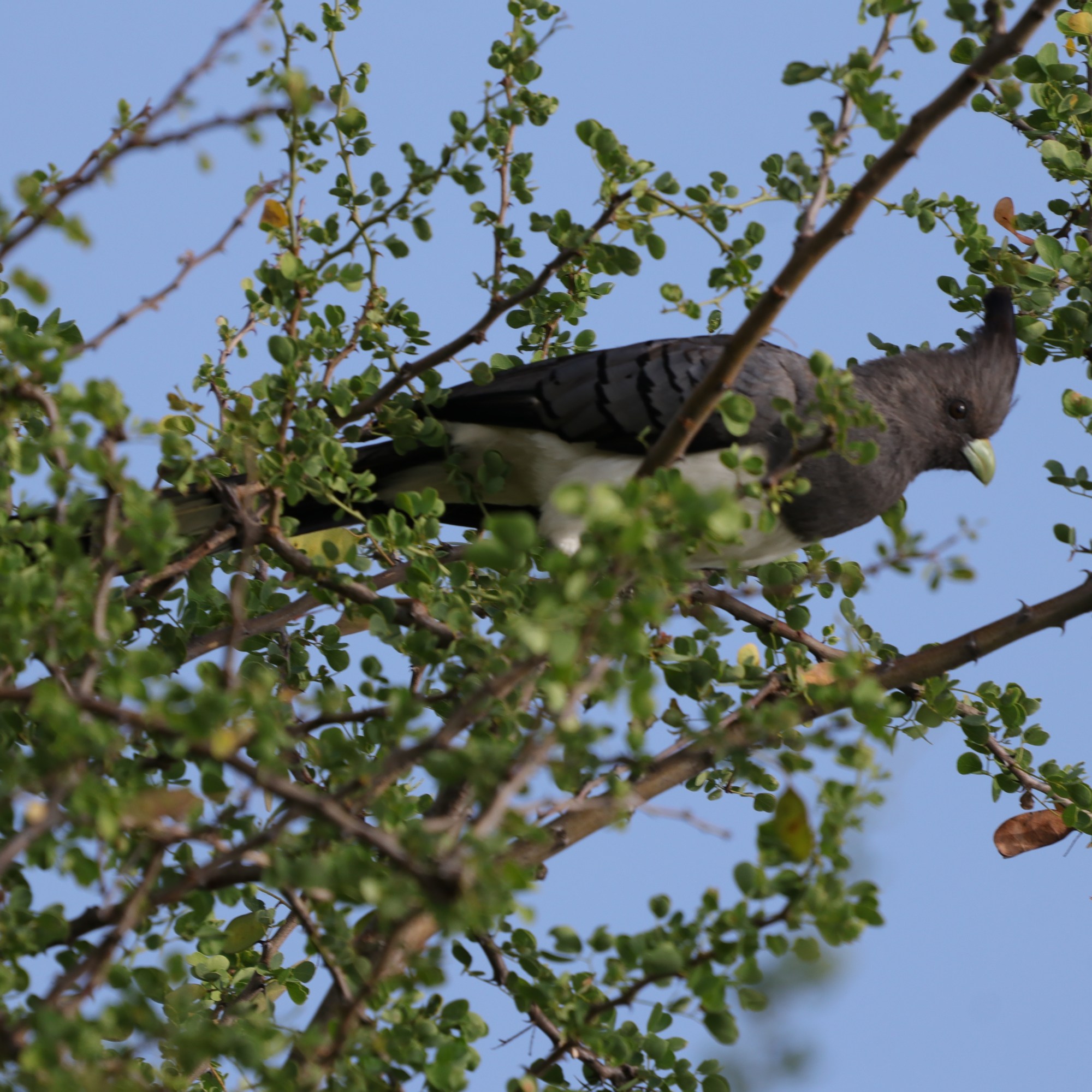
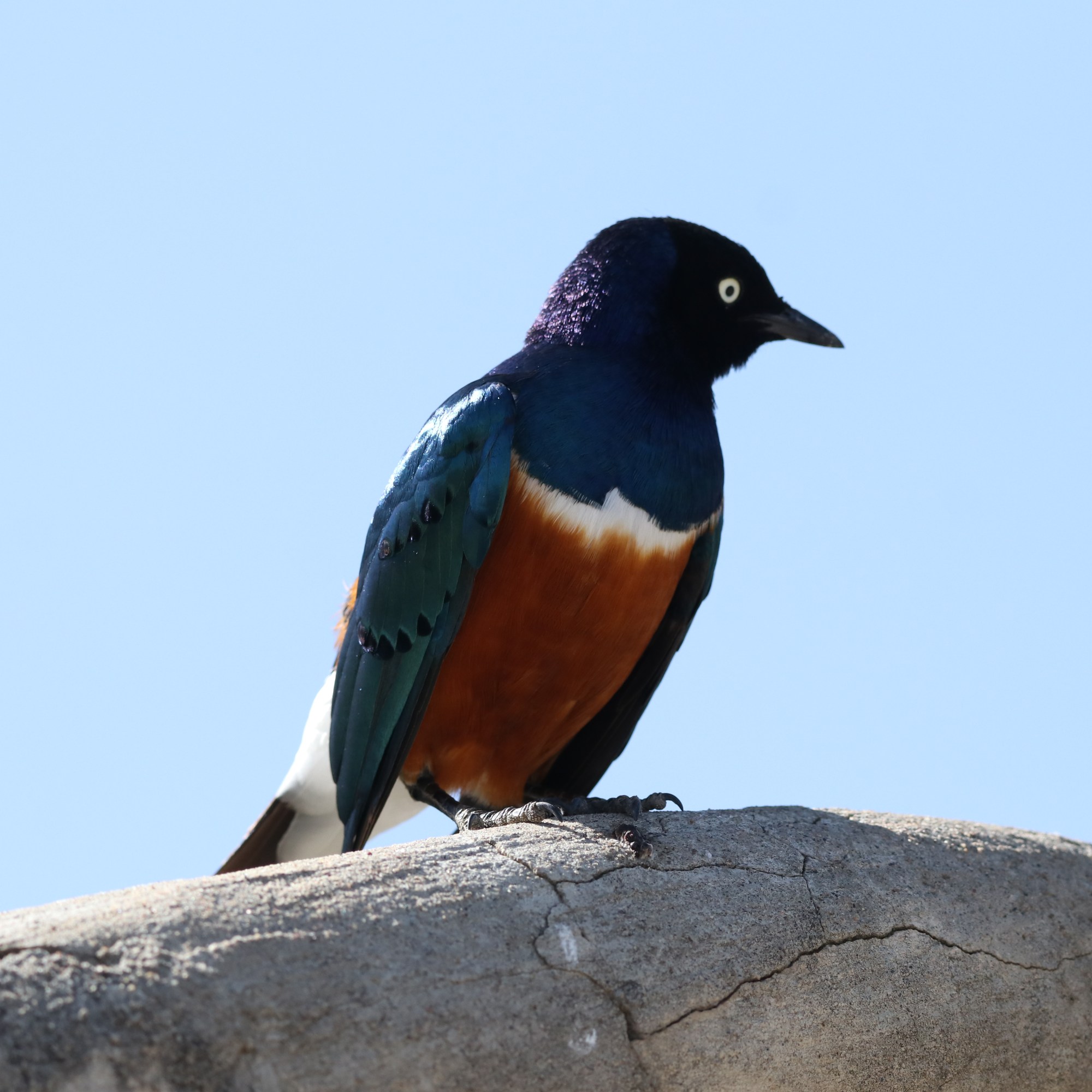
A quick roadside break turned into an unexpected bird photography session. With cameras in hand, we marveled at the striking White-bellied Go-away Bird and the vibrant Red-billed Chough, both eager subjects against the lush backdrop. These spontaneous encounters were a reminder that a safari wasn’t just about the Big Five—it was about every little moment nature had to offer.
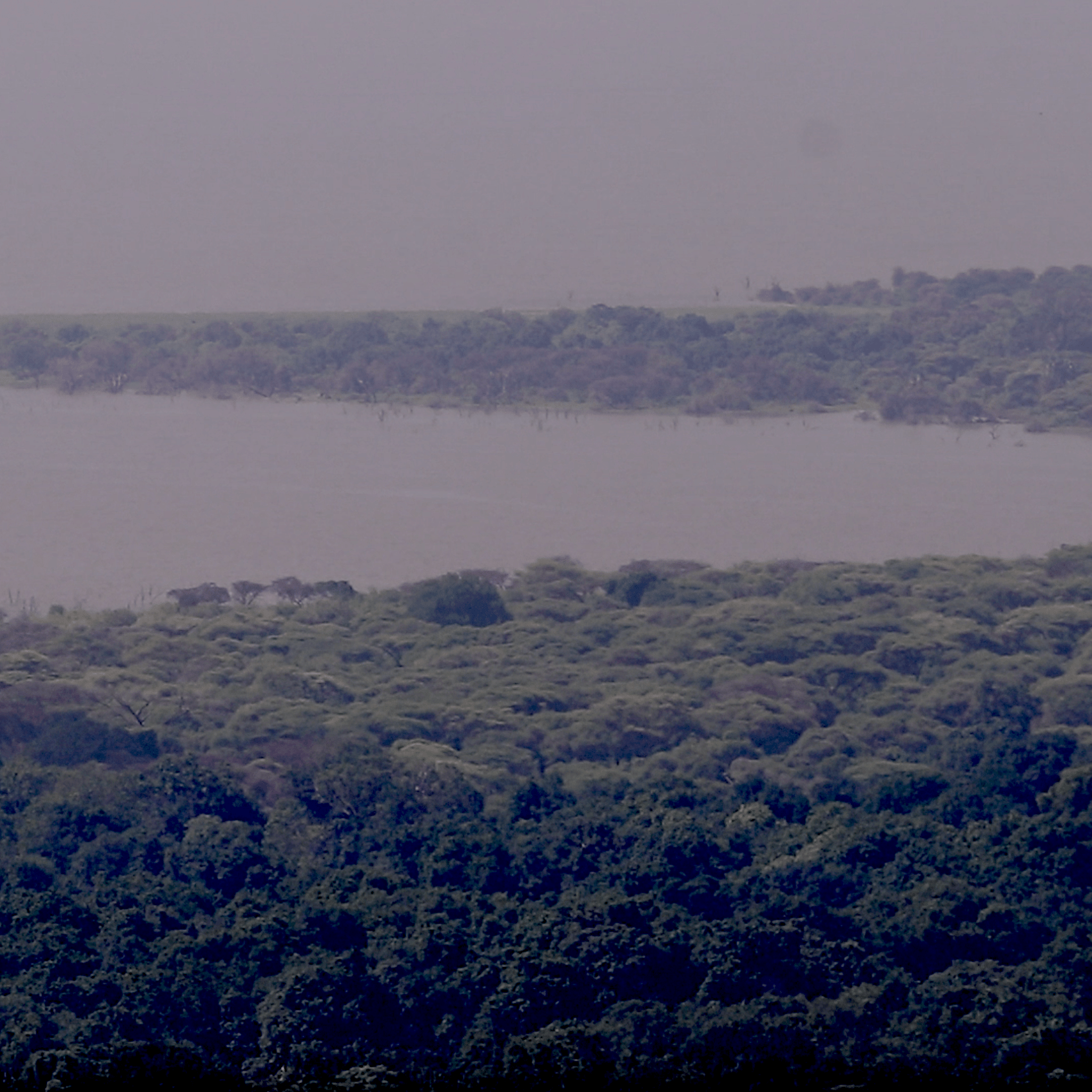
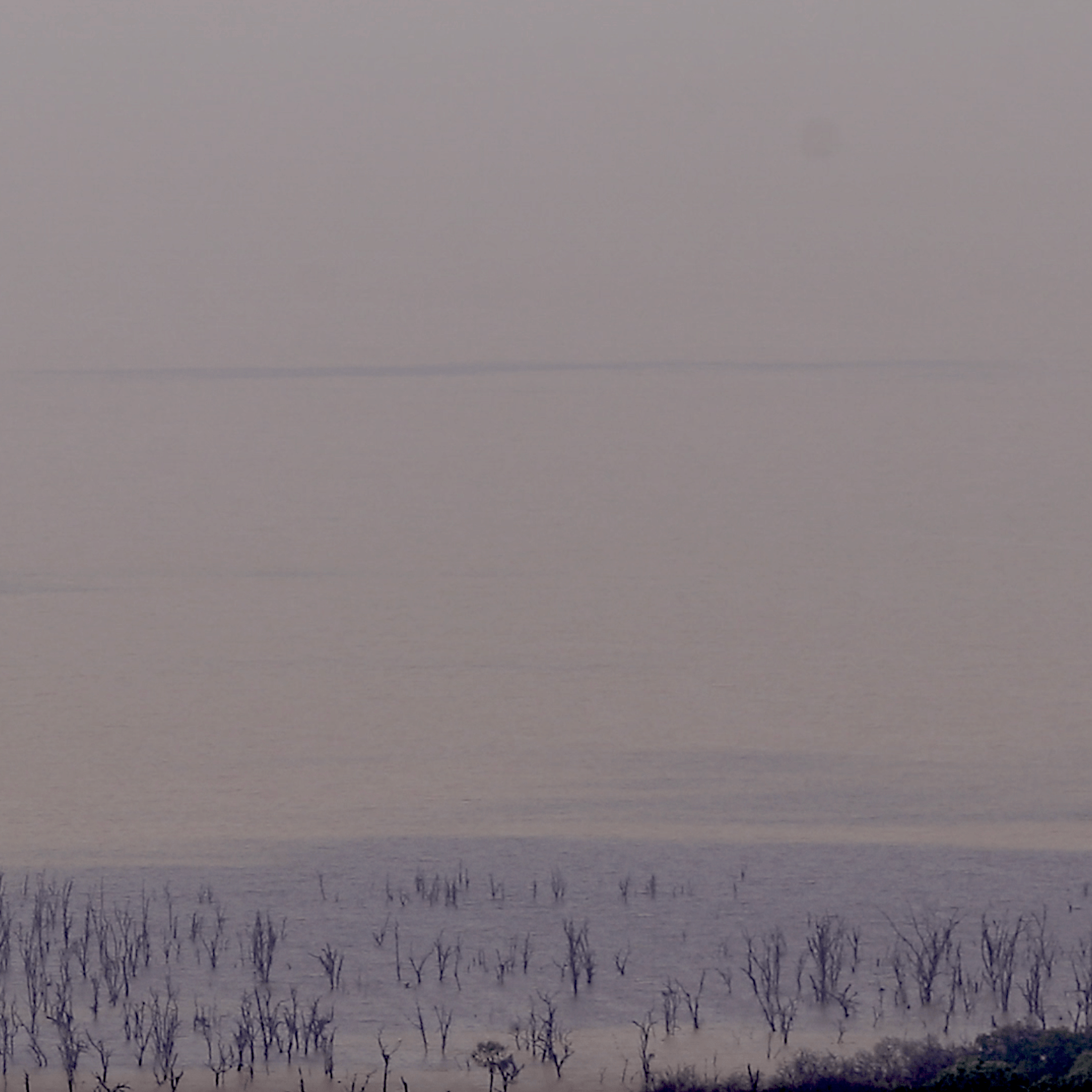
Further along, we stopped at a breathtaking viewpoint overlooking Lake Manyara, nestled between the escarpments of the Great Rift Valley. From atop the Karatu hills, the shimmering lake spread out below us, a sanctuary for flamingos and countless other birds.
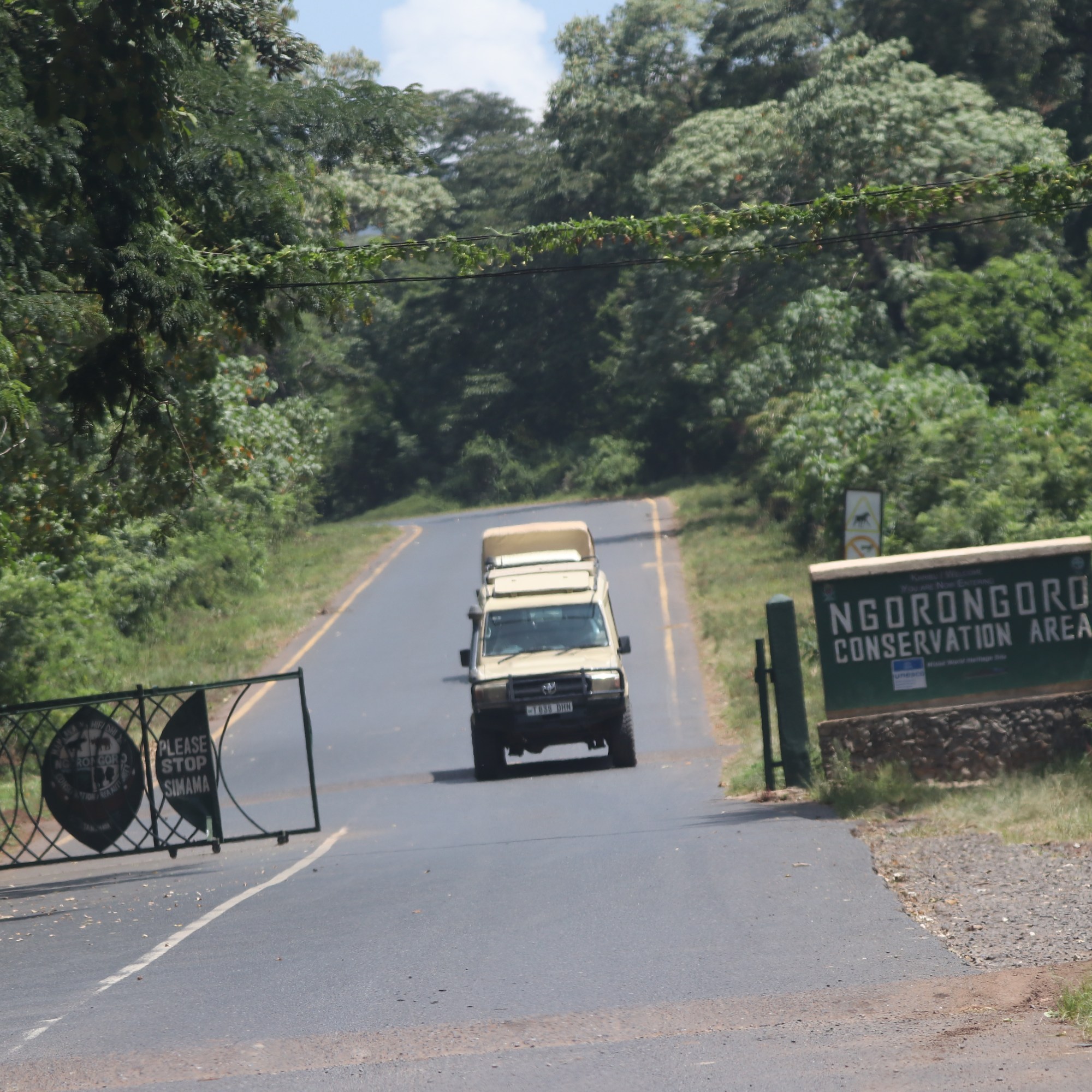
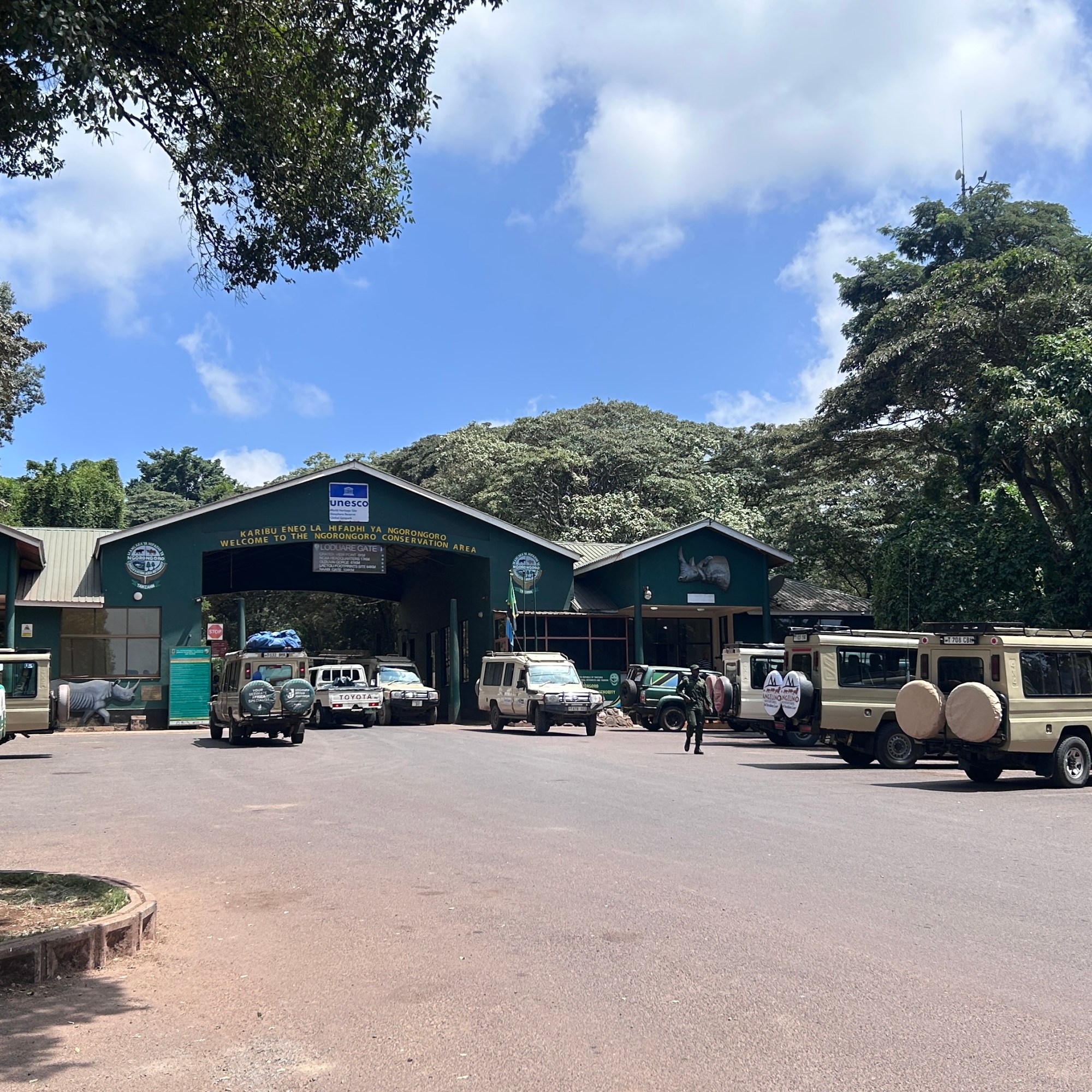
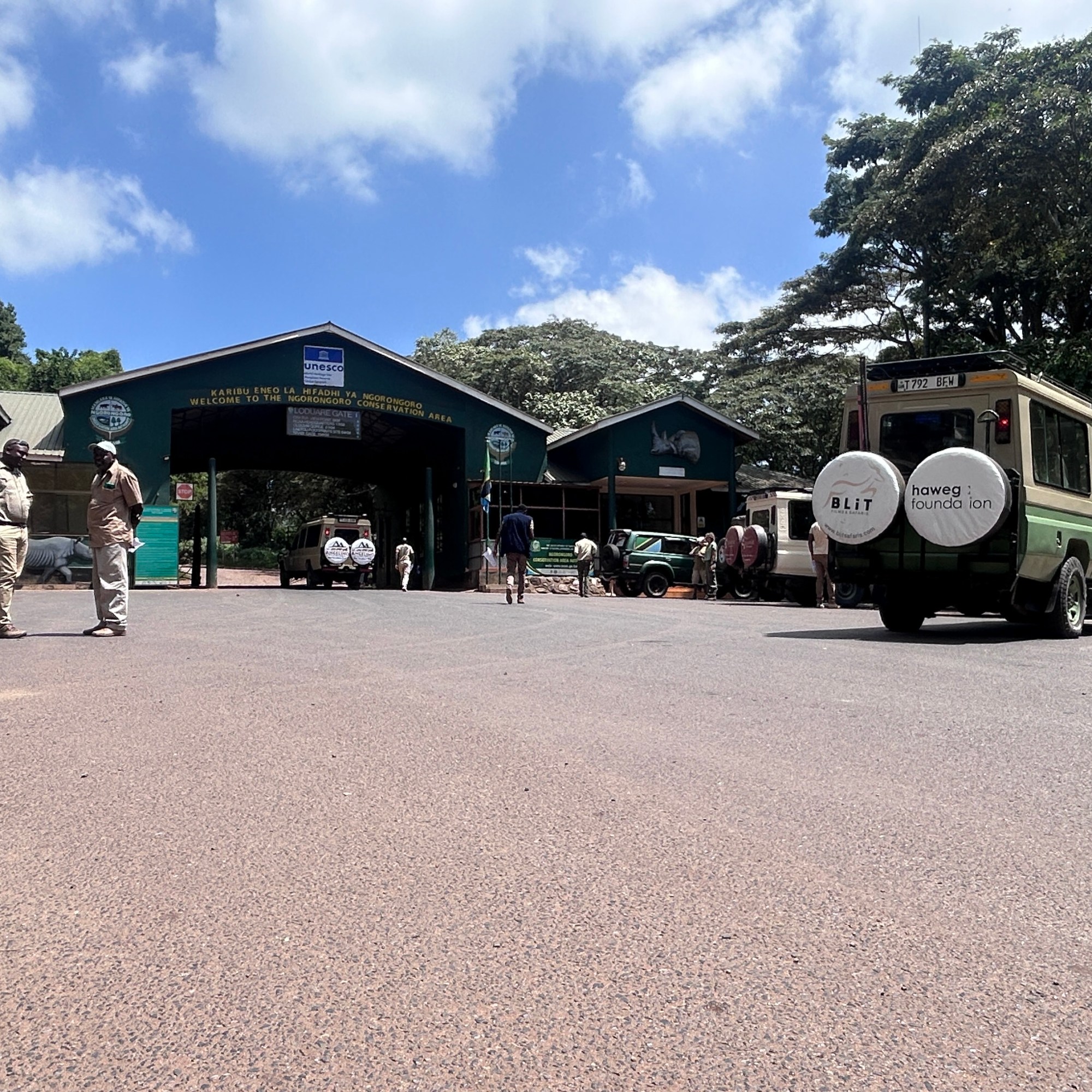
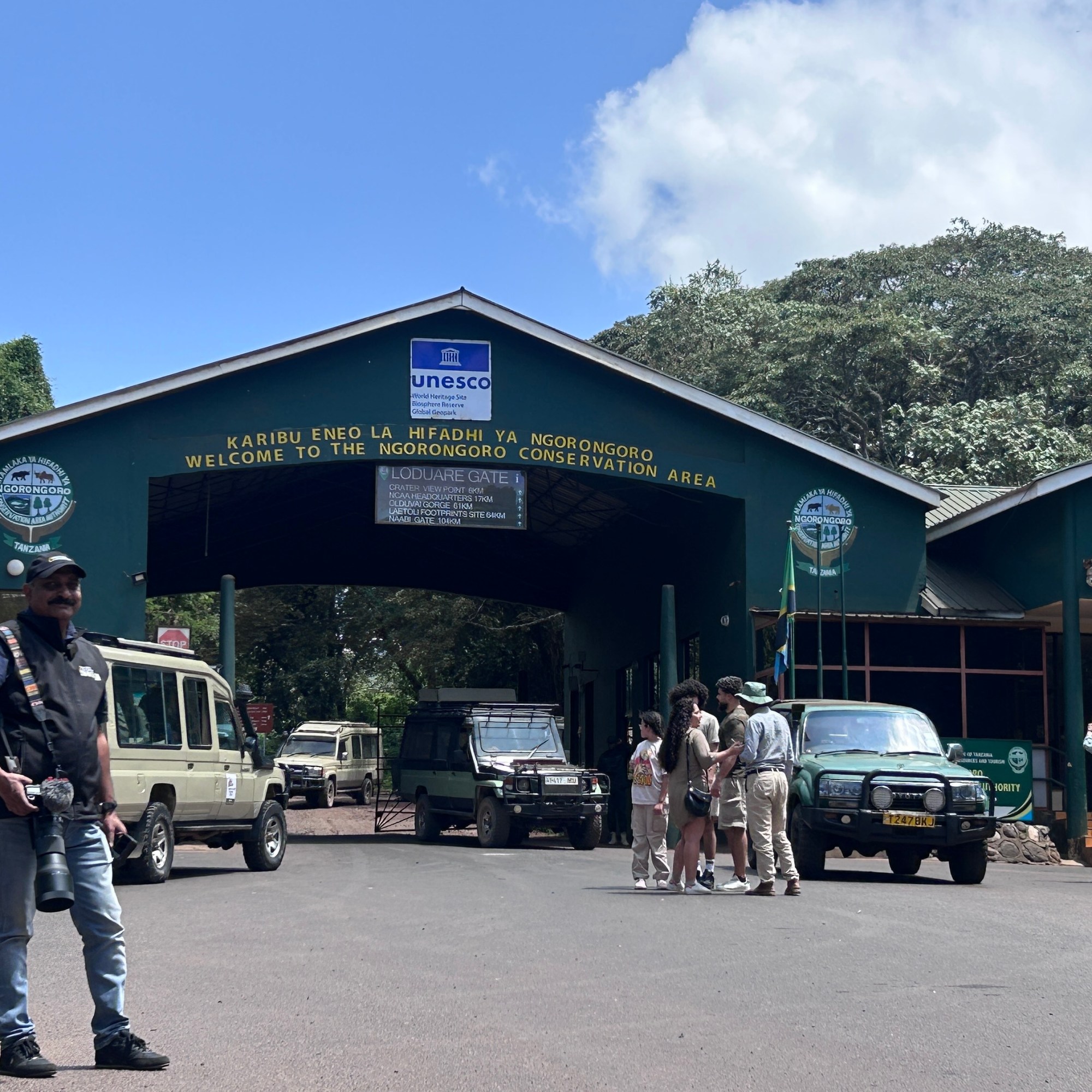
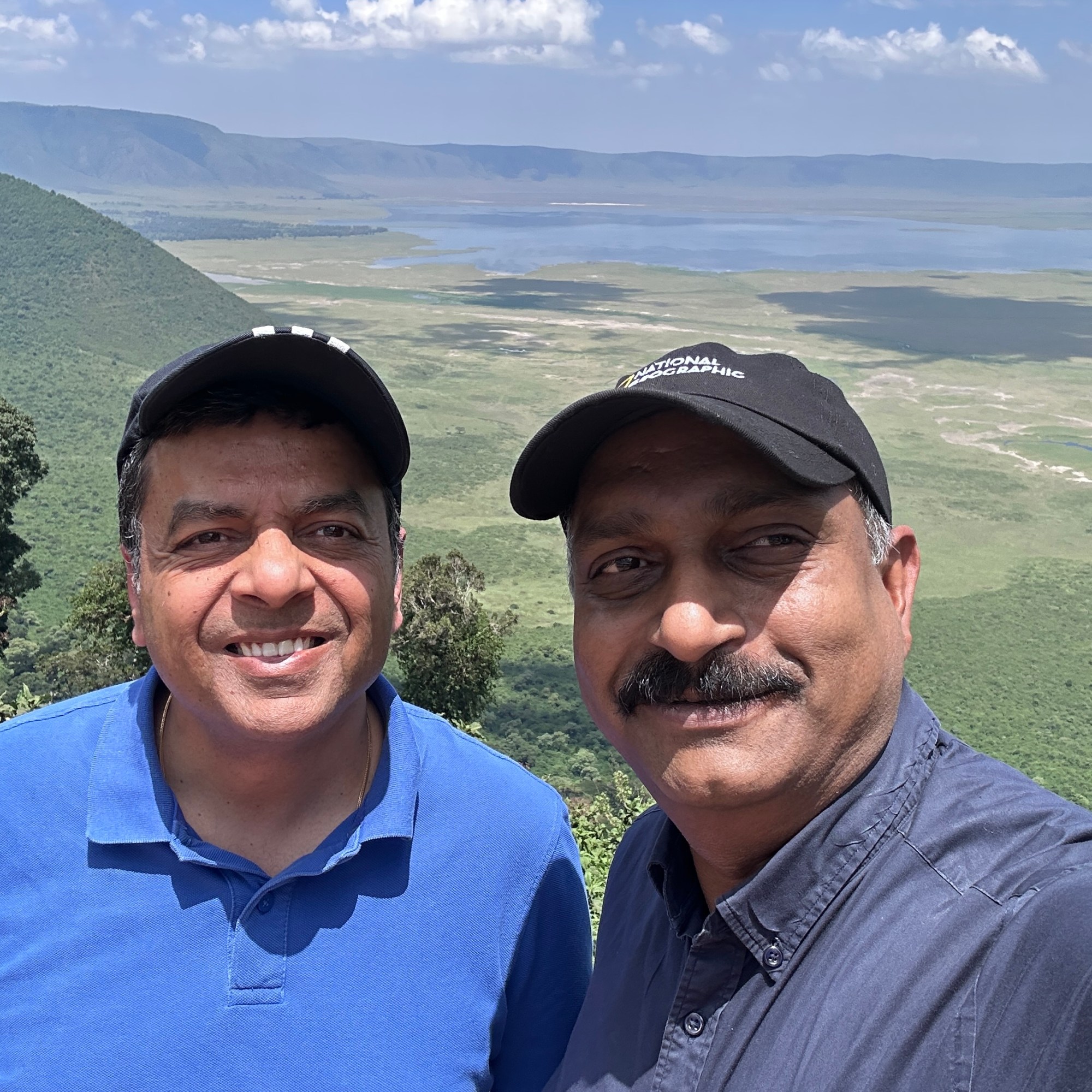
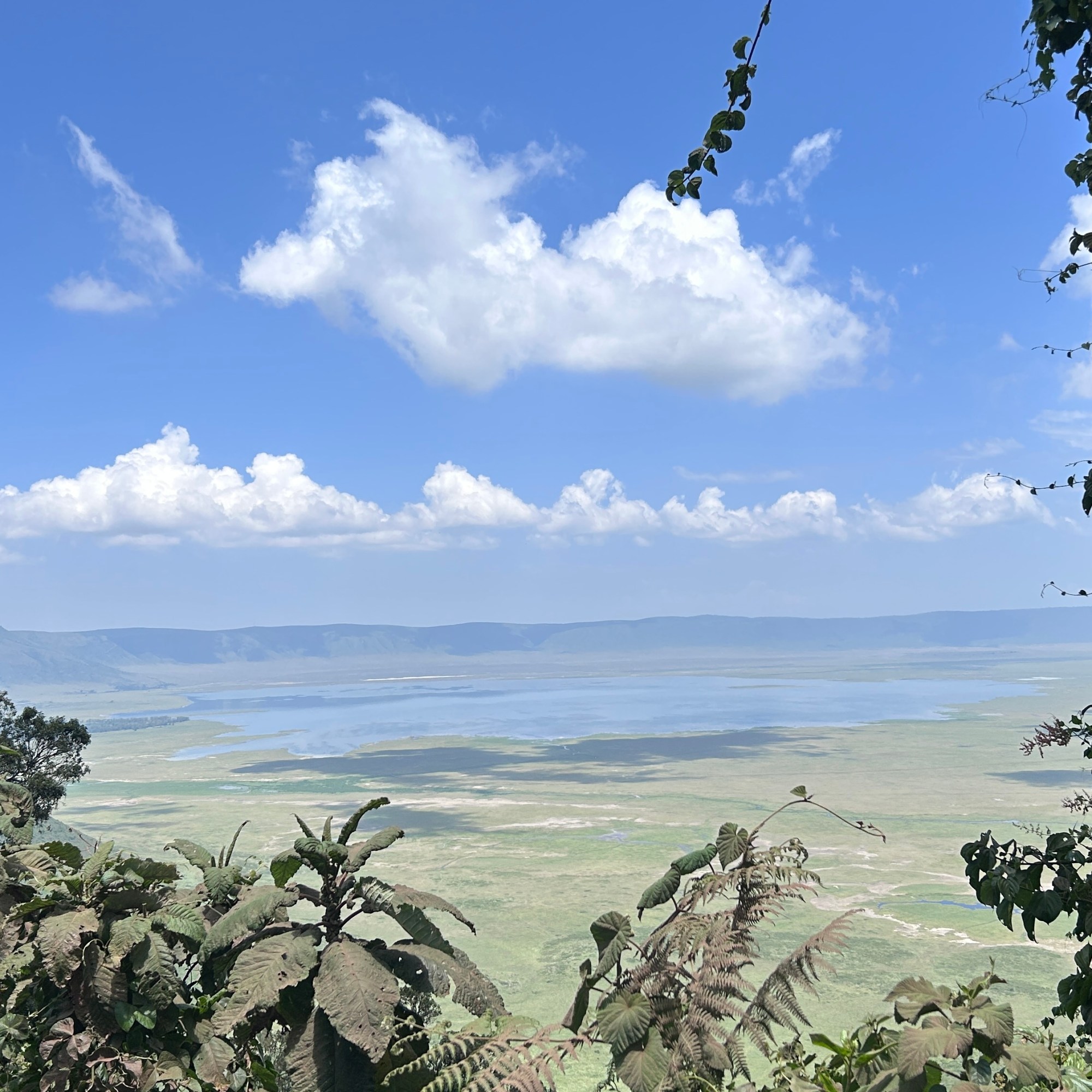
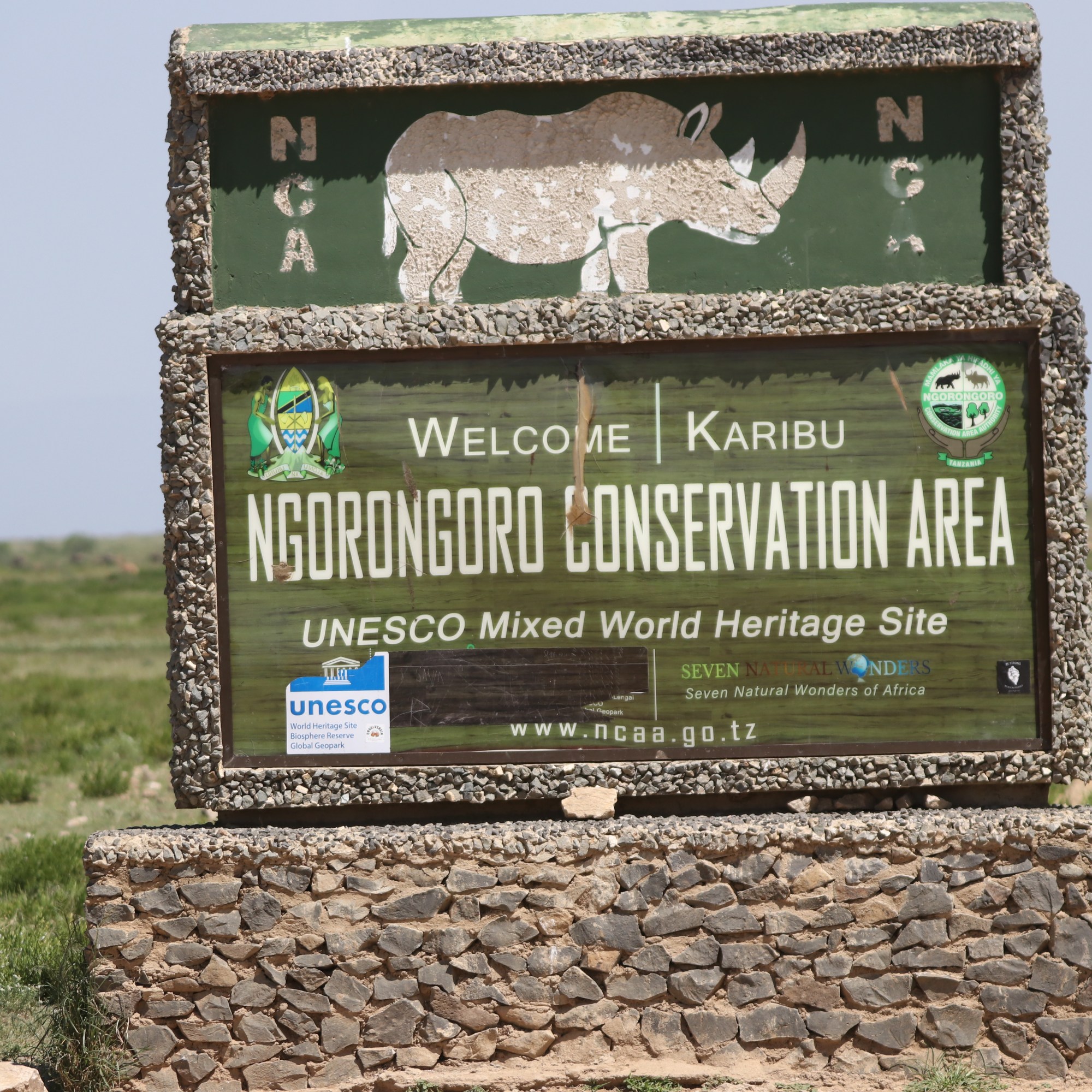
Our next landmark was one of the most iconic in Tanzania—the Ngorongoro Caldera, a UNESCO World Heritage Site. The sheer scale of this ancient volcanic basin, with its highland plains, dense forests, and mist-covered rim, was mesmerizing. Standing at the edge, looking down into the vast, wildlife-rich crater, I felt a surge of anticipation knowing that in a few days, we would descend into this paradise.
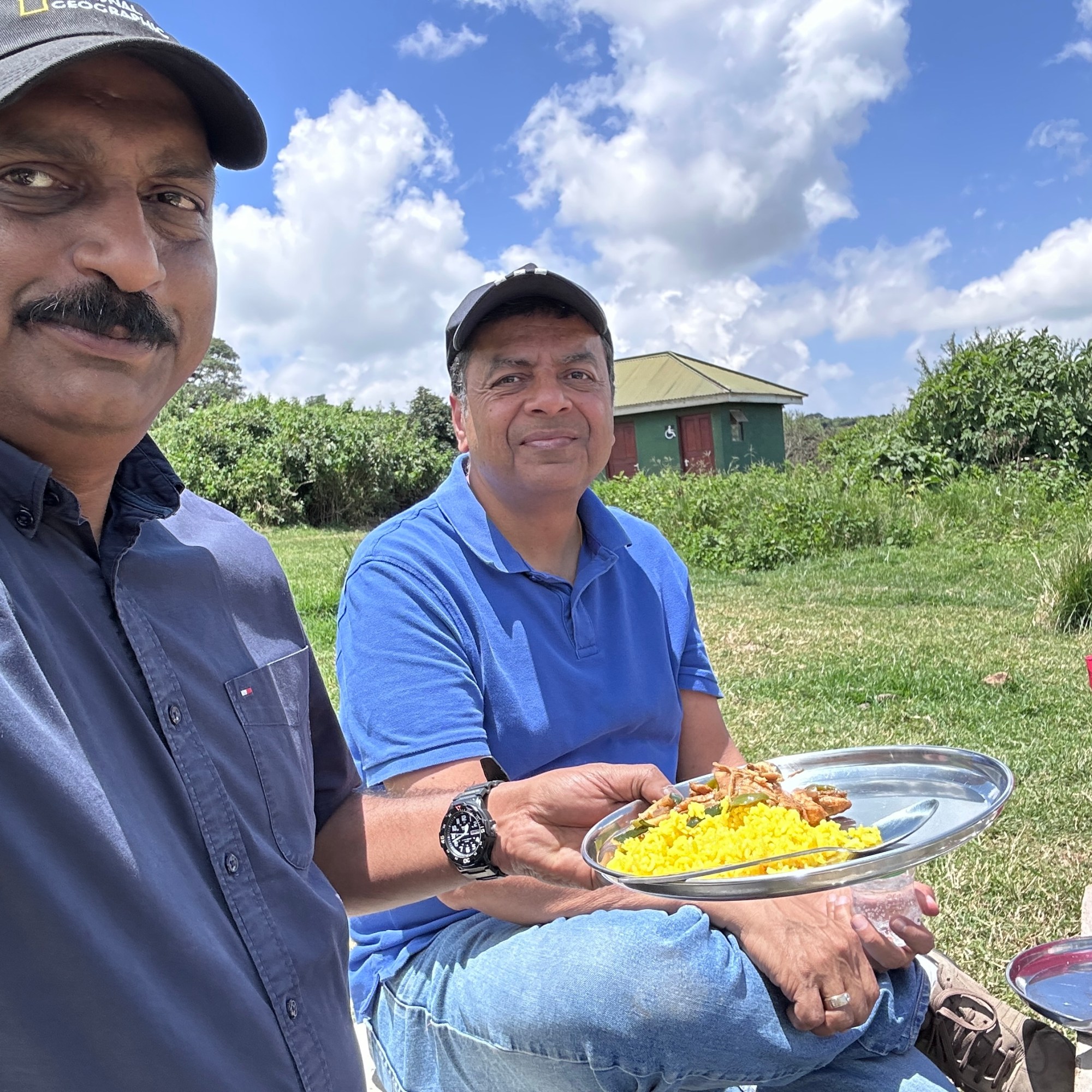
Lunch was enjoyed at a scenic stop near the crater’s viewpoint, where we took a moment to capture the breathtaking landscape that awaited us on Day 4. With each passing kilometer, the landscapes evolved—the thick forests of Ngorongoro gradually giving way to the endless, golden grasslands of the Serengeti. Excitement bubbled within us; we were nearing one of the most famous wildlife reserves in the world.
As the open plains of the Serengeti stretched out before us, it was impossible not to feel a sense of awe. This was the land of legendary migrations, of predators and prey locked in an eternal dance of survival. The adventure had truly begun.
After approximately seven hours of travel, we finally arrived at the Central Serengeti, often referred to as the beating heart of the Serengeti National Park. This vast expanse of golden savanna, dotted with acacia trees and rocky outcrops, is home to one of the most extraordinary concentrations of wildlife on the planet. Even before fully entering the park, we could feel the pulse of the wild all around us.
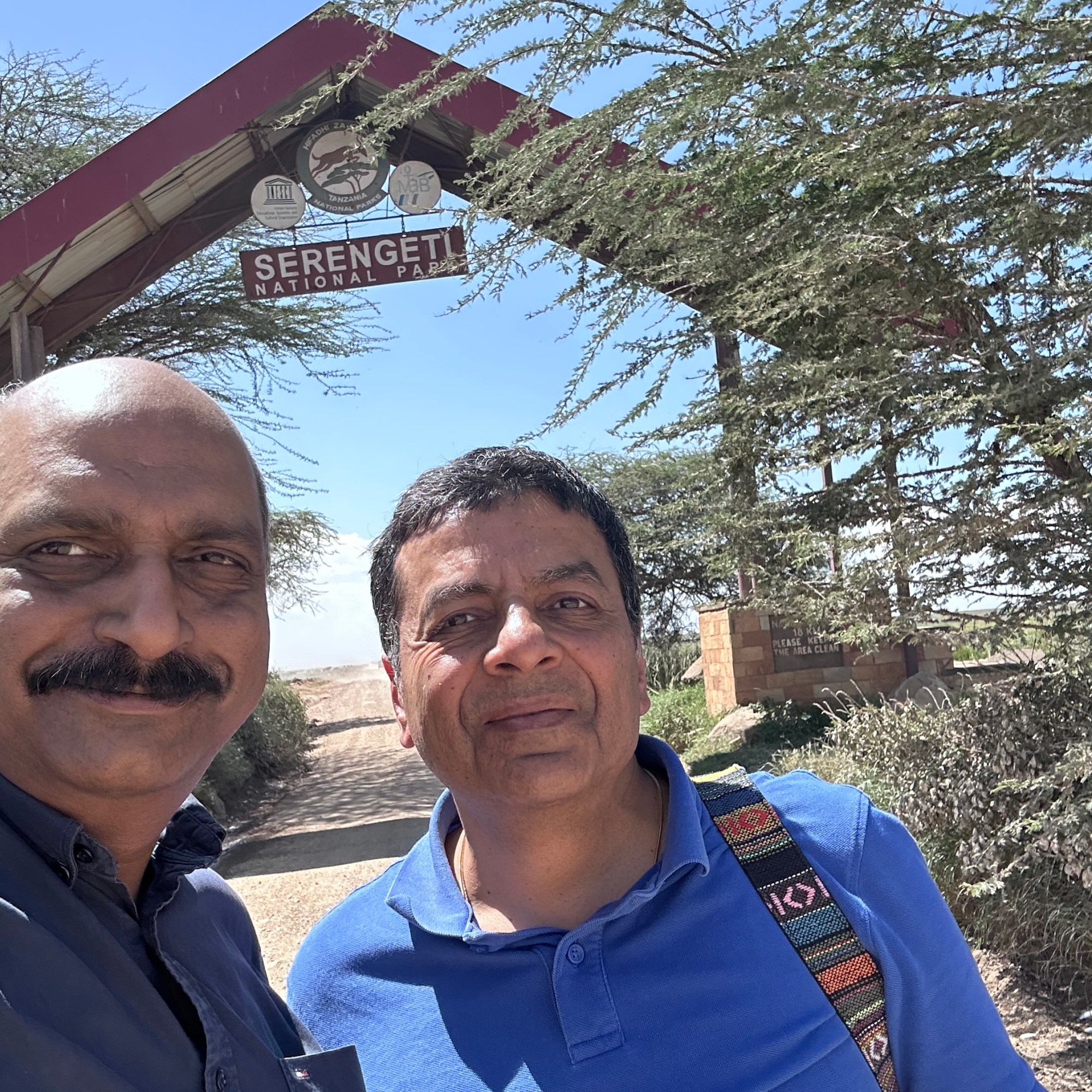
Since this time of year most of the migratory herds were still in the southern Serengeti—a region we were set to explore the next day—our first stop was the Naabi Hill Gate. This entry point to the Serengeti offers a stunning panoramic viewpoint, and we took a short hike to take it all in. Standing atop the hill, we gazed out over the endless Serengeti plains stretching as far as the eye could see. The horizon shimmered in the midday heat, and the vastness of the land before us was humbling.
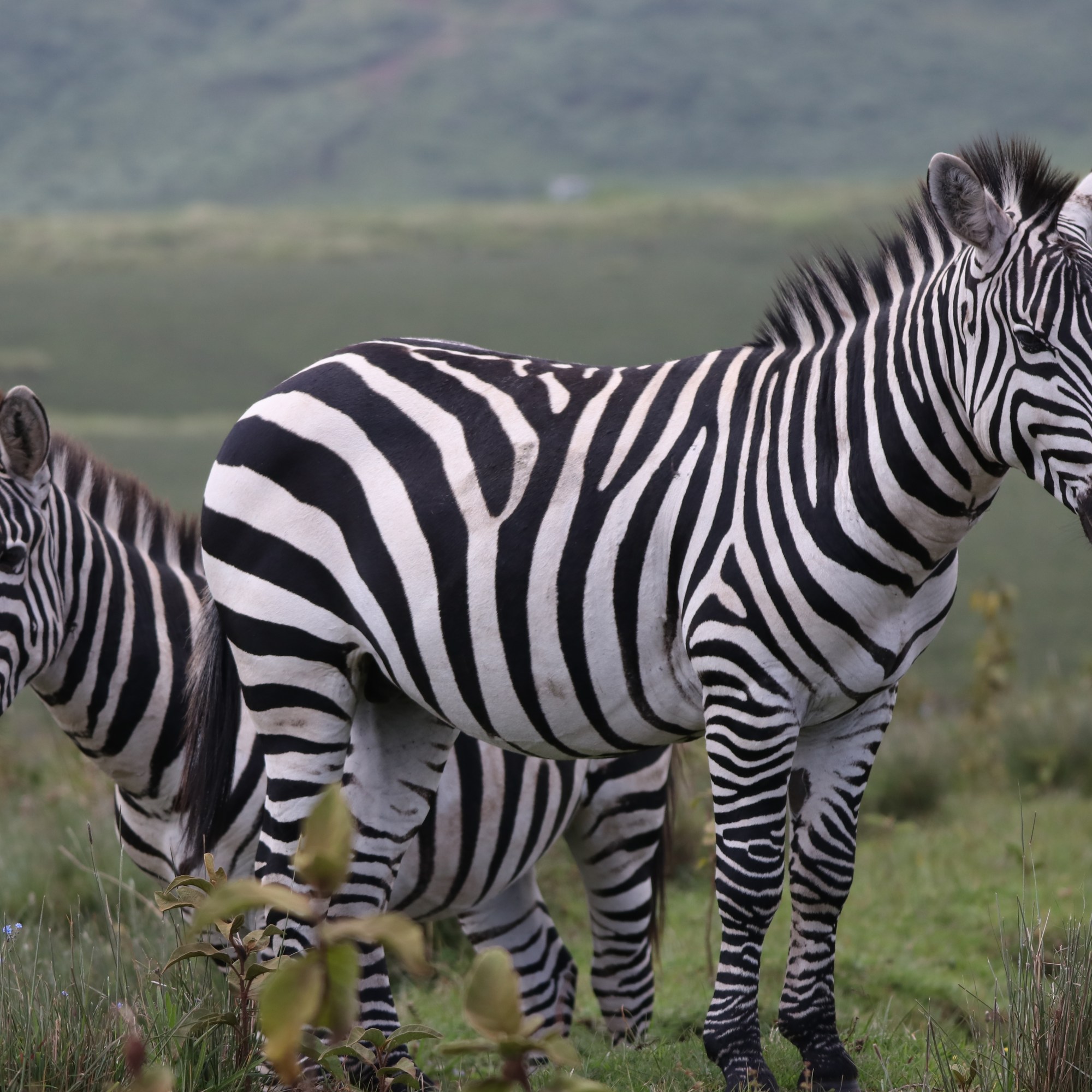
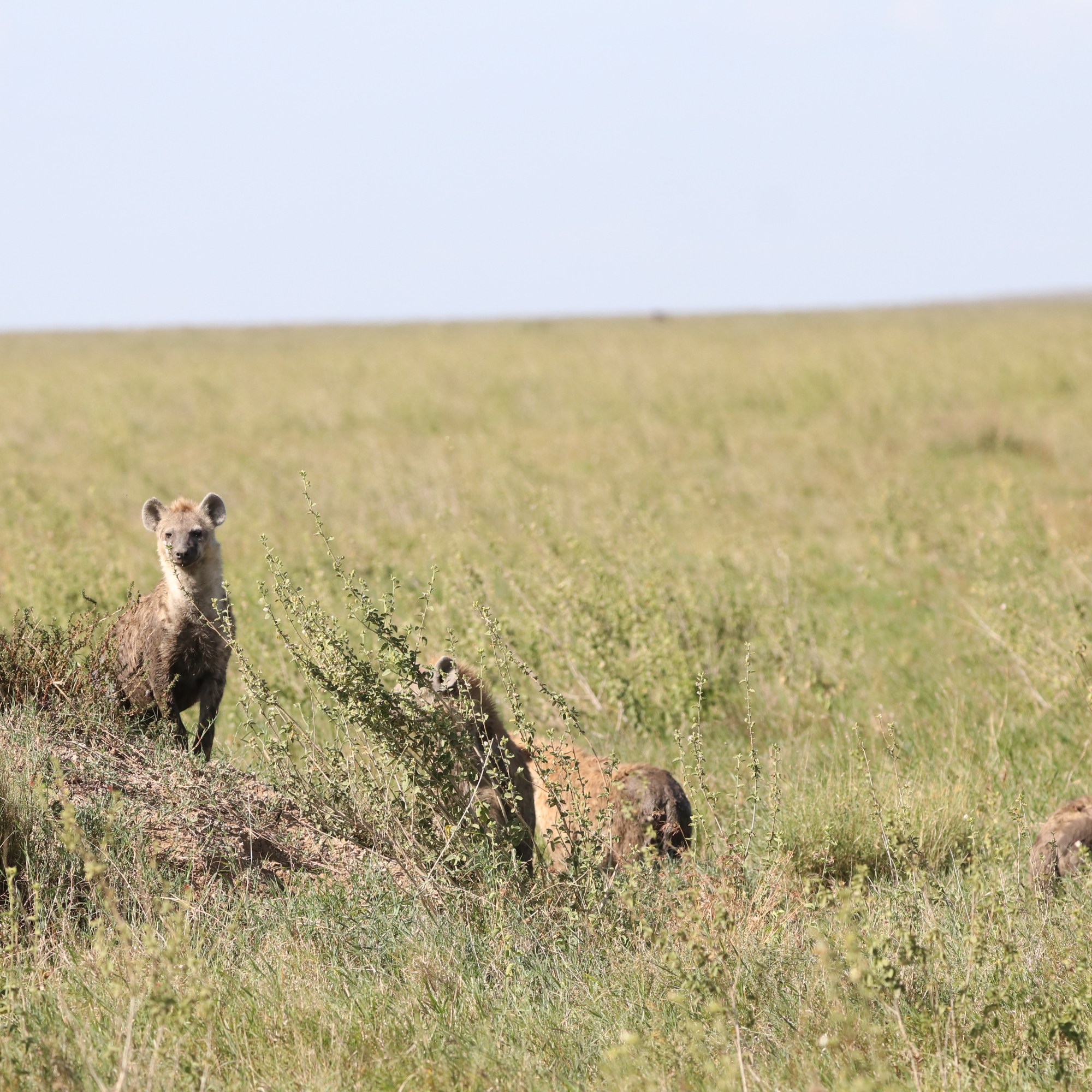
As we crossed the gates into the Serengeti, the magic of the park unfolded almost instantly. Luck was on our side as we spotted a lioness lounging under a tree, hyenas skulking through the grasslands, and an abundance of wildebeest, zebras, and gazelles. A special highlight was witnessing an actual “zebra crossing” — a group of zebras cautiously making their way across the dirt road in perfect formation, their black-and-white stripes a striking contrast against the golden plains.
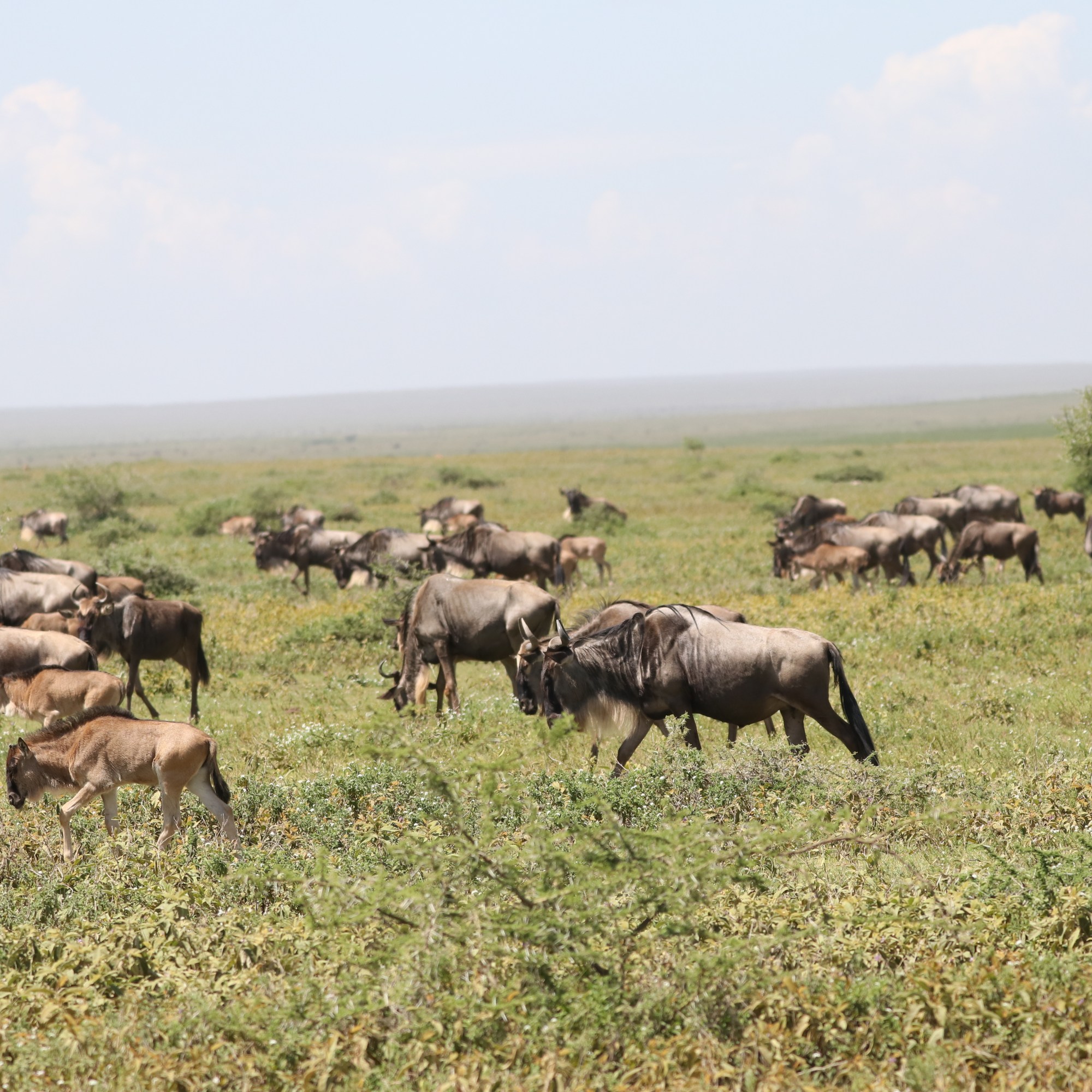
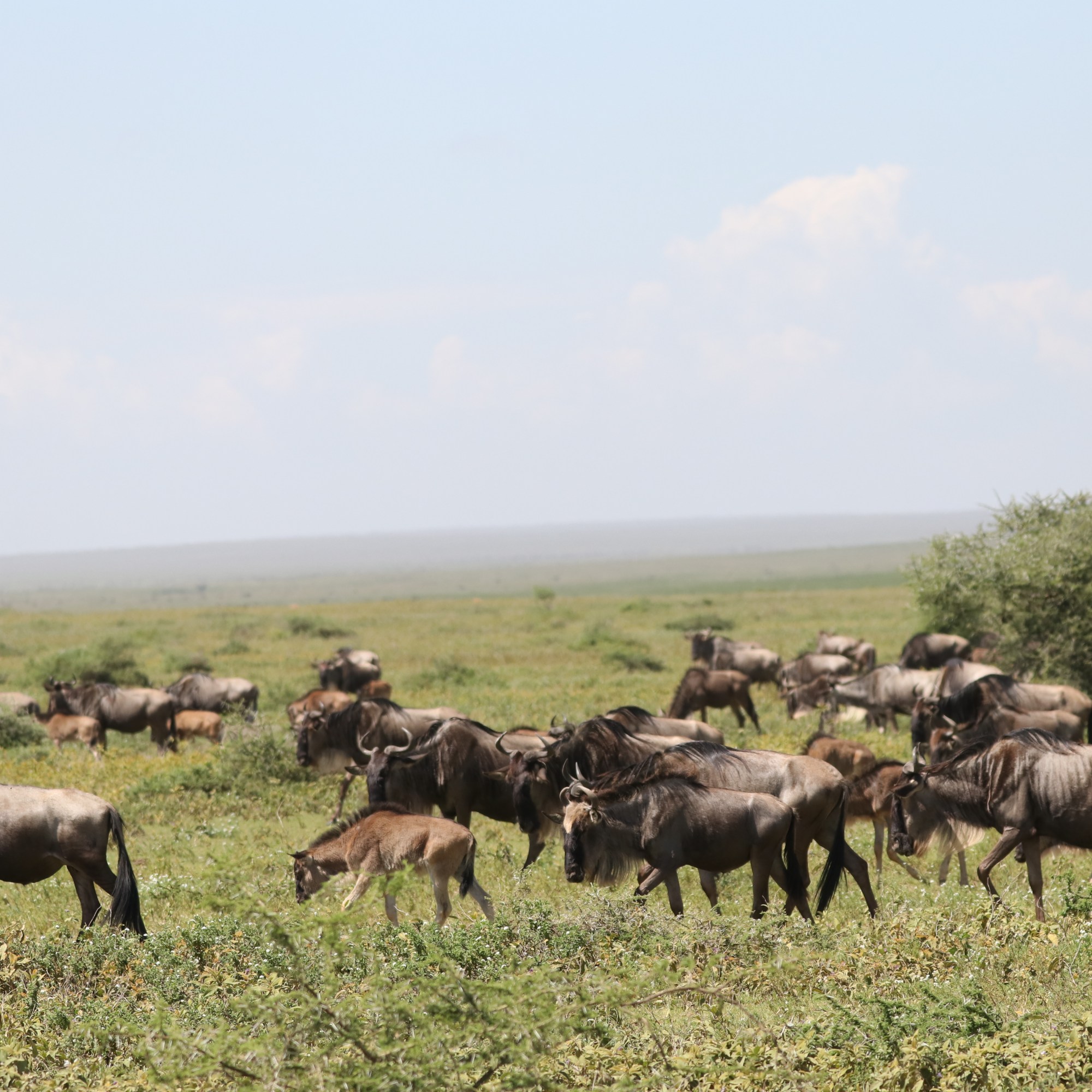
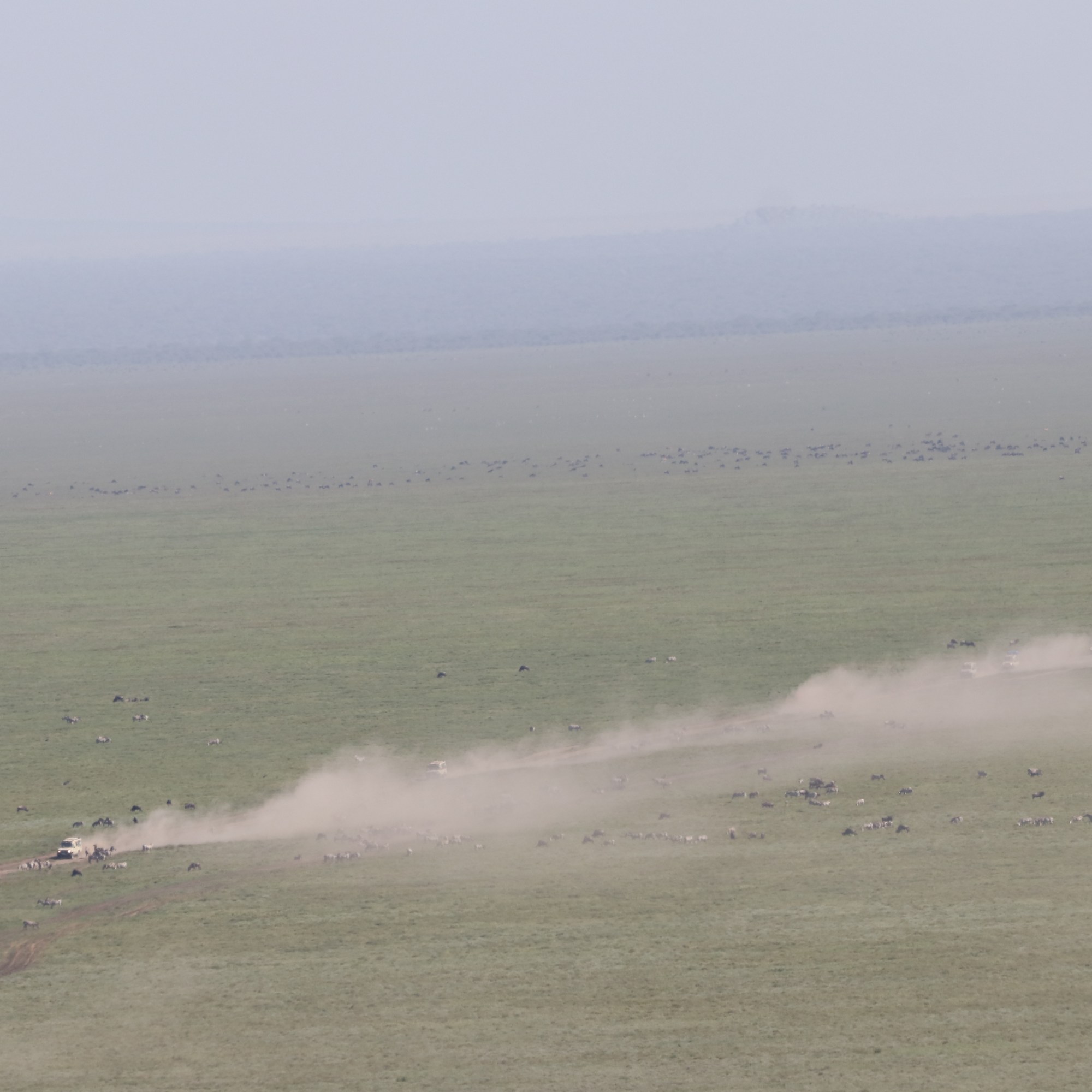
One of the most captivating sights of the day was the vast number of wildebeest, many accompanied by their recently born young. From late January to early March, the southern Serengeti witnesses the remarkable “birthing season” of wildebeest calves, an event that brings both wonder and danger. Every day, up to 8,000 newborns take their first shaky steps into the world, their wobbly legs quickly finding strength as they learn to keep up with the herd.
But with new life comes the harsh reality of nature. This season also attracts an influx of predators—lions, cheetahs, hyenas—all drawn by the sheer abundance of vulnerable prey. The balance of life and death plays out in dramatic encounters across the plains, a constant reminder of the raw beauty and unforgiving nature of the Serengeti.
With the sun beginning its descent, painting the sky in hues of orange and pink, we drove deeper into the park, our anticipation growing for what lay ahead.

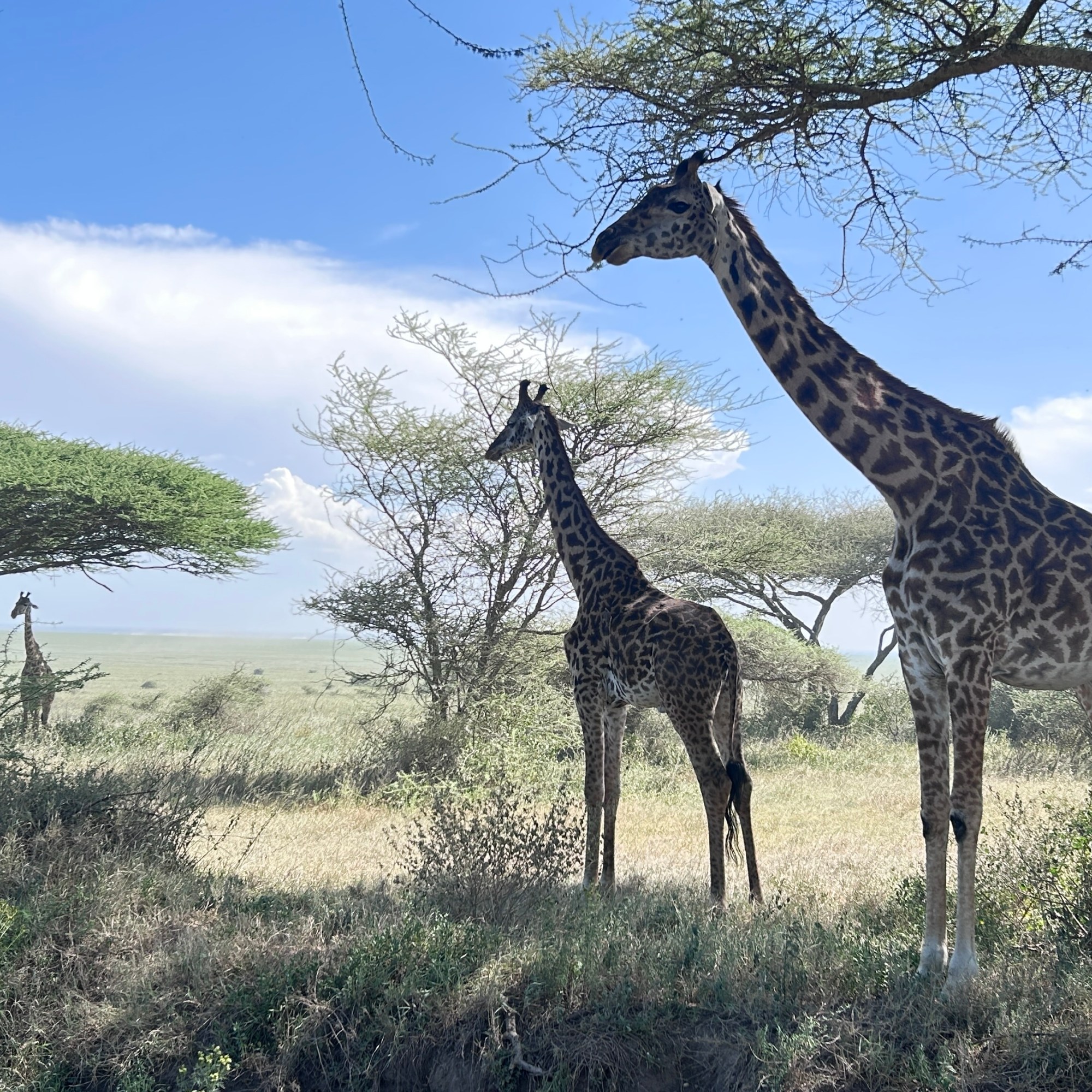

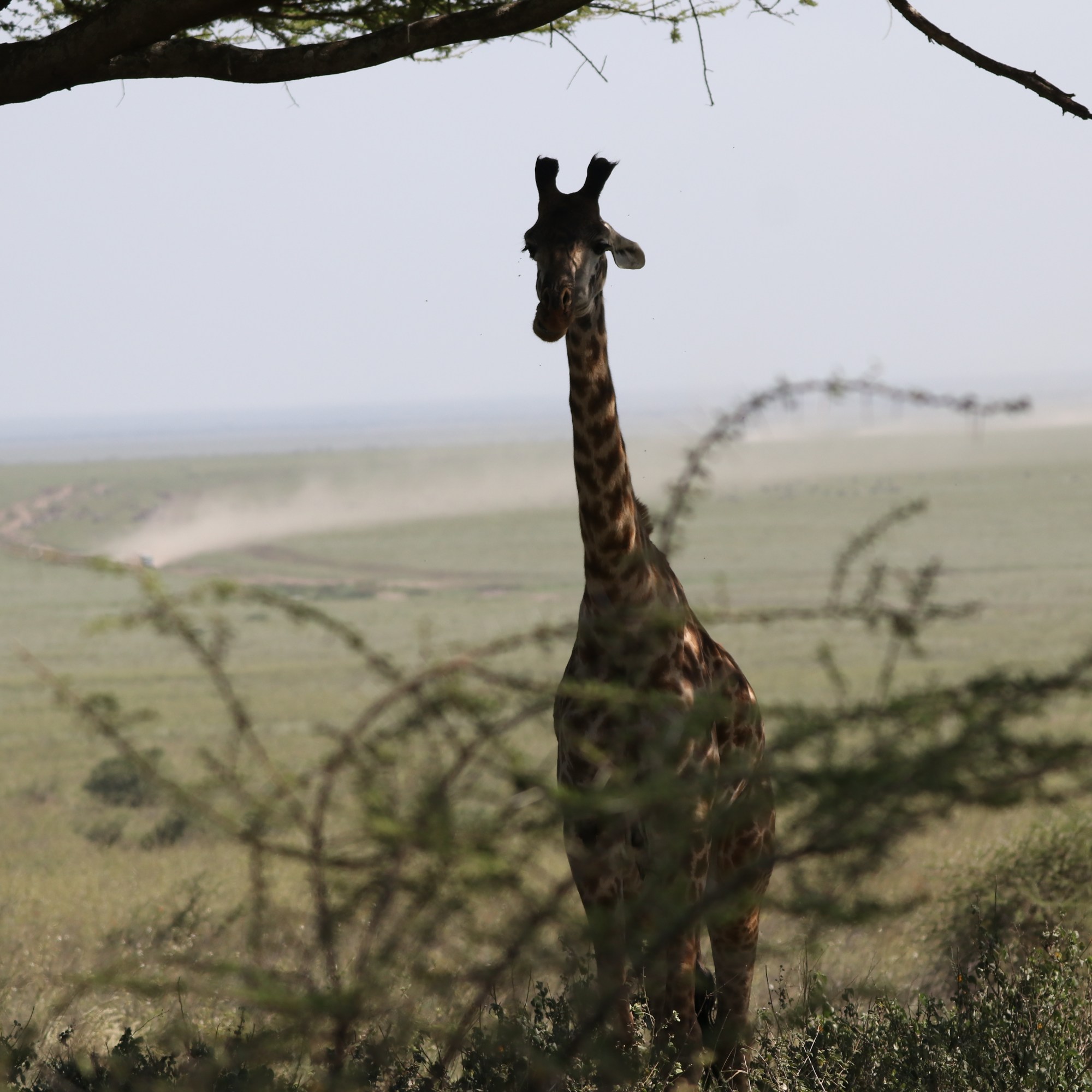


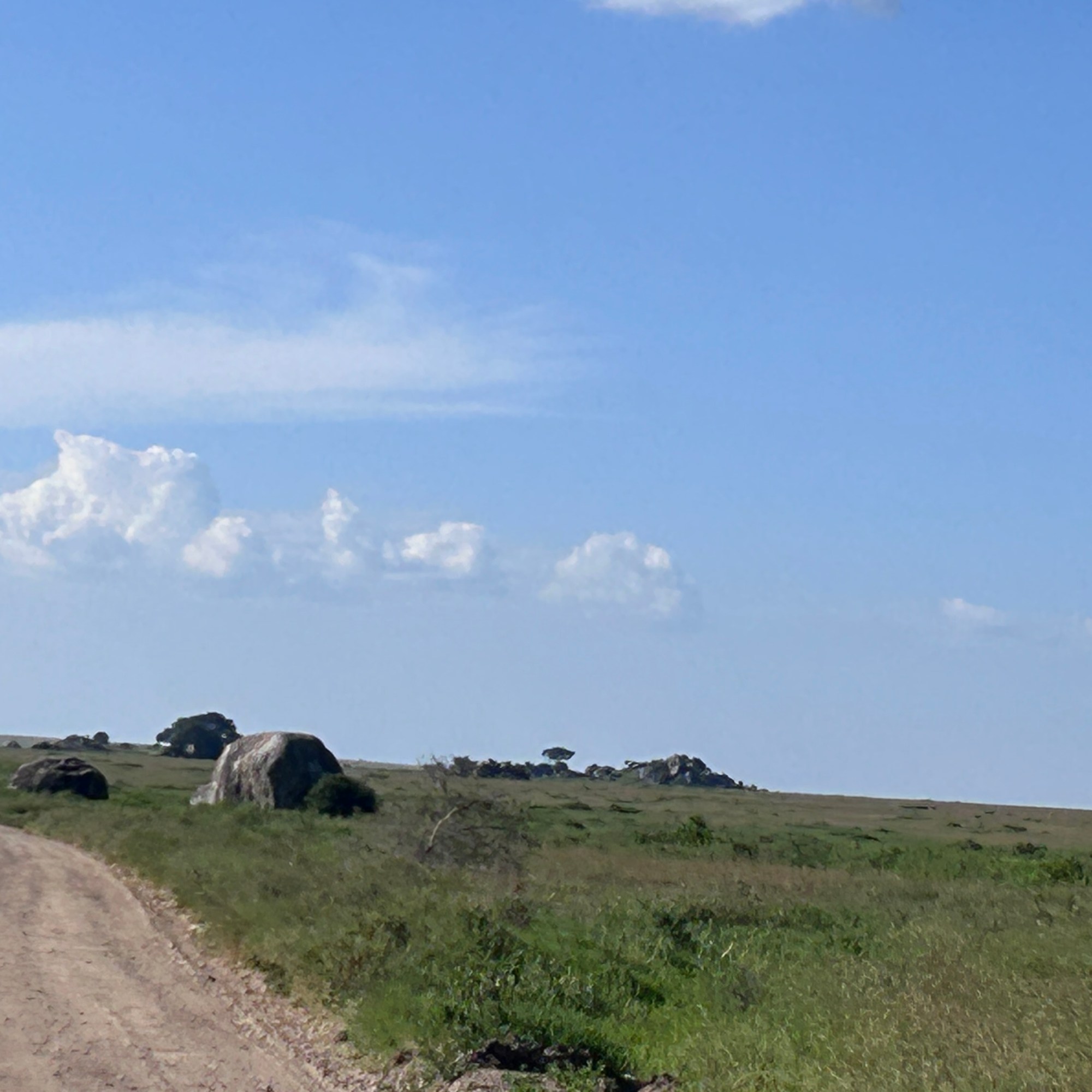

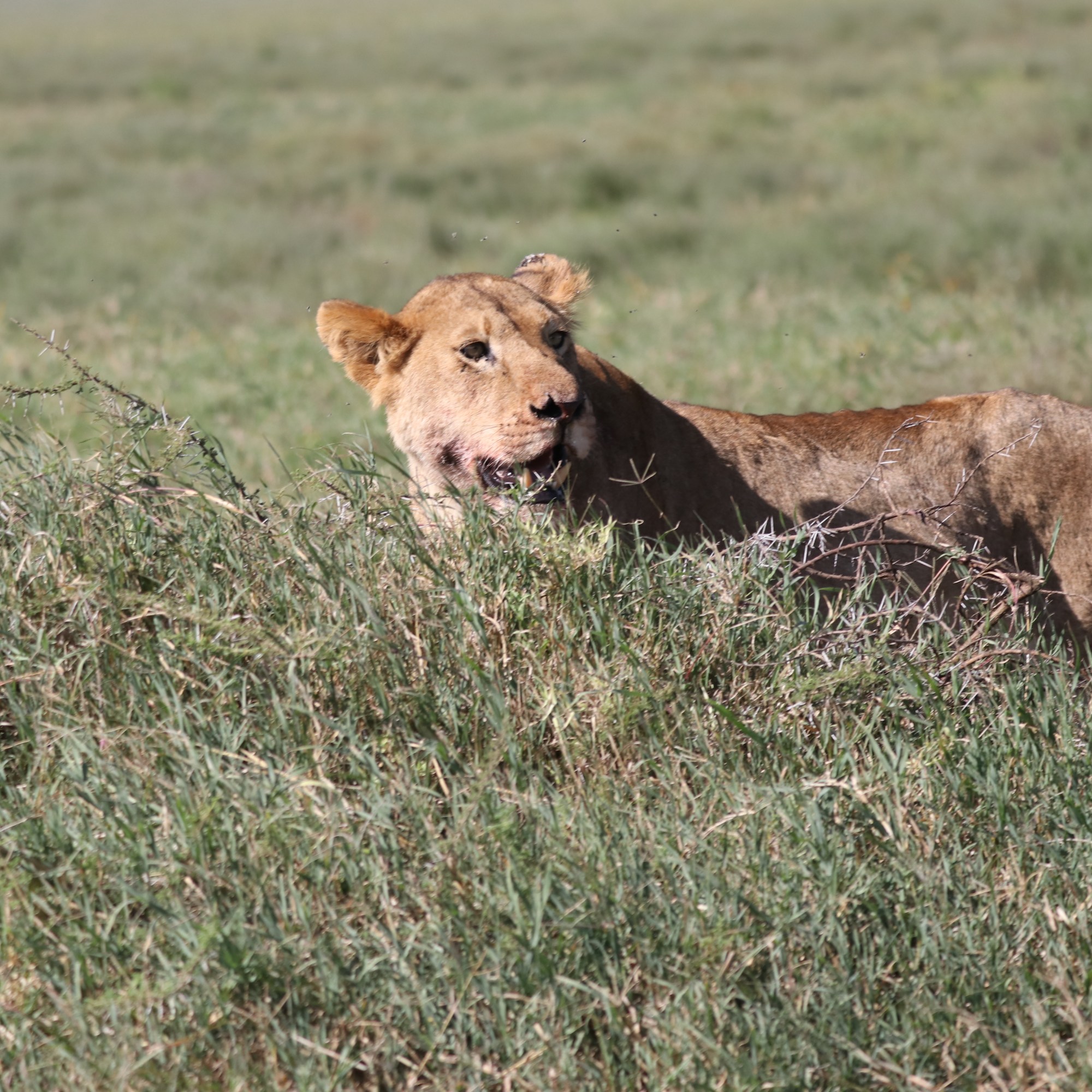
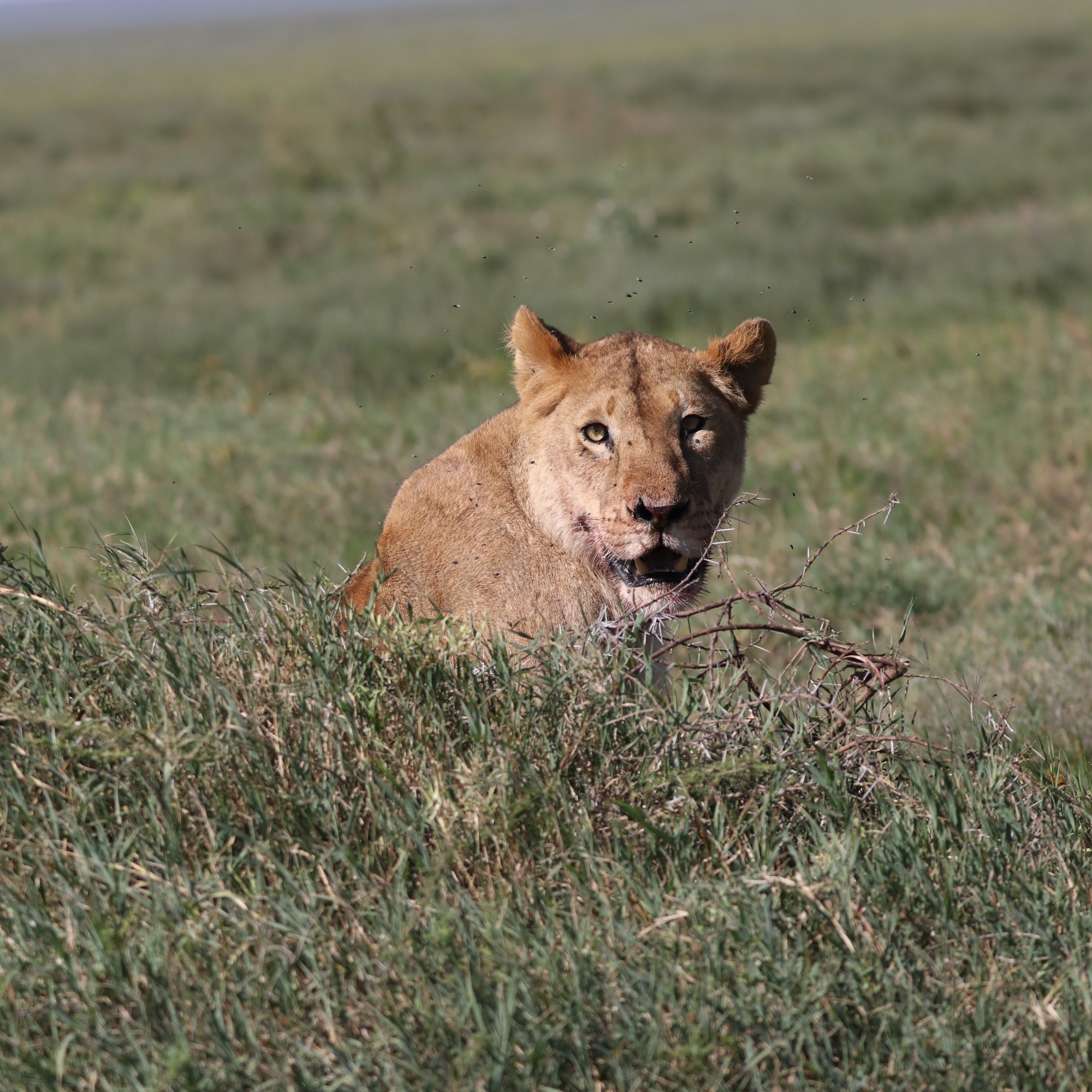
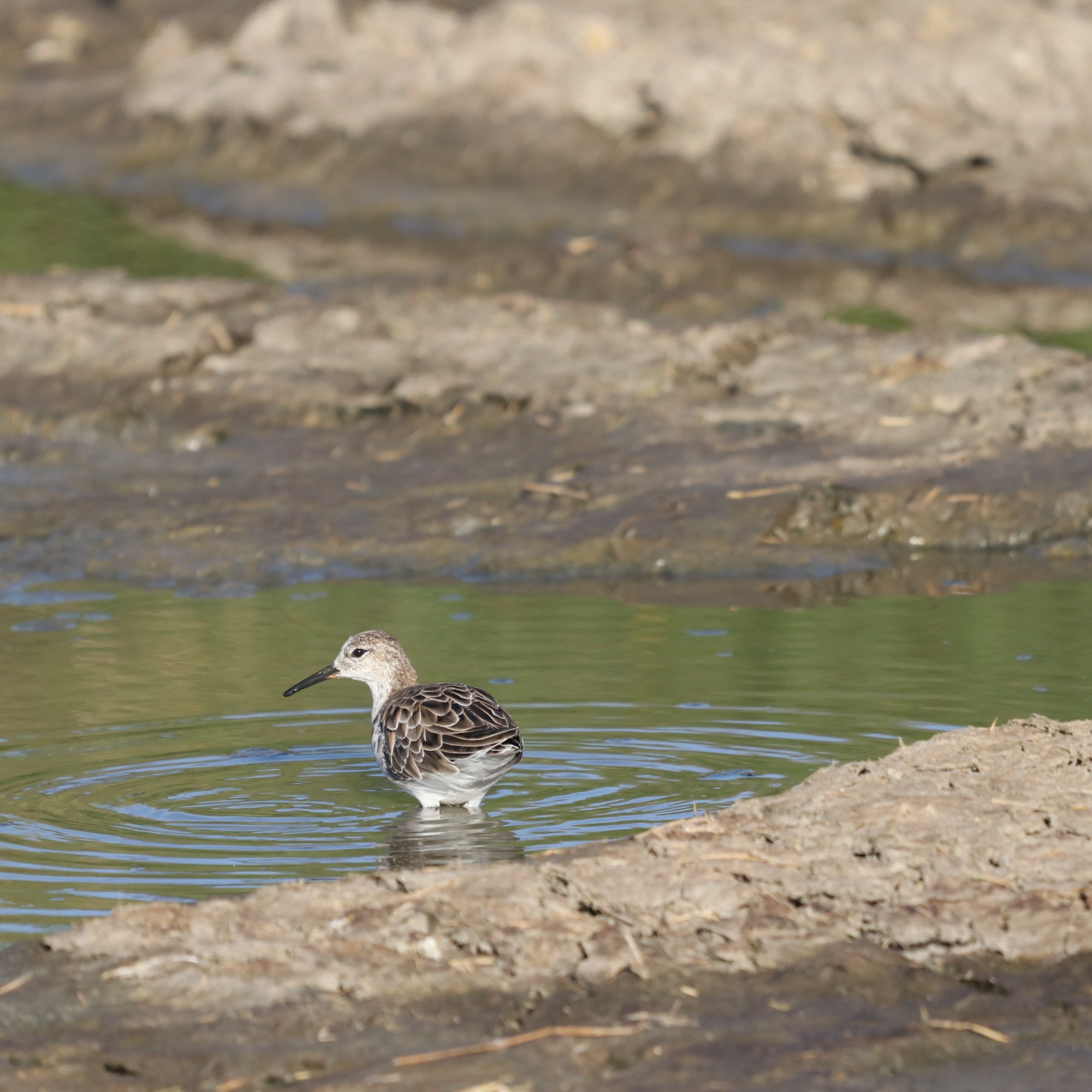

Our afternoon was spent exploring the vast, sweeping plains of the Central Serengeti, dotted with the iconic Kopjes—majestic rocky outcrops that rise from the golden grasslands like ancient sentinels. These formations are often prime resting spots for big cats, serving as both vantage points and shaded retreats. Though luck wasn’t on our side this time, and we didn’t spot any lions or leopards lounging atop the rocks, the sheer beauty of the landscape more than made up for it. The Serengeti stretched endlessly before us, bathed in the warm glow of the afternoon sun, with the occasional acacia tree breaking the horizon.
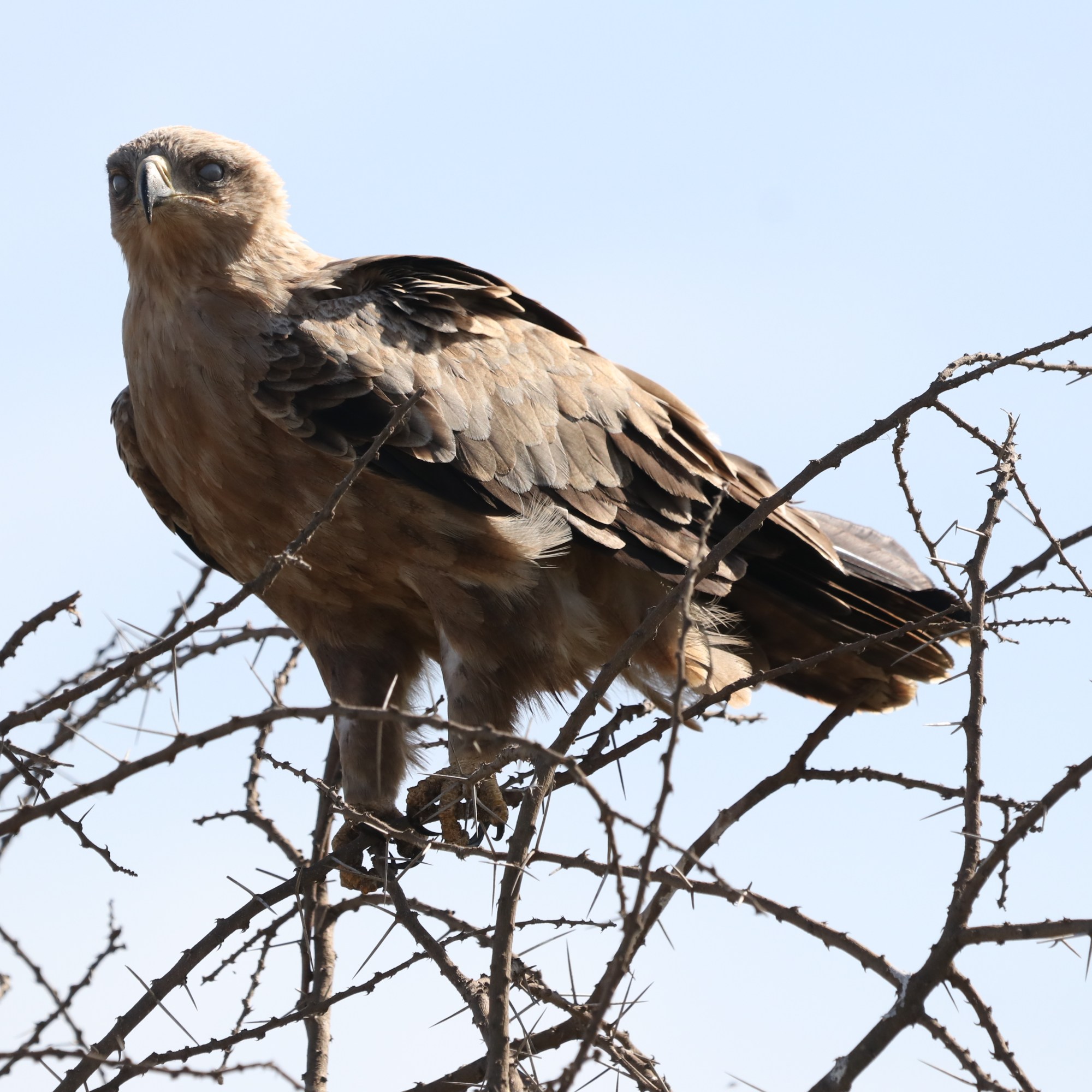
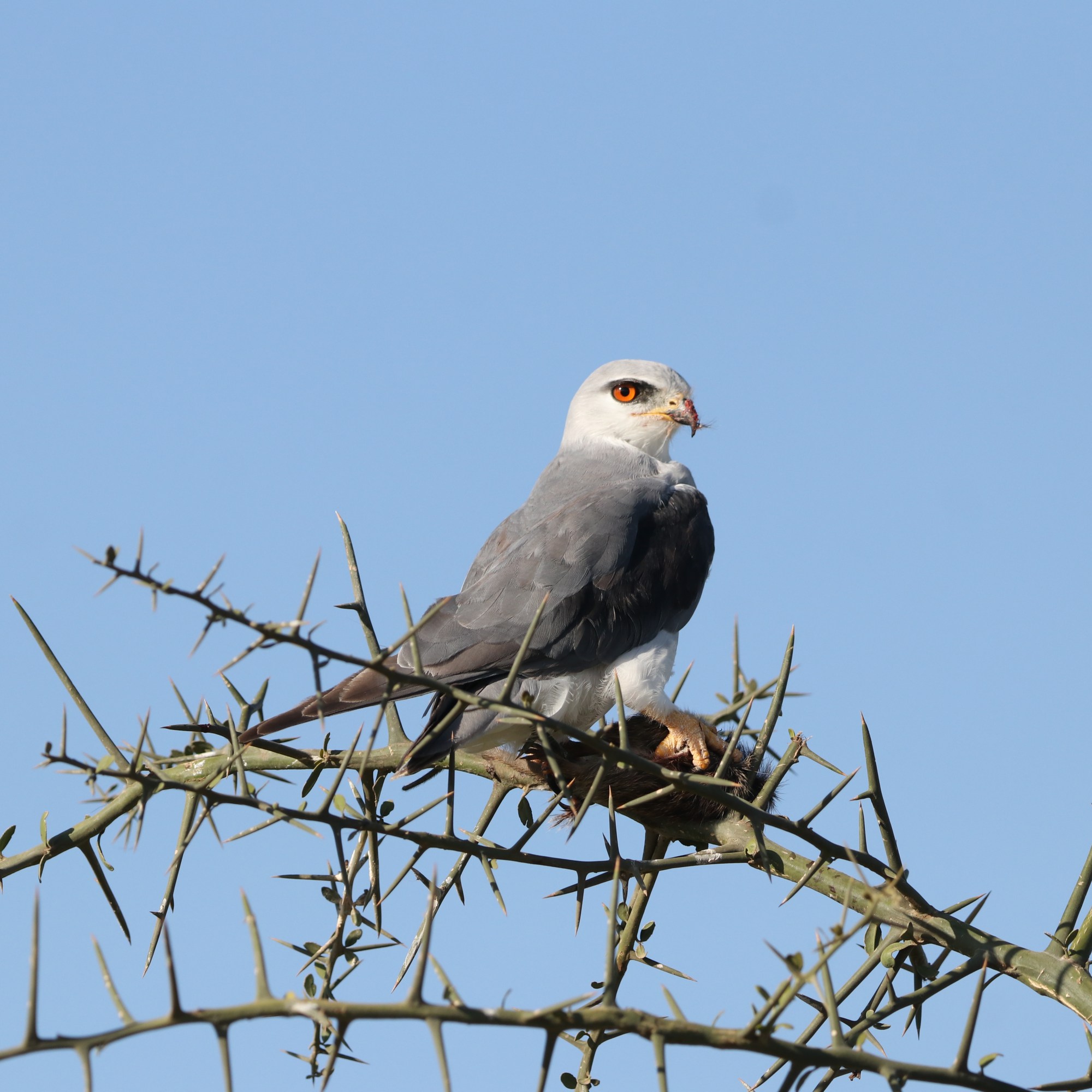
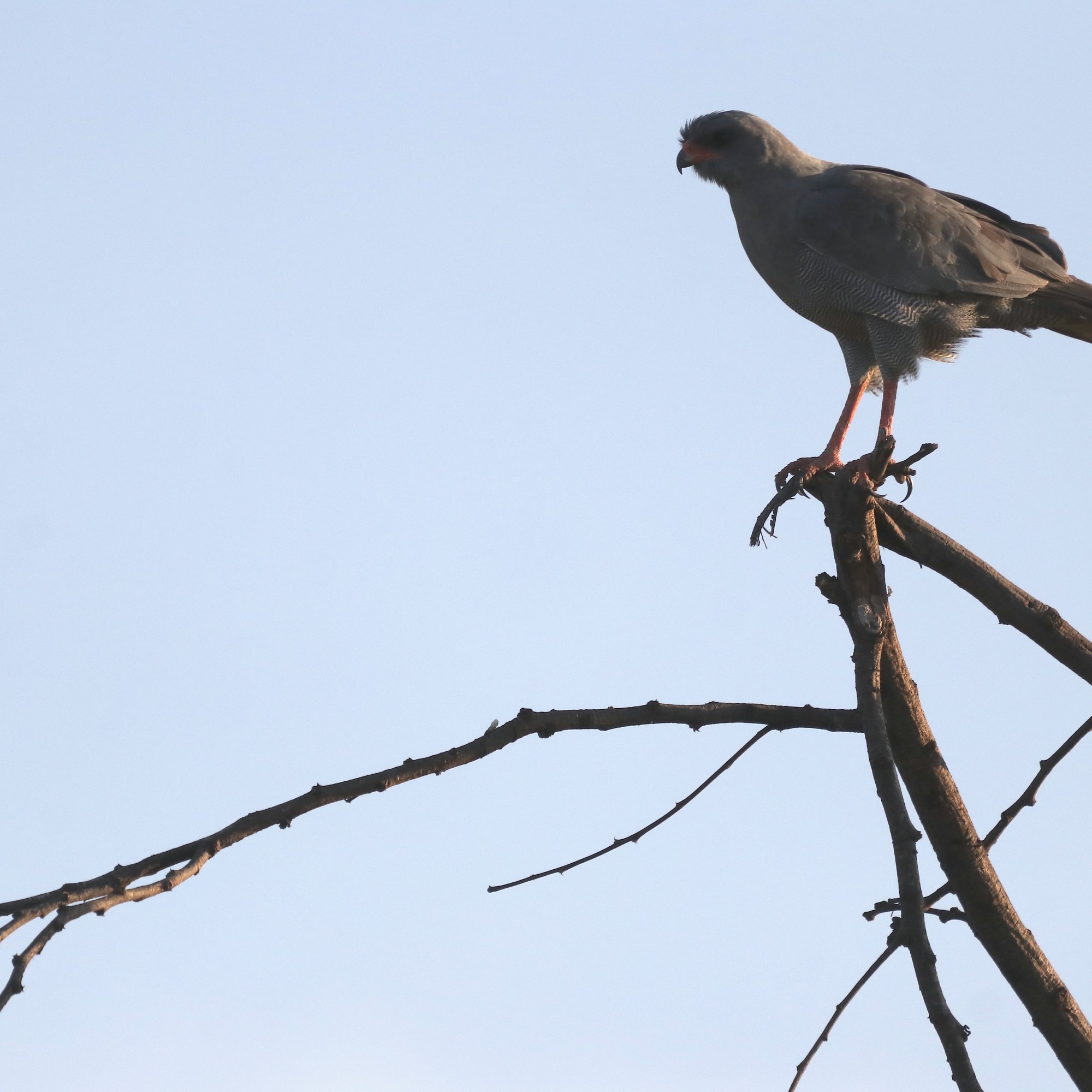
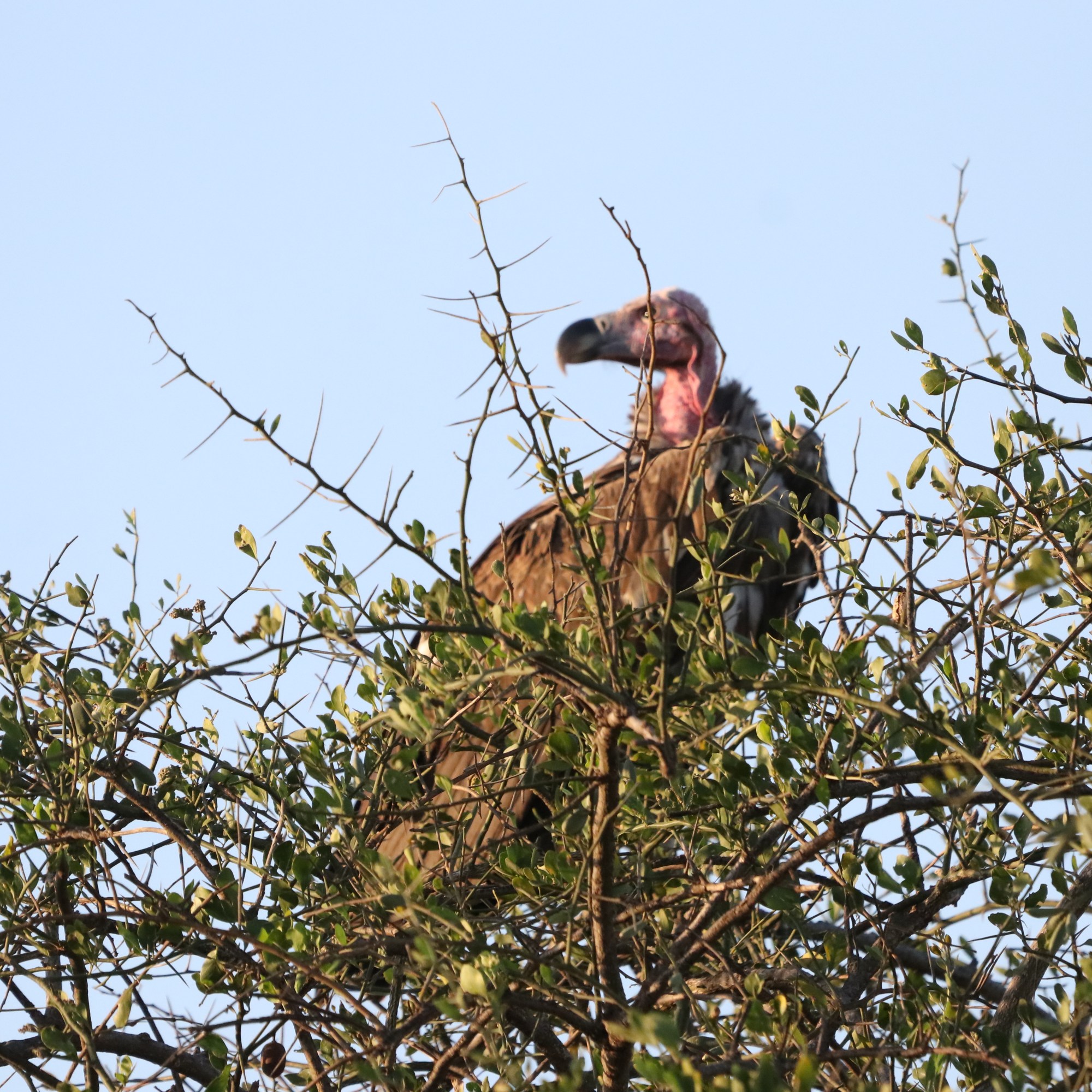
Central Serengeti is renowned for its abundance of the “big three” cats—lions, leopards, and cheetahs—but it isn’t just the predators that bring this ecosystem to life. The plains were alive with movement—herds of wildebeest kicking up clouds of dust, zebras grazing in harmony, and elegant giraffes moving gracefully among the scattered trees. Overhead, vultures and eagles soared, scanning the terrain for any opportunity to scavenge.
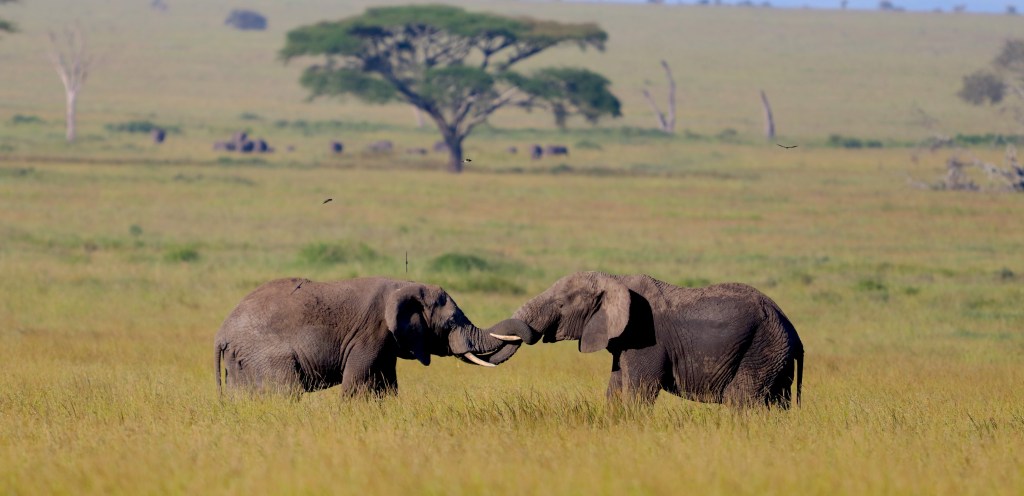
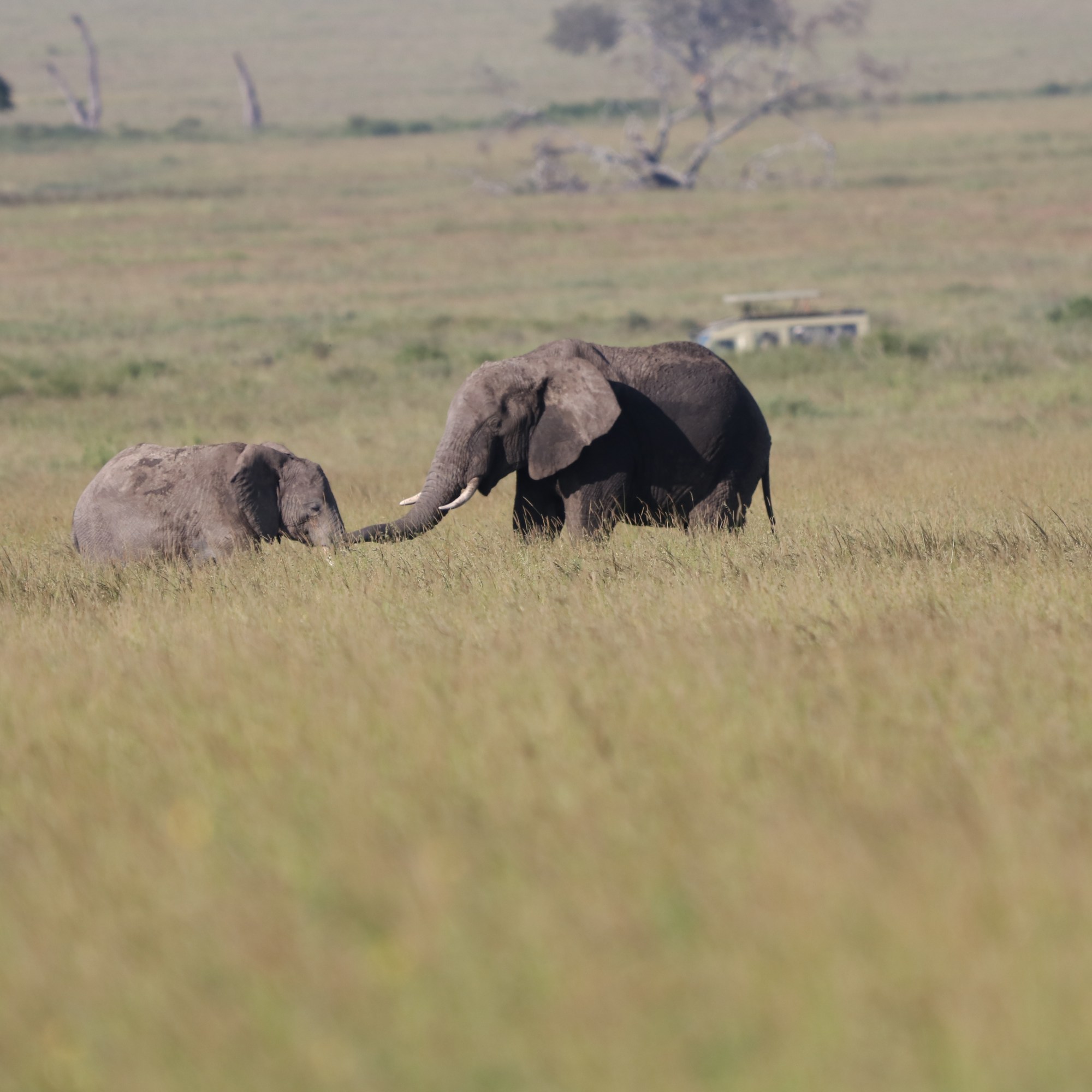
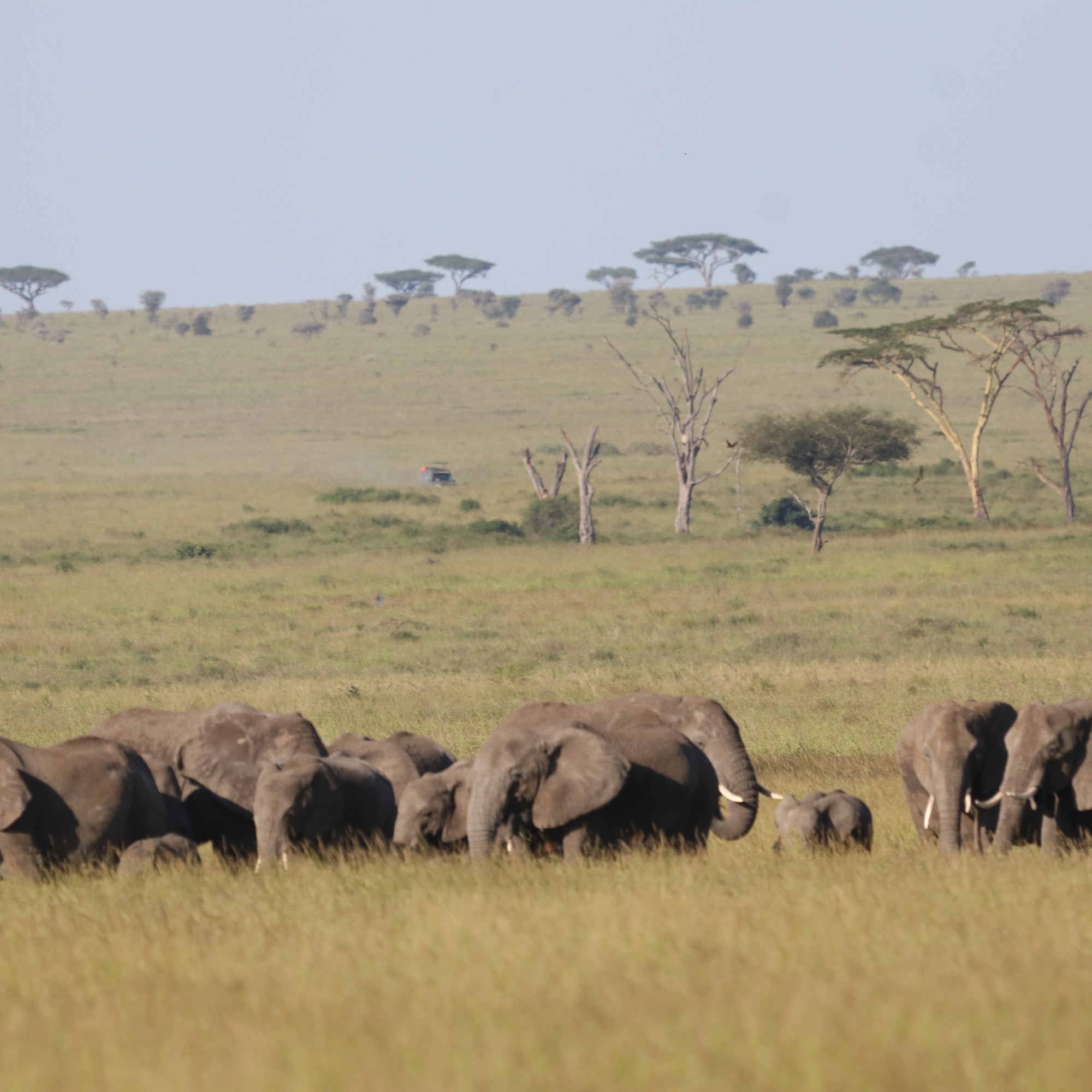
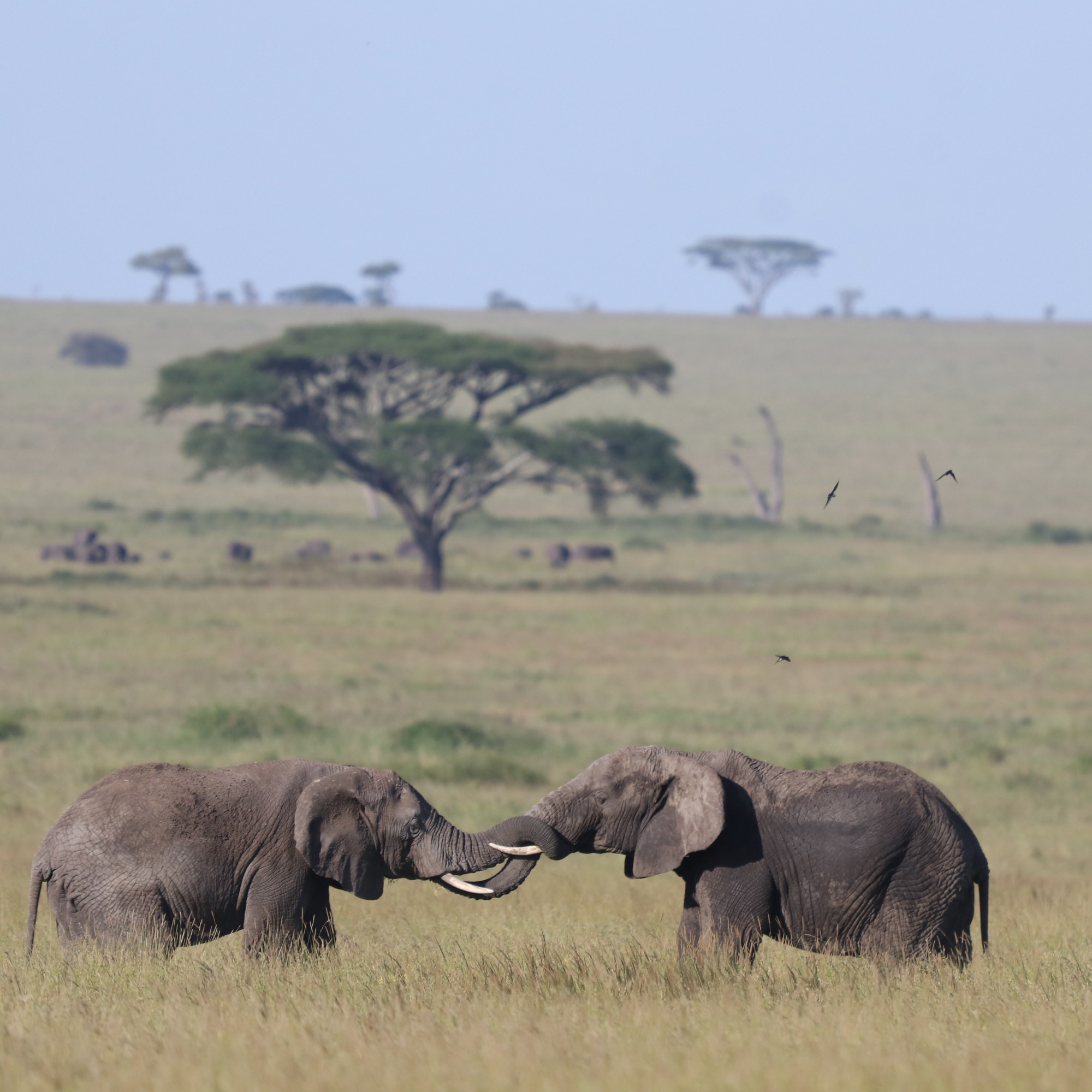
One of the highlights of the afternoon was encountering a large herd of elephants, their gentle presence a stark contrast to their immense size. Watching them move together, their young playfully entwining trunks, was a moment of pure serenity.
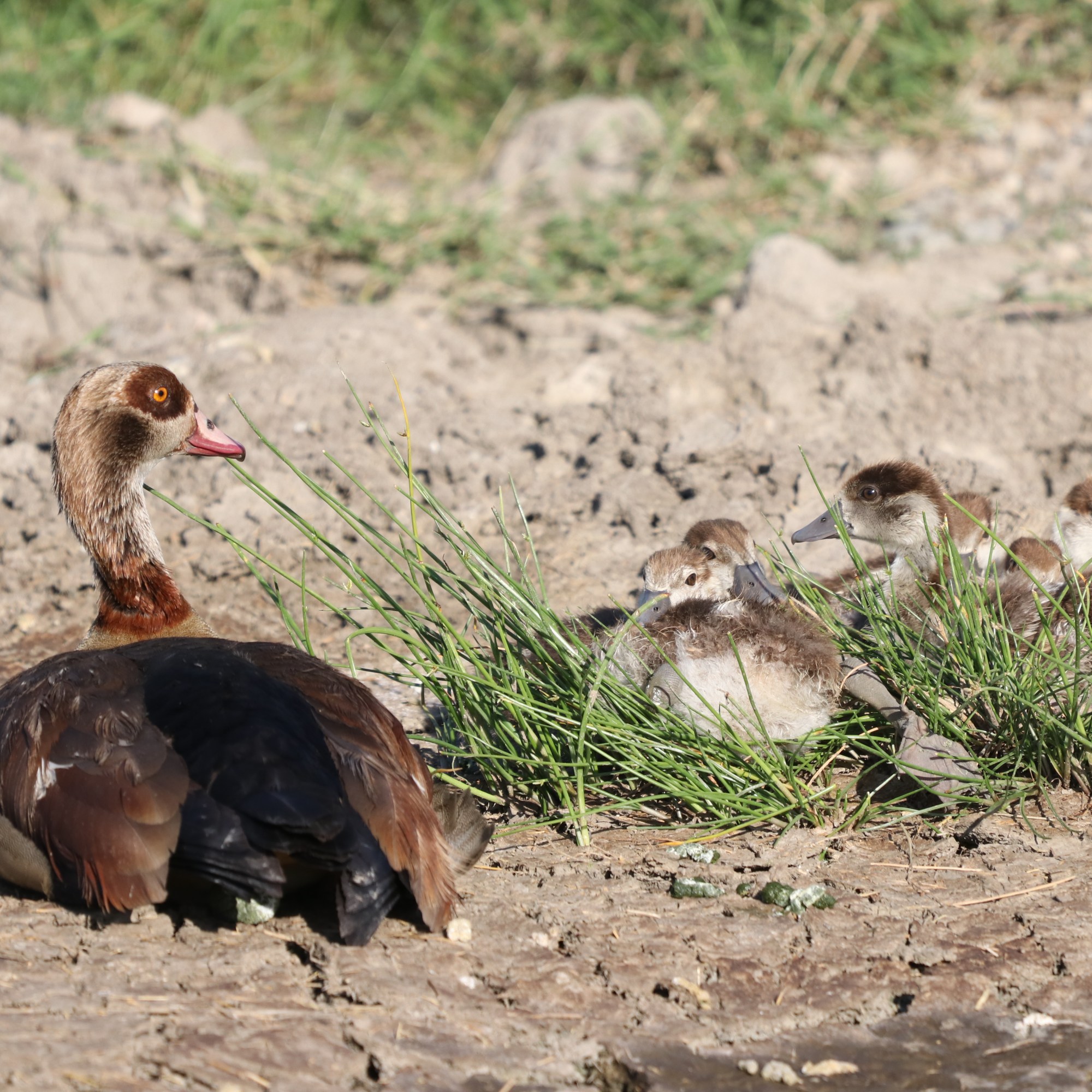
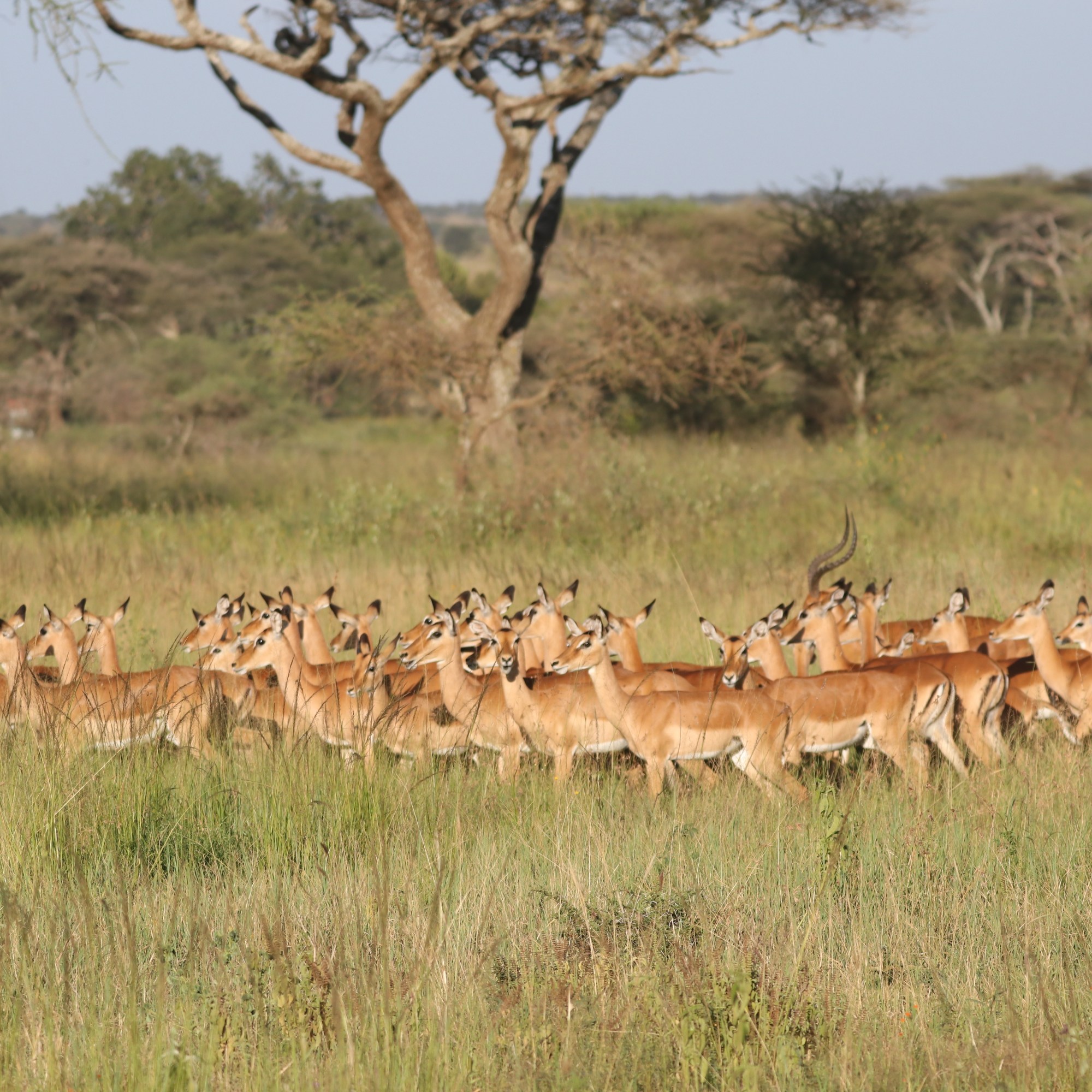
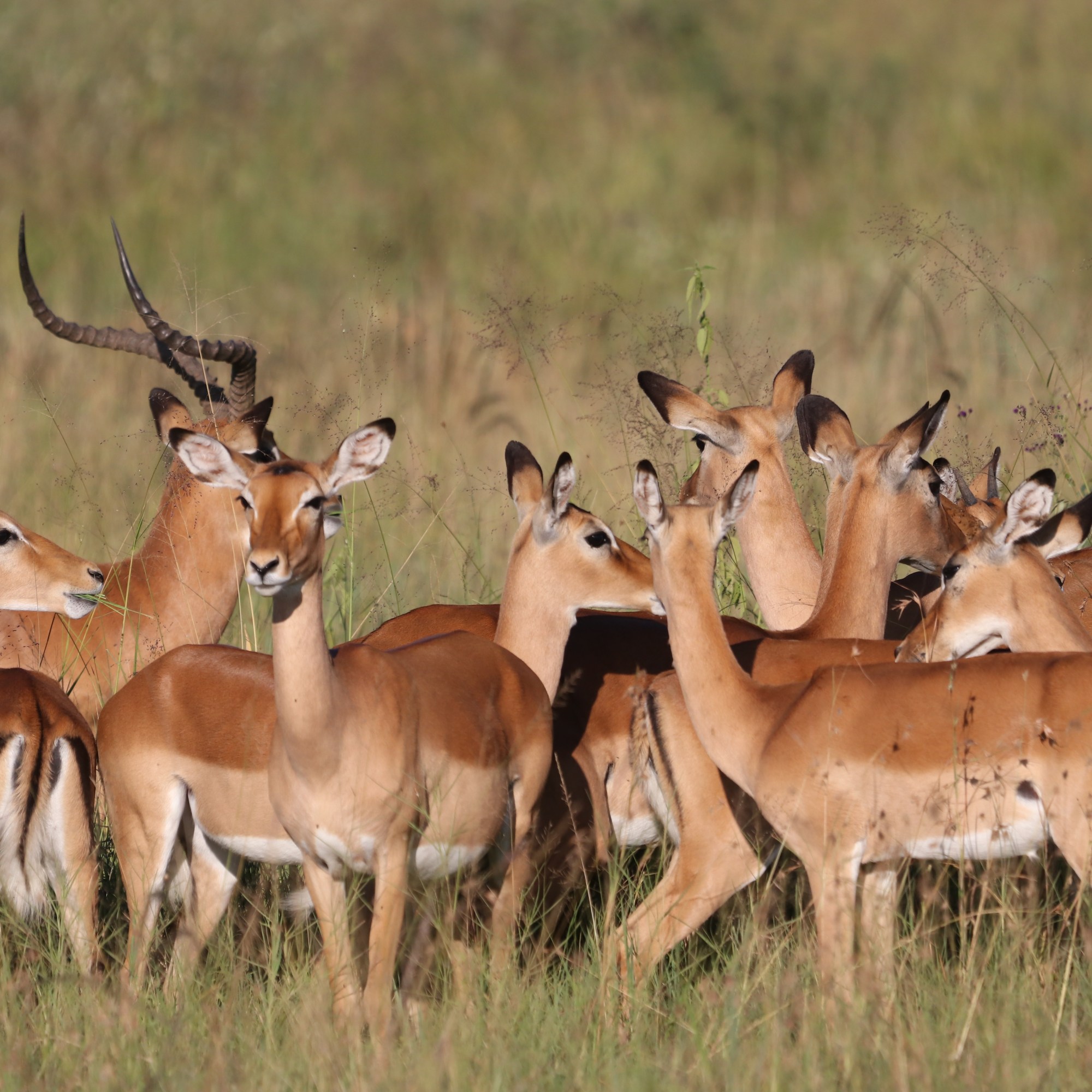
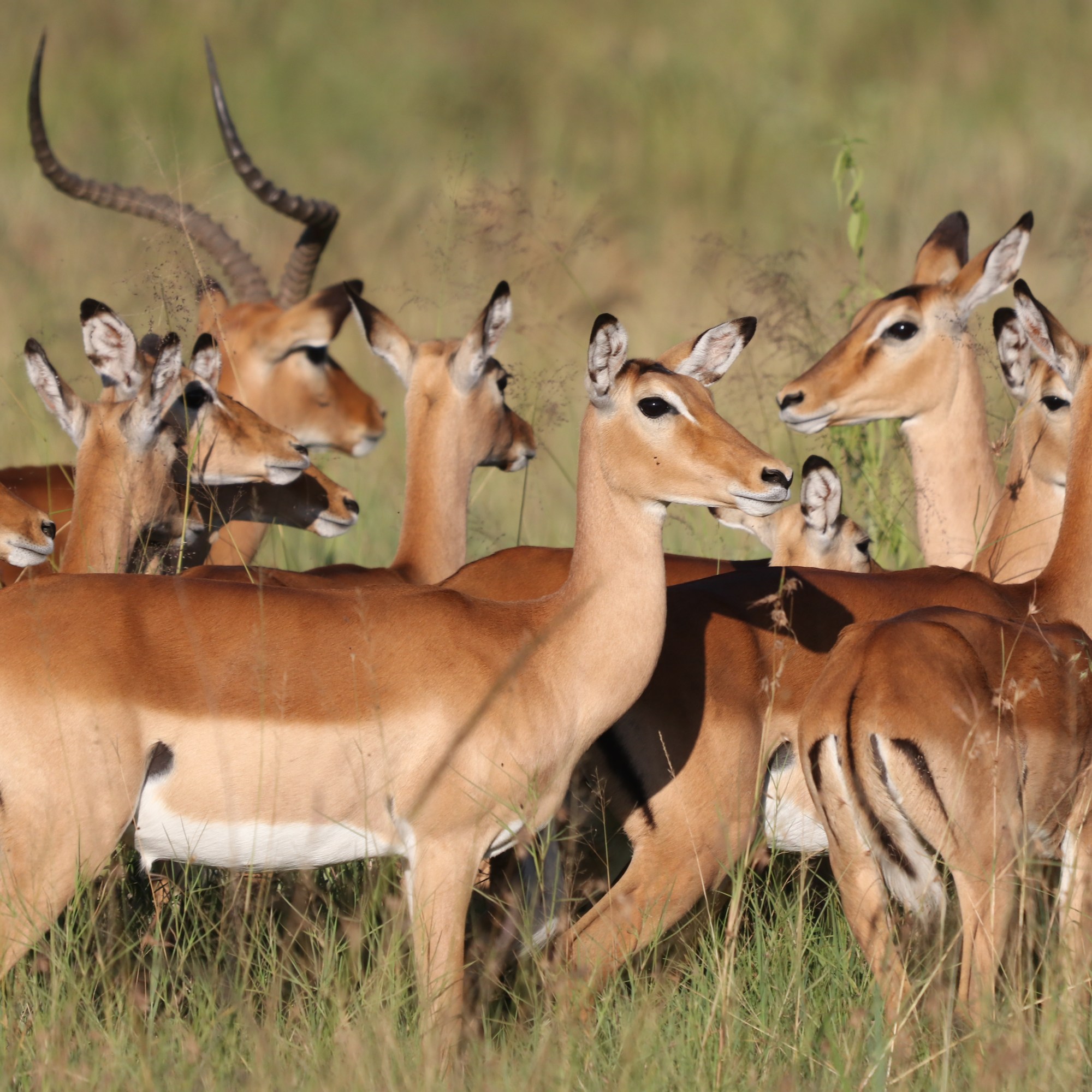
A little further on, we reached a hippo pool, where these massive creatures lounged lazily in the cool water, grunting and jostling for space as the afternoon heat lingered. Nearby, an Egyptian goose rested in the grass, her fluffy chicks huddled close, while in the distance, a large herd of impalas stood alert, their eyes scanning for any sign of danger.
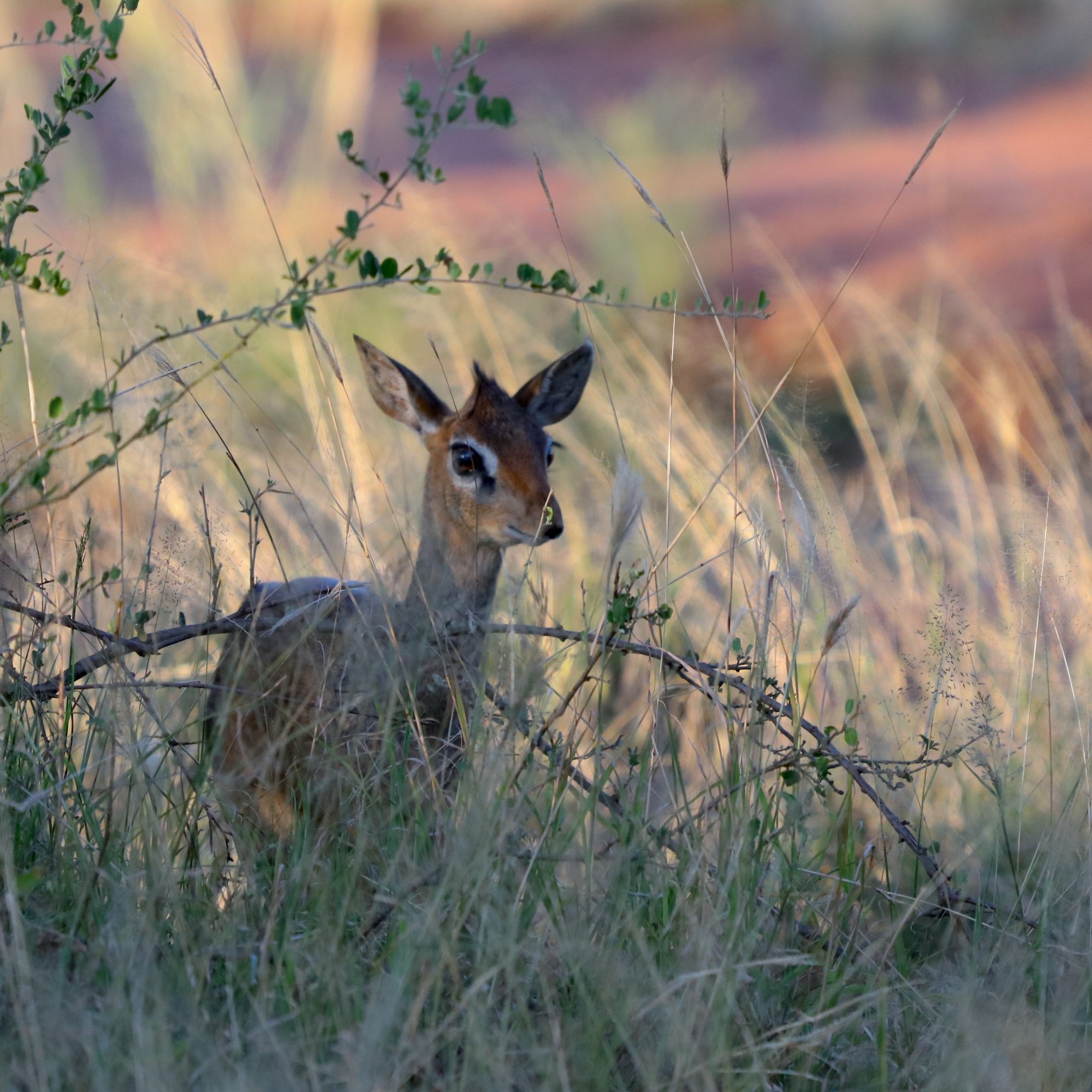
As the evening set in, we were reminded that we needed to reach our camp before 7 PM, as staying out on the Serengeti’s open plains after dark is not permitted. We picked up the pace, racing against the sinking sun. Just as we made the final turn toward our camp, we were greeted by an unexpected visitor—a tiny, delicate dik-dik, one of the Serengeti’s smallest antelopes. With its large, glistening eyes and dainty frame, it was the perfect farewell to an incredible day of wildlife encounters.
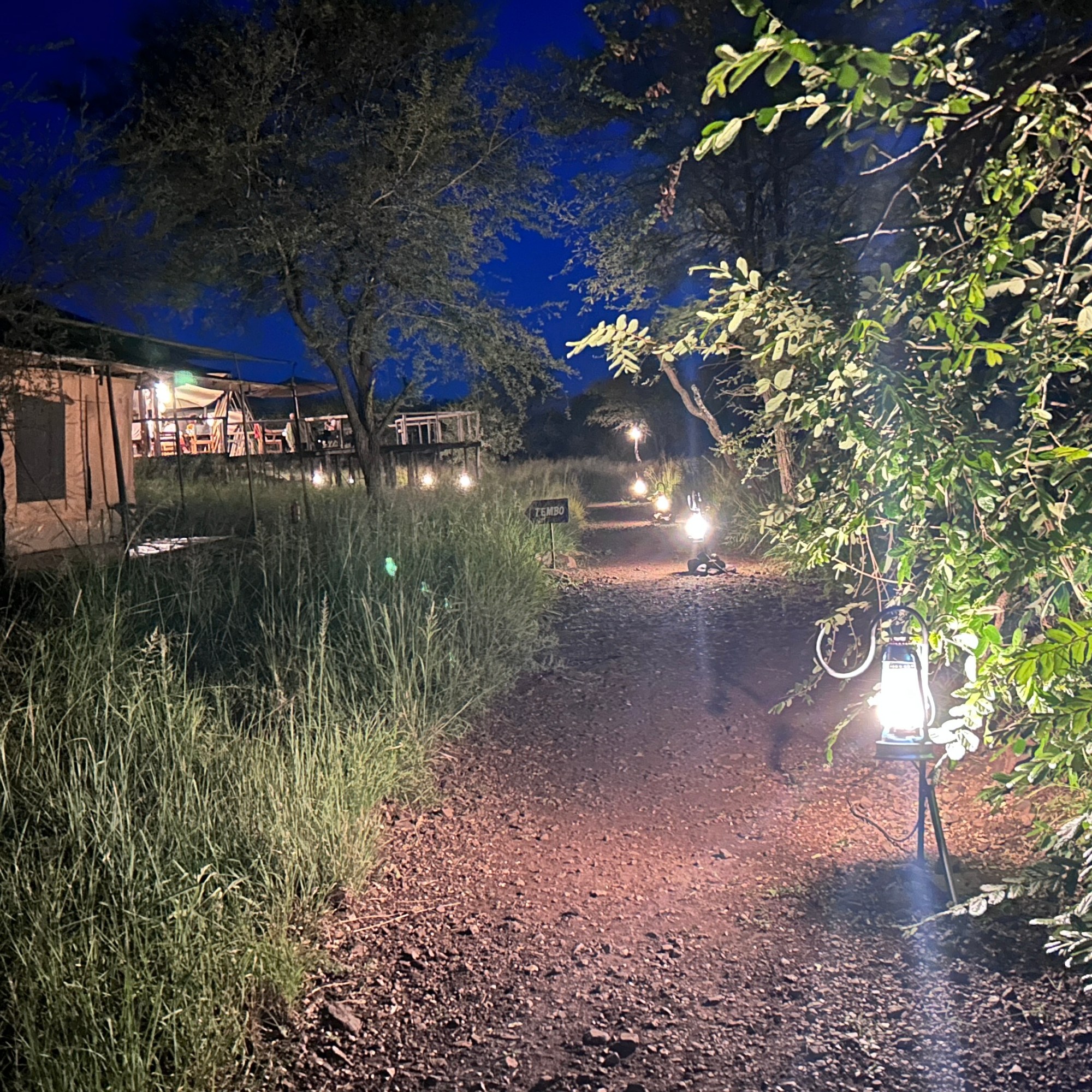
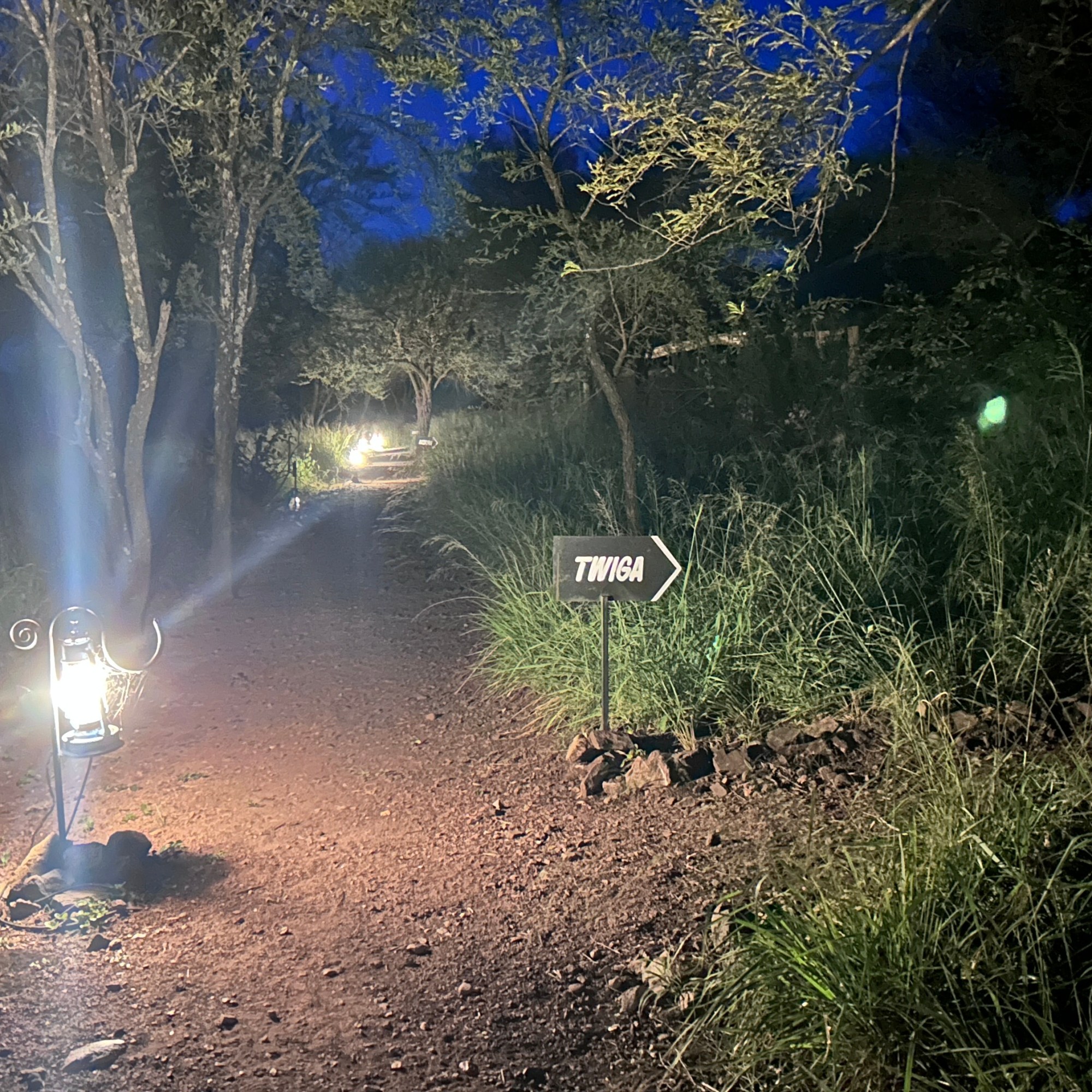
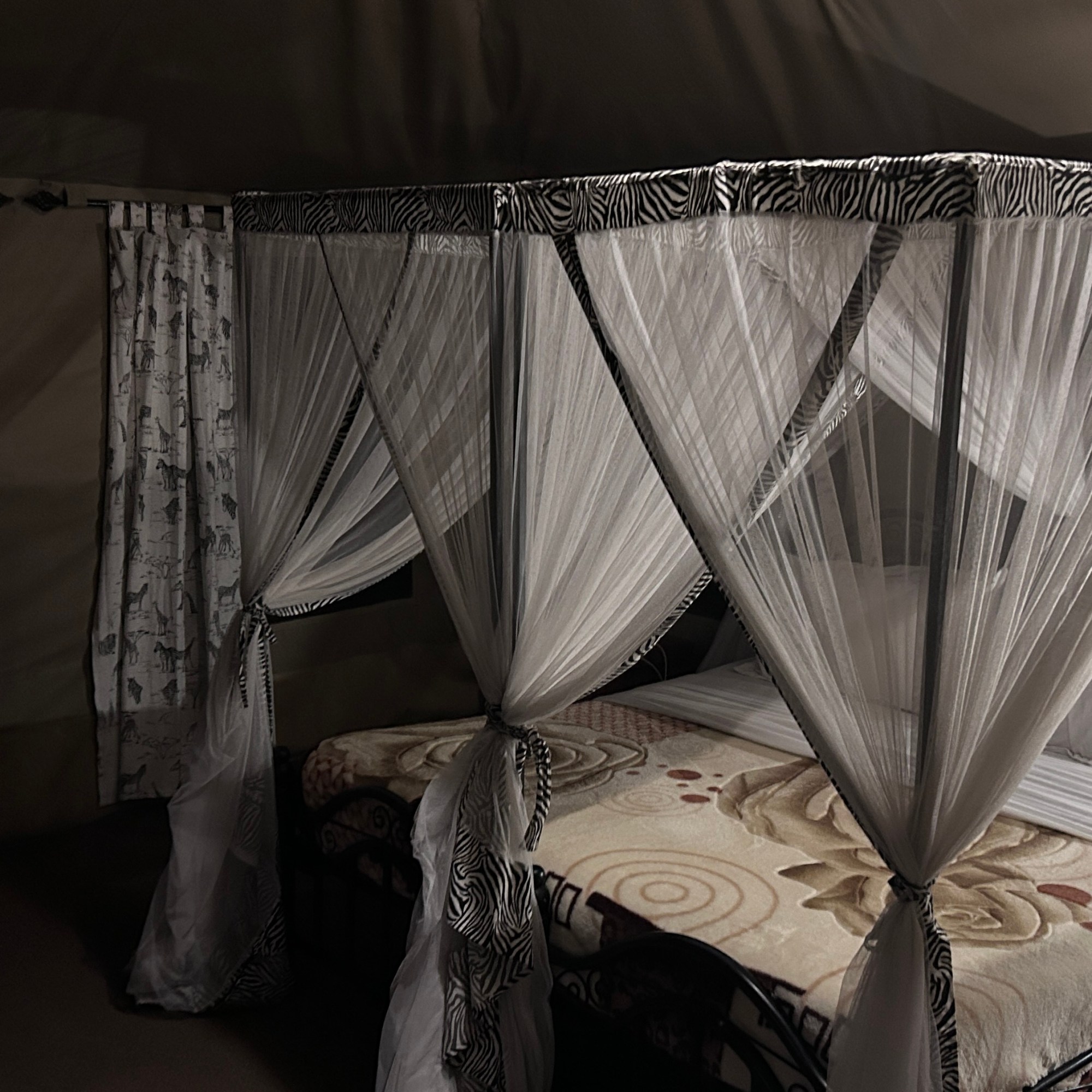
The sun dipped below the horizon, setting the vast Serengeti ablaze with hues of gold, orange, and deep purple. We arrived at Tukaone Serengeti Camp, a private safari retreat perfectly nestled in the heart of the wilderness. From here, we had breathtaking views of the Hembe Hills and the endless wildlife-rich plains stretching into the distance.
Tukaone Camp itself was an experience—blending comfort with the raw beauty of the Serengeti. As we settled in for the evening, the air was filled with the distant calls of hyenas echoing through the darkness. We enjoyed a delicious meal of local cuisine, sipping drinks under the starlit sky while sharing stories of the day’s adventures.
After a long day of travel and exploration, we found ourselves immersed in the rhythm of the wild, ready to recharge for another day of unforgettable safari experiences.




From the mesmerizing landscapes of the Ngorongoro Caldera to the wildlife-dense plains of the Central Serengeti, this safari journey offered us an unforgettable blend of scenic beauty and raw wilderness. The birthing season of wildebeest calves is a rare spectacle of life and survival, a reminder of the intricate balance of nature. As the day ends under the vast Serengeti sky, the anticipation for tomorrow’s adventures lingers, promising even more discoveries in this extraordinary land.
Experience the complete Day -1 of the safari on my YouTube video below:


Leave a Reply